Comparing Numbers Worksheets for Ages 6-9 - Page 3
52 filtered results
-
From - To
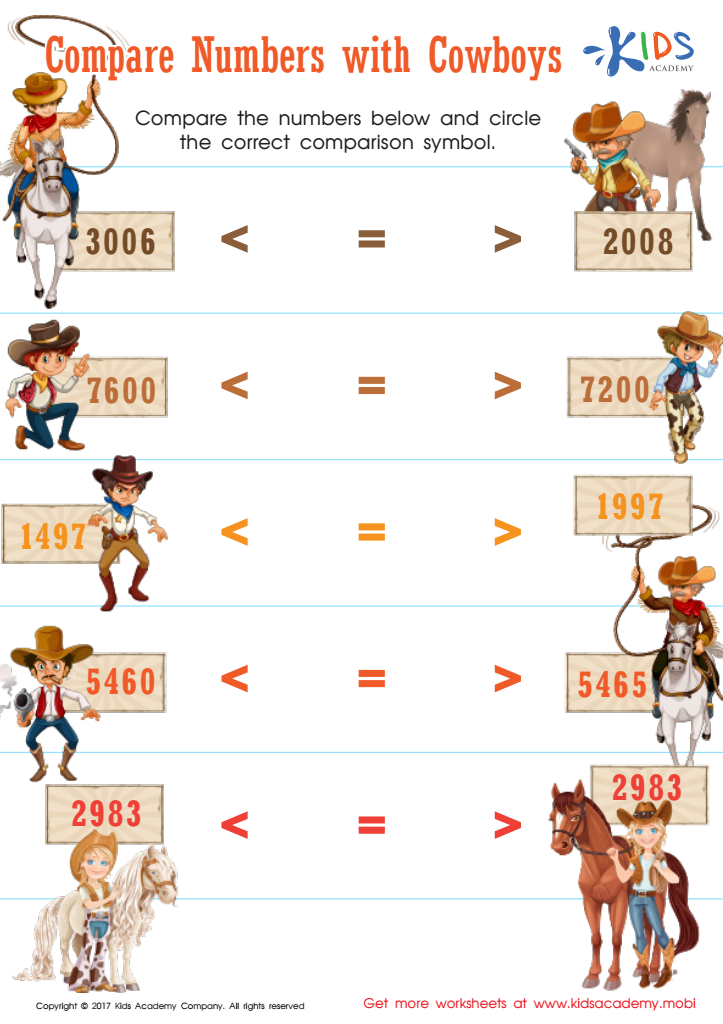
Compare Numbers Worksheet for 3rd Grade
 Assign to My Students
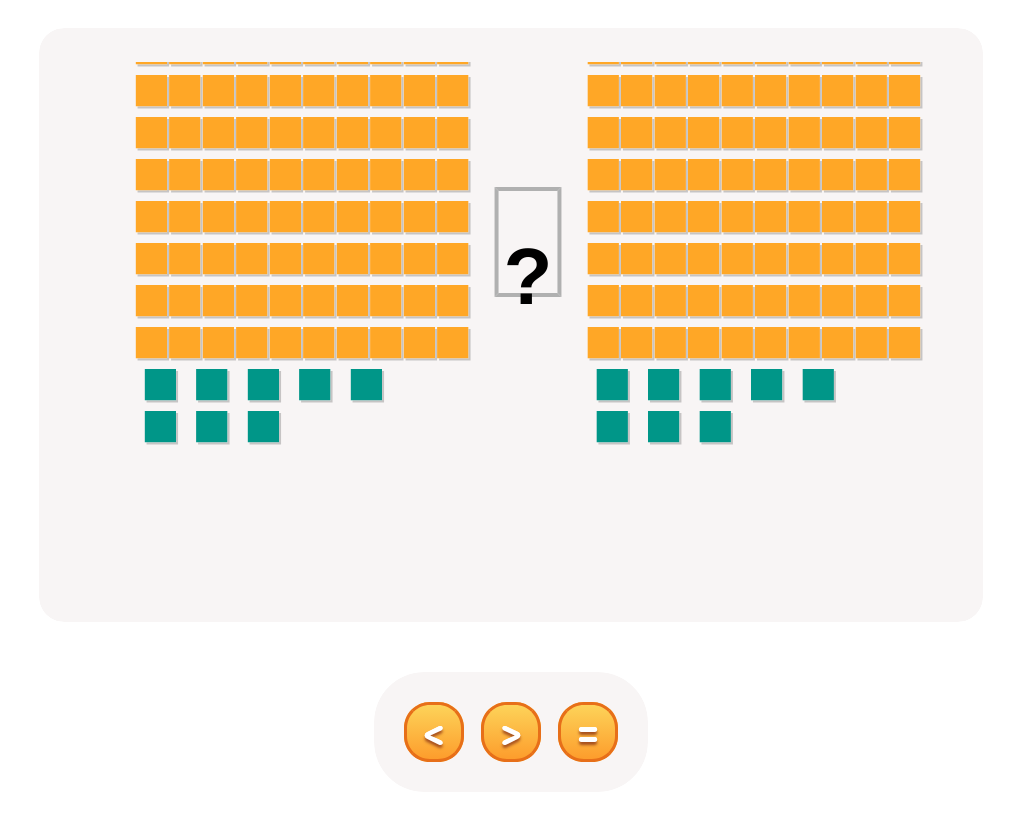

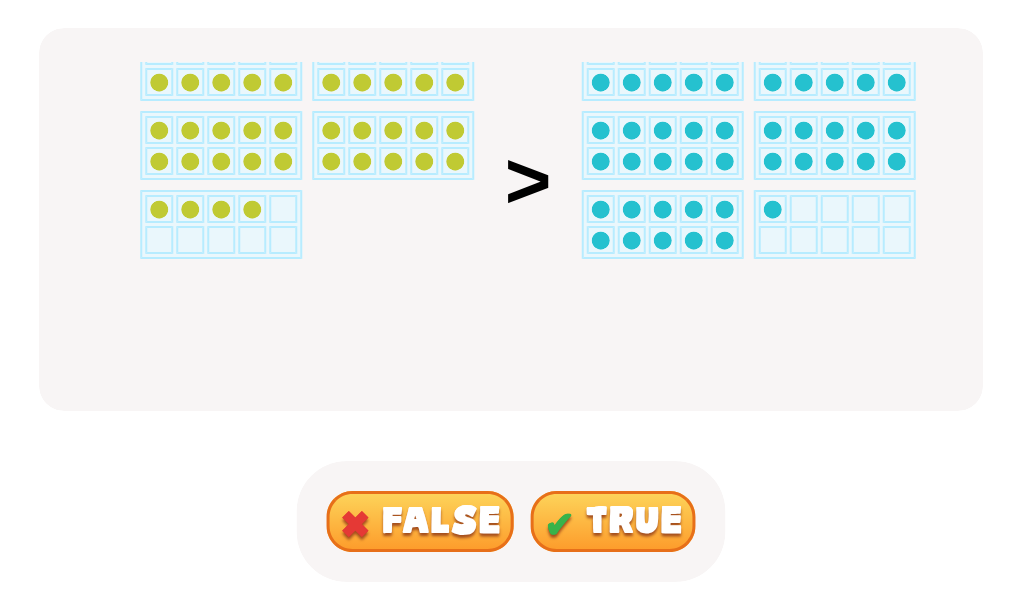
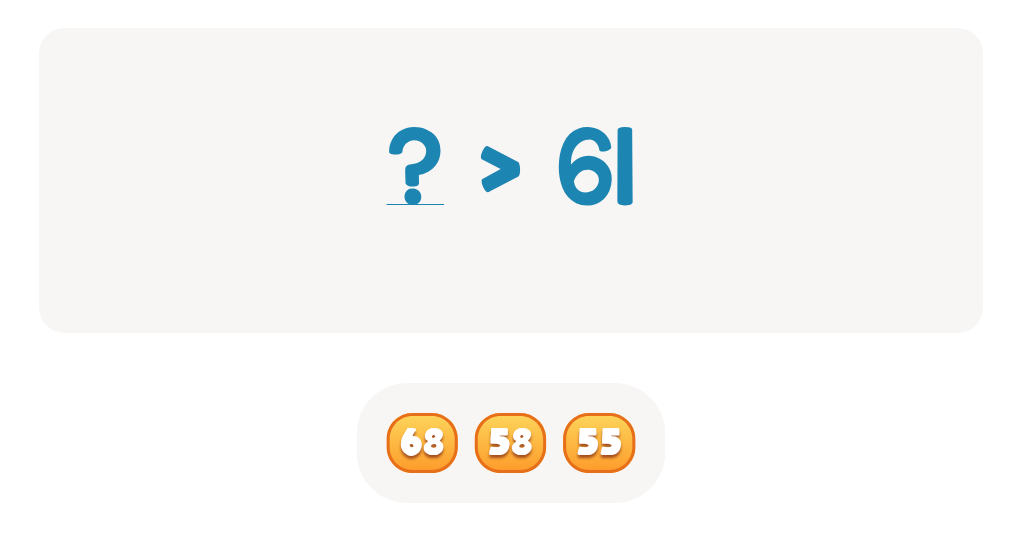
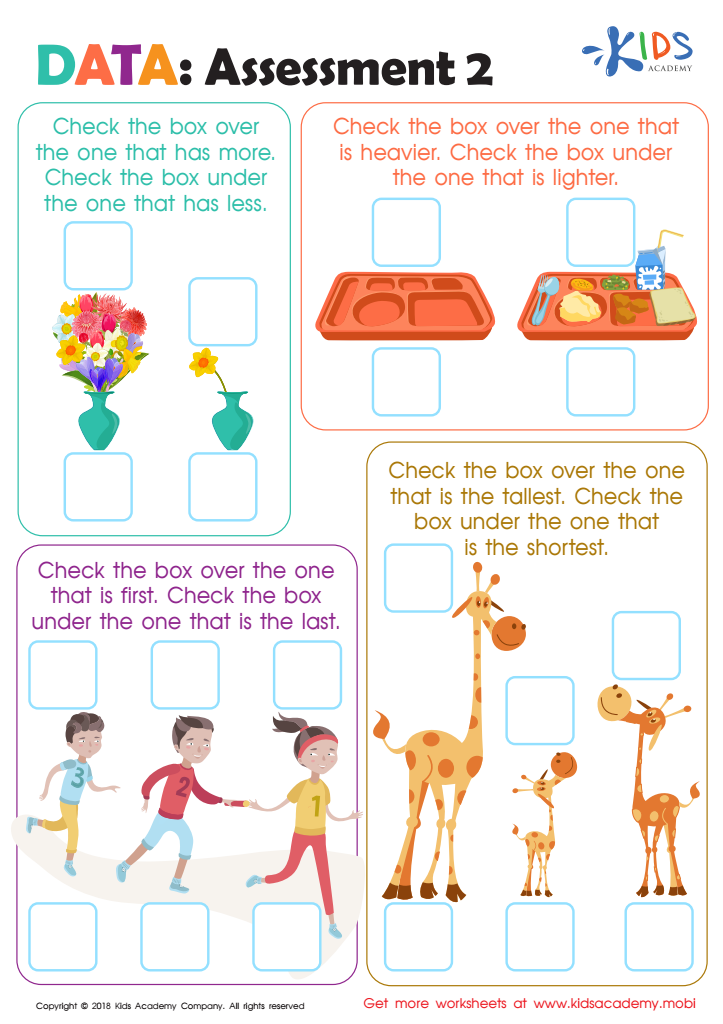
Data: Assessment 2 Worksheet
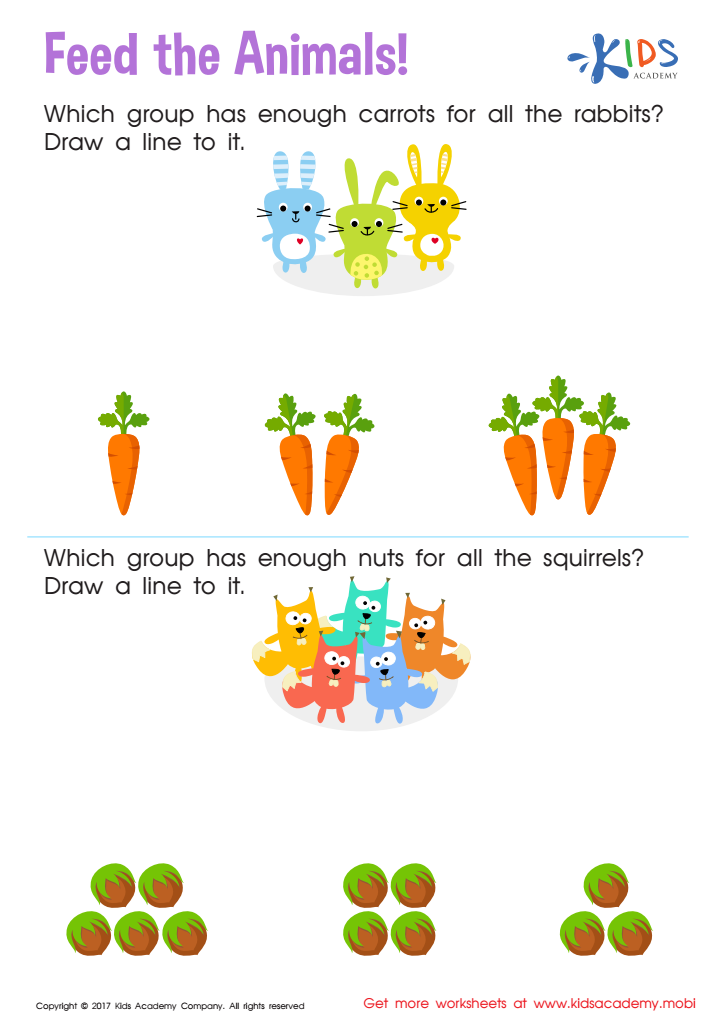
Count and Match: Feed the Animals Worksheet
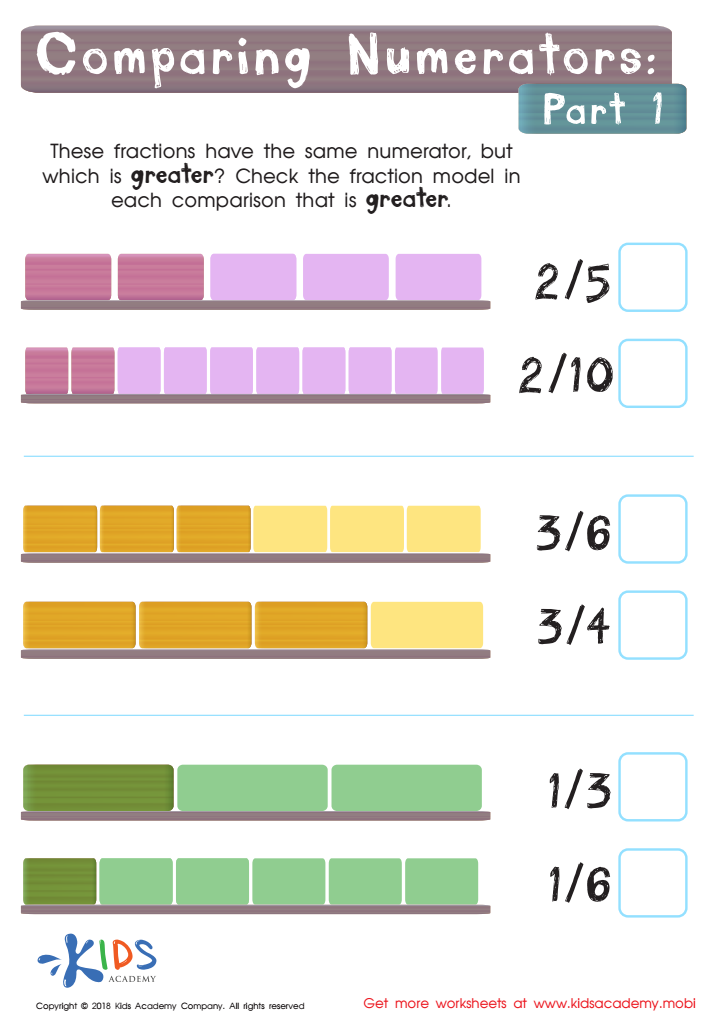
Comparing Numerators Part 1 Worksheet







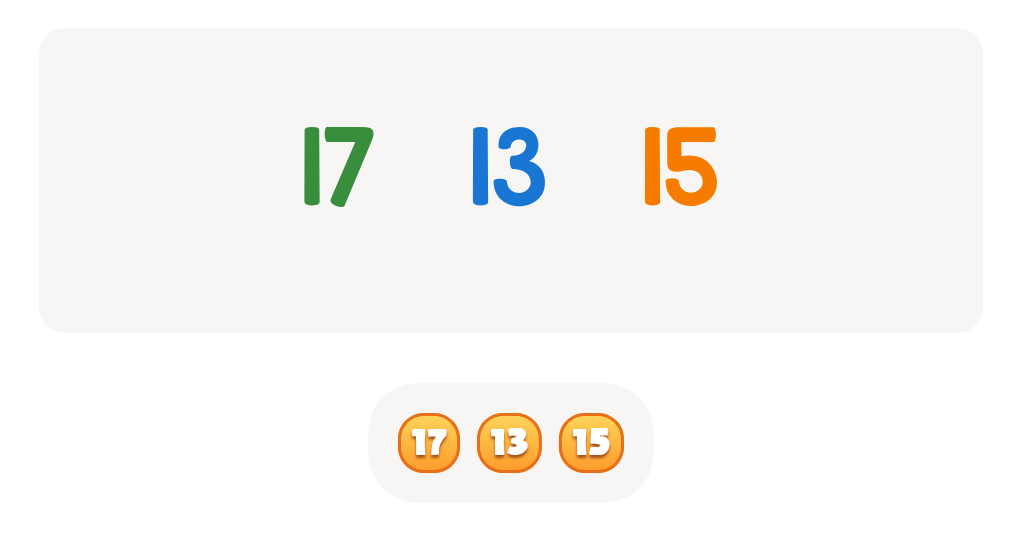
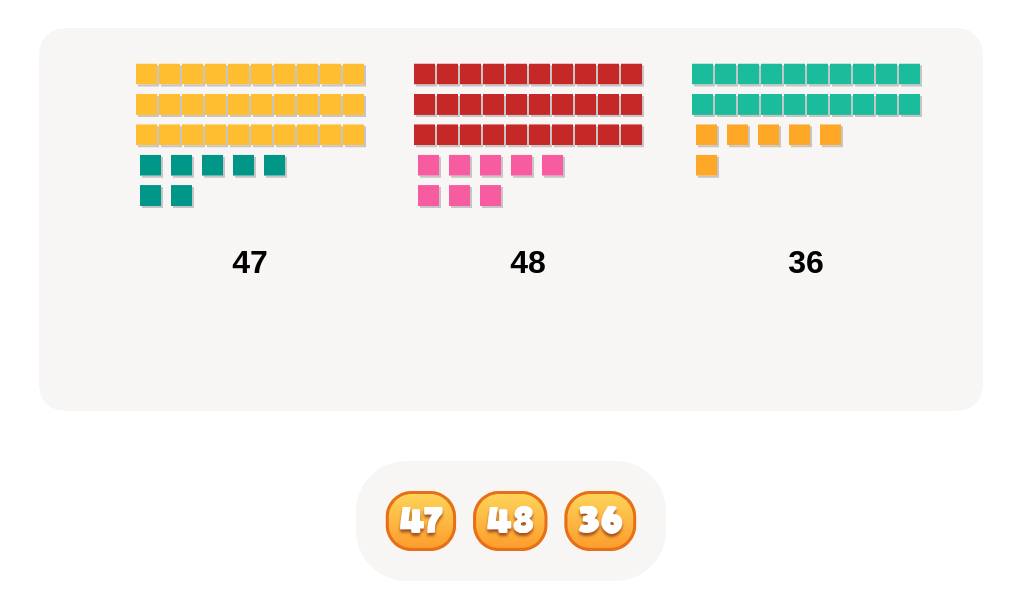
Comparing numbers is a foundational mathematical skill that significantly impacts children’s cognitive development, especially for those ages 6-9. At this formative age, children are not just learning to count, but are beginning to understand the concepts of magnitude and quantity, which are crucial for future mathematical reasoning.
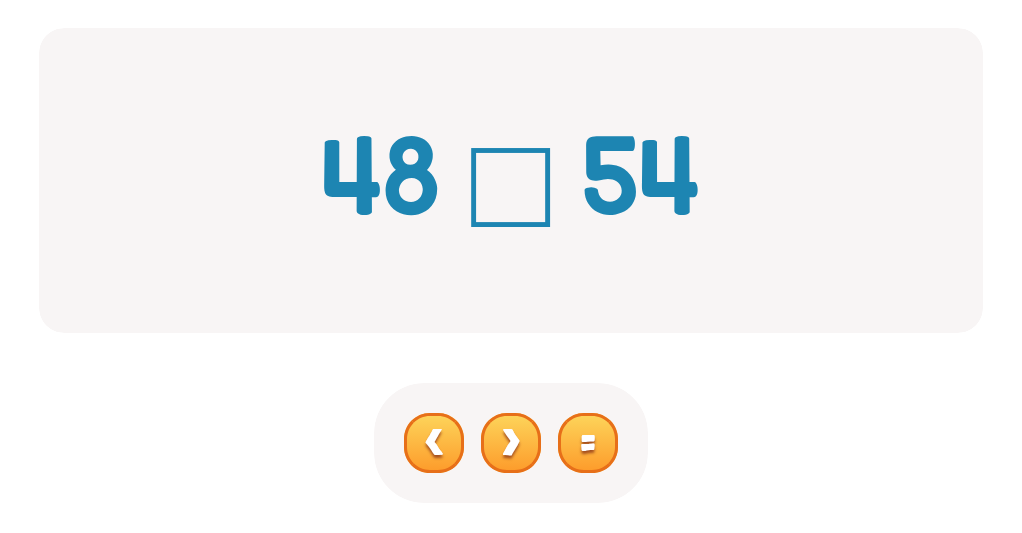
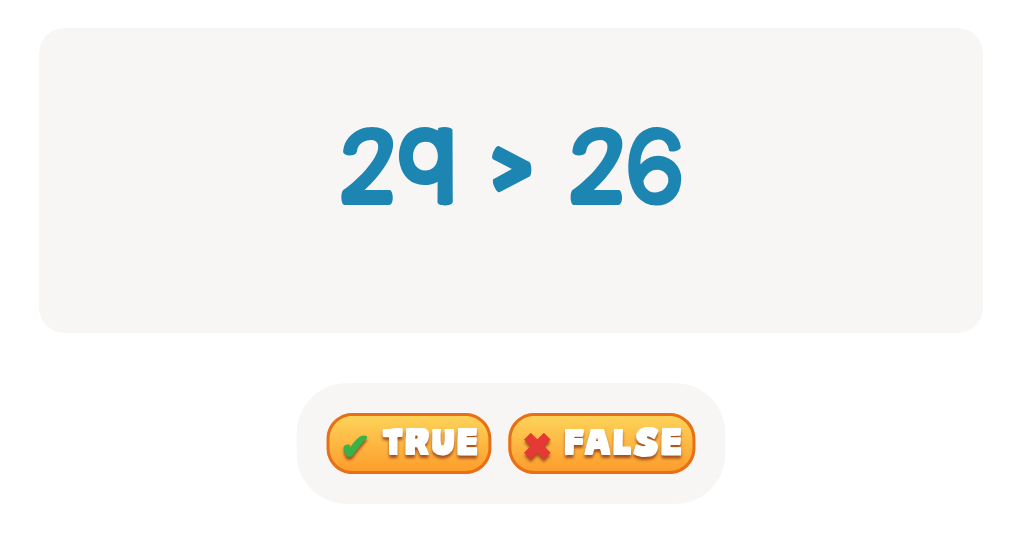
First, comparing numbers helps children build a strong number sense. It enables them to understand greater than, less than, and equal to, which fosters their ability to make connections between different numbers and comprehend the relationships within mathematical concepts. This understanding lays the groundwork for more complex operations, such as addition, subtraction, multiplication, and division.
Moreover, when parents and teachers emphasize number comparison, it enhances critical thinking and problem-solving abilities. Kids engage in discussions and reasoning about which numbers are larger or smaller, promoting communication skills and mathematical language.
Additionally, the skills learned through comparing numbers extend beyond math. They teach children to analyze information, an essential skill that is applicable in reading comprehension, science, and everyday decision-making. Encouraging number comparison not only enriches their mathematical understanding but also equips them with the analytical tools necessary for success in school and beyond. Therefore, both parents and teachers should prioritize this vital skill in their educational approach.








