Numbers up to 100 Worksheets for Ages 6-9 - Page 3
50 filtered results
-
From - To
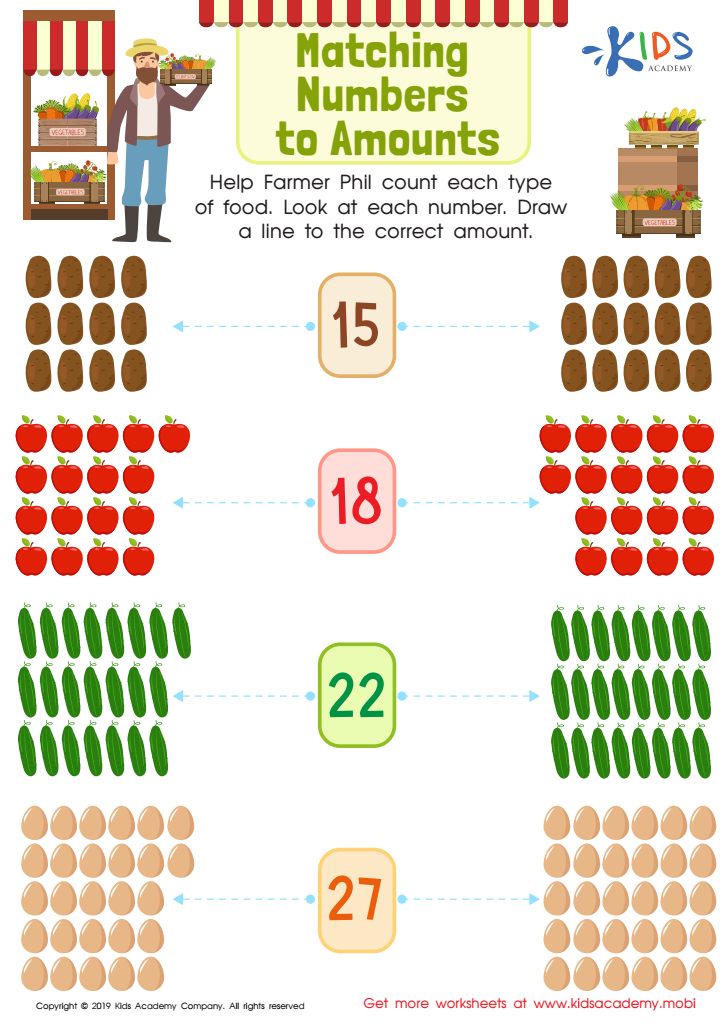
Matching Numbers to Amounts Worksheet
 Assign to My Students

Counting on the City Skyline: Dot-to-Dot Worksheet





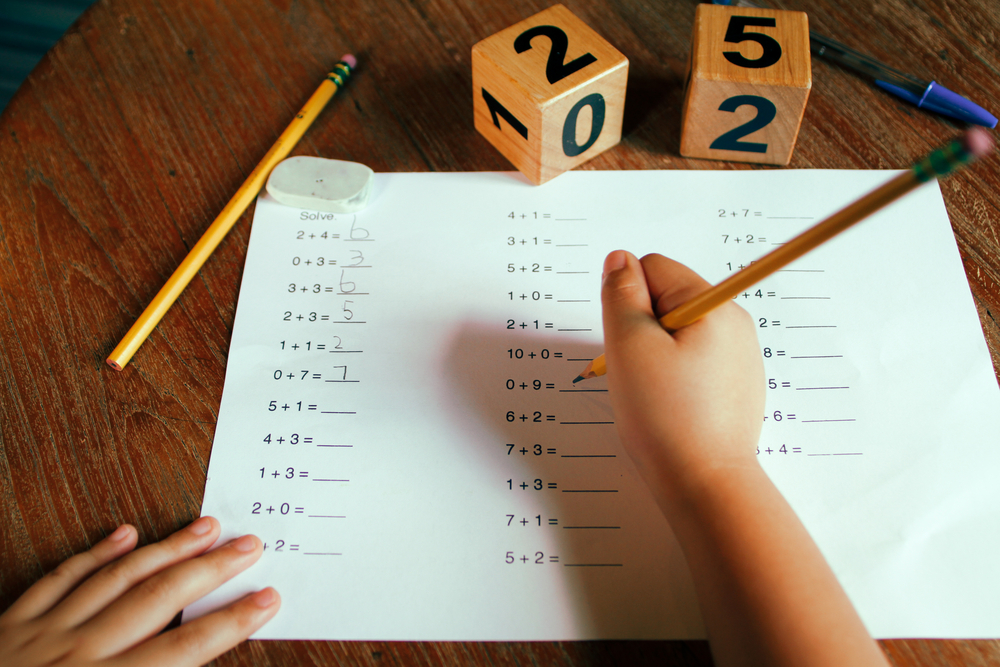


Understanding numbers up to 100 forms the foundation for essential math skills in children aged 6-9. This age range is crucial for cognitive development, as children transition from basic counting to more complex mathematical concepts. Mastering numbers up to 100 helps in several ways:
-
Number Sense: Recognizing and working with numbers up to 100 develops a strong number sense. This includes understanding the value of numbers, relationships between numbers, and their relative positions.
-
Arithmetic Skills: Basic operations like addition, subtraction, and even early multiplication and division concepts are built on the understanding of numbers up to 100. Kids use these skills in daily problem-solving, fostering logical thinking.
-
Place Value Comprehension: Grasping the concept of place value (units, tens) is simpler when numbers are smaller and more manageable. This knowledge is pivotal as it underpins all higher arithmetic operations and helps in performing operations accurately.
-
Confidence Boost: Successfully managing numbers within this range builds confidence and prepares children for more advanced math challenges. It eases their transition into more complex topics.
-
Real-Life Applications: Encountering numbers up to 100 in real-life situations, like counting objects, money, or days, enhances children’s ability to connect classroom learning with their environment.
Parents and teachers laying a robust numerical foundation ensure that children develop positively, not just in math but in critical problem-solving skills applicable across various subjects and life scenarios.