Easy Punctuation Worksheets for Ages 3-4
4 filtered results
Difficulty Level
Grade
Age
-
From - To
Subject
Activity
Standards
Welcome to our Easy Punctuation Worksheets for Ages 3-4! Designed to introduce your little learners to the basics of punctuation in a playful and engaging way, these worksheets foster early writing skills and boost confidence. Each activity uses age-appropriate concepts, making it fun for kids to practice recognizing periods, question marks, and exclamation points. With colorful illustrations and simple exercises, our worksheets help children understand how punctuation enhances their writing. Perfect for parents and educators aiming to support literacy development, our resources encourage creativity and essential skills in a friendly and supportive learning environment. Start the punctuation adventure today!
Favorites
With answer key
Interactive
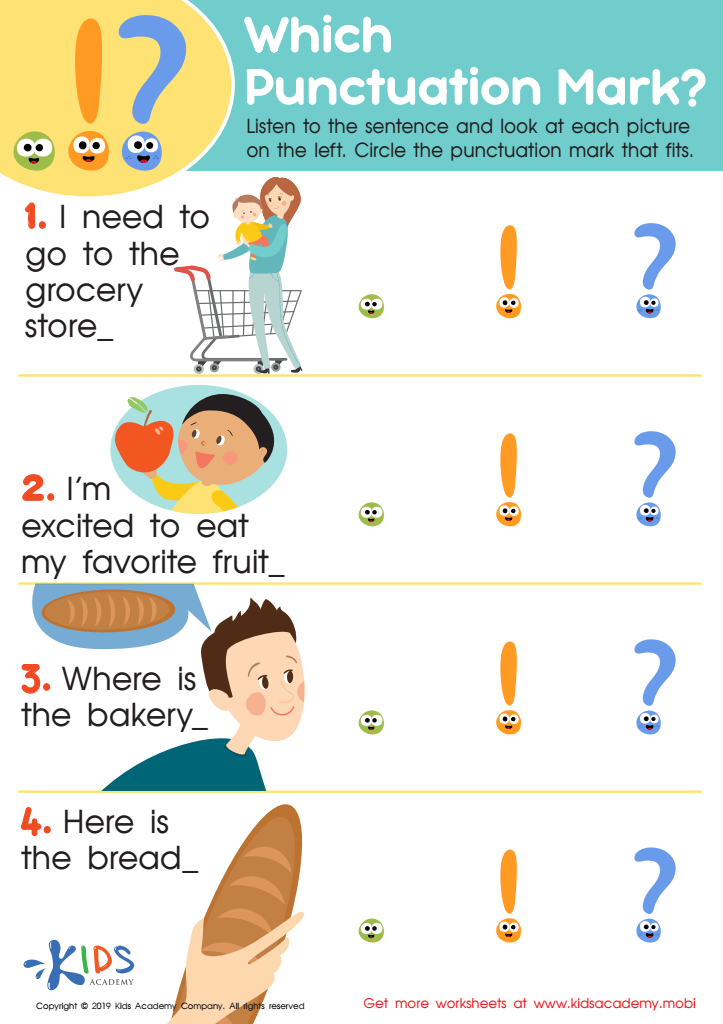
Which Punctuation Mark Worksheet
Punctuation marks are essential for expressing what we say. This worksheet asks your kindergarten student to circle the correct punctuation mark for each sentence. Read each sentence aloud and help them identify the expression needed. A picture accompanies each sentence. Enjoy! (79 words)
 Assign to My Students
Which Punctuation Mark Worksheet
Worksheet
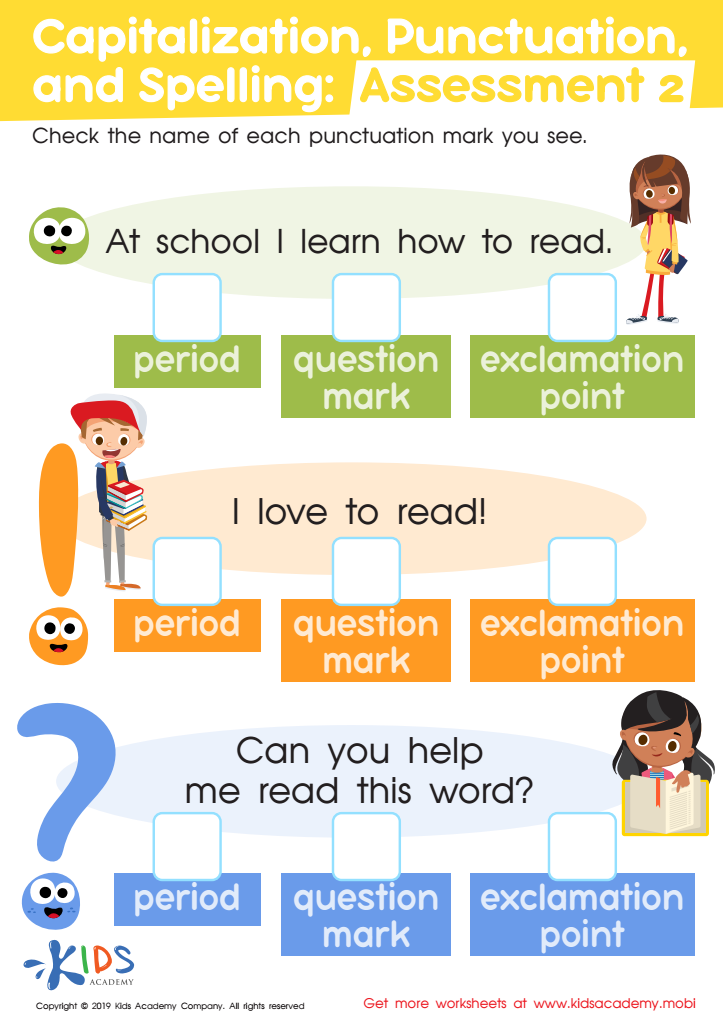
Capitalization. Punctuation. Spelling: Assessment 2 Worksheet
Teach your kids the basics of punctuation. Ask them to name the punctuation marks they know and review a worksheet together. Start with the full stop, question mark and exclamation mark. Show them examples and explain the differences between a comma and semi colon. Teaching proper use of punctuation marks is key to their development.
Capitalization. Punctuation. Spelling: Assessment 2 Worksheet
Worksheet
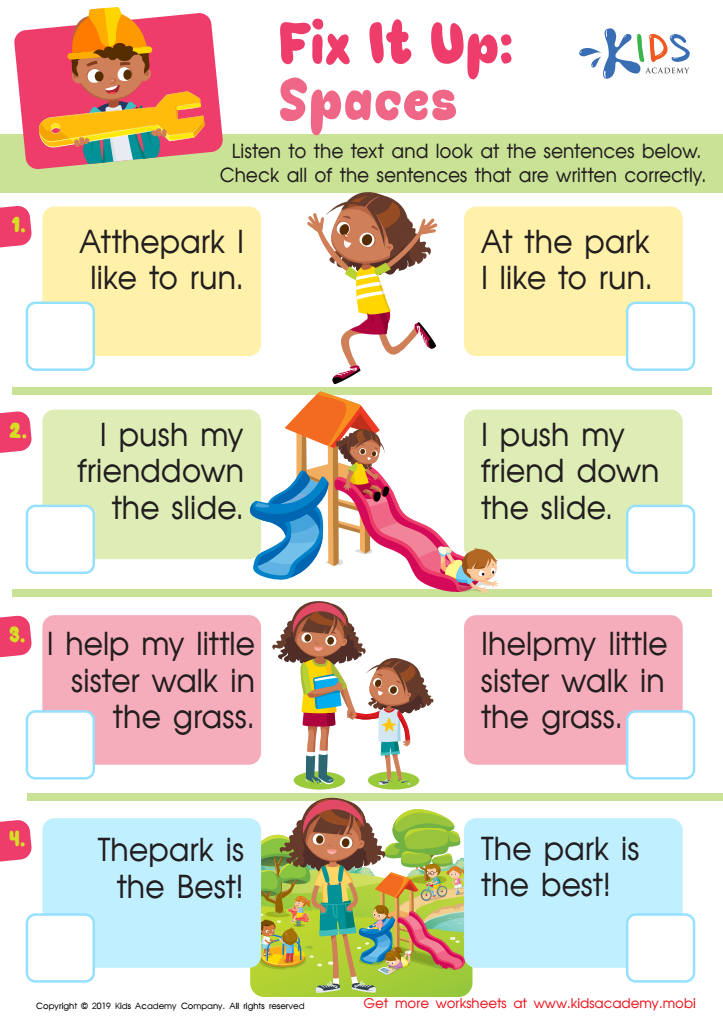
Fix Spaces Worksheet
Encourage kids to check sentences in the worksheet for proper spacing. Explain that clear, orderly writing needs spaces between words, otherwise words can become jumbled and hard to understand. Show them how to identify correctly spaced sentences.
Fix Spaces Worksheet
Worksheet
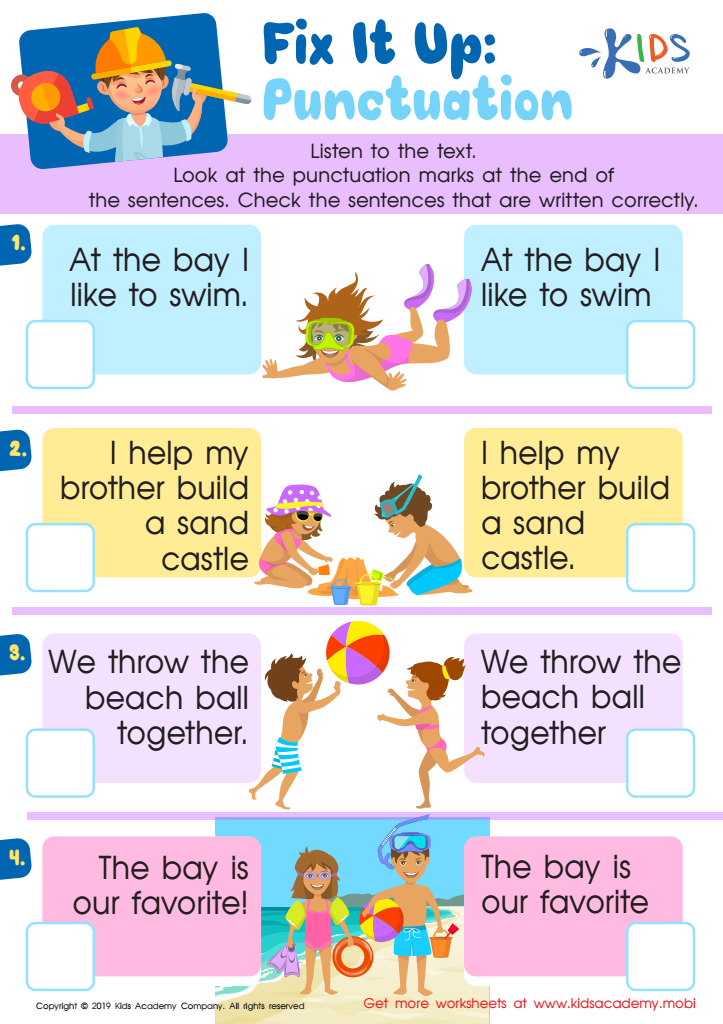
Fix Punctuation Worksheet
Have your kids tell you which punctuation marks they know before using this colorful worksheet. Read the sentences together and ask them to identify which are correctly punctuated. Guide them to check their answers. This simple activity helps teach kids to use punctuation correctly.
Fix Punctuation Worksheet
Worksheet
Join Kids Academy for Free
Who is primarily going to use this learning content?



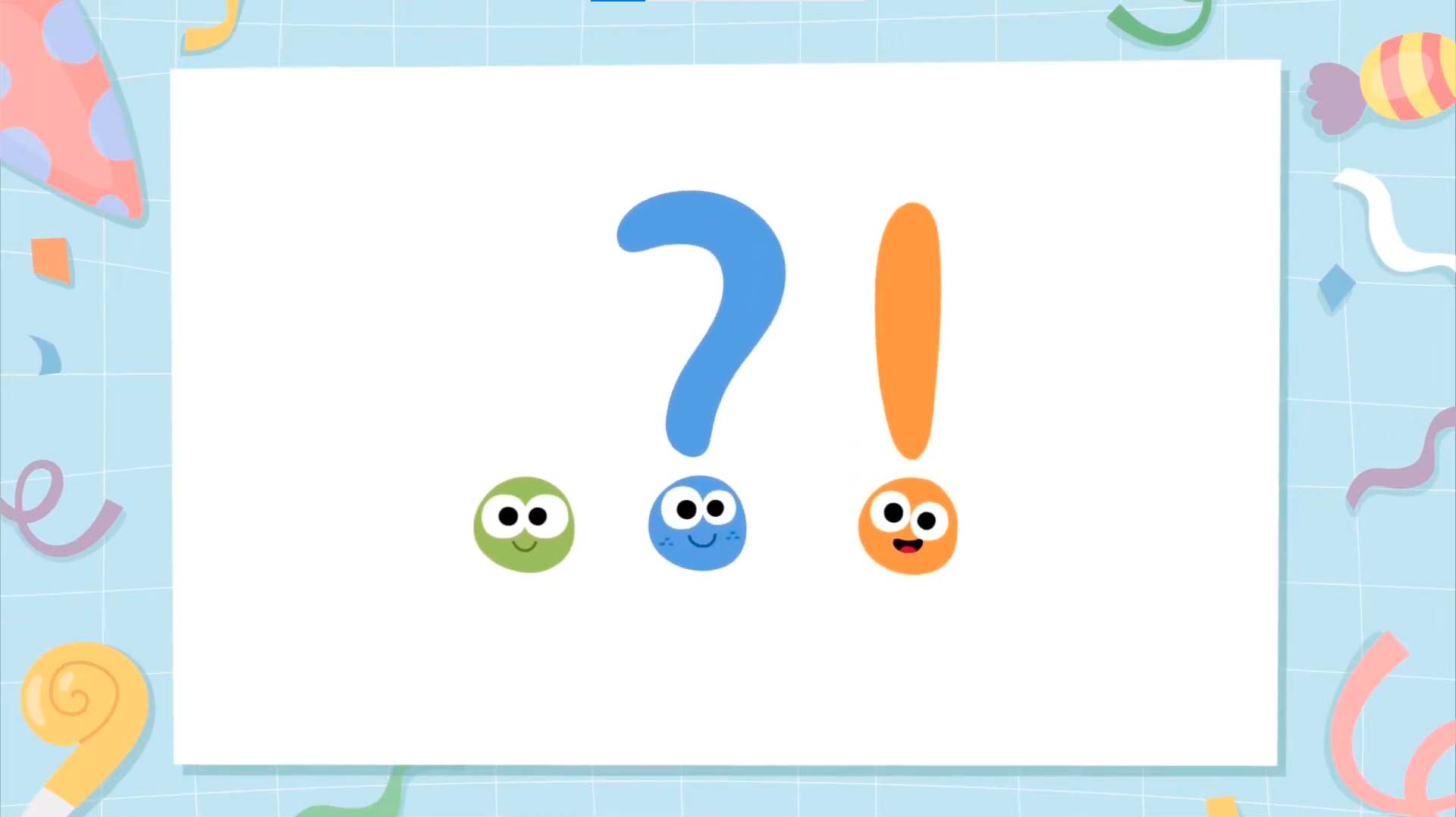

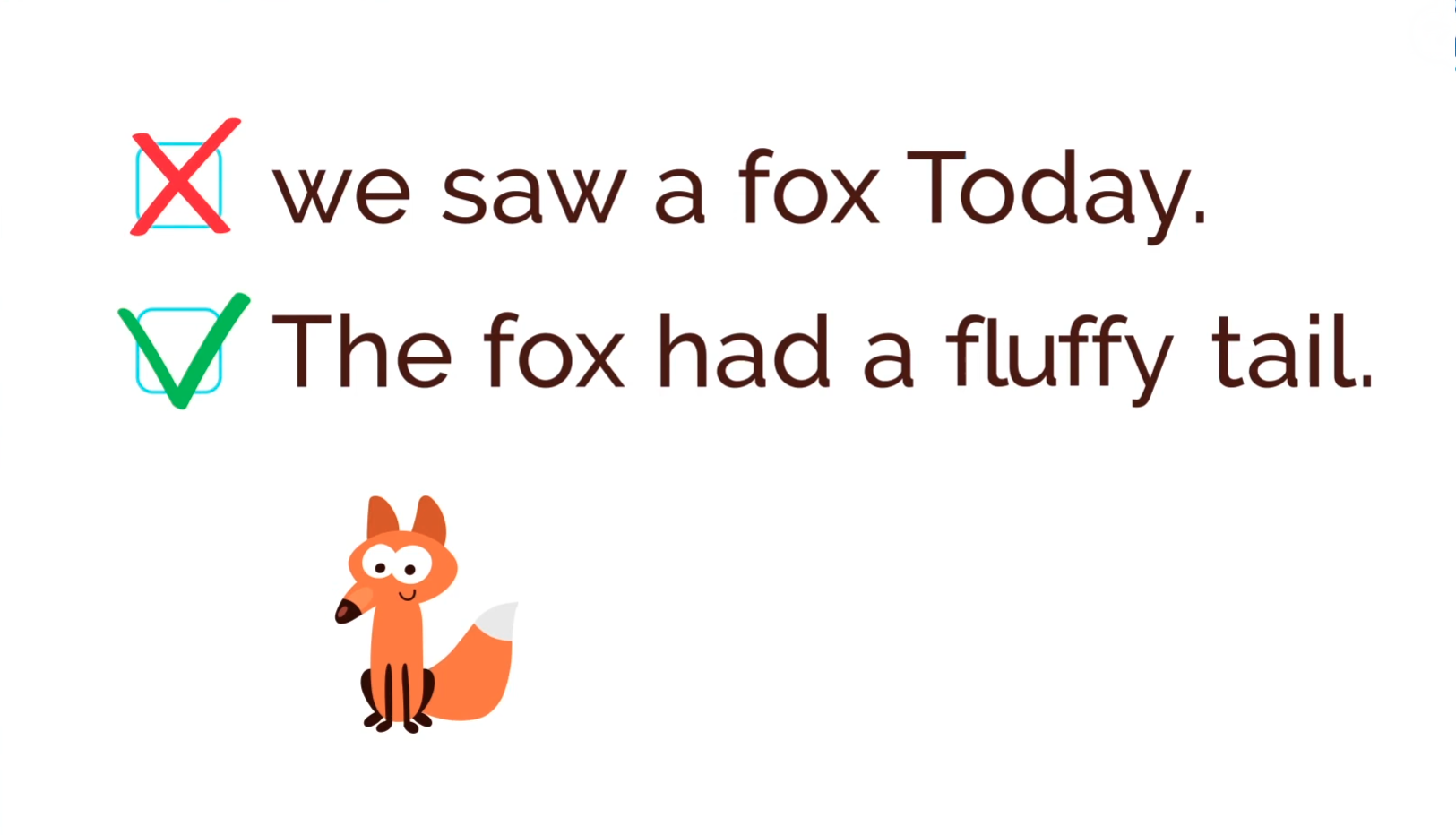


Parents and teachers should care about Easy Punctuation for Ages 3-4 because it lays a foundational understanding of written language that will benefit children's literacy development. Introducing punctuation at this early stage enhances children's awareness of sentence structure, contributing to better reading and writing skills. When children learn about periods, question marks, and exclamation marks, they begin to grasp how punctuation affects meaning and tone in communication.
Engaging activities, such as interactive games and storytelling, make learning punctuation fun, fostering a positive attitude toward literacy. Early exposure also reinforces the connection between oral and written language, helping children express themselves clearly. Additionally, understanding punctuation helps prevent confusion in both reading comprehension and writing, as children learn to interpret different types of sentences.
Moreover, teaching punctuation at this age amplifies children's ability to follow instructions and engage in dialogue, essential skills for future academic success. By integrating Easy Punctuation into their early learning experiences, parents and teachers cultivate a culture of literacy, empowering children to become confident communicators. As they develop these skills early on, they build a solid foundation for lifelong learning and effective communication.