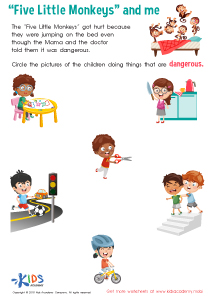
Easy Building Vocabulary Worksheets for Ages 3-6 - Page 2
27 filtered results
-
From - To
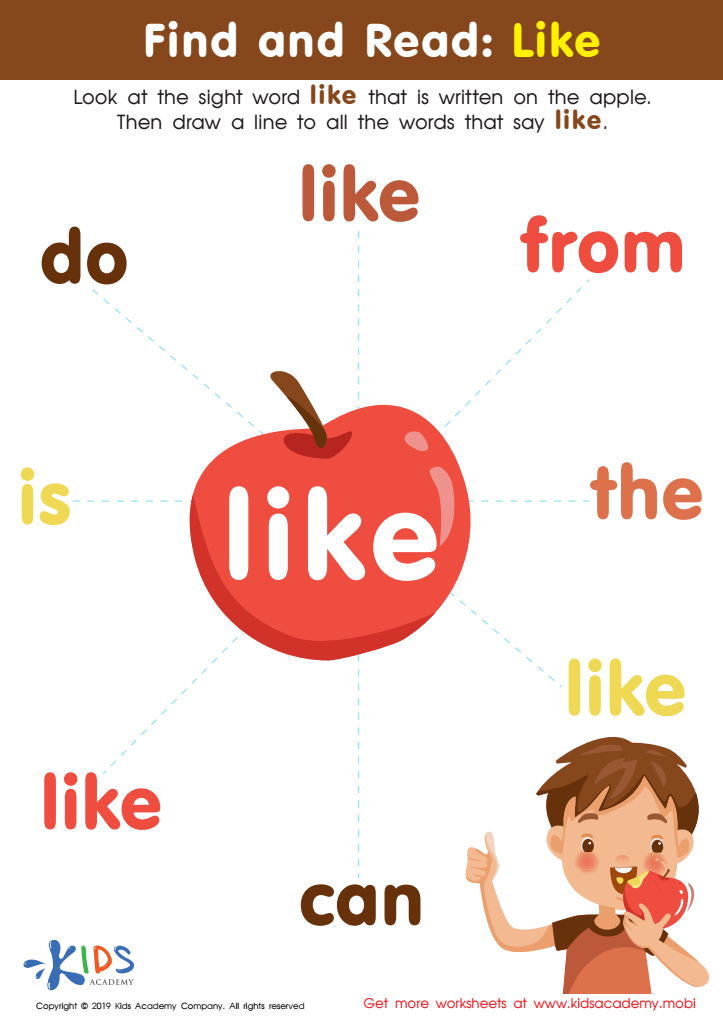
Find and Read: Like Worksheet
 Assign to My Students











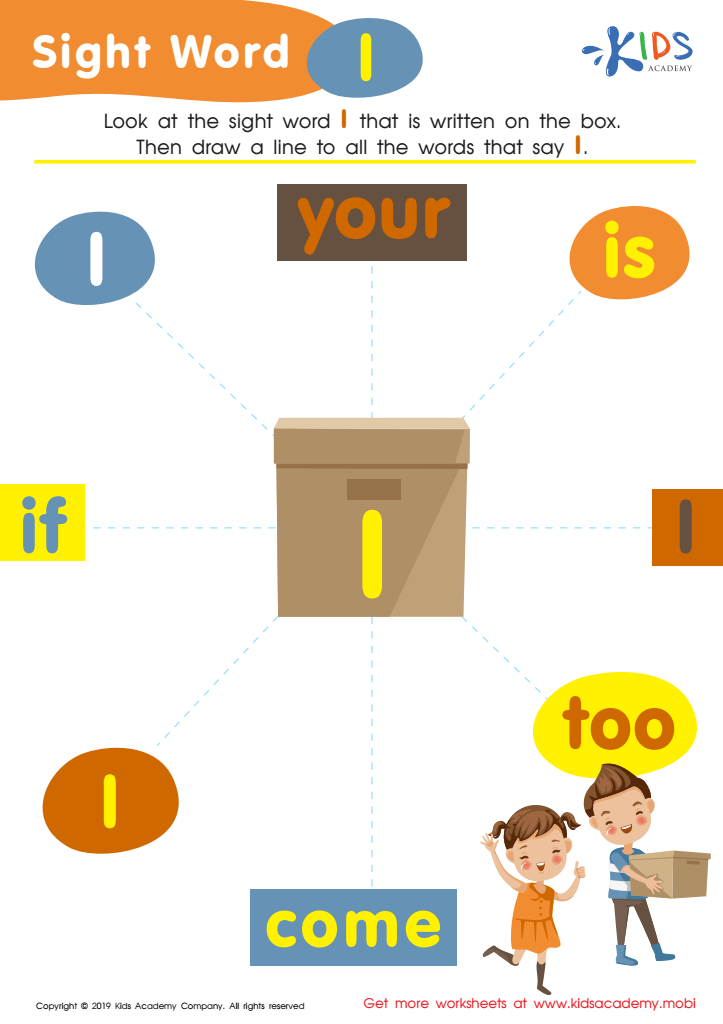
Sight Word I Worksheet
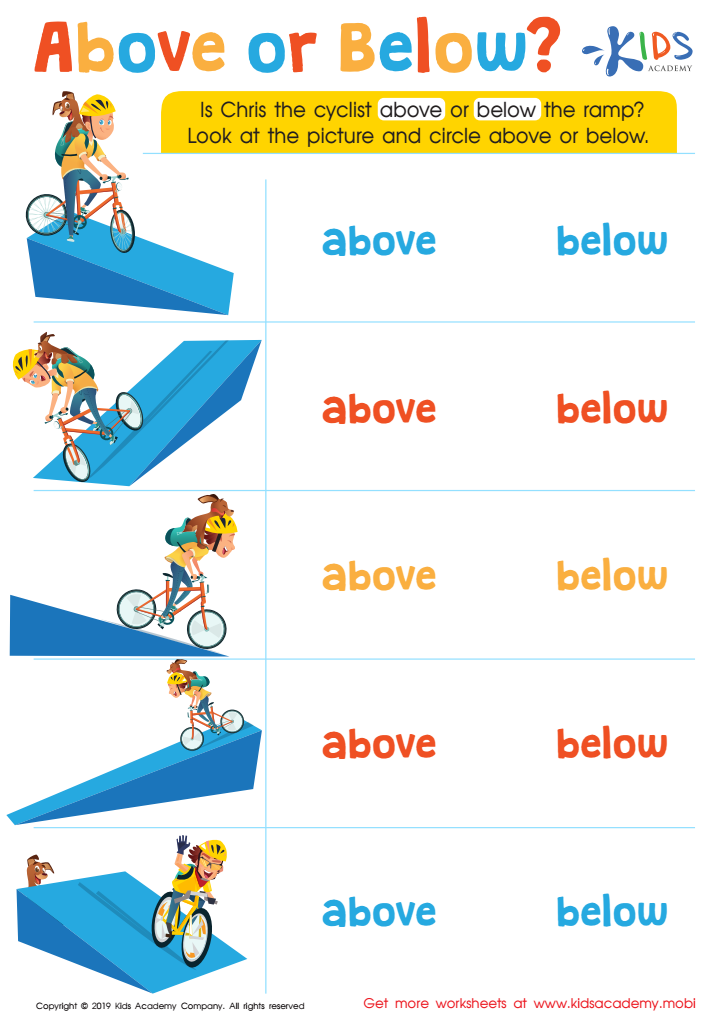
Above or Below? Worksheet




.jpg)


Building vocabulary in young children aged 3-6 is crucial for their overall development and future success. During these formative years, children are like sponges, absorbing language and expanding their communication skills at a rapid pace. A strong vocabulary not only enhances their ability to express thoughts and feelings but also lays the groundwork for reading and writing proficiency later on.
Parents and teachers play a vital role in this process. Engaging activities that promote vocabulary development, such as storytelling, reading aloud, and interactive conversations, allow children to encounter new words in context. This encourages exploration and curiosity, fostering a love for learning. Moreover, a rich vocabulary aids cognitive development, enabling children to categorize their experiences and understand more complex concepts.
Additionally, a strong vocabulary boosts children's self-esteem and social skills, as they can articulate their ideas and engage in meaningful conversations with peers and adults. It is essential for educators and parents to cultivate an environment where children feel safe to experiment with language. By prioritizing vocabulary building, adults can empower young learners, ensuring they are well-equipped for academic challenges ahead and capable of effective communication in their daily lives.