Easy Sorting Worksheets for Ages 3-9
5 filtered results
-
From - To
Discover an engaging collection of Easy Sorting Worksheets designed for children aged 3-9! Our visually appealing and interactive activities help young learners develop essential sorting skills, enhancing their cognitive abilities and foundational math concepts. With a variety of themes and difficulty levels, these worksheets are perfect for preschool and elementary classrooms or for independent practice at home. For children to recognize patterns, categorize objects, and improve their organizational skills, these easy-to-follow resources create a fun learning environment. Best of all, they are printable and accessible, ensuring hours of educational enjoyment. Start sorting for success today!
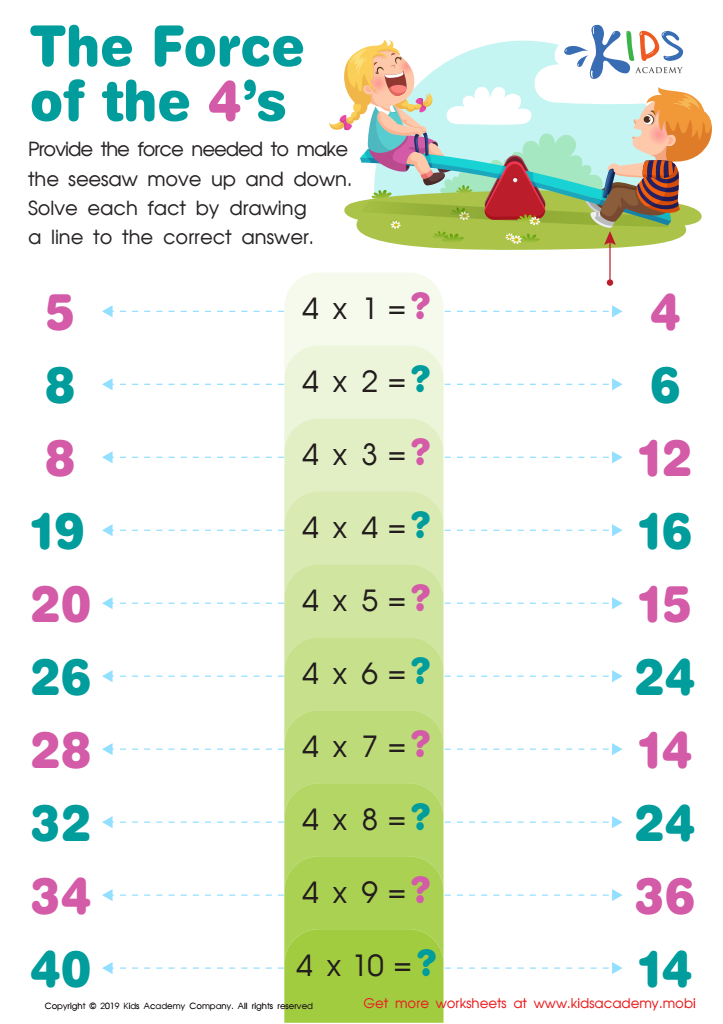
The Force of the 4's Worksheet
 Assign to My Students
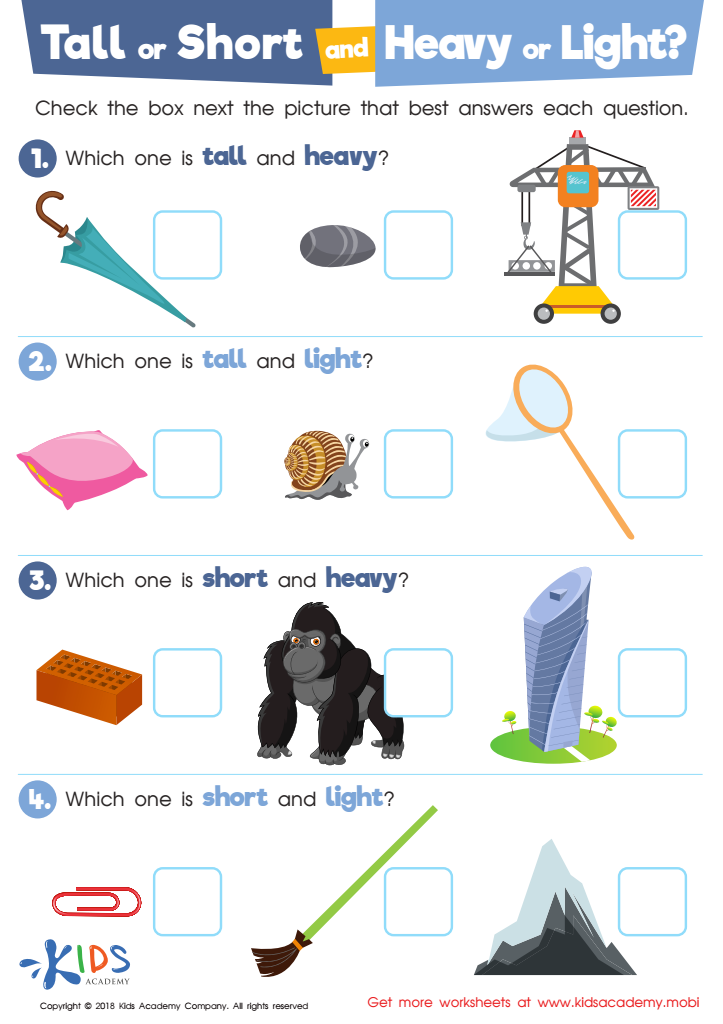
Tall or Short and Heavy or Light? Worksheet
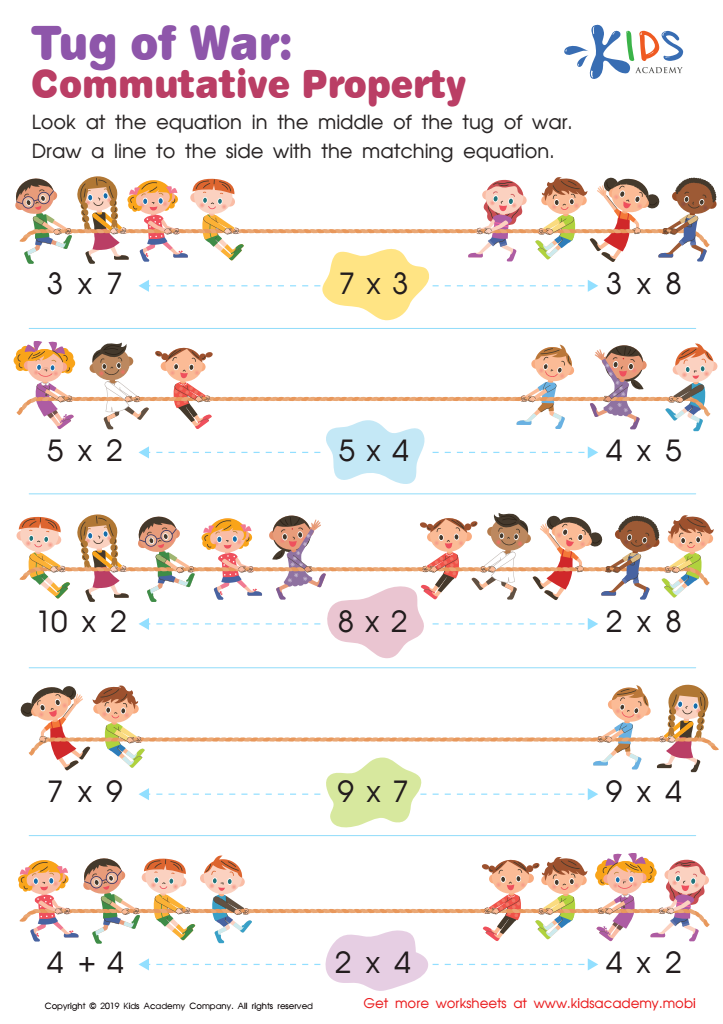
Tug of War: Commutative Property Worksheet
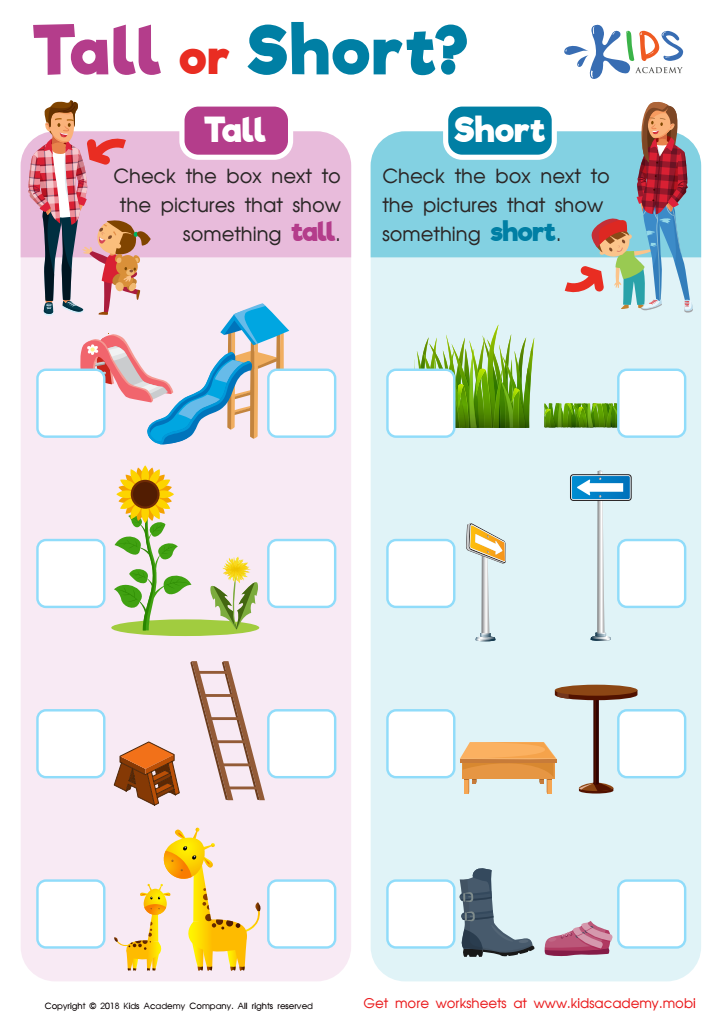
Tall or Short? Worksheet
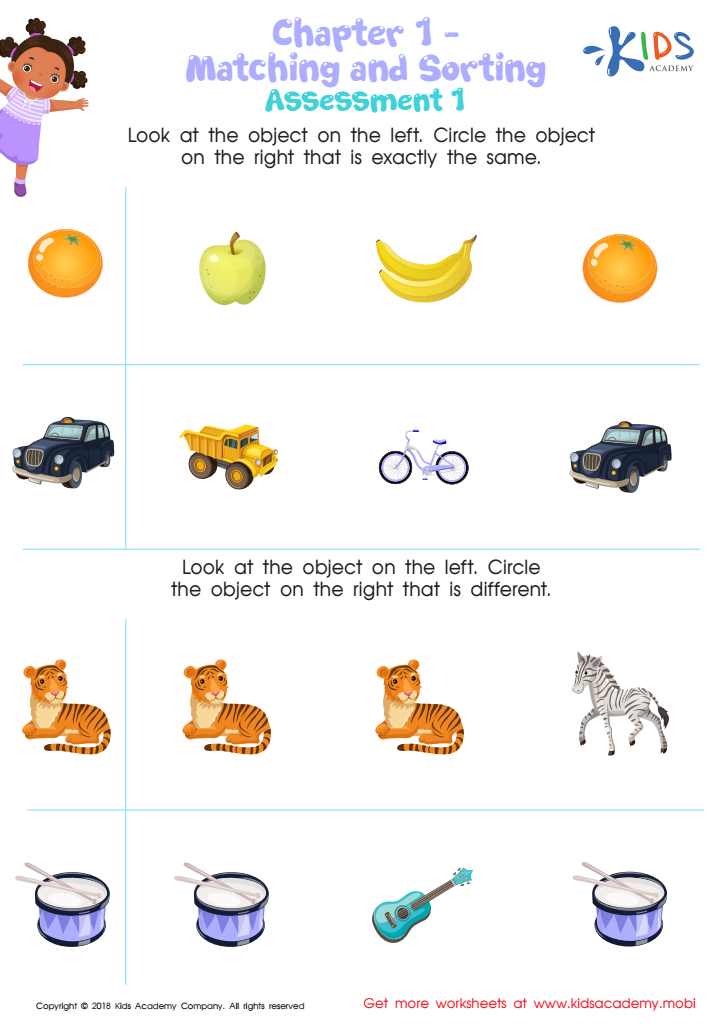
Matching and Sorting for Preschool: Assessment 1 Worksheet








Easy Sorting is a crucial developmental activity for children aged 3-9, offering numerous educational benefits that should concern both parents and teachers. At this early age, children are rapidly developing cognitive and motor skills. Engaging in sorting activities helps enhance critical thinking and problem-solving abilities by encouraging children to categorize and identify patterns, fostering information processing skills.
Sorting promotes fine motor skill development as children manipulate objects, which is vital for later skills such as writing. Furthermore, it builds foundational math concepts like classification, comparison, and counting. Working with various materials aids sensory development, making learning more interactive and engaging.
Easy Sorting also fosters social skills. When children work together in sorting activities, they learn to communicate, share ideas, and collaborate, which are essential skills for their social development. Additionally, these activities can be tailored to individual interests, making learning personalized and fun.
By incorporating Easy Sorting into play or education, parents and teachers can create a nurturing environment that supports holistic child development. Ultimately, understanding its value ensures children gain confidence and competence, setting the stage for future learning success. In this way, Easy Sorting is not just a playful pastime but an integral part of early childhood education.








