Easy Reading Comprehension Worksheets for Ages 3-9 - Page 3
58 filtered results
-
From - To
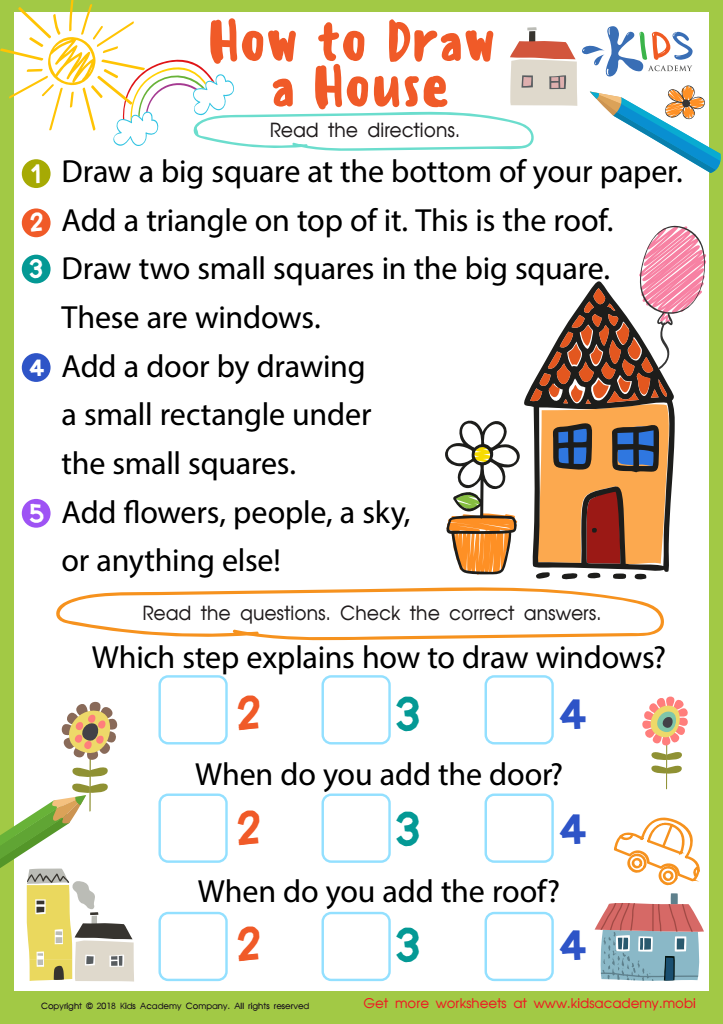
How to Draw House Worksheet
 Assign to My Students
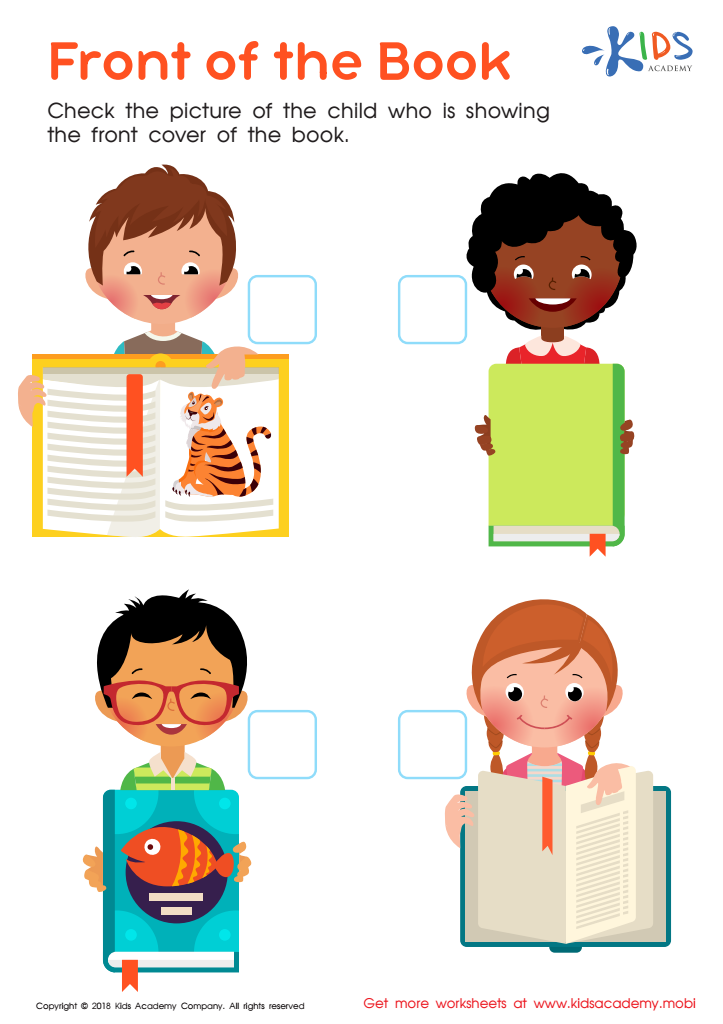
Front of the Book Worksheet
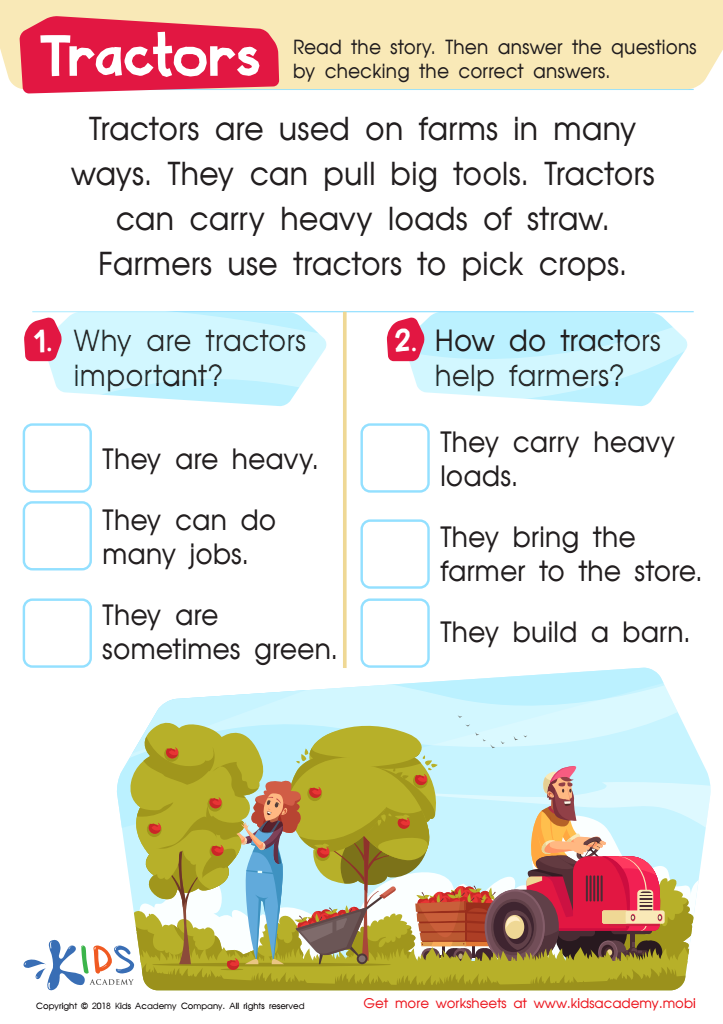
Tractors Worksheet
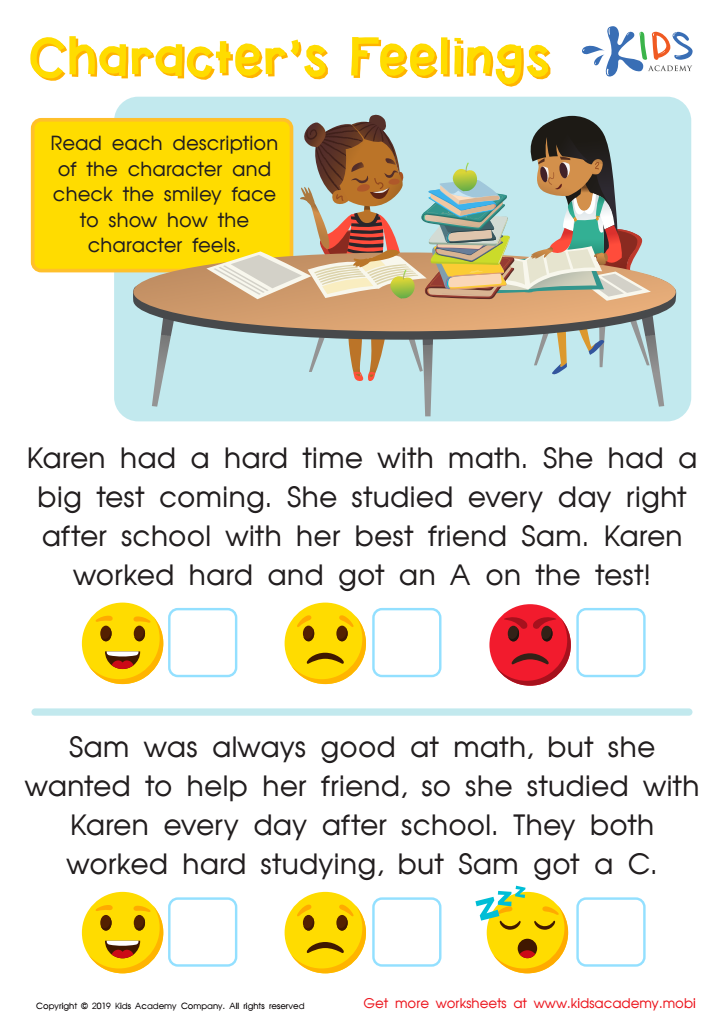
Character’s Feelings Worksheet
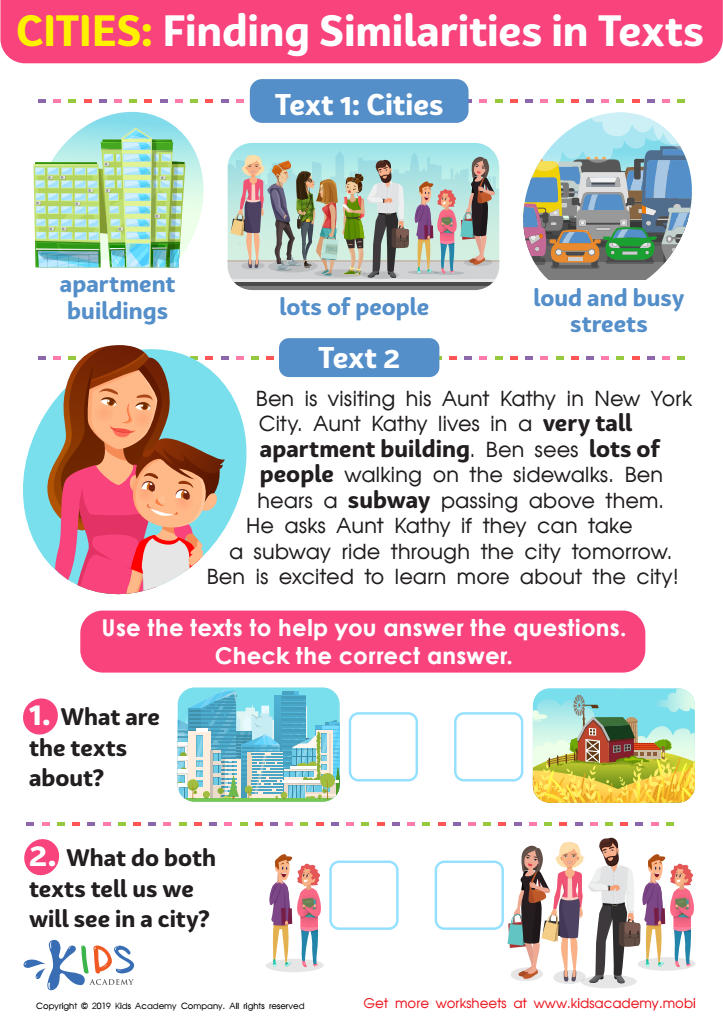
Cities: Finding Similarities Worksheet
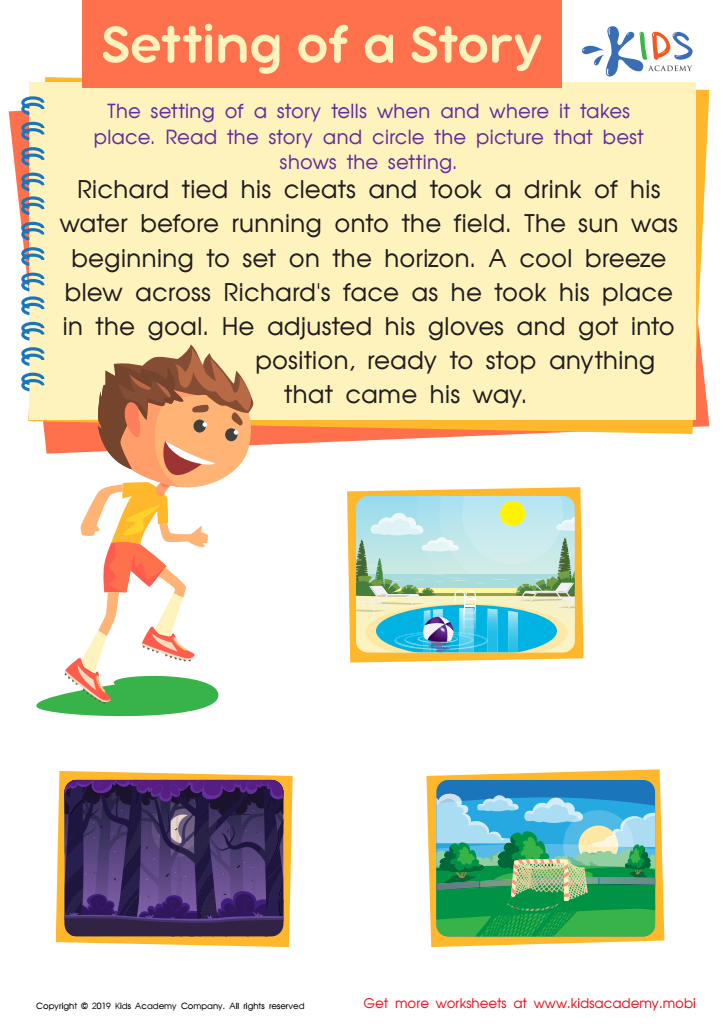
Setting of a Story Worksheet
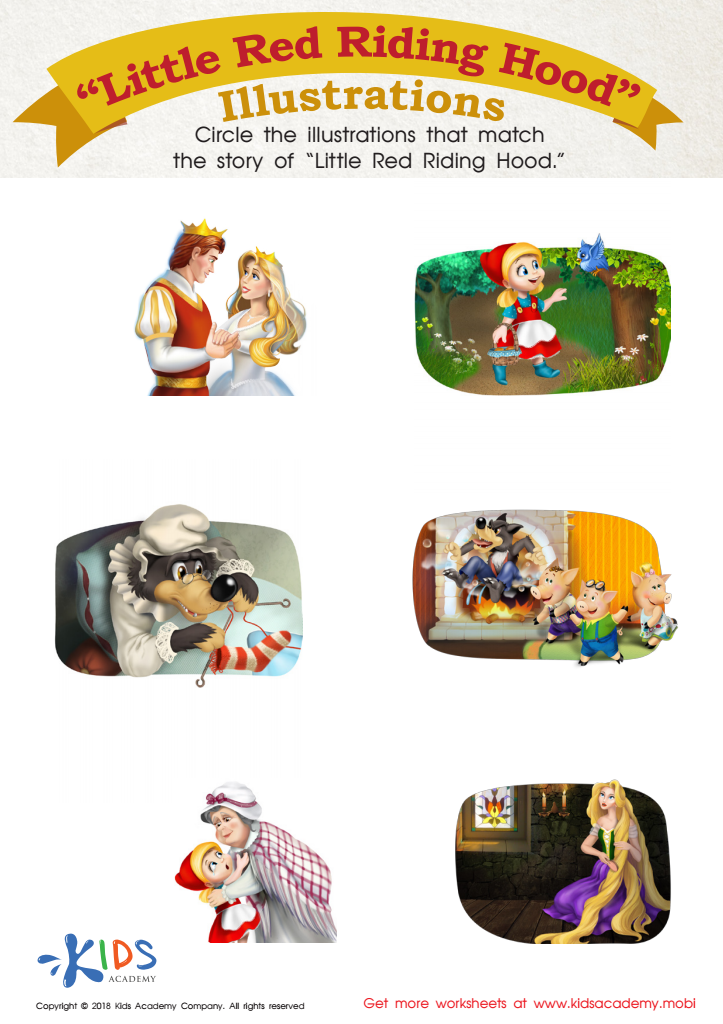
Little Red Riding Hood: Illustrations Worksheet
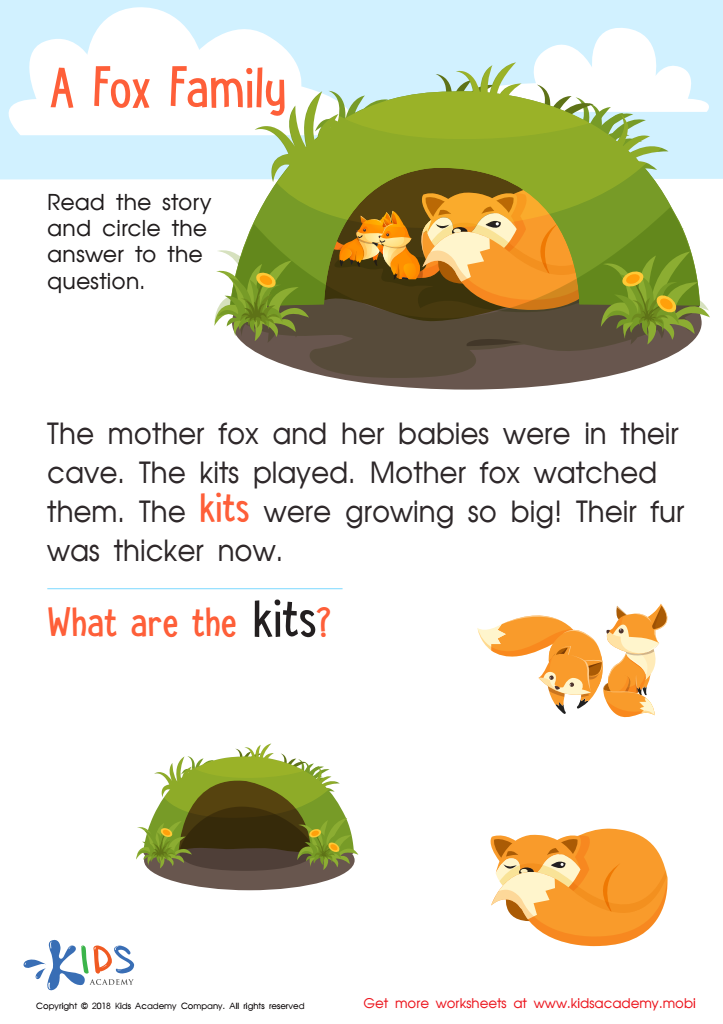
A Fox Family Worksheet
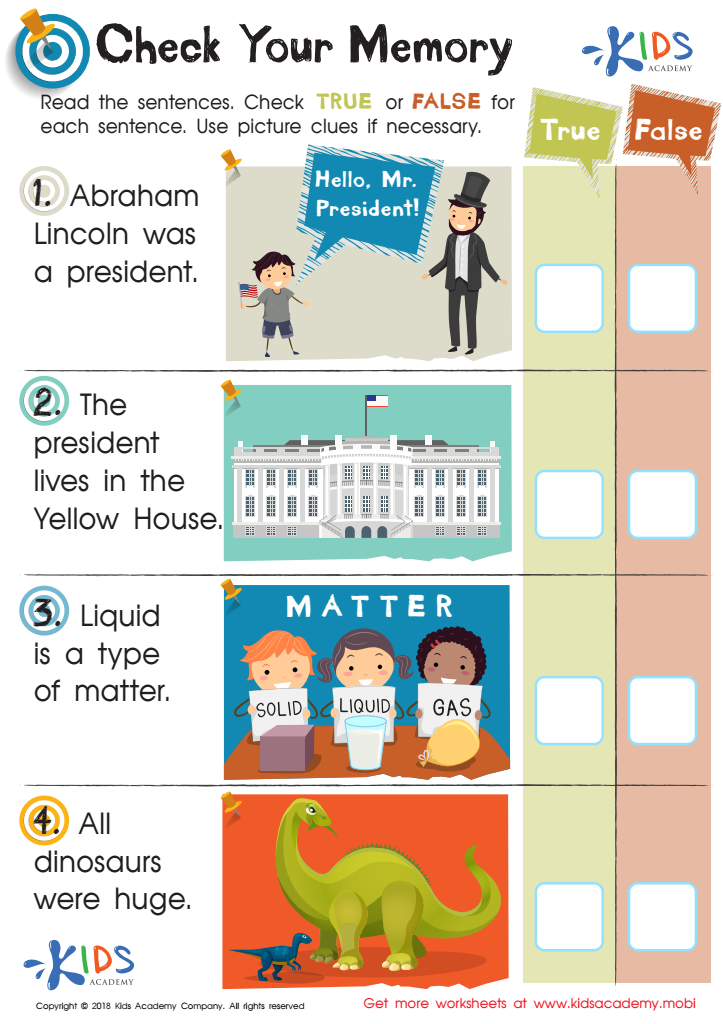
Check Memory Worksheet
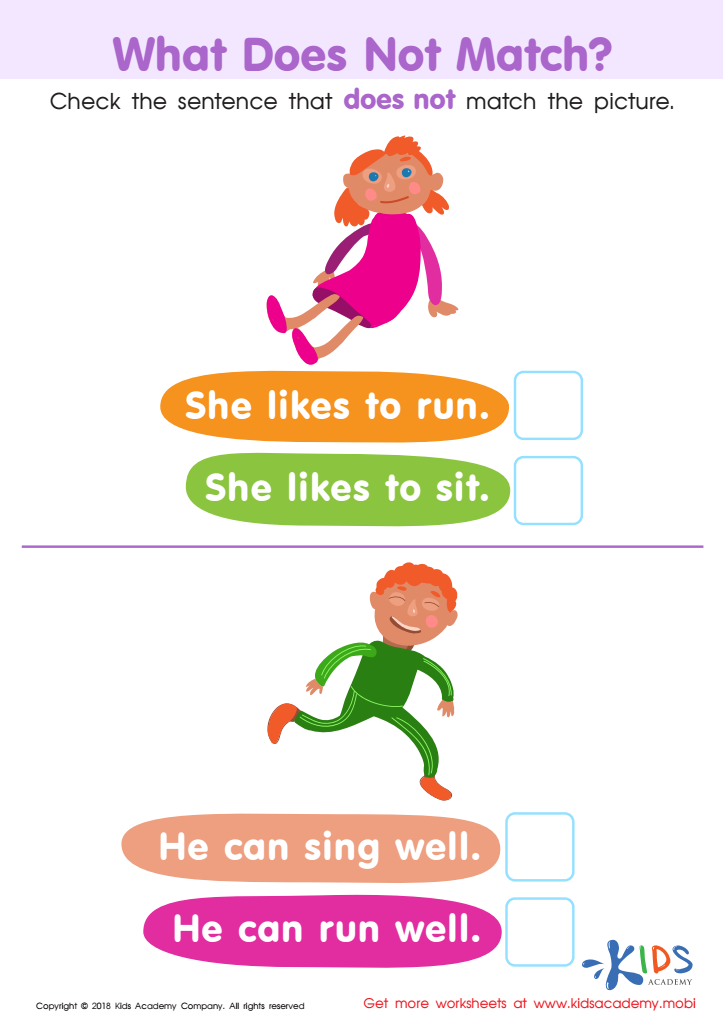
What Does Not Match? Worksheet


.jpg)





Parents and teachers should prioritize easy reading comprehension for children aged 3-9 because it serves as a foundational skill that greatly influences a child's educational journey and lifelong learning. At this critical developmental stage, children are beginning to build their literacy skills, and strong reading comprehension helps them make sense of stories, follow instructions, and engage with various texts.
Improved reading comprehension enhances vocabulary development, critical thinking, and creativity, enabling children to interpret ideas and concepts effectively. As children learn to understand what they read, their confidence grows, fostering a love for reading that is essential for academic success. Furthermore, effective comprehension strategies equip children with tools to decode texts, leading to better performance in subjects beyond literacy, such as science and social studies.
Teachers and parents can create enriching reading experiences by introducing age-appropriate materials and engaging activities, fostering discussions that encourage questions, predictions, and personal connections. Supporting reading comprehension in early education not only prepares students for future academic challenges but also instills a habit of curious and reflective thinking—skills essential for lifelong learning and active citizenship. Investing in these early comprehension abilities ultimately cultivates robust, informed individuals who are equipped to navigate and contribute to the world around them.