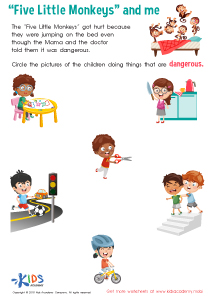
Easy Building Vocabulary Worksheets for Ages 4-7 - Page 2
34 filtered results
-
From - To
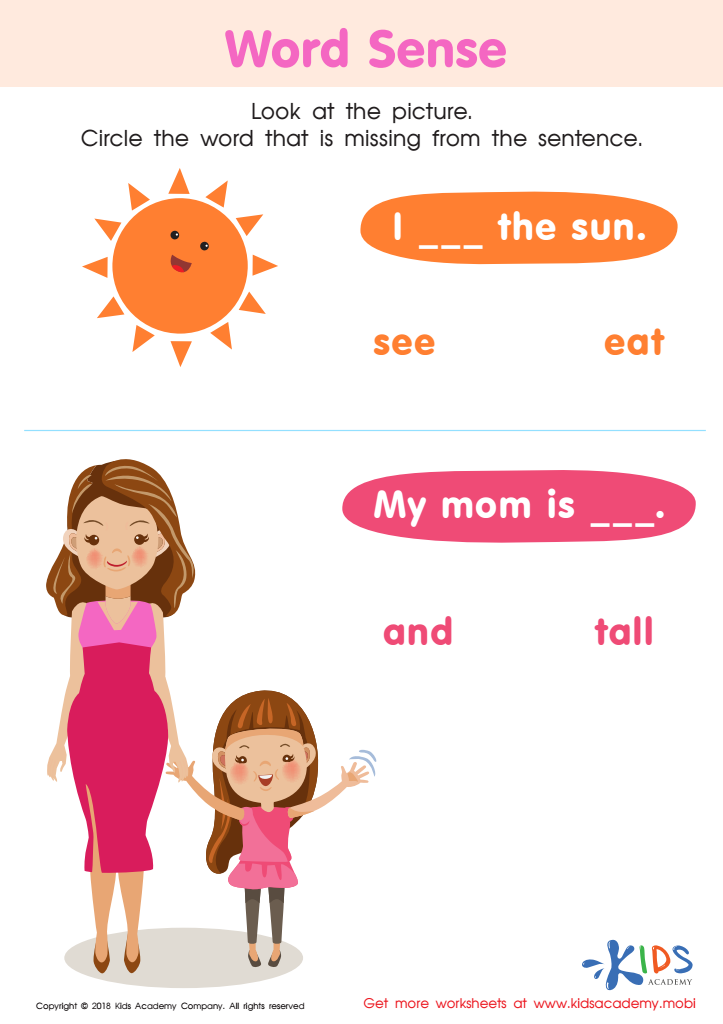
Word Sense Worksheet
 Assign to My Students











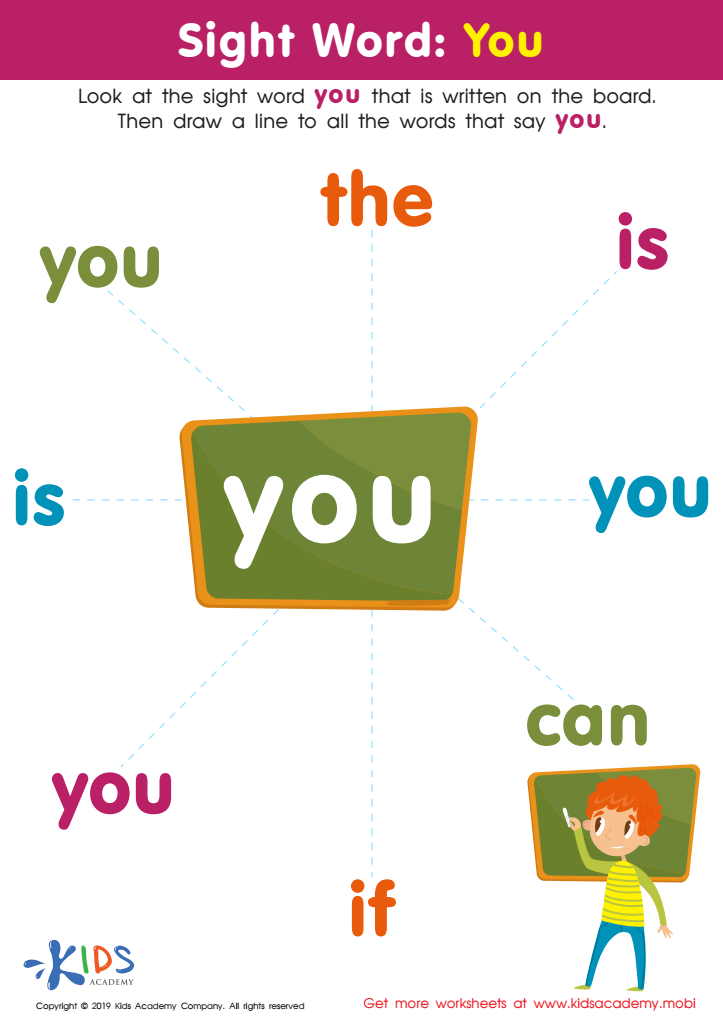
Sight Word You Worksheet
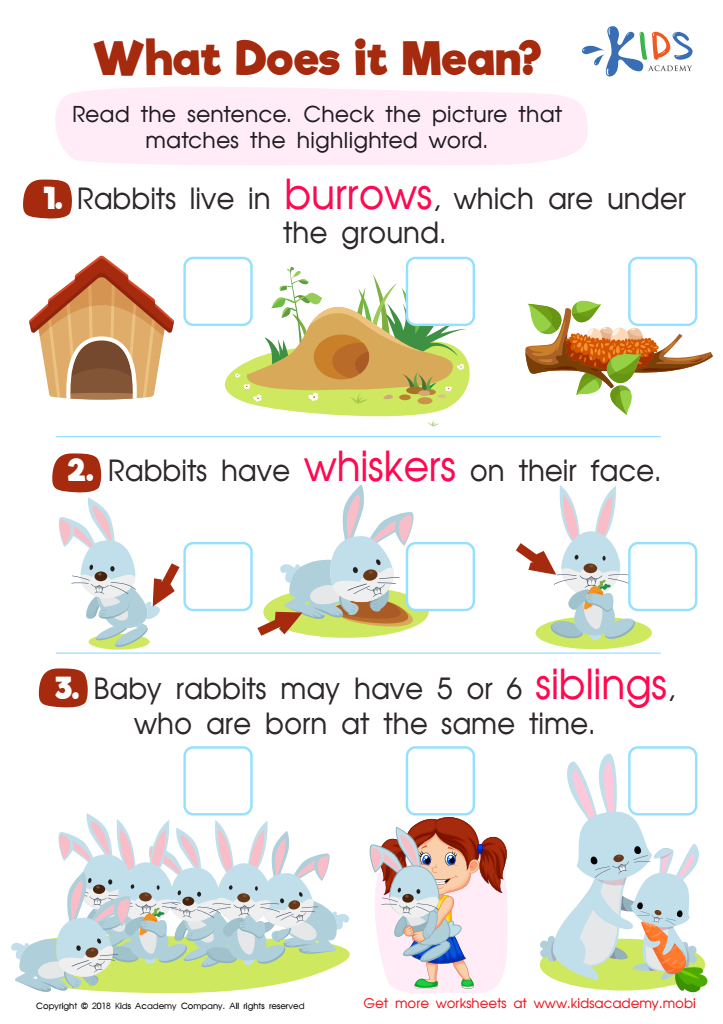
What Does It Mean? Worksheet
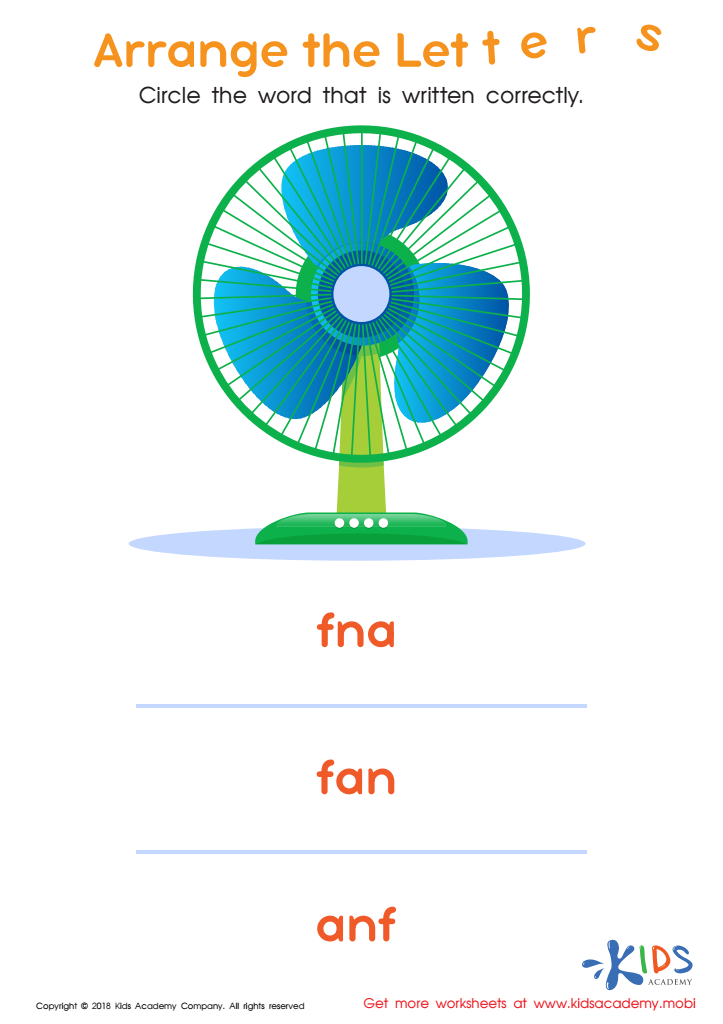
Arrange the Letters Worksheet
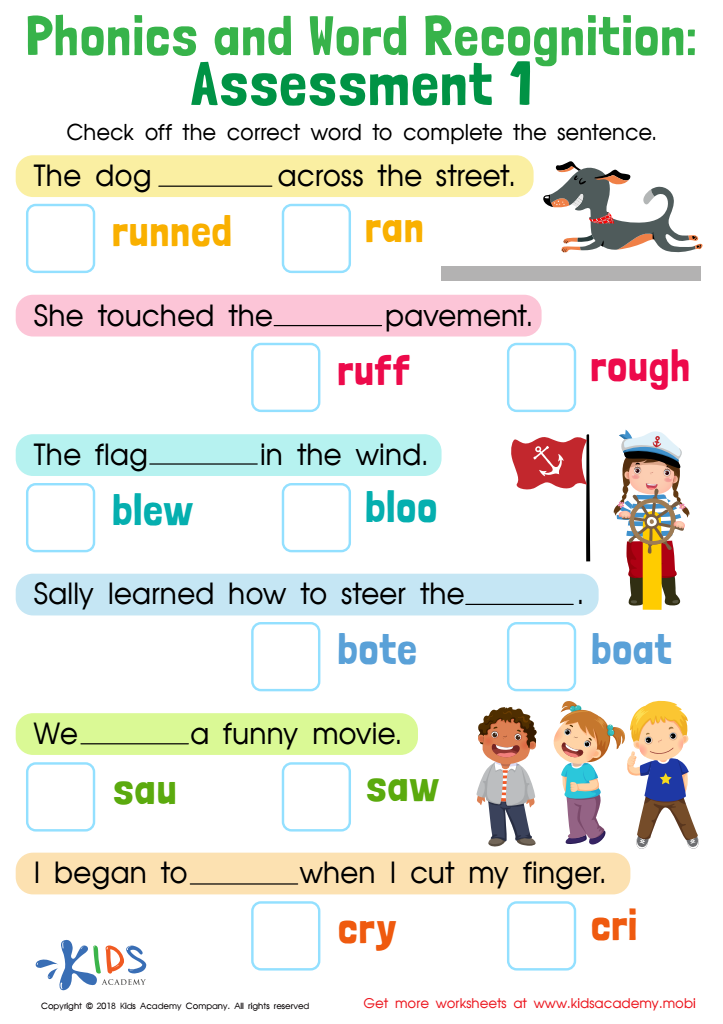
Phonics and Word Recognition: Assessment 1 Worksheet
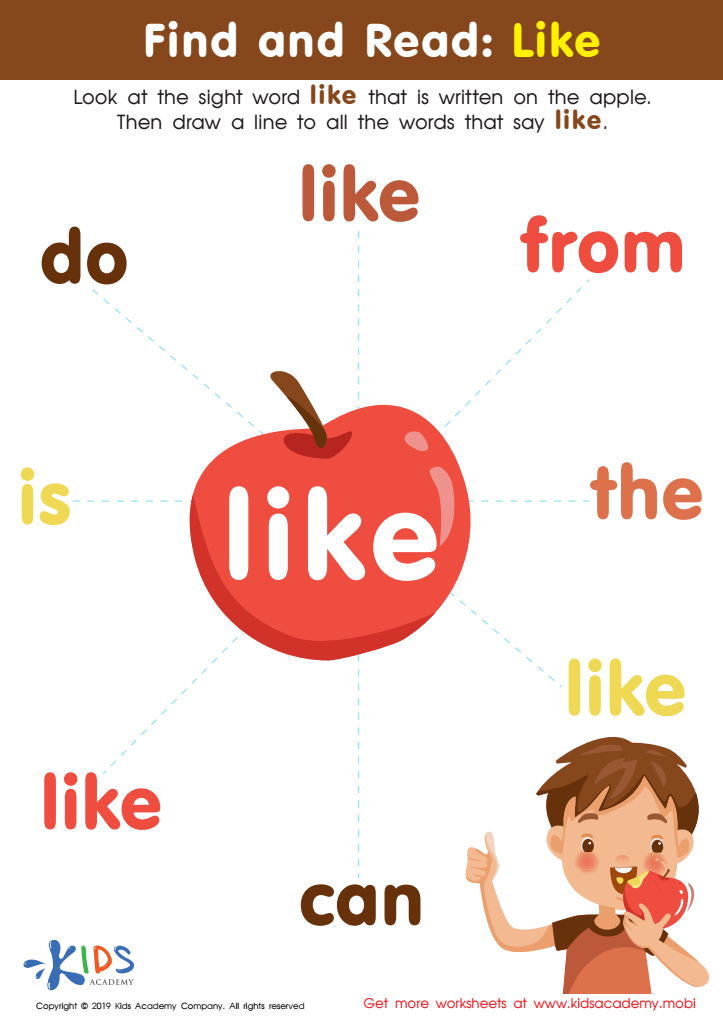
Find and Read: Like Worksheet
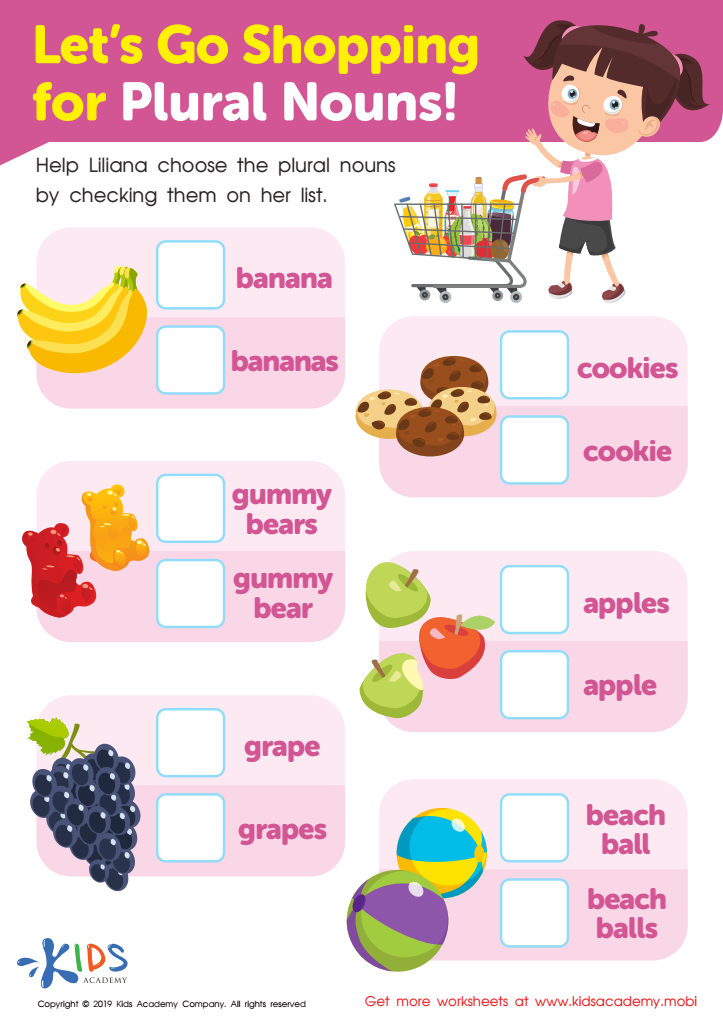
Let's Go Shopping for Plural Nouns! Worksheet
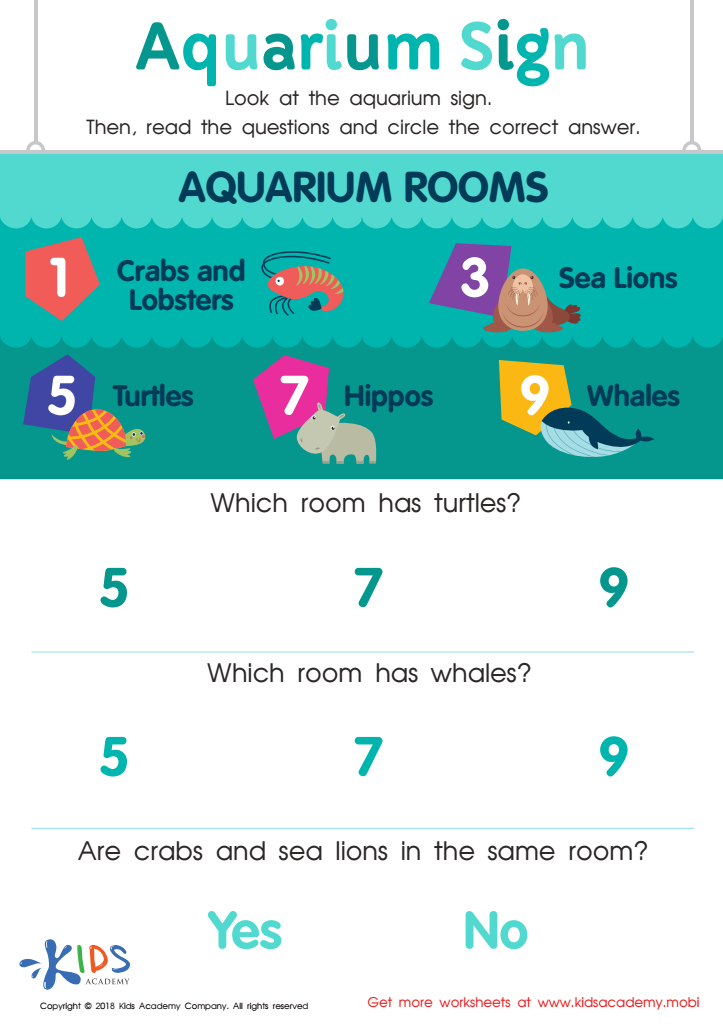
Assessment: Aquarium Sign Worksheet
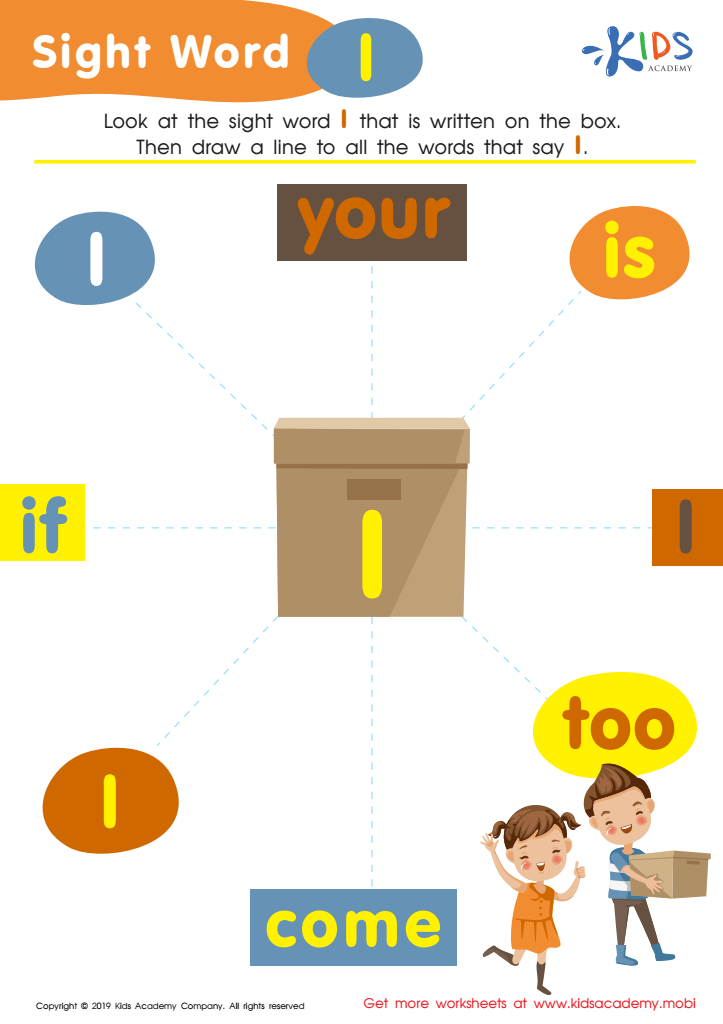
Sight Word I Worksheet
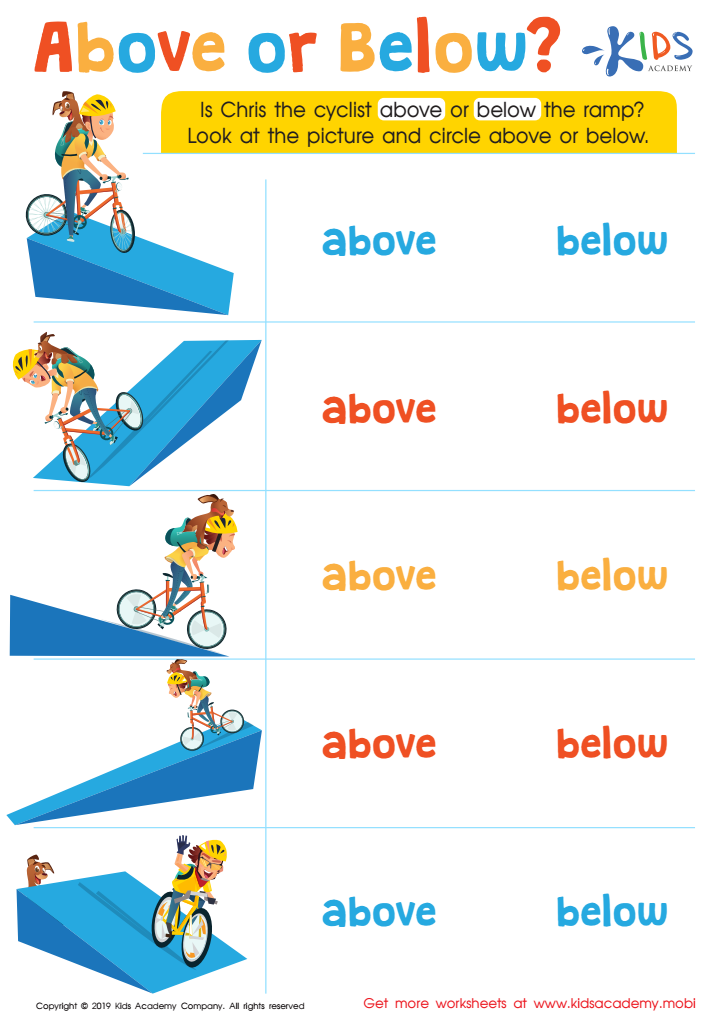
Above or Below? Worksheet



.jpg)




Building vocabulary for ages 4-7 is crucial because it forms the foundation for future learning and communication skills. During these formative years, children are at an optimal stage for language acquisition, and their brains are highly receptive to new words. A robust vocabulary enhances their ability to express ideas, understand complex concepts, and engage with the world around them.
For parents, supporting vocabulary development means equipping their children with the tools they need for academic success. Kids with a strong vocabulary tend to perform better in reading and writing, which are critical skills across all subjects. It also fosters a love for reading, as they can comprehend and enjoy stories more fully.
Teachers focus on vocabulary to ensure effective communication in the classroom. When students understand and can use a wide range of words, they participate more actively in discussions and grasp instructional material more easily. It reduces frustration and enhances engagement and confidence.
Furthermore, a rich vocabulary allows children to understand instructions, follow directions, and engage in social interactions positively. It bridges socio-economic divides, offering all children, irrespective of background, a fair start in education. In essence, prioritizing vocabulary at an early age ensures children are well-adjusted, knowledgeable, and ready to tackle future academic challenges head-on.