Easy Beginning Sounds Worksheets for Ages 4-9
4 filtered results
-
From - To
Welcome to our "Easy Beginning Sounds Worksheets for Ages 4-9"! These engaging resources are designed to help young learners master the foundational skill of identifying and producing beginning sounds. With vibrant illustrations and age-appropriate activities, children will enjoy exploring letters and linking them to words through fun exercises. Our worksheets cater to different learning styles, making phonics practice enjoyable and effective. Perfect for both classroom settings and at-home learning, these worksheets enhance early literacy skills while keeping children motivated. Start your little one's journey to reading success today with our easy-to-use beginning sounds worksheets – learning has never been this fun!
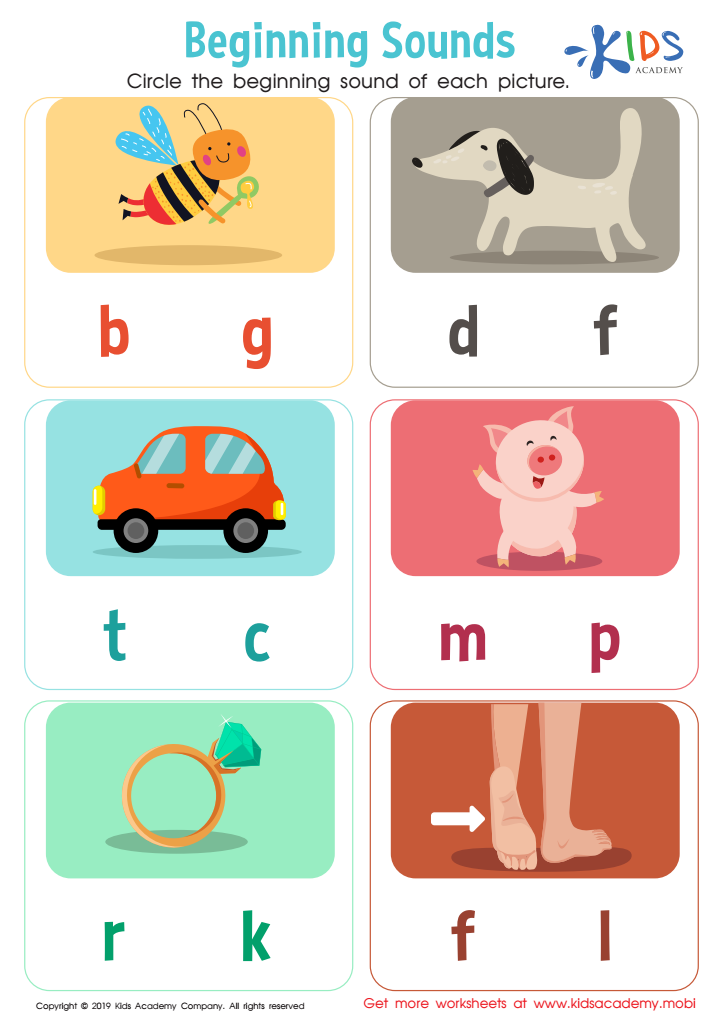
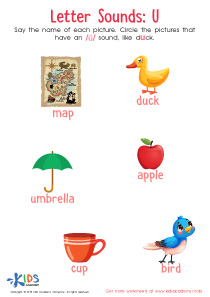
Beginning Sounds Worksheet
 Assign to My Students
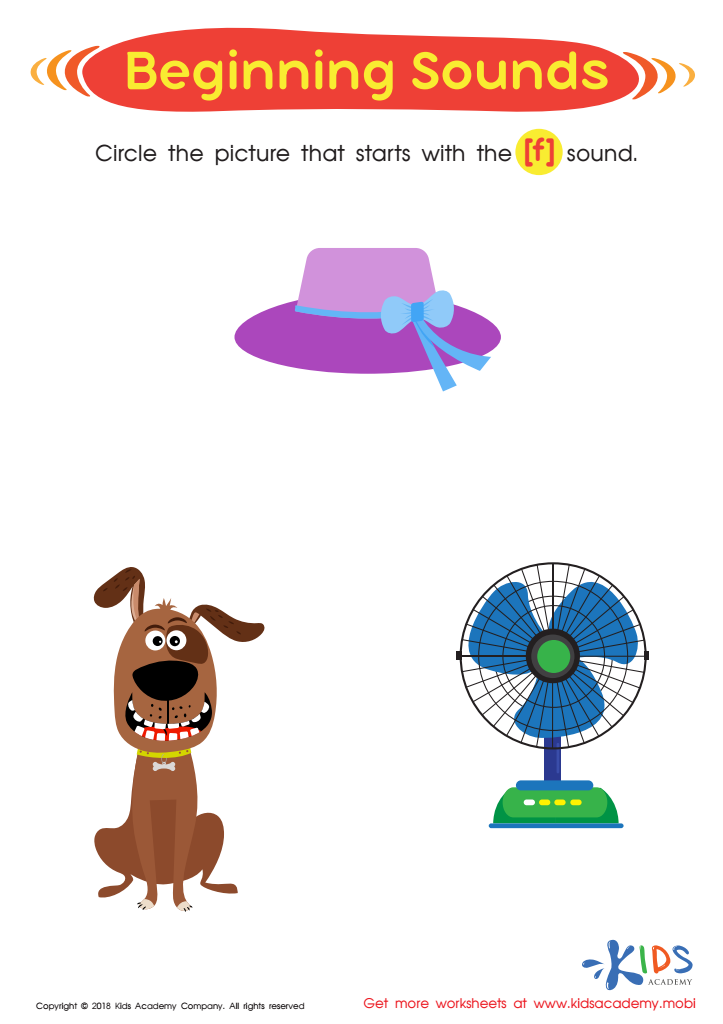
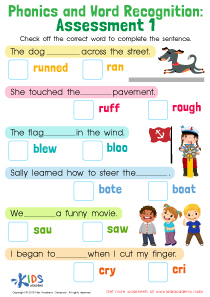
Beginning Sounds Assessment Printable
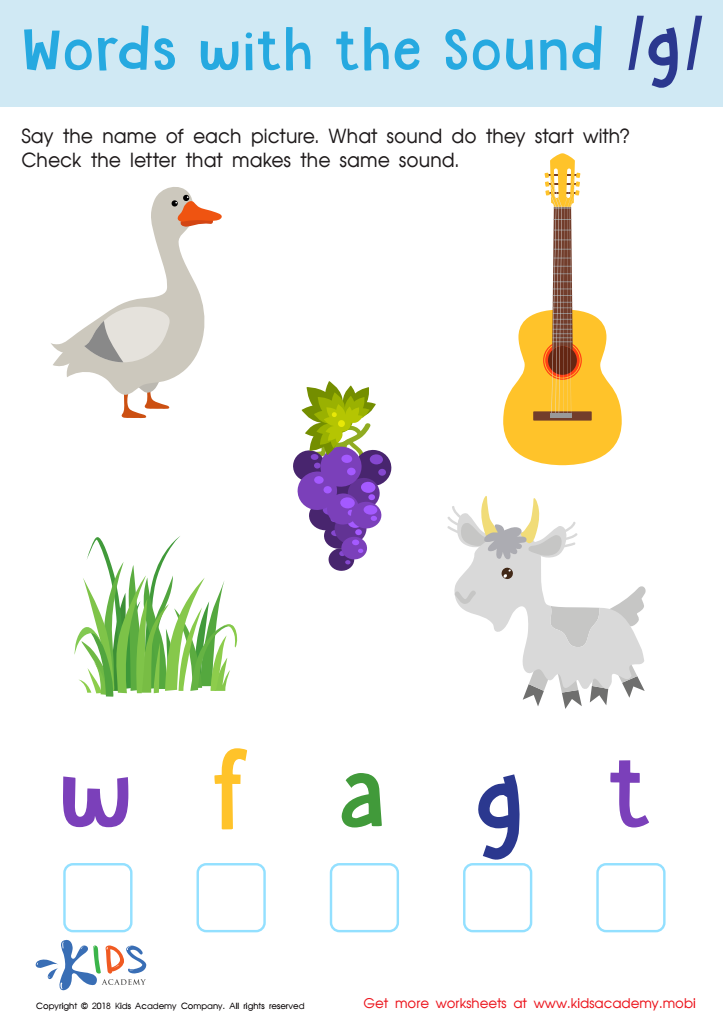
Words with sound g Reading Worksheet
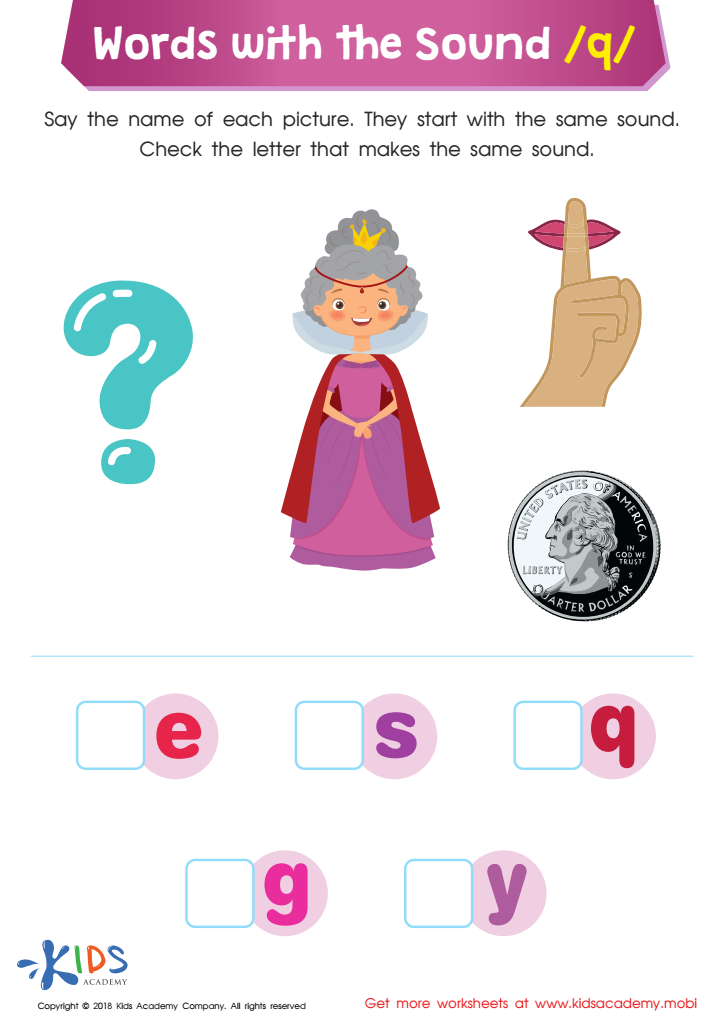
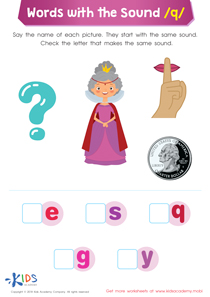
Words with Sound Q Reading Worksheet








Parents and teachers play a crucial role in early literacy development, and understanding Easy Beginning Sounds is fundamental for children aged 4-9. Mastering these sounds forms the foundation of reading and writing skills. Phonemic awareness—the ability to hear, identify, and manipulate phonemes—enables children to decode words effectively. By prioritizing beginning sounds, educators and parents can help children recognize letters and associate them with their corresponding sounds, facilitating smoother transitions to reading fluent text.
Moreover, focusing on beginning sounds enhances vocabulary acquisition and comprehension. Children learn to isolate sounds in words, which aids spelling and enhances their ability to communicate effectively. Engaging activities, such as rhyming games and sound-matching exercises, make learning fun and interactive, nurturing a love for language.
Furthermore, early mastery of phonics improves confidence in young learners, setting a positive trajectory for their academic journey. Studies have shown that children with strong phonemic skills are more likely to succeed in later reading assessments, reducing the risk of future literacy struggles. Therefore, both parents and teachers should emphasize easy beginning sounds as a critical element in fostering the essential language skills that form the groundwork for children’s lifelong learning and communication abilities.