Easy Measurement Worksheets for Ages 6-9 - Page 2
41 filtered results
-
From - To
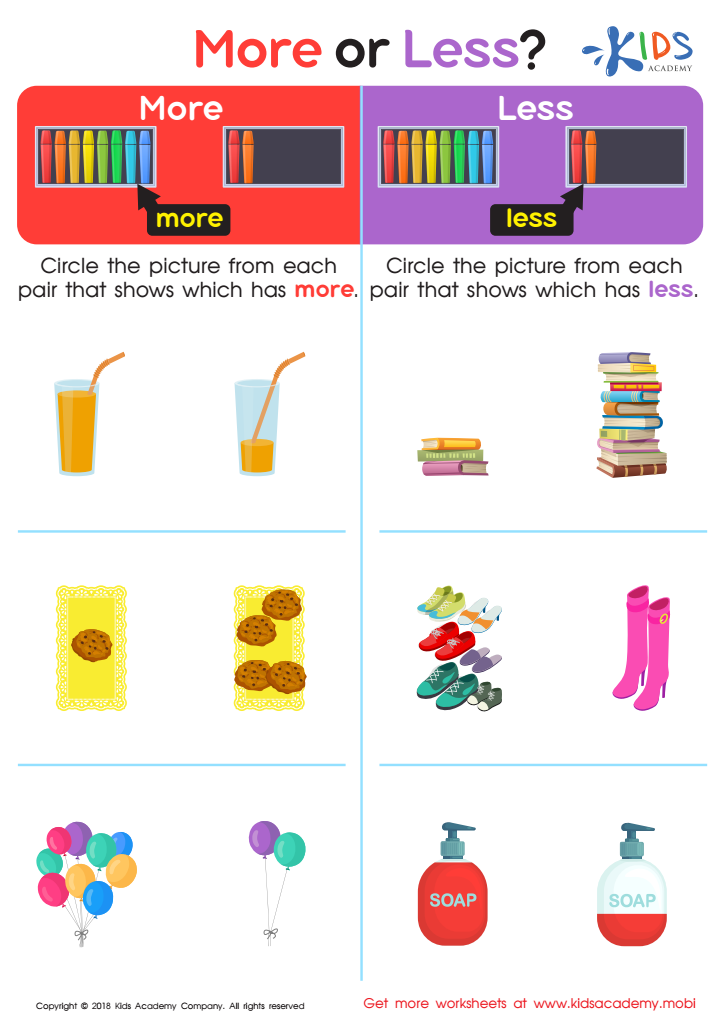
More or Less? Worksheet
 Assign to My Students
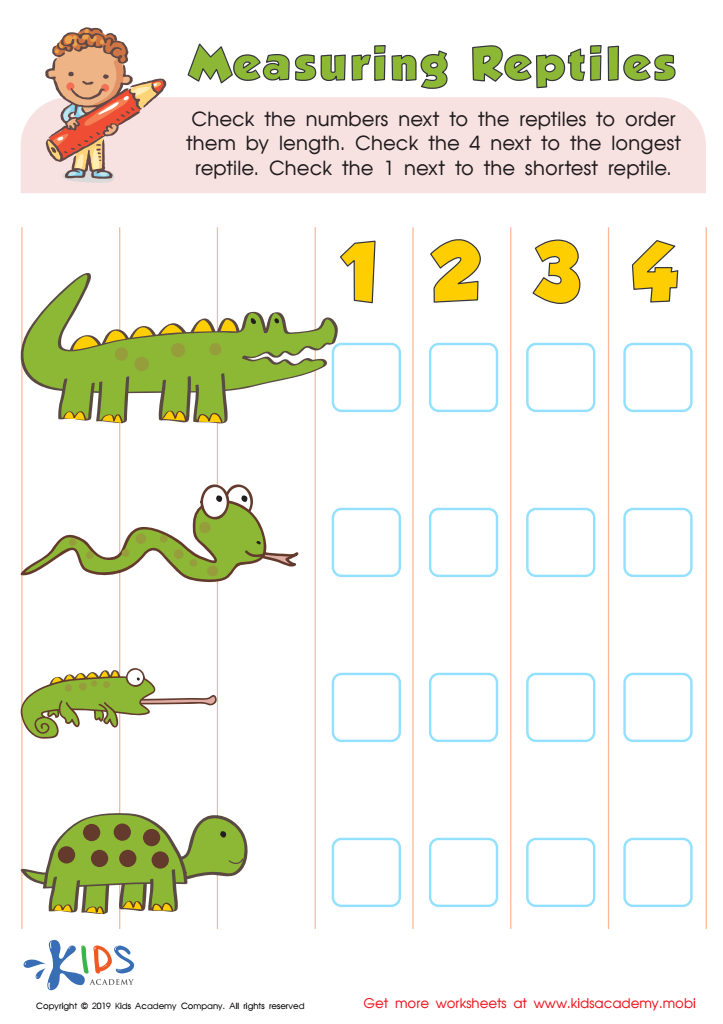
Measuring Reptiles Worksheet
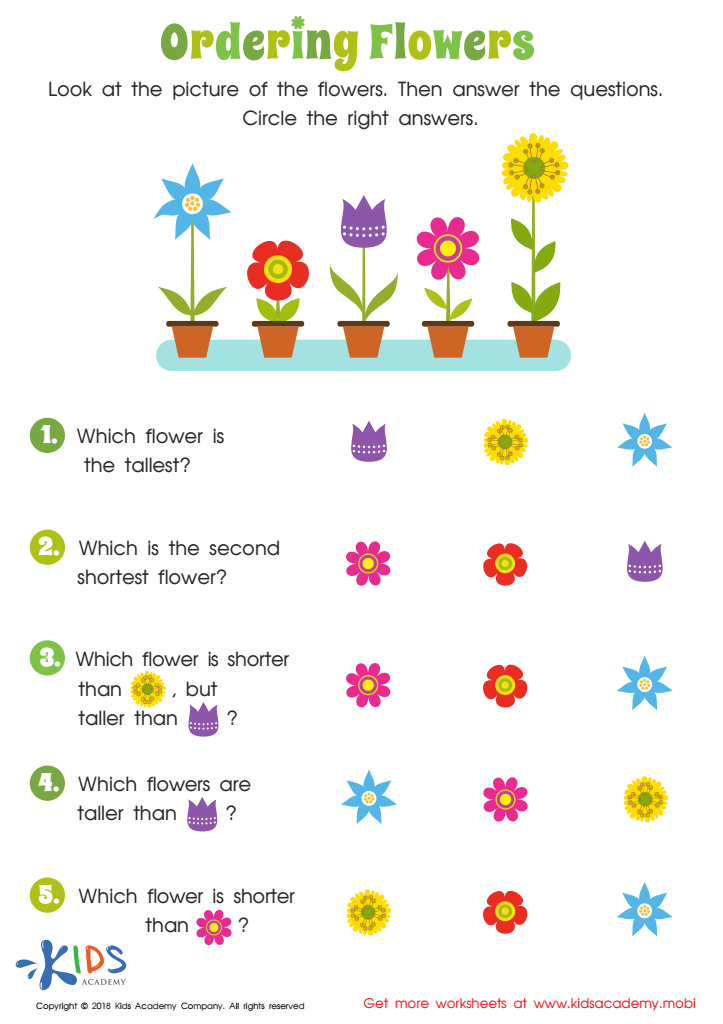
Ordering Flowers Worksheet
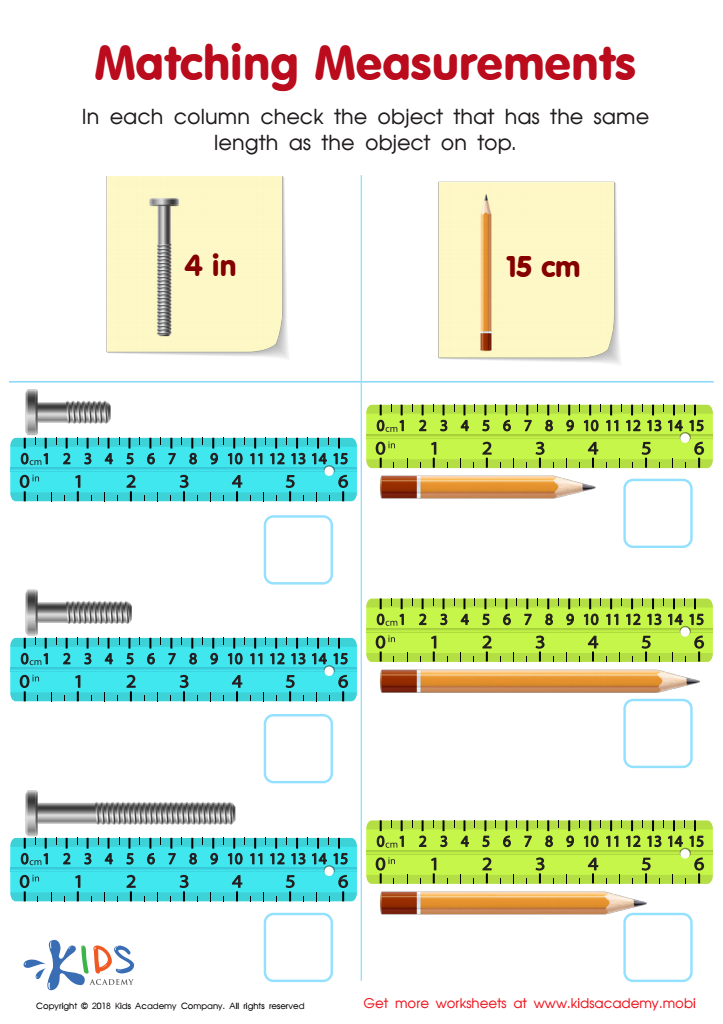
Matching Measurements Worksheet
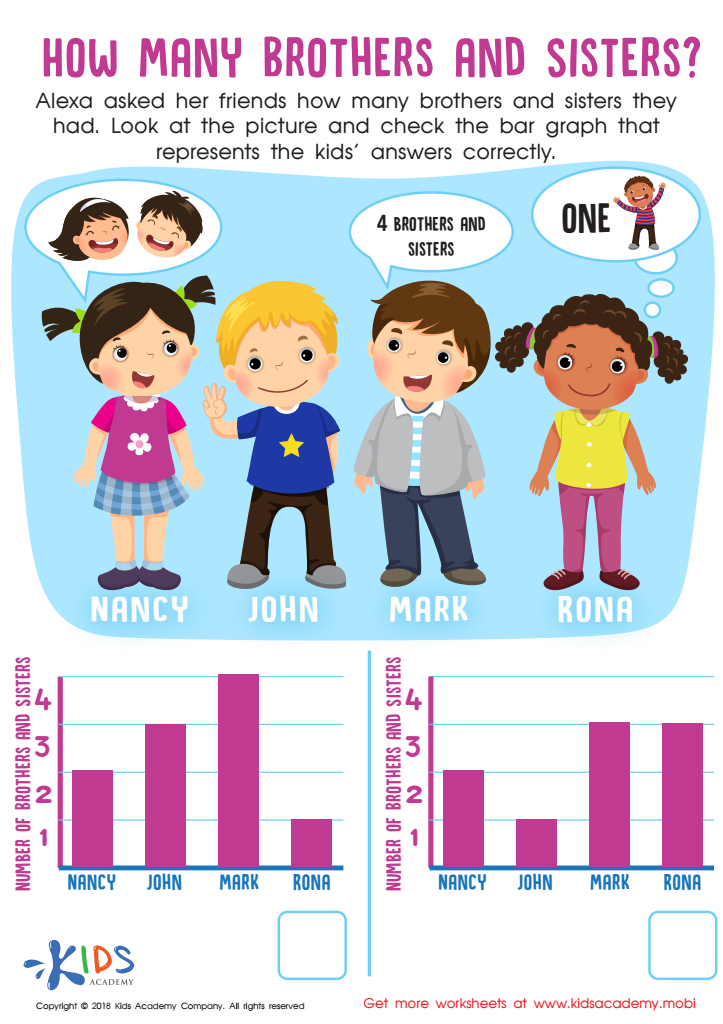
How Many Brothers and Sisters? Worksheet
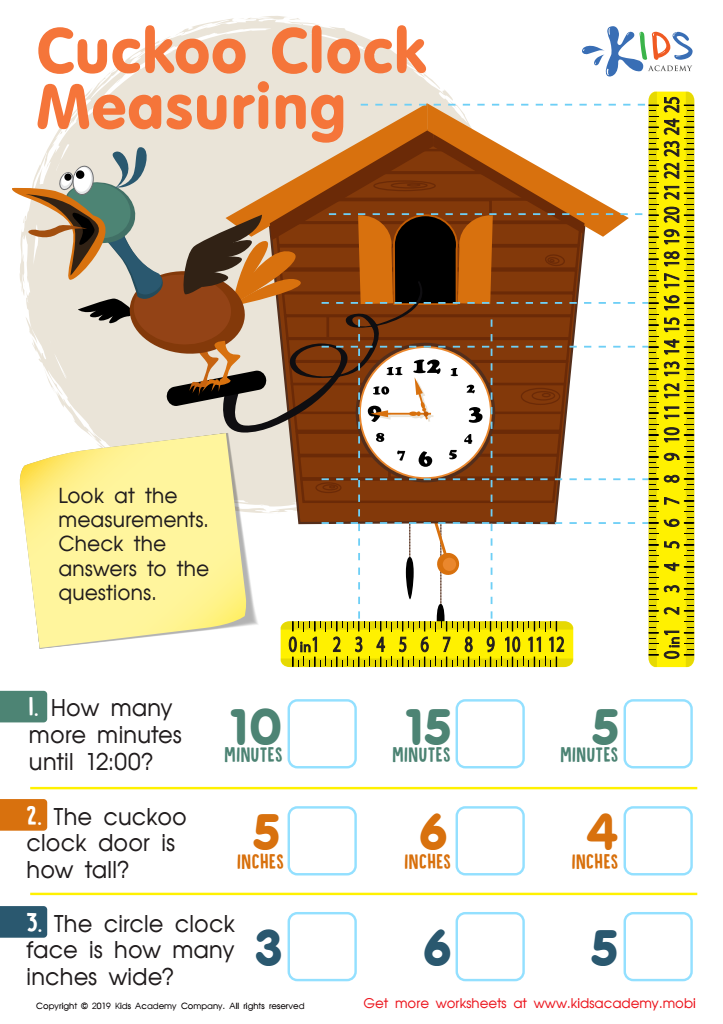
Cuckoo Clock Measuring Worksheet
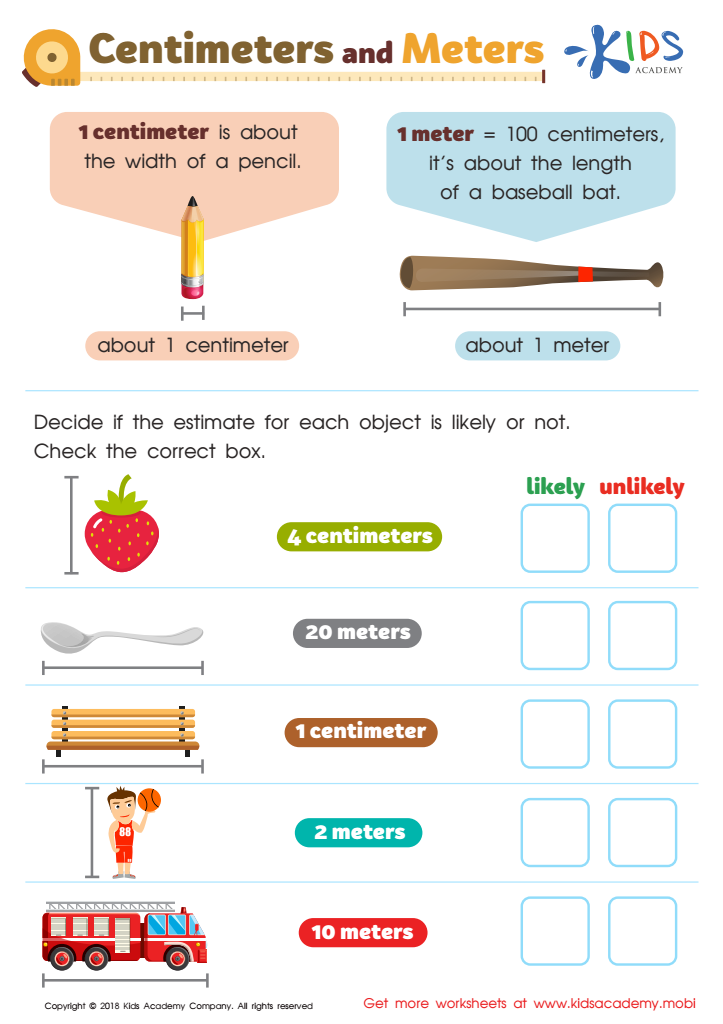
Centimeters and Meters Worksheet
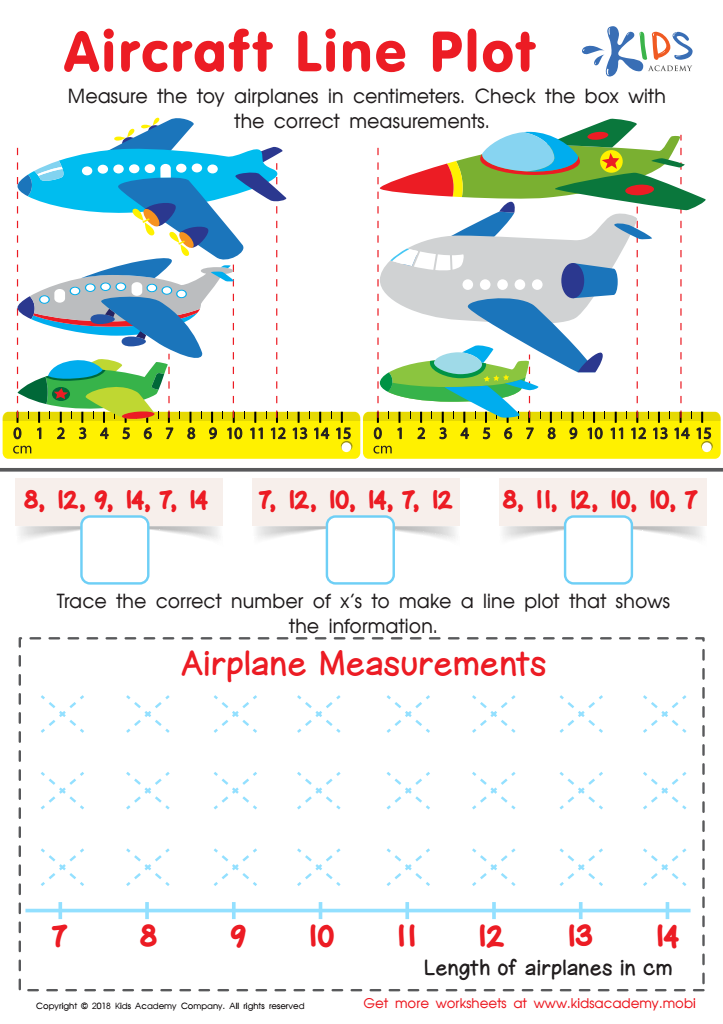
Aircraft Line Plot Worksheet
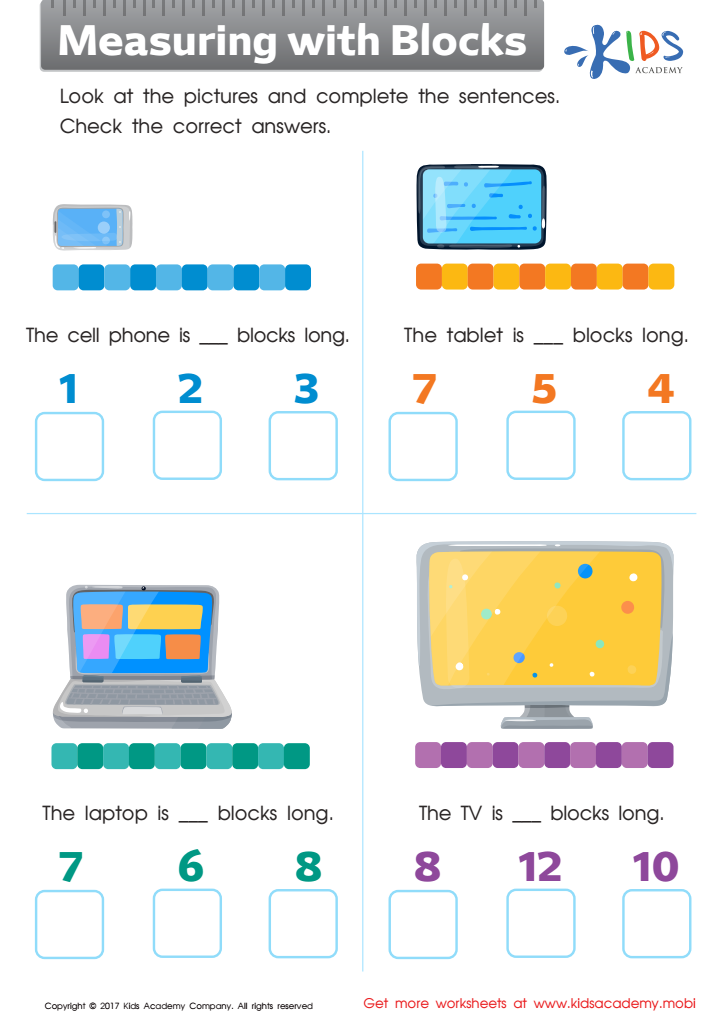
Measuring with Blocks Worksheet
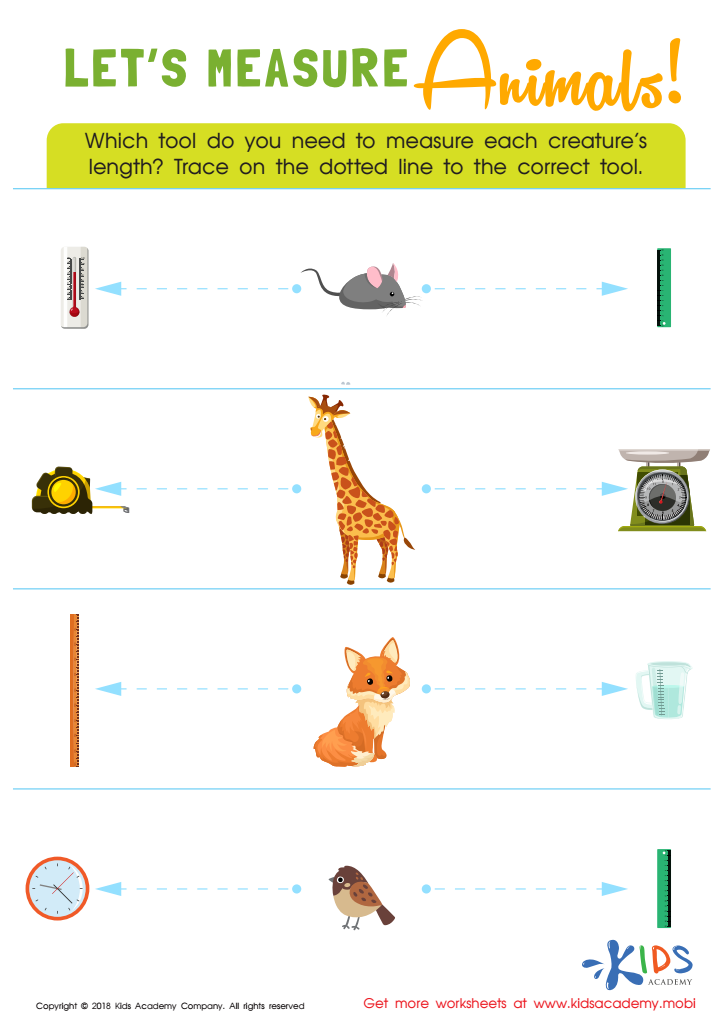
Let's Measure Animals! Worksheet
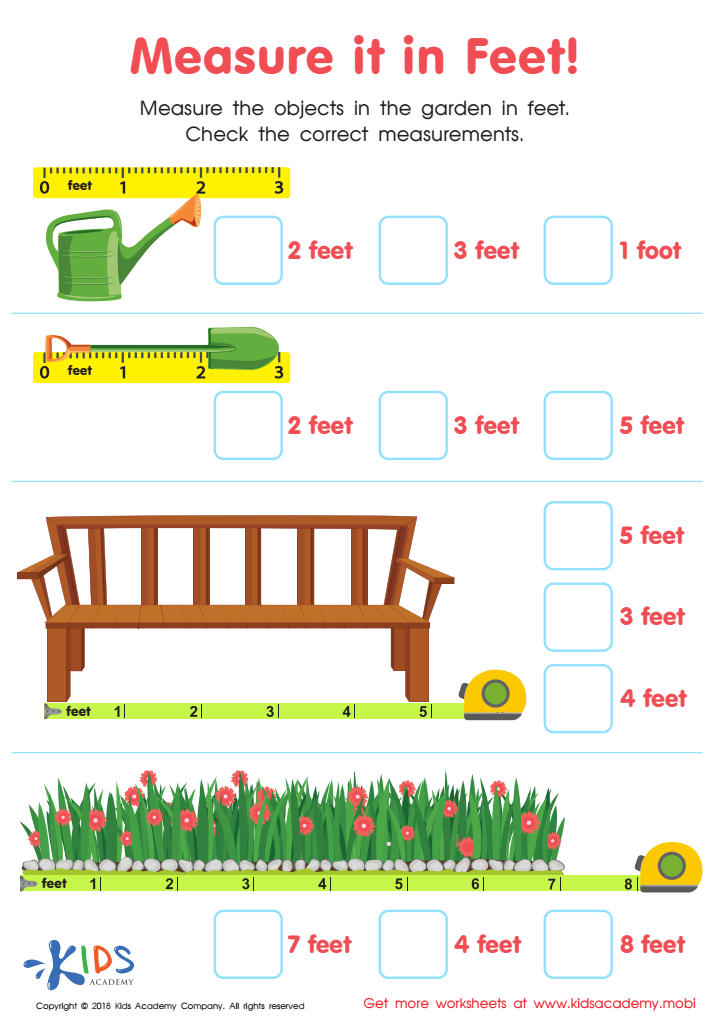
Measure it in Feet Worksheet
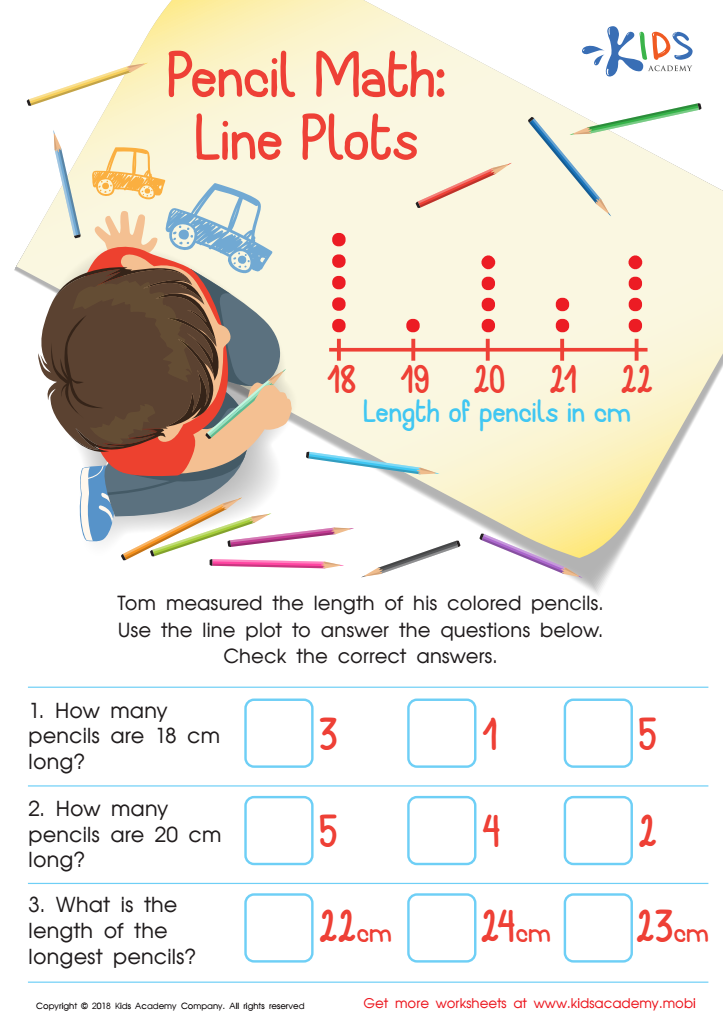
Pencil Math: Line Plots Worksheet
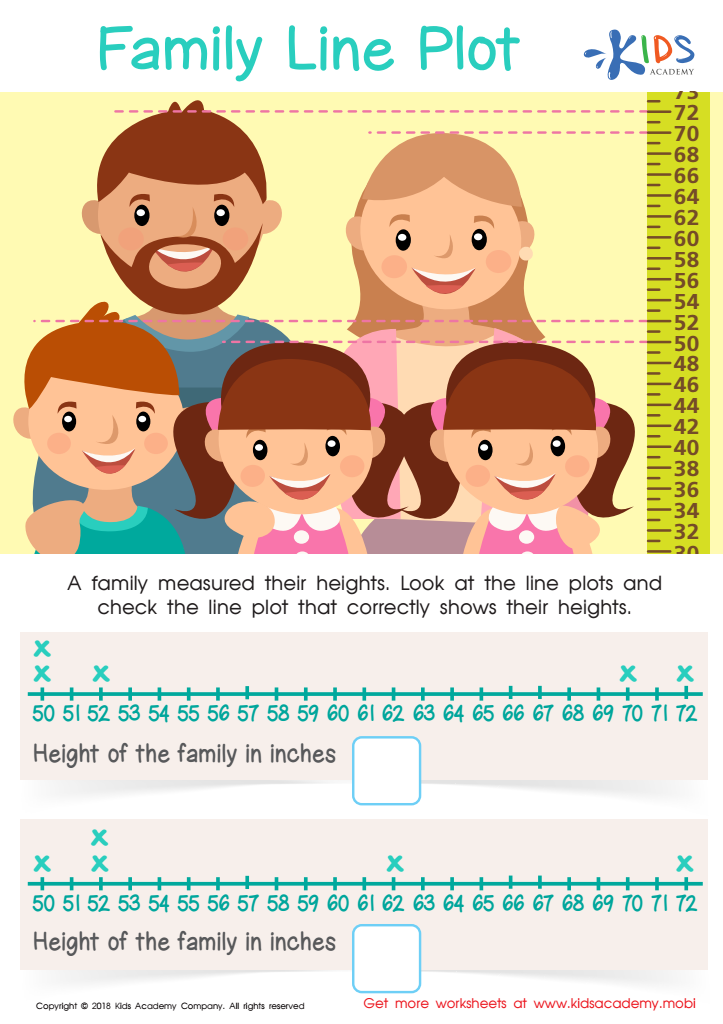
Family Line Plot Worksheet
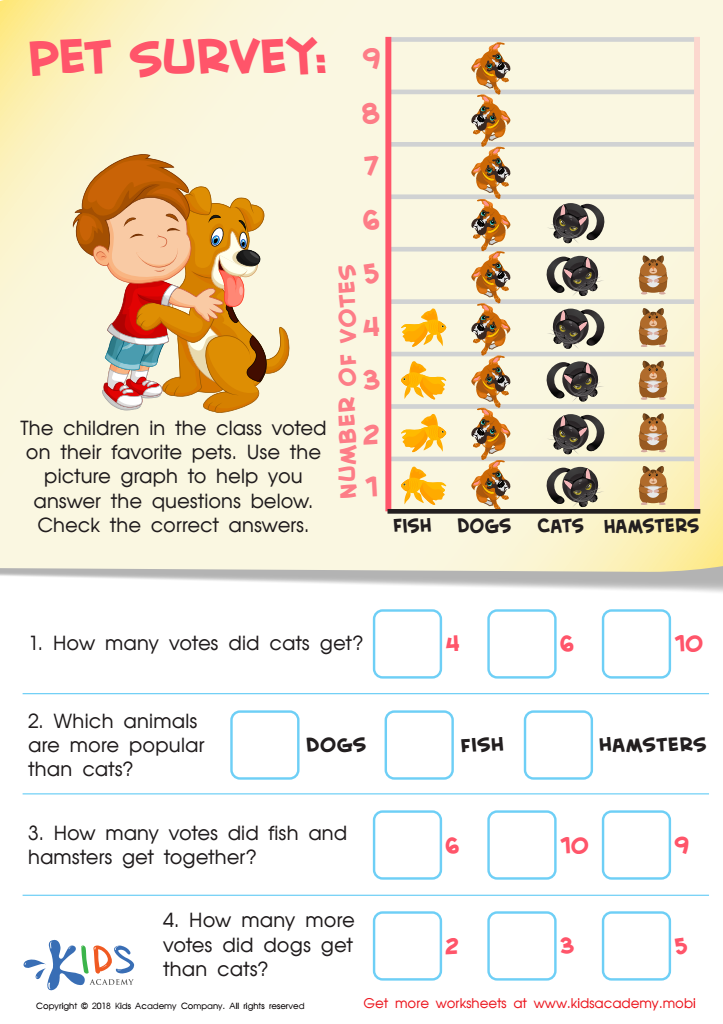
Pet Survey Worksheet
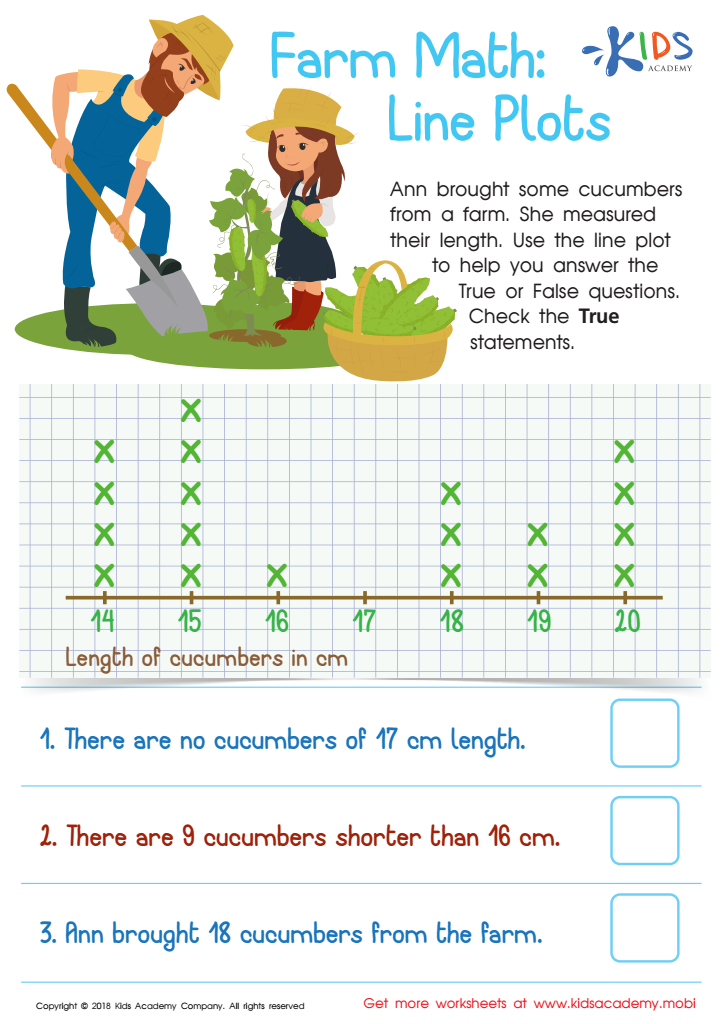
Farm Math: Line Plots Worksheet
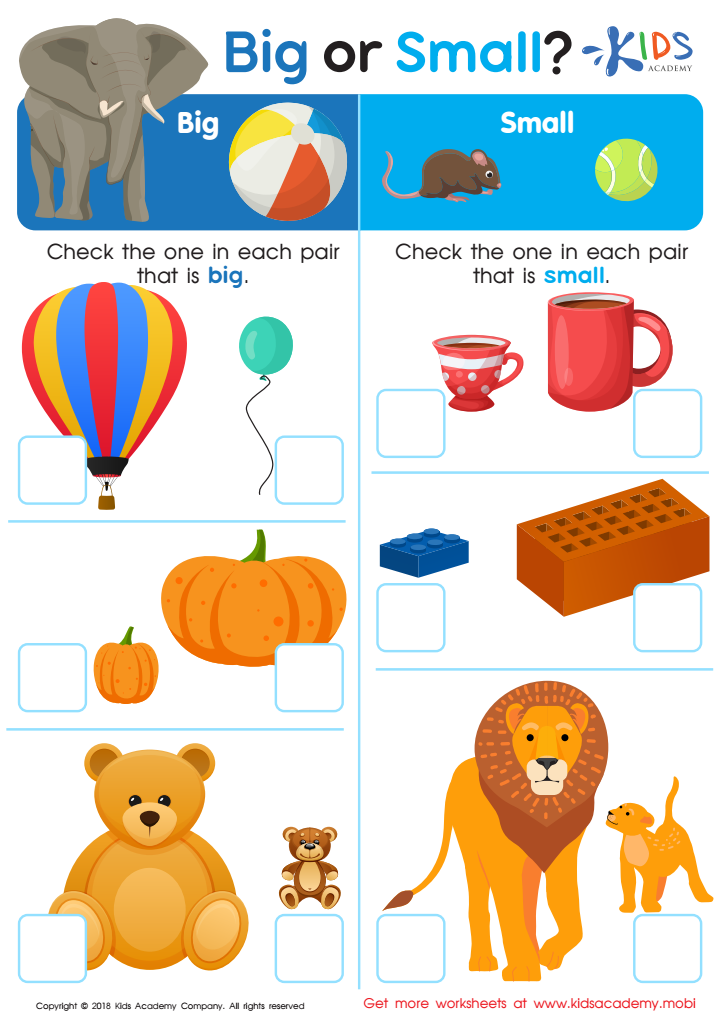
Big or Small? Worksheet
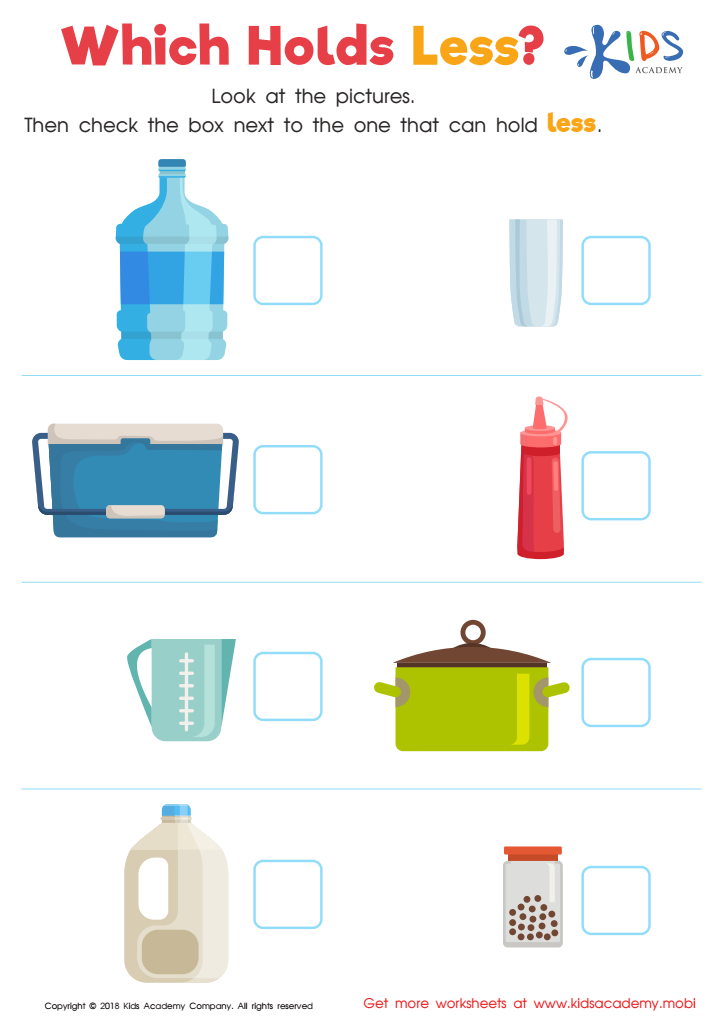
Which Holds Less? Worksheet








Parents and teachers play a crucial role in the foundational mathematics education of children aged 6-9, and understanding easy measurement concepts is essential for several reasons. First, measurement skills are vital for daily life; children will encounter tasks that require estimating or measuring lengths, weight, and volume in practical scenarios, such as cooking or crafting. By introducing these concepts early, we equip students with essential life skills.
Second, measurement lays the groundwork for advanced mathematical concepts. At ages 6-9, children begin developing spatial awareness and understanding units, which are foundational for geometry and data interpretation later on. Engaging children in playful and relatable measurement activities helps reinforce these concepts and maintains their interest in learning.
Additionally, measurement encourages critical thinking and problem-solving skills. When children learn to measure, they encounter real-world challenges that require them to think creatively and find solutions, fostering independent thinking.
Finally, involving parents in these activities supports at-home learning and strengthens family engagement in education. By creating a holistic environment where measurement is valued, we promote a lifelong appreciation for math and its applications. Encouraging curiosity in measurement not only improves academic performance but also cultivates confidence and resilience in young learners.








