Easy Two-step Word Problems Worksheets for Ages 7-9
5 filtered results
-
From - To
Discover our "Easy Two-Step Word Problems Worksheets for Ages 7-9," designed to help young learners enhance their problem-solving skills with engaging and relatable scenarios. These worksheets offer a variety of colorful, age-appropriate problems that encourage critical thinking and reinforce foundational math concepts. Specifically crafted for kids, they provide clear steps, guiding students through understanding, planning, and enacting their solutions. Perfect for classroom use or at-home practice, these worksheets promote independent learning while making math fun and enjoyable. Empower your child to tackle two-step problems with confidence and watch their math skills flourish! Explore our collection today!
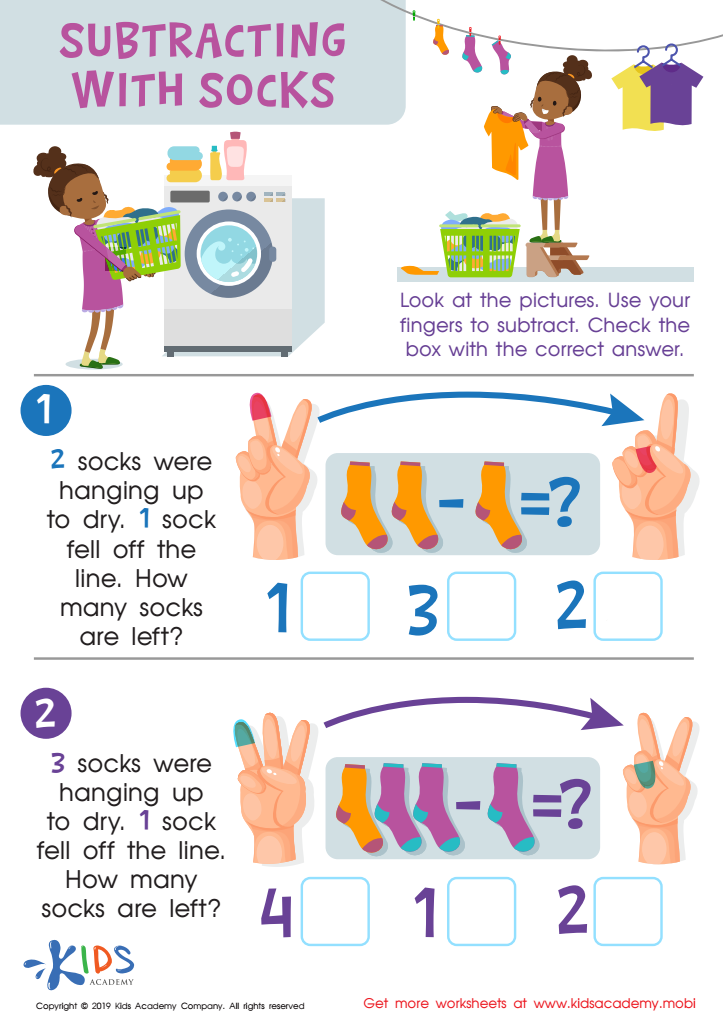
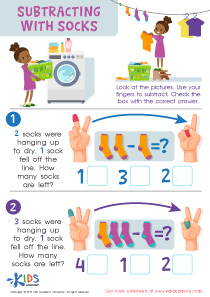
Subtracting Socks Worksheet
 Assign to My Students
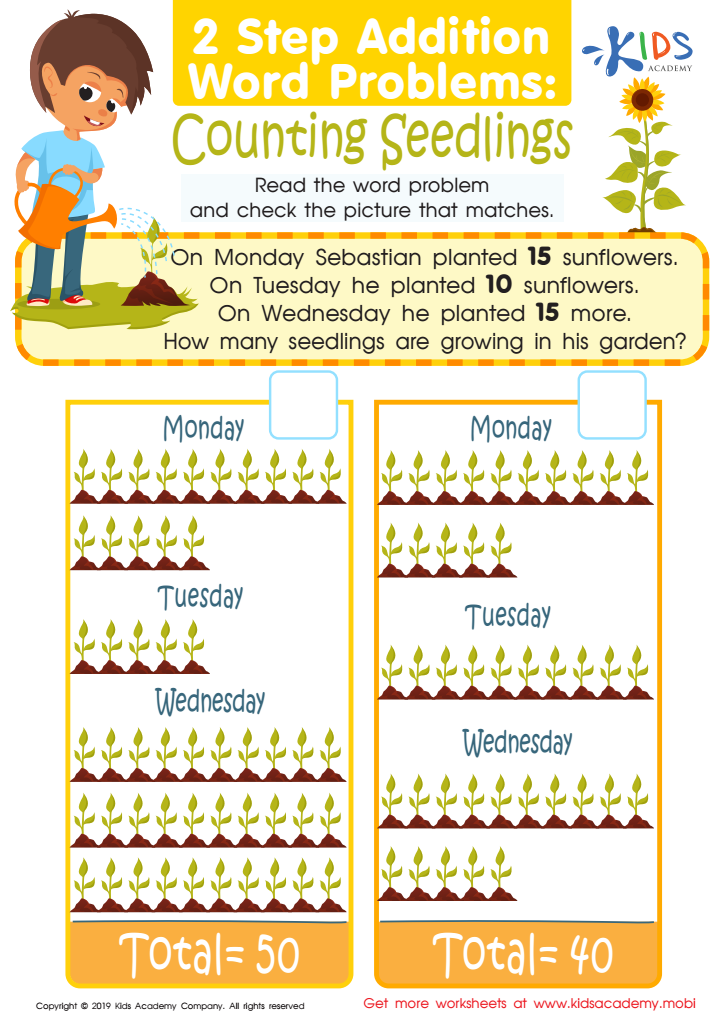
Counting Seedlings Worksheet
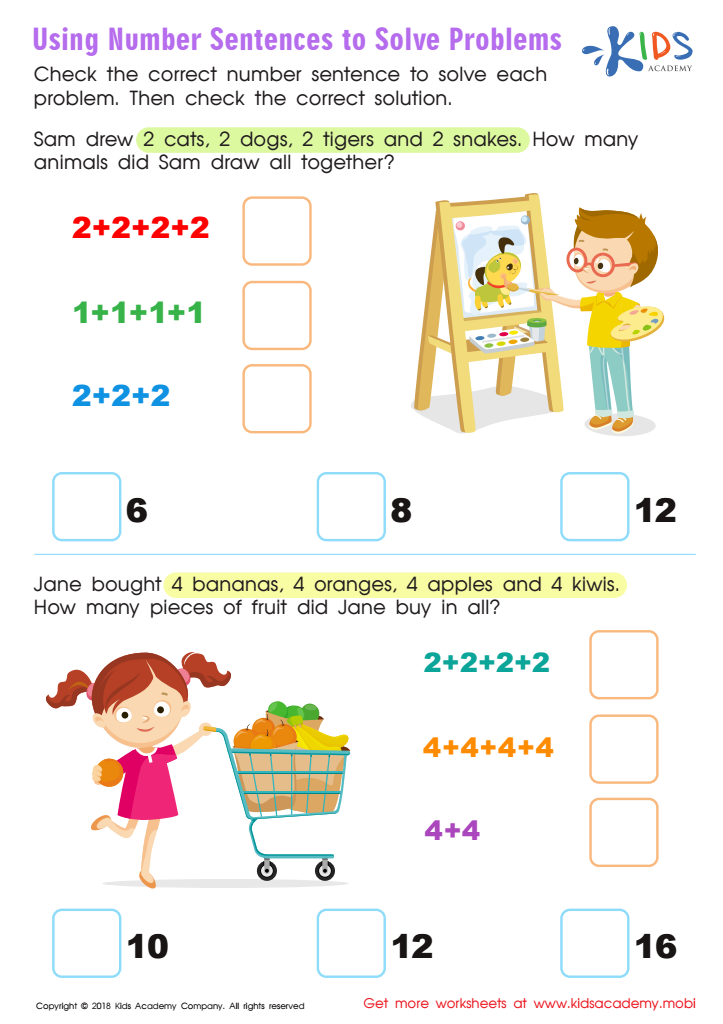
Using Number Sentences to Solve Problems Worksheet
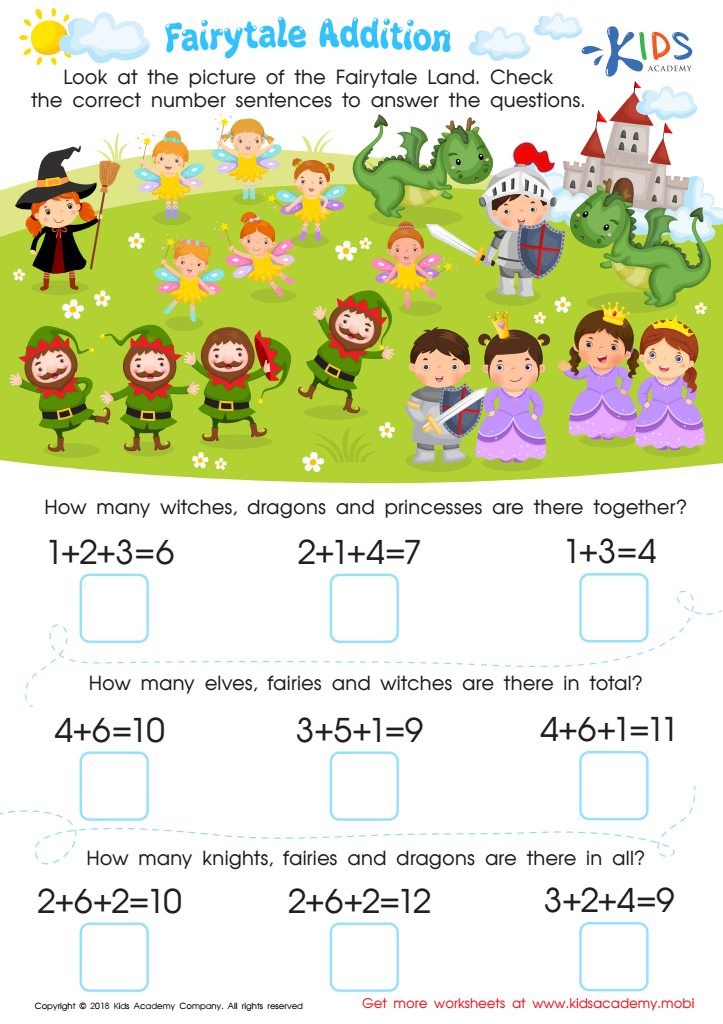
Fairytale Addition Worksheet
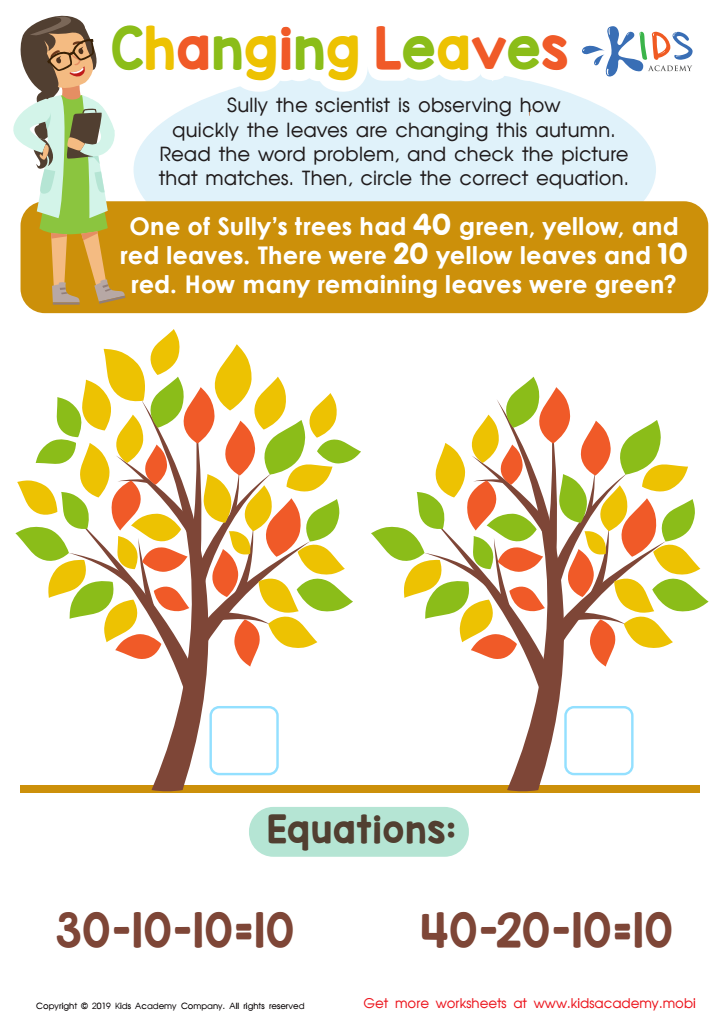
Changing Leaves Worksheet



Parents and teachers should prioritize Easy Two-step Word Problems for children ages 7-9 because they lay the foundation for critical thinking and problem-solving skills essential in mathematics and real-world scenarios. At this age, children are developing their cognitive abilities, and engaging with two-step problems enhances their comprehension and analytical skills. These word problems encourage children to read carefully, identify relevant information, and plan a multi-step approach, fostering logical reasoning.
Moreover, mastering two-step problems increases confidence in mathematical abilities, which can have a positive impact on overall academic performance. As children learn to break down complex problems, they cultivate perseverance and resilience—key traits for lifelong learning.
Additionally, these problems help improve vocabulary and comprehension skills by introducing mathematical language in context. Understanding how to translate words into numerical operations is crucial for future math success.
Encouraging children to explore various problem-solving strategies nurtures creativity and adaptability, as they learn that multiple solutions may exist for the same problem. Ultimately, easy two-step word problems not only enhance math skills but also promote essential life skills, preparing children for challenges both in and out of the classroom. Hence, their importance in early education cannot be overstated.