Extra Challenge Building Vocabulary Worksheets for Ages 3-7 - Page 2
27 filtered results
-
From - To
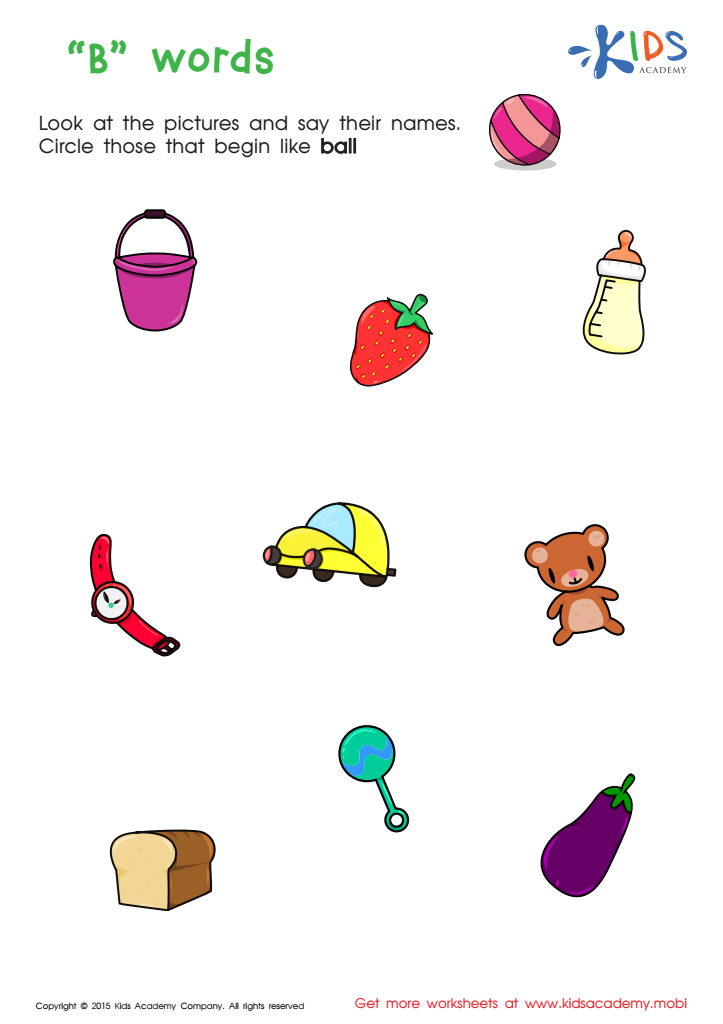
First Words Worksheet
 Assign to My Students











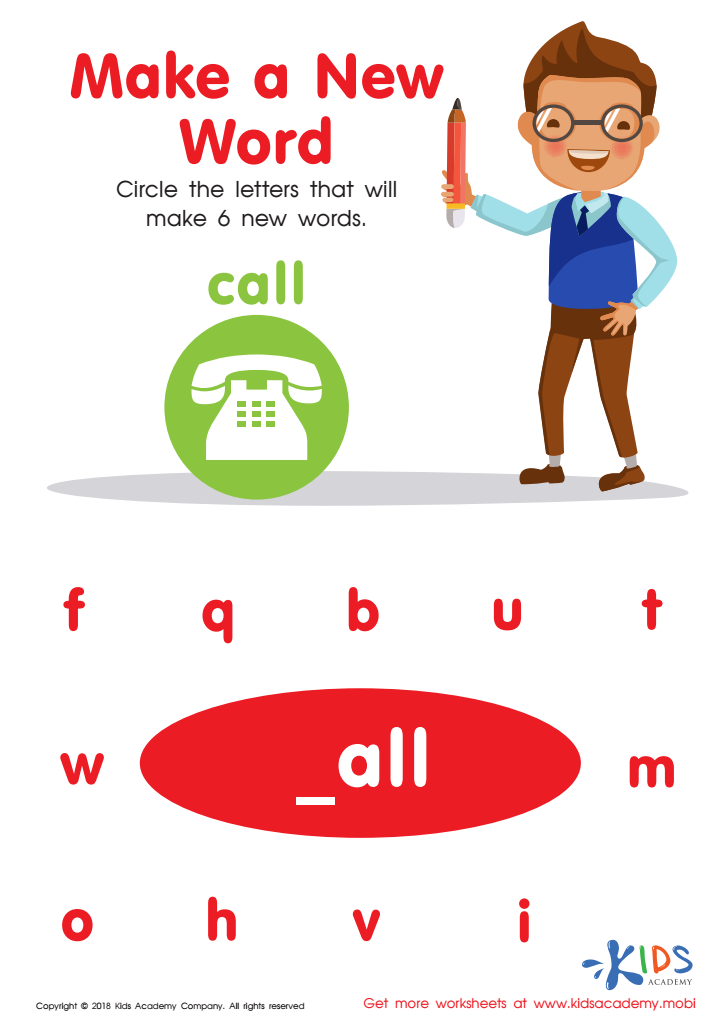
Make a New Word Worksheet
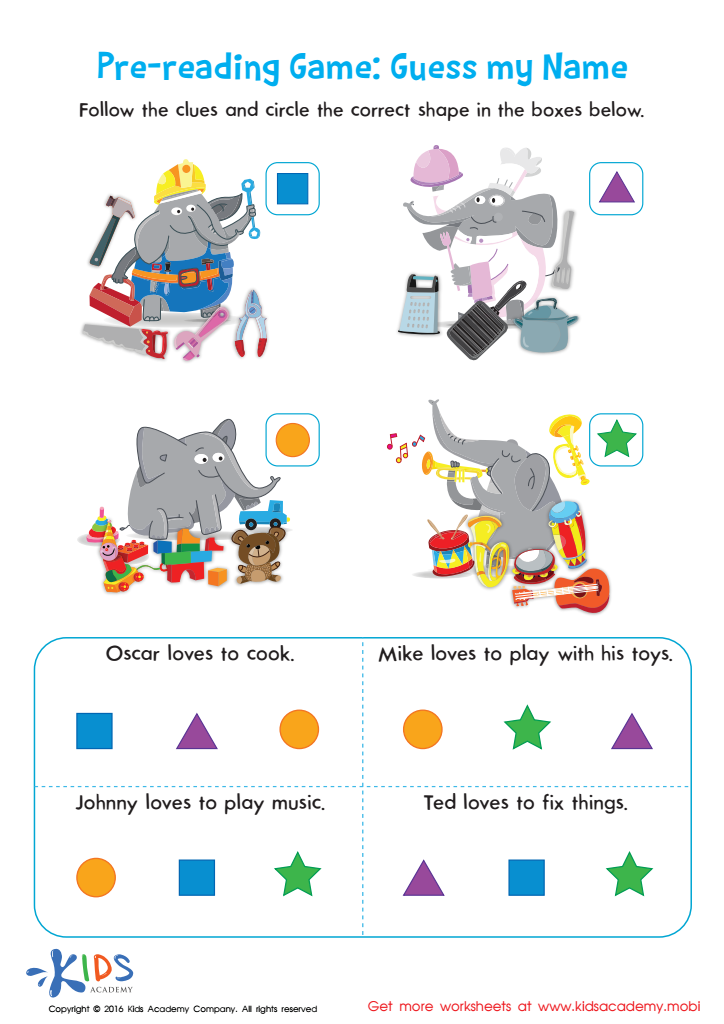
Pre Reading Worksheet Guess My Name








Caring about building vocabulary for children aged 3-7 is crucial because language development during early childhood forms the foundation for future academic success and social interaction. This period is marked by significant brain development, making it the ideal time to introduce new words and concepts. Rich vocabulary not only enhances communication skills but also boosts comprehension, critical thinking, and cognitive development.
Children with a strong vocabulary can express their thoughts, needs, and emotions more clearly, reducing frustration and fostering better relationships with peers and adults. Early exposure to a wide range of words helps children understand and utilize language structures, paving the way for literacy skills, such as reading and writing, which are critical in subsequent years.
Moreover, vocabulary-rich environments stimulate curiosity and encourage a love for learning. When parents and teachers create interactive and engaging vocabulary exercises, they nurture a child's natural inquisitiveness and build confidence. Socially, children with well-developed vocabularies find it easier to blend into diverse groups, establishing friendships and leadership skills.
Ultimately, investing time and effort in building vocabulary during these early years lays a strong educational foundation, empowering children with the essential tools they need to navigate and succeed in both school and life.