Extra Challenge Reading Non-Fiction Worksheets for Ages 3-7
7 filtered results
-
From - To
Introduce your young reader to the world of non-fiction with our Extra Challenge Reading Non-Fiction Worksheets, designed for ages 3-7. These engaging worksheets encourage early learners to explore factual information, enhancing comprehension and critical thinking skills. Each activity features intriguing topics and interactive exercises that make learning enjoyable. Ideal for pre-K through early elementary grades, our worksheets support vocabulary development and a love for reading. Perfect for parents and educators seeking to provide an educational boost, these worksheets guide children in discovering the excitement of real-world knowledge. Visit our site to unlock endless learning adventures!
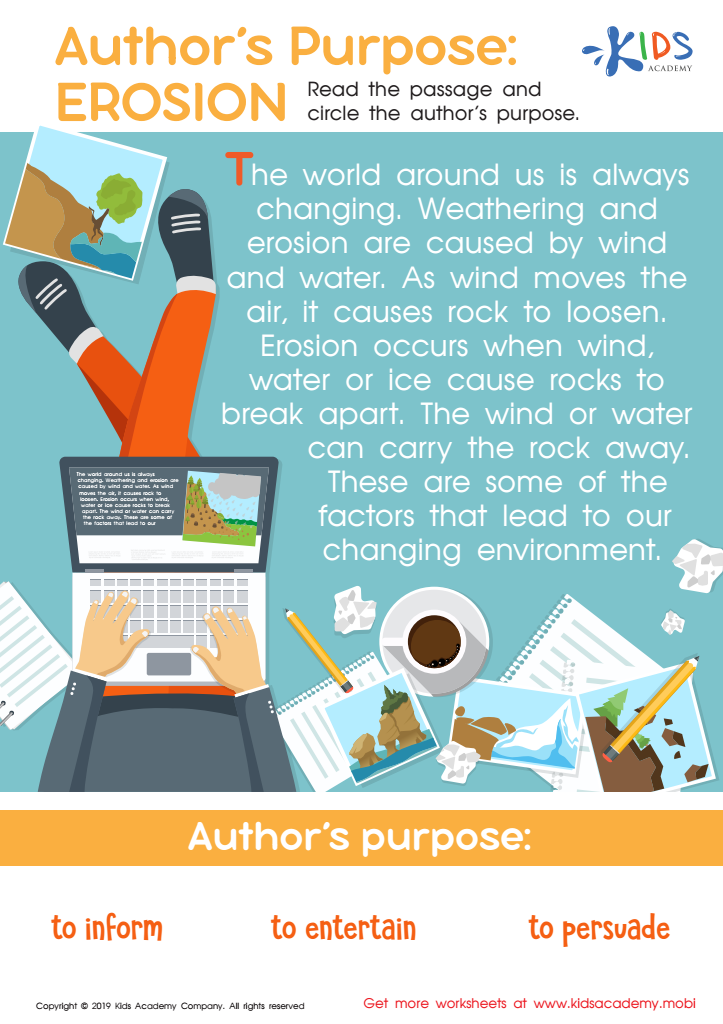
Author’s Purpose: Erosion Worksheet
 Assign to My Students
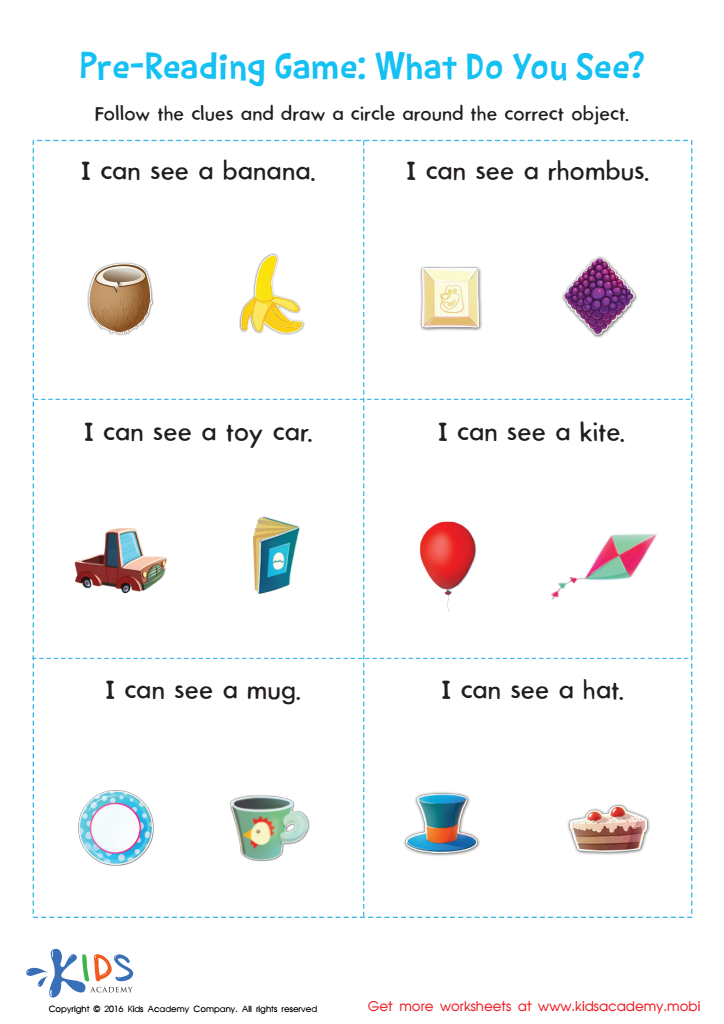
Pre–reading Worksheet: What Do You See?
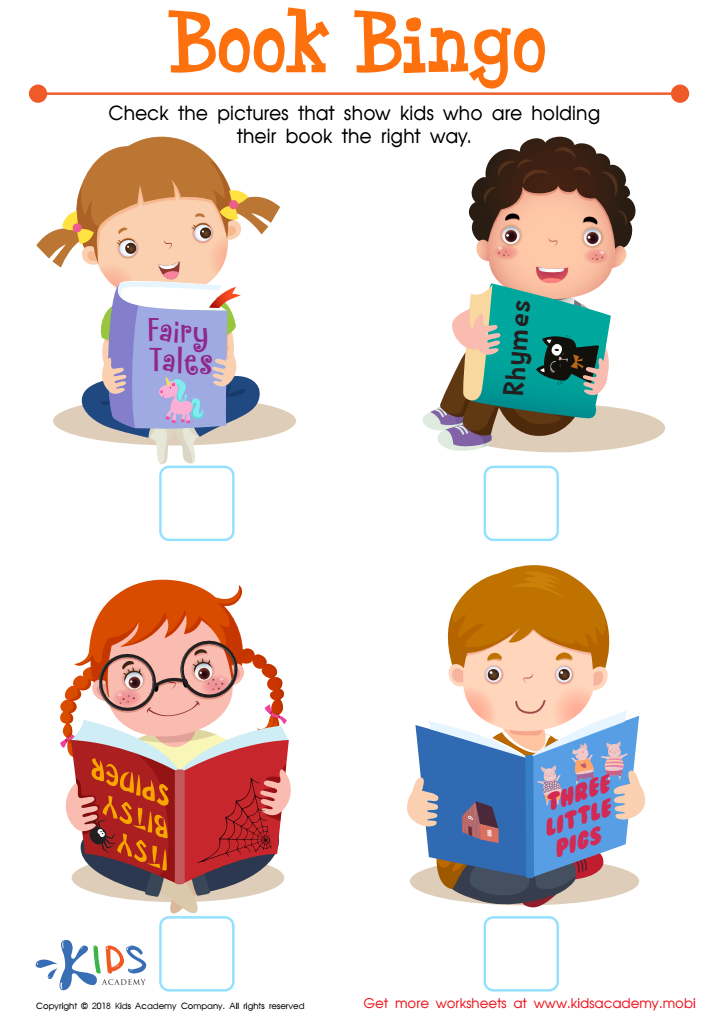
Book Bingo Worksheet
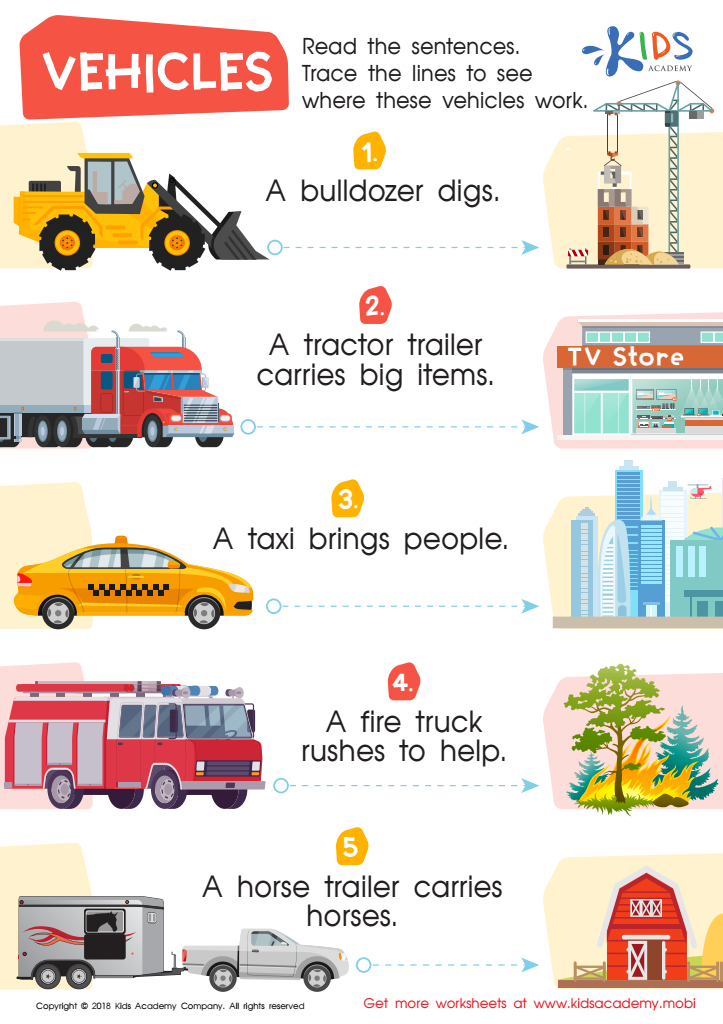
Vehicles Worksheet
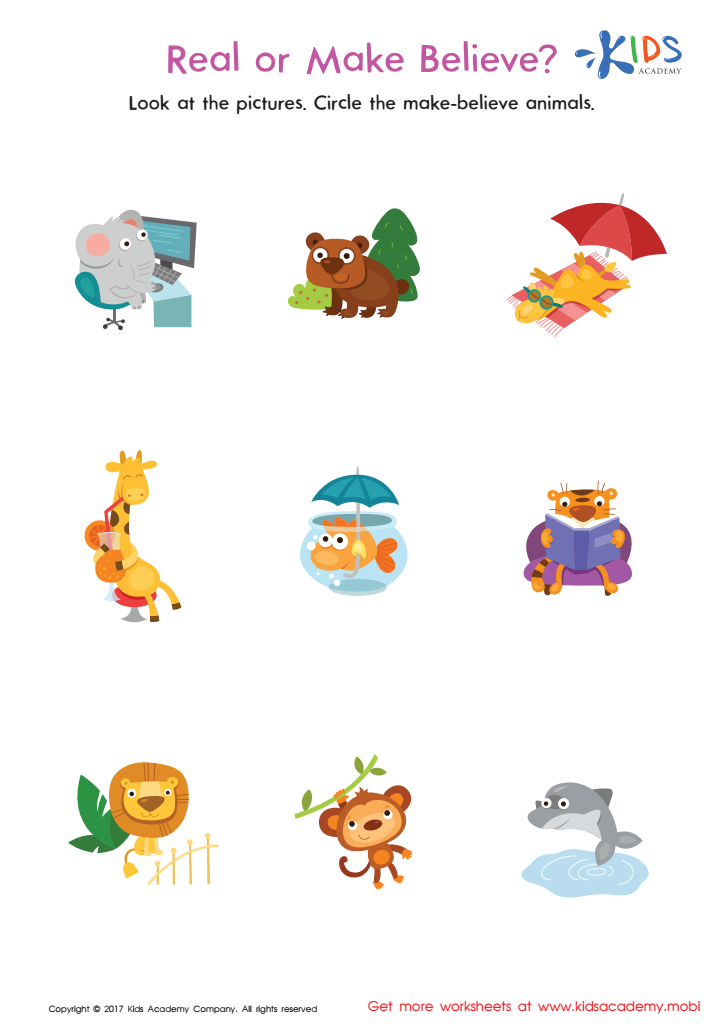
Fact or Make Believe Worksheet
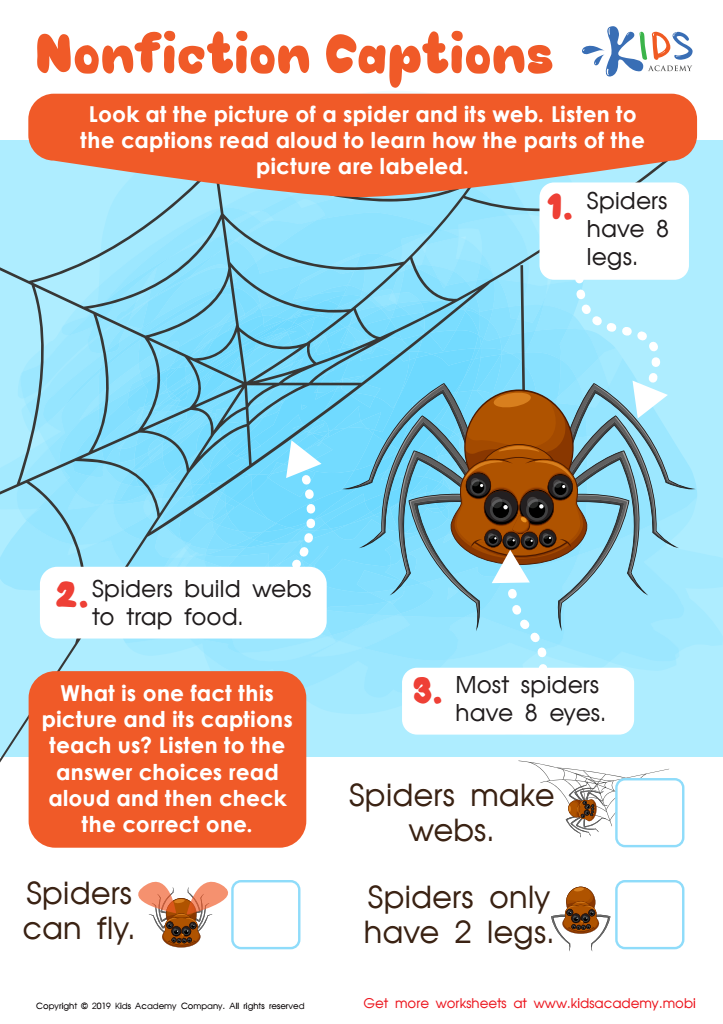
Nonfiction Captions Worksheet
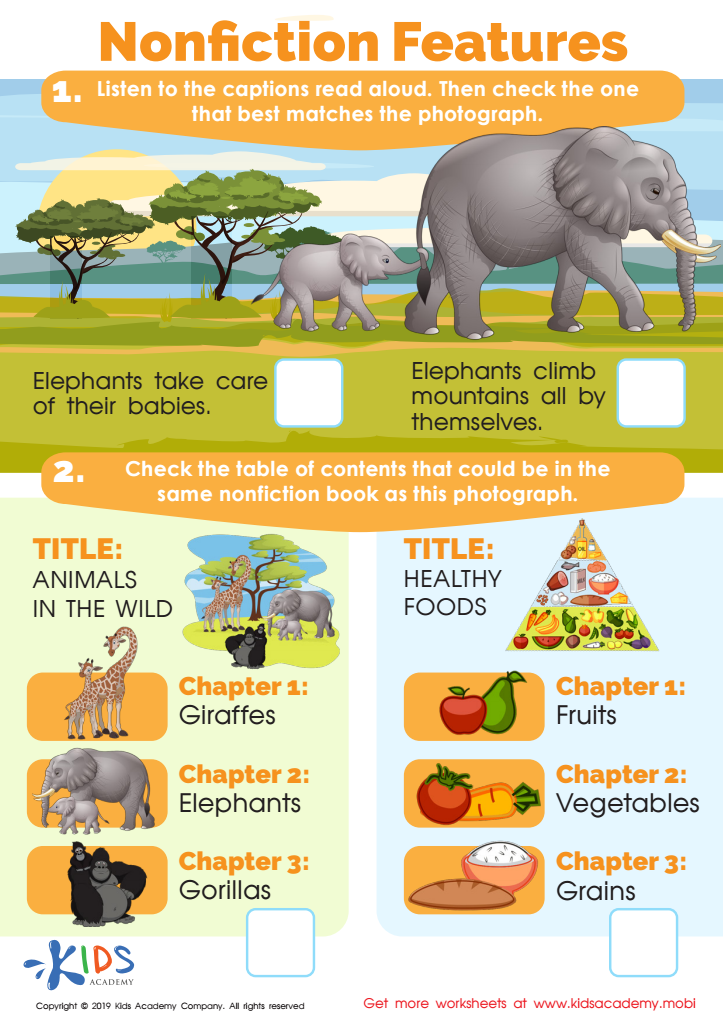
Nonfiction Features Worksheet








Encouraging young children aged 3-7 to engage in extra-challenge reading of nonfiction content is immensely beneficial for their overall development. Nonfiction books introduce them to real-world concepts, broadening their understanding of the world while still at an impressionable age. This genre encompasses a vast range of topics including animals, science, history, and everyday phenomena, each of which can ignite curiosity and foster a lifelong love for learning.
At this developmental stage, children's brains are extraordinarily receptive to absorbing information. Engaging with nonfiction helps in developing their intellectual capabilities by providing factual and often visually stimulating material, which sharpens their attention span and enhances comprehension skills. It also aids in vocabulary expansion by introducing them to new terms and helping them make connections between words and the real-world objects or concepts they describe.
Additionally, early engagement with nonfiction supports critical thinking skills. Children learn to differentiate between fiction and reality, develop questioning attitudes, and seek out facts, laying a strong foundation for future academic success. Parents and teachers should integrate nonfiction reading into their routine because it prepares kids for structured learning environments, making the transition to higher-grade education smoother and more effective. In short, promoting nonfiction reading from an early age sets children on a path to becoming well-rounded, curious, and knowledgeable individuals.