Extra Challenge Comparing Numbers Worksheets for Ages 3-8
5 filtered results
-
From - To
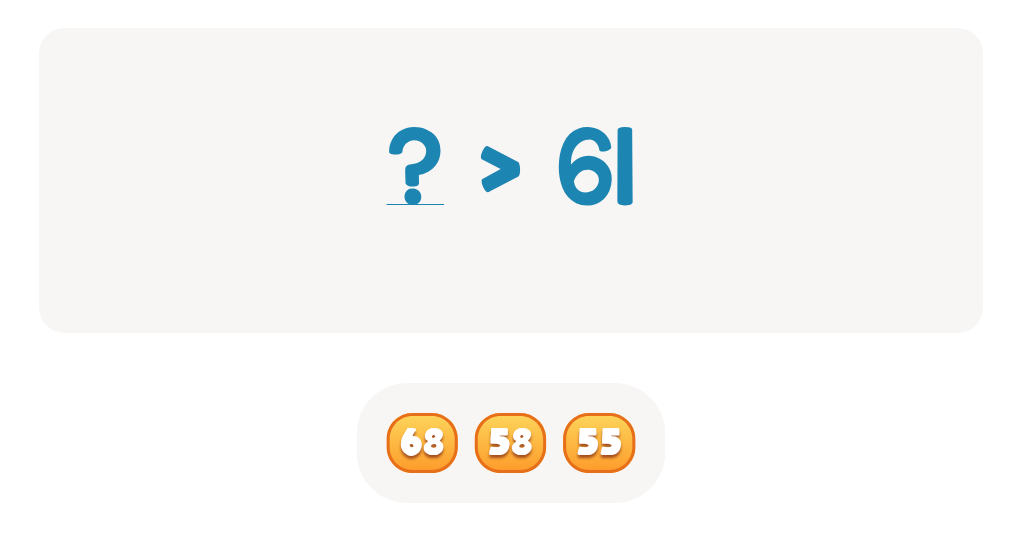
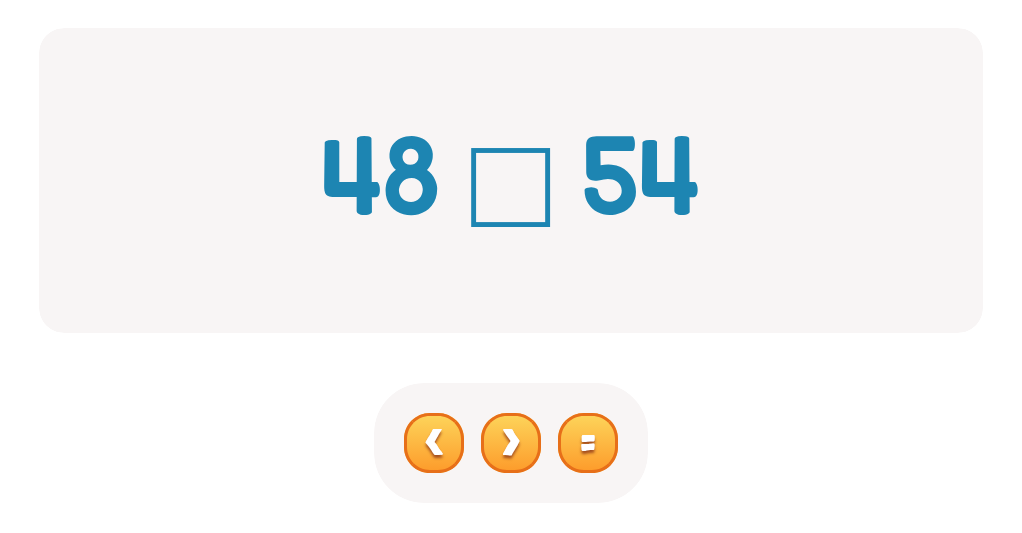
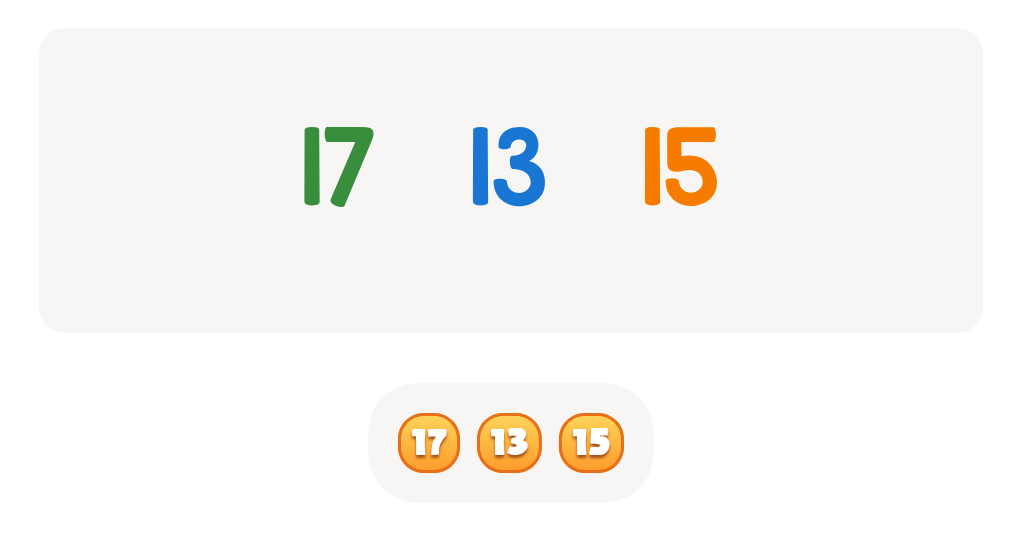
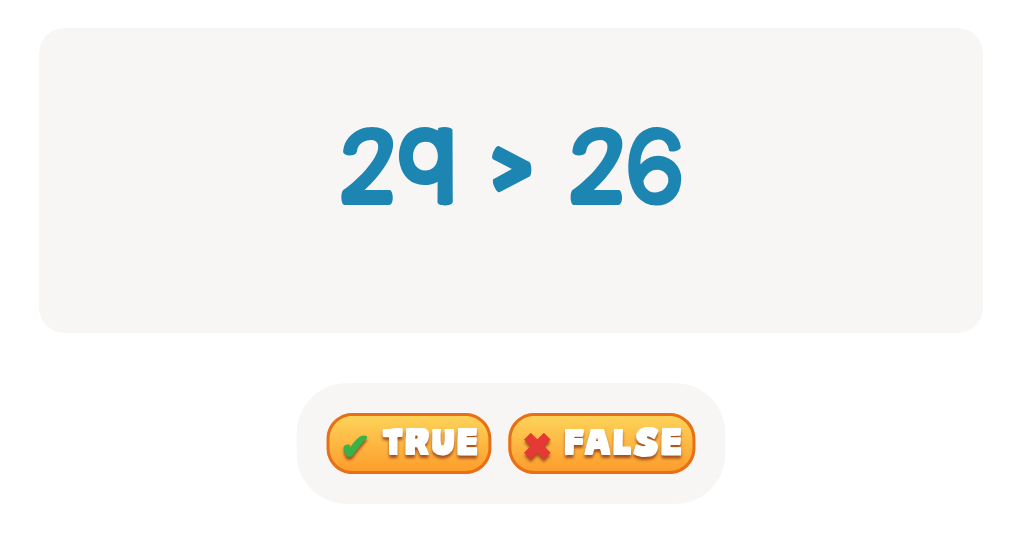
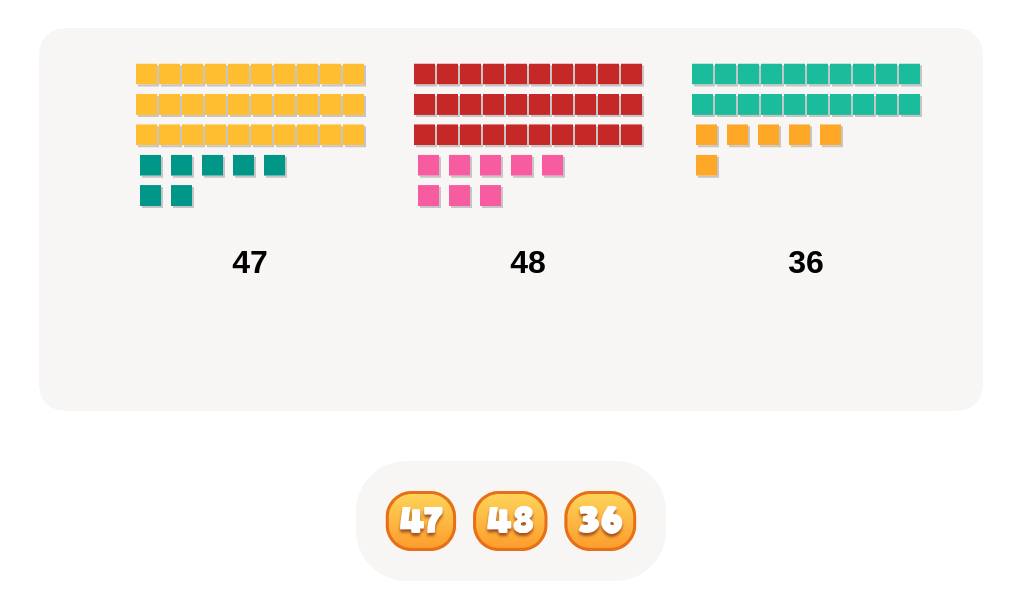
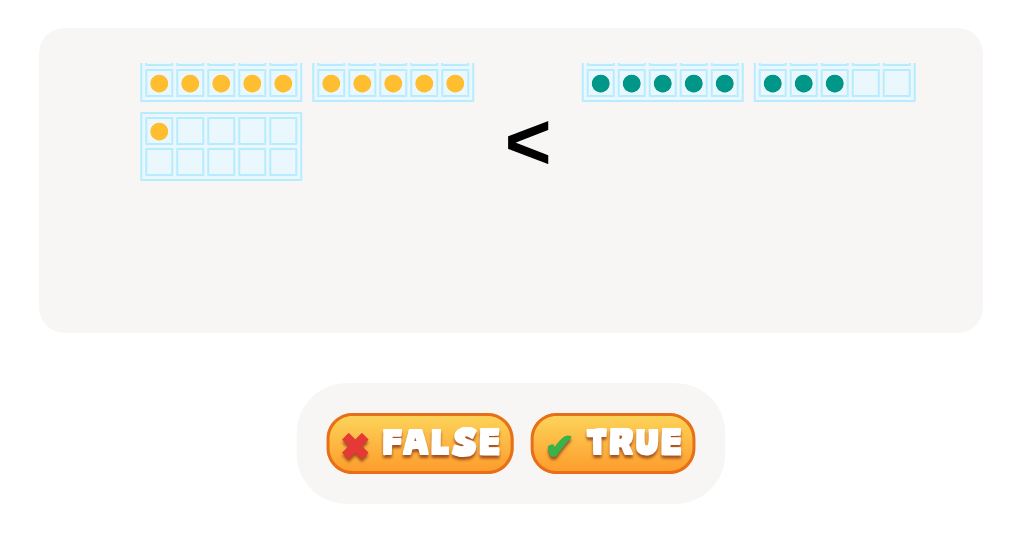
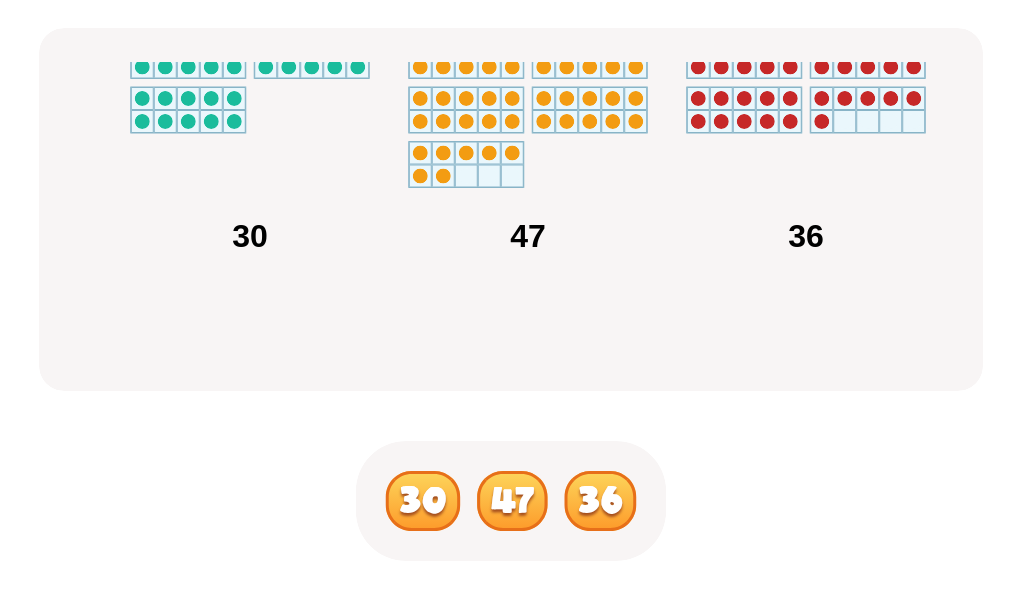
Explore our "Extra Challenge Comparing Numbers Worksheets" designed for children aged 3-8! These engaging worksheets provide a fun and interactive way to enhance your child's number comparison skills. Perfect for early learners, our activities encourage critical thinking as kids identify which numbers are greater or lesser. The worksheets feature colorful illustrations to capture attention and maintain interest, making math both enjoyable and educational. Suitable for home or classroom use, these extra challenges help boost confidence in numeracy while aligning with early learning standards. Encourage your child's mathematical journey today with our thoughtfully crafted comparing numbers worksheets!
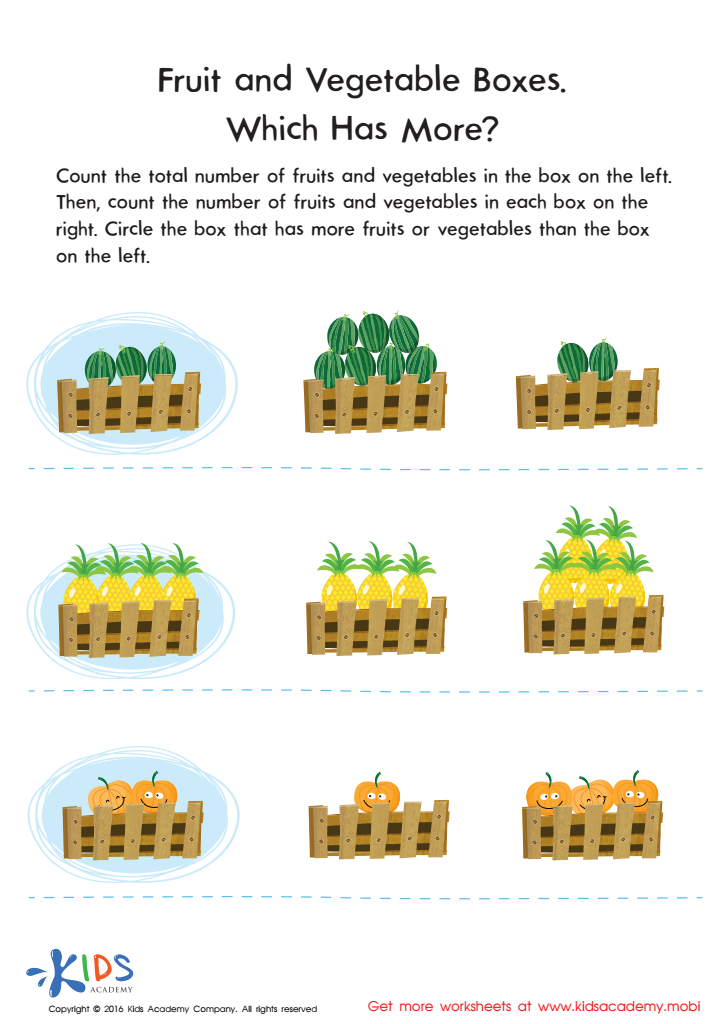
Which Has More? Size Worksheet
 Assign to My Students

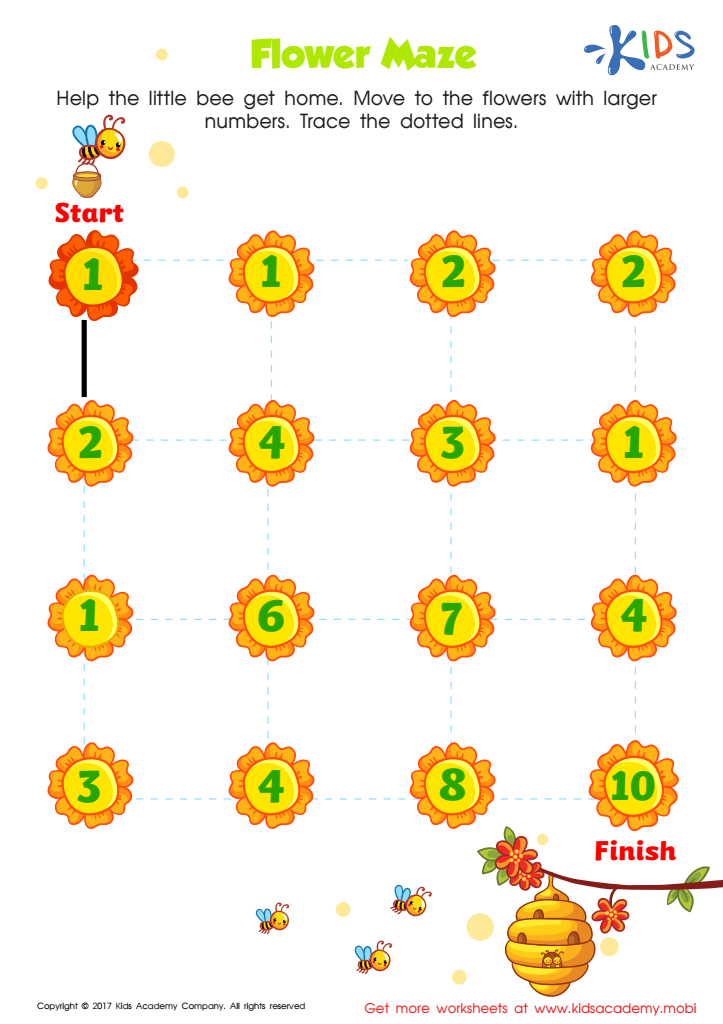
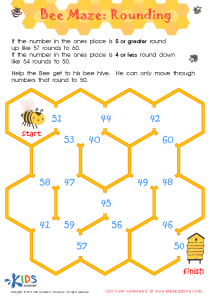
Number Maze For Kindergarten Printable
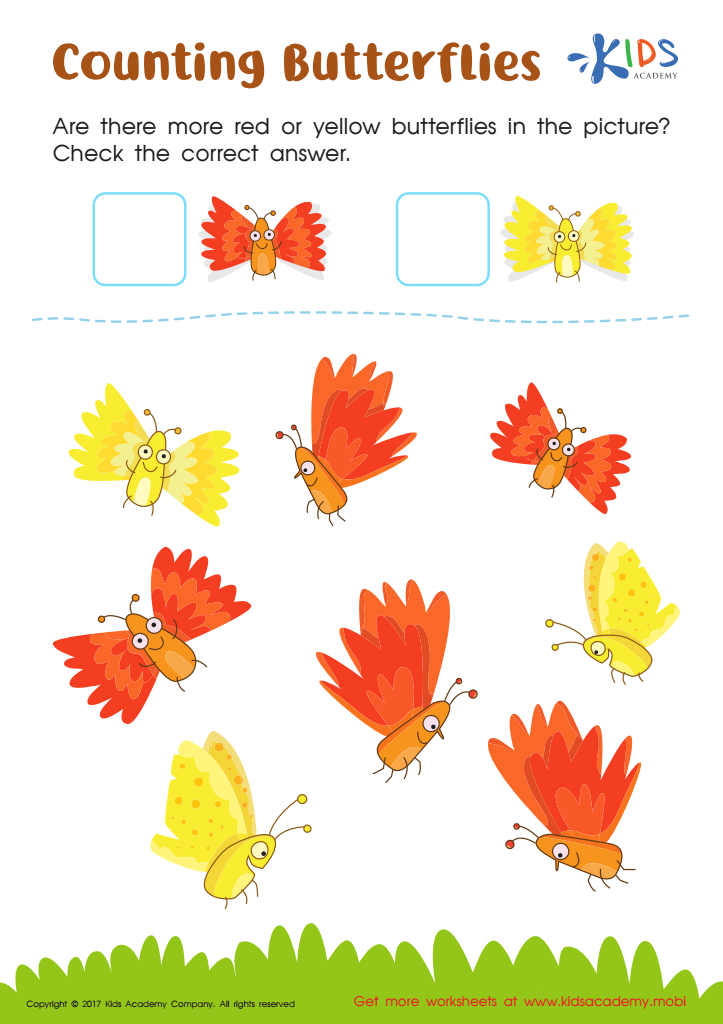
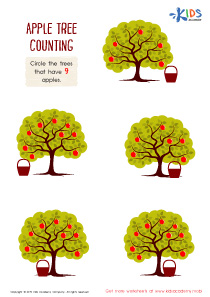
Counting Butterflies Worksheet
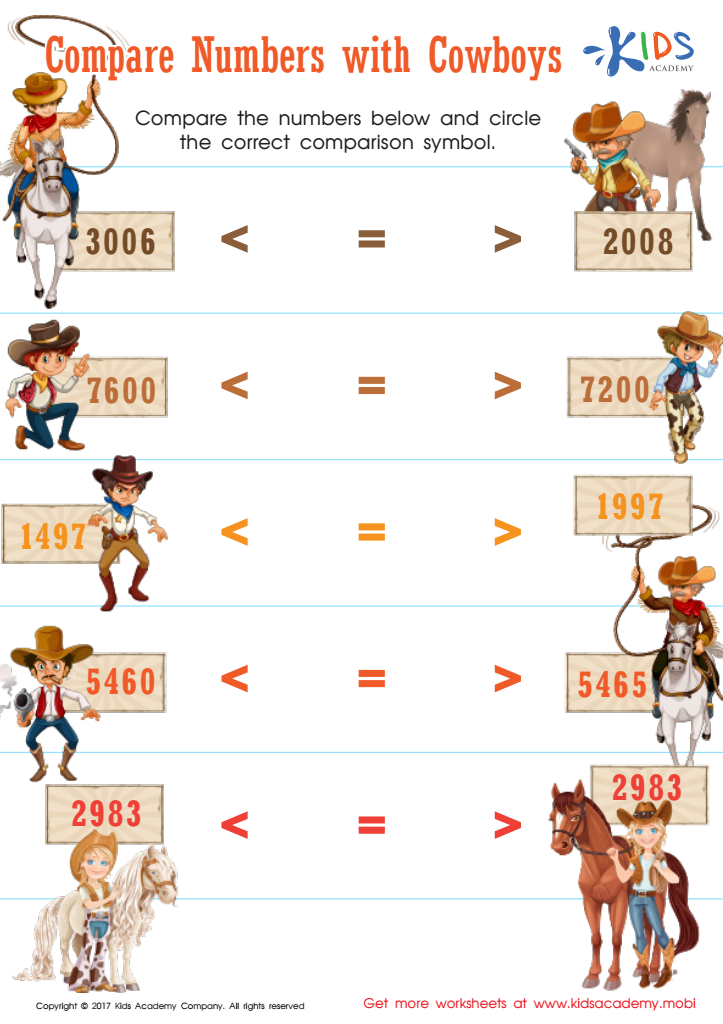
Compare Numbers Worksheet for 3rd Grade
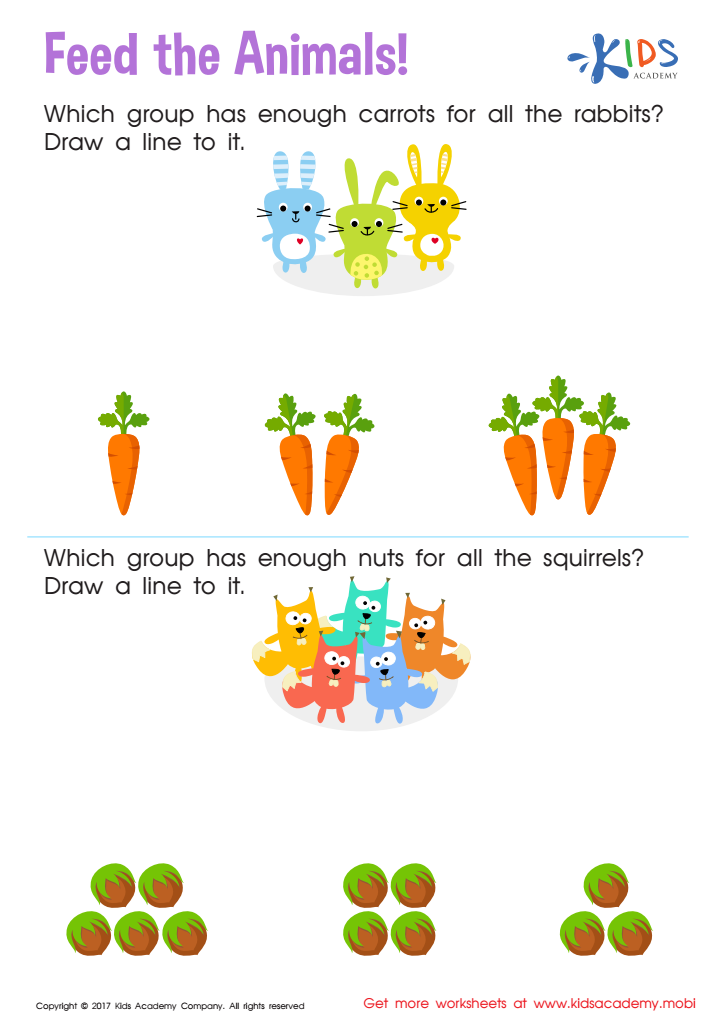
Count and Match: Feed the Animals Worksheet


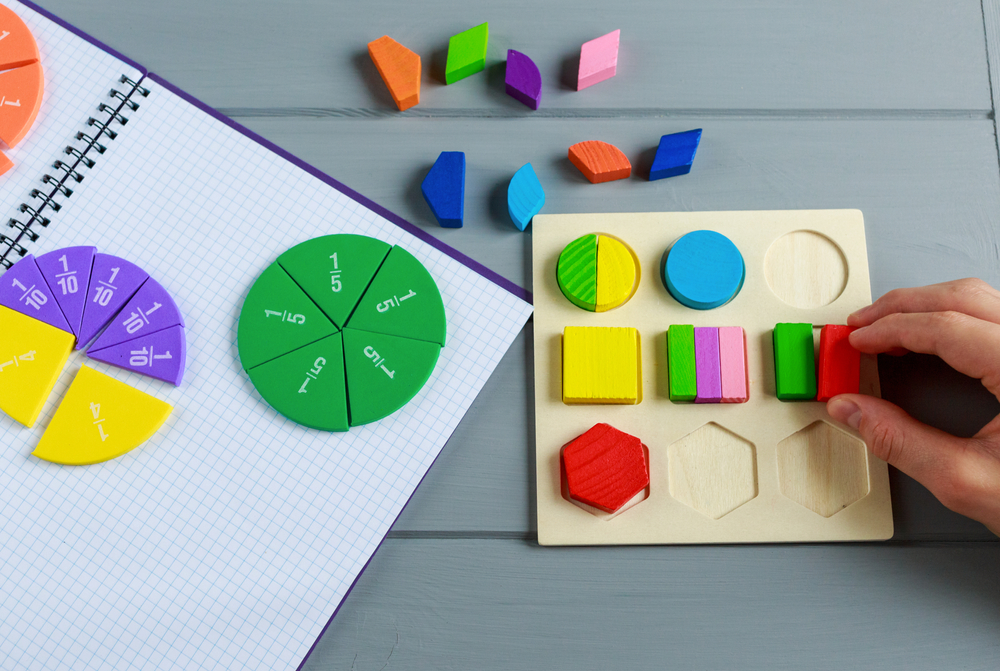





Extra Challenge Comparing Numbers is an essential learning activity for children aged 3-8, targeting foundational math skills crucial for their overall development. Parents and educators should prioritize this activity because it cultivates number sense, which forms the basis for more complex mathematical concepts. By engaging in comparing numbers, children learn to identify larger and smaller quantities, enhancing their analytical thinking and problem-solving skills.
Moreover, this activity supports cognitive development by promoting reasoning and logic. When children compare quantities, they are encouraged to observe relationships, recognize patterns, and develop critical thinking. This not only reinforces basic arithmetic skills but also fosters confidence in their ability to tackle mathematical tasks.
Furthermore, early mastery of these skills can bridge the gap for future educational success. A strong understanding of number comparison can lead to proficiency in addition, subtraction, and even more advanced concepts as they progress through school.
Lastly, comparing numbers in a playful and engaging manner makes learning enjoyable, promoting a positive attitude toward math. By nurturing these skills in early childhood, parents and teachers lay a solid foundation for lifelong learning and enthusiasm for mathematics, ultimately preparing children for more complex challenges in their educational journey.