Extra Challenge Physical Science Worksheets for Ages 5-7
3 filtered results
-
From - To
Discover our "Extra Challenge Physical Science Worksheets for Ages 5-7" designed to stimulate young minds! Perfect for young explorers ready to dive deeper into physical science, these worksheets encourage critical thinking and problem-solving skills. Packed with engaging activities, they'll learn key concepts like motion, energy, and materials through fun, hands-on experiments. Ideal for both classroom and home use, these worksheets aim to develop a solid foundation in science, fostering curiosity and a love for learning. Help your child excel and spark their scientific creativity today with our expertly crafted worksheets!
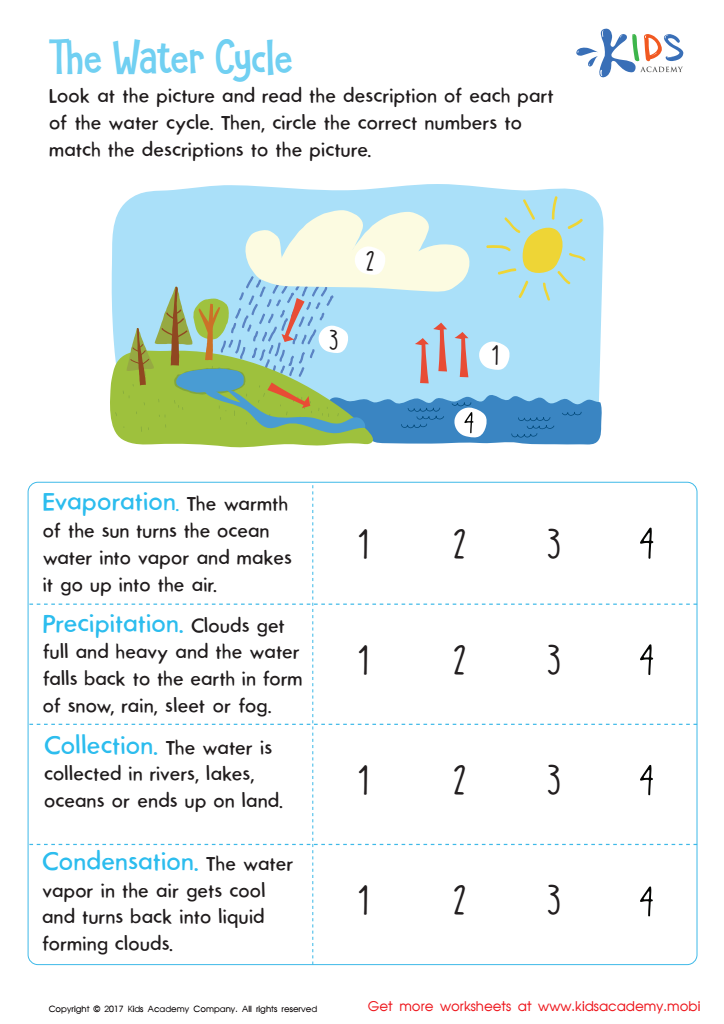
The Water Cycle Worksheet
 Assign to My Students
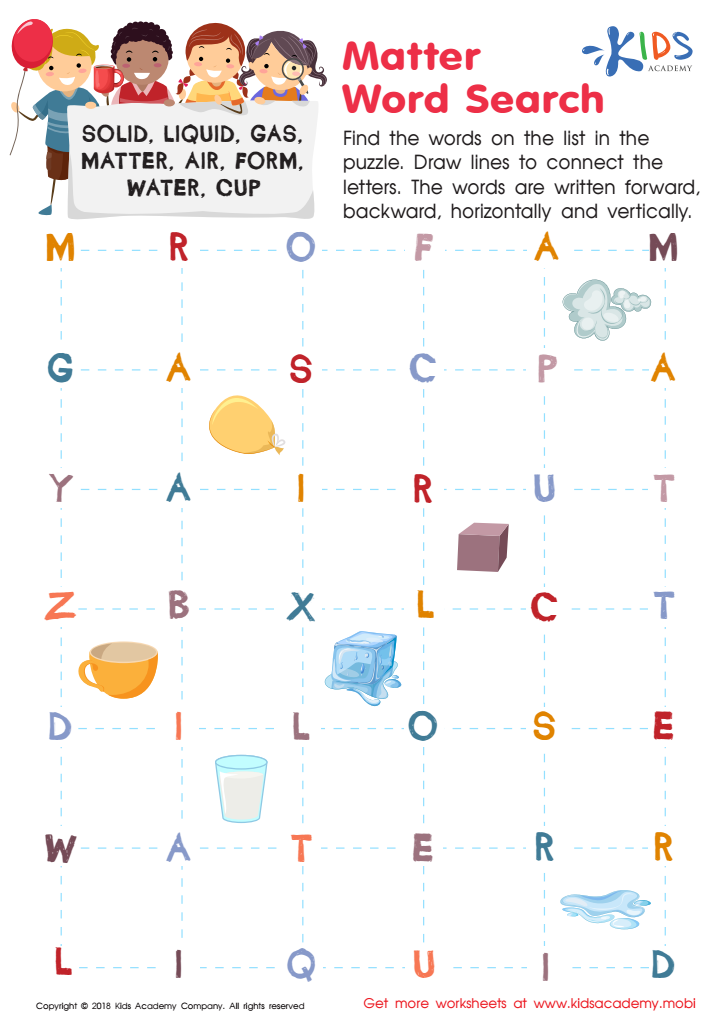
Matter Word Search Worksheet
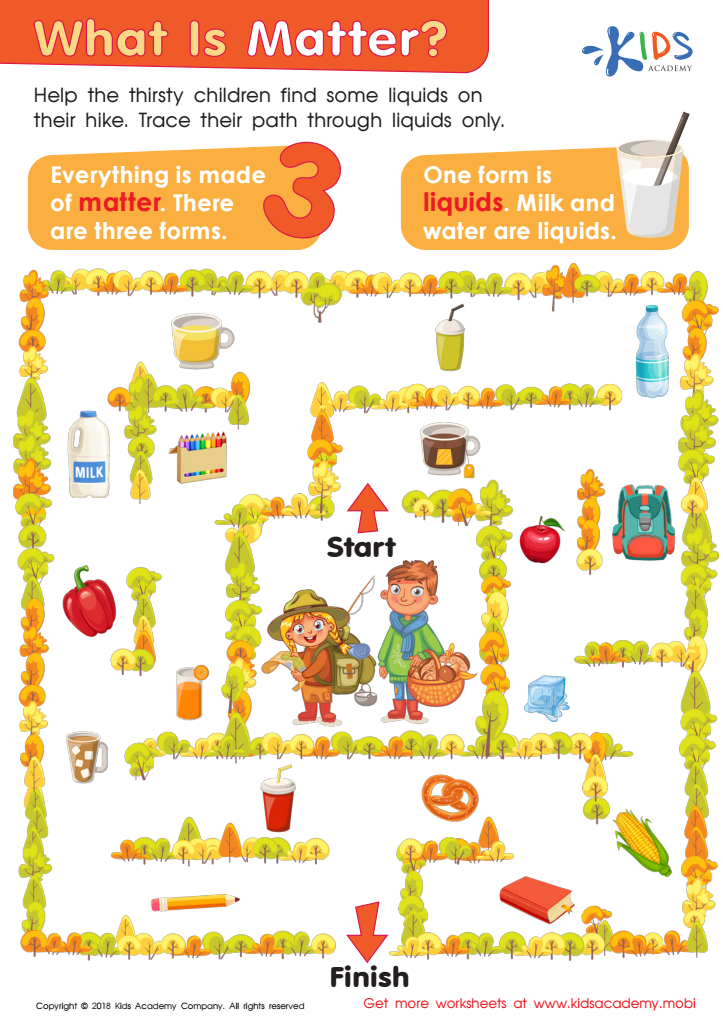
What Is Matter? Worksheet







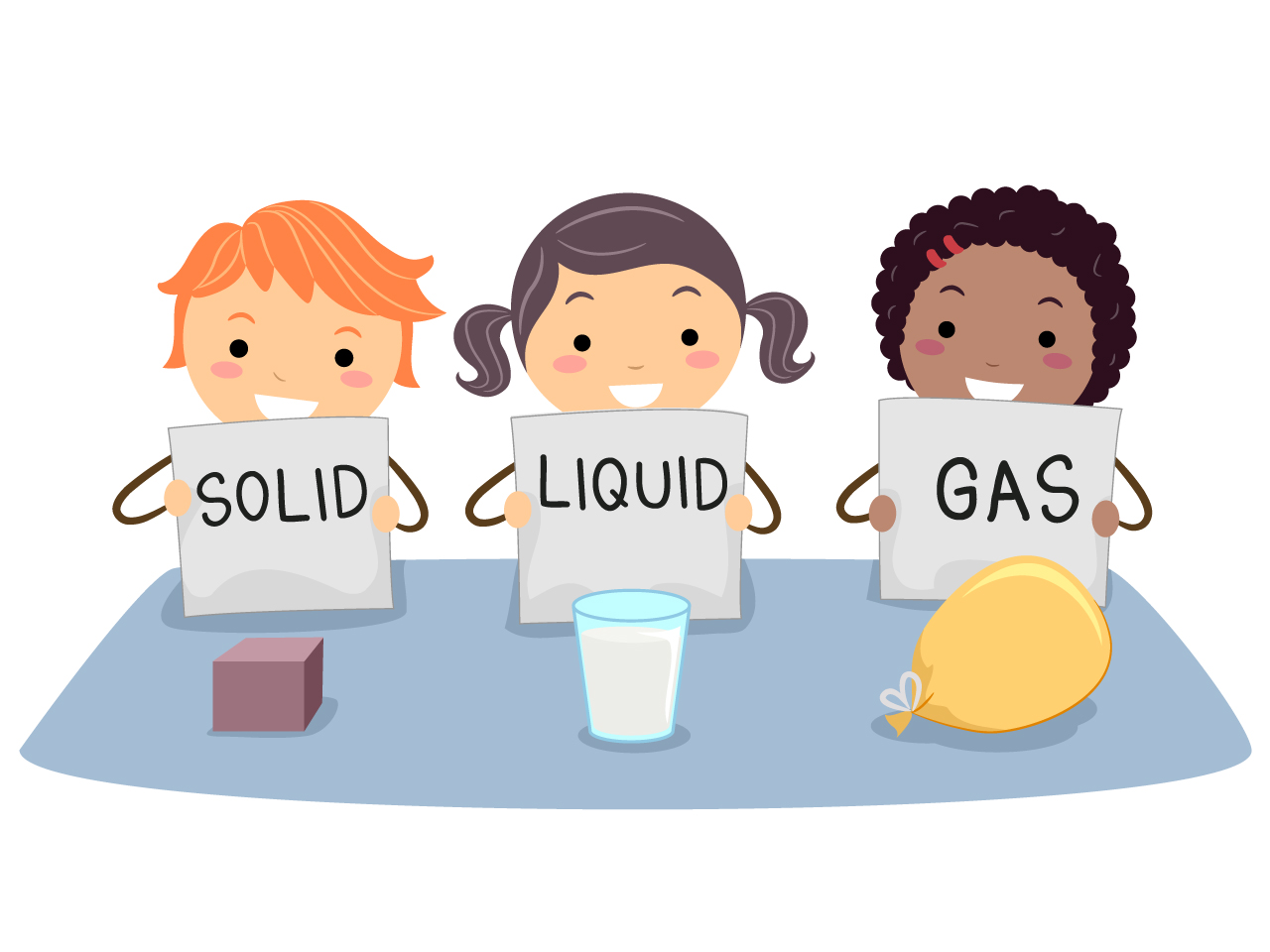
Extra Challenge Physical Science activities for ages 5-7 provide critical developmental benefits that parents and teachers should prioritize. At this early stage, children's brains are highly receptive to new information, and introducing them to physical science helps develop cognitive skills such as observation, analysis, and critical thinking. These skills are foundational for future academic success across all subjects. Extra challenges in particular push students beyond basic concepts, encouraging deeper understanding and creativity.
Hands-on experiments and problem-solving tasks make learning interactive and enjoyable, fostering a lasting curiosity about the natural world. This engagement can nurture a lifelong love of science, inspiring some children to pursue advanced studies or careers in STEM fields. Moreover, these activities help to build confidence in young learners as they work through challenges and witness their own ability to make discoveries and solve problems.
Early exposure to scientific principles also promotes practical life skills, such as patience, perseverance, and the ability to work collaboratively. By engaging with physical science concepts through extra challenge activities, children also learn to approach complex problems methodically. Parents and teachers who invest time in these activities provide children with a solid foundation for future learning and personal development, making it a critical component of early childhood education.