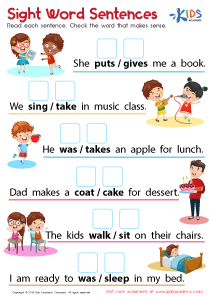
Extra Challenge Reading Non-Fiction Worksheets for Ages 6-7
3 filtered results
-
From - To
Introducing our Extra Challenge Reading Non-Fiction worksheets, expertly crafted for curious minds aged 6-7. Designed to stretch young readers beyond the basics, these worksheets offer engaging, age-appropriate non-fiction content that captivates and educates. Through a series of thoughtfully constructed activities, children will enhance their comprehension, vocabulary, and critical thinking skills, all while exploring fascinating subjects. Ideal for both classroom use and at-home learning, our Extra Challenge Reading Non-Fiction for Ages 6-7 collection promises to inspire a love for learning and discovery in young scholars, preparing them for a lifetime of intellectual exploration.
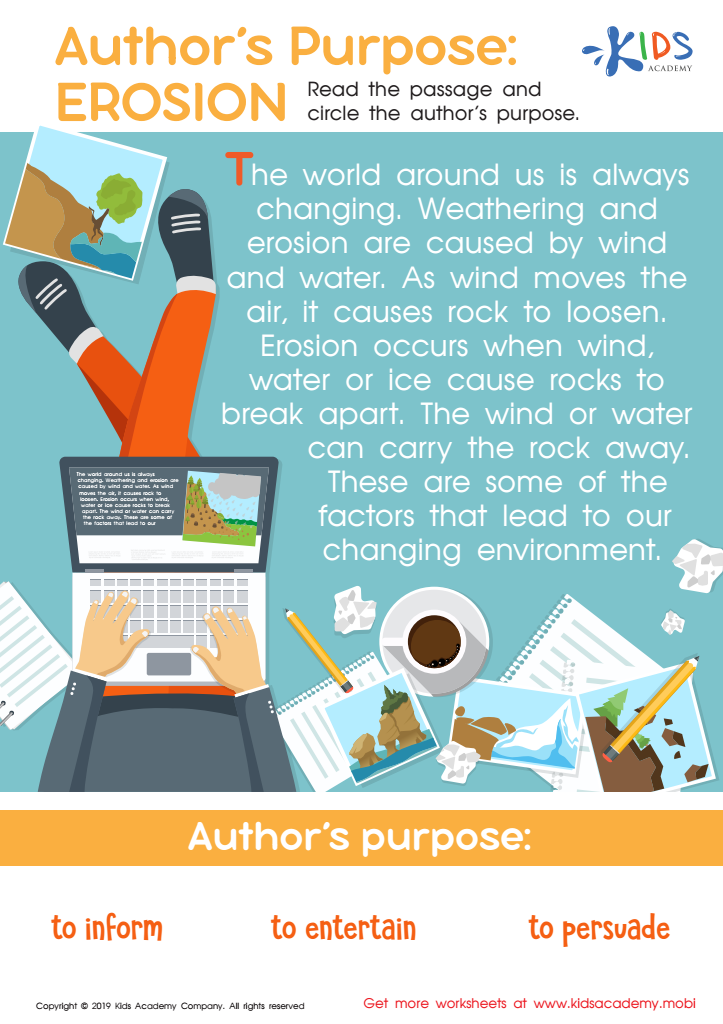
Author’s Purpose: Erosion Worksheet
 Assign to My Students
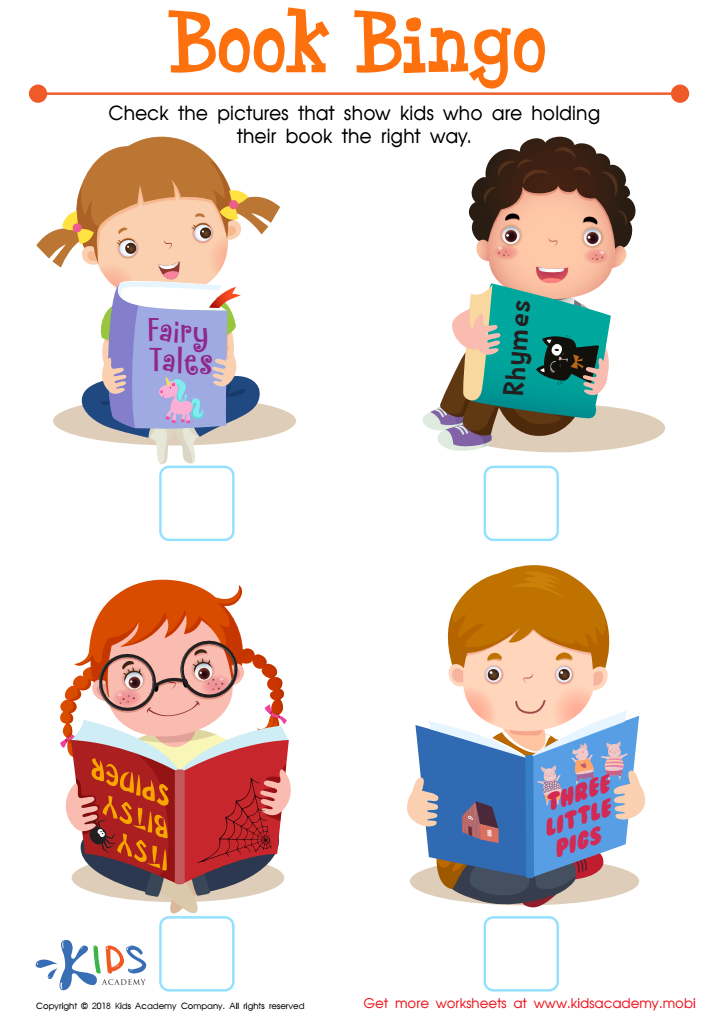
Book Bingo Worksheet
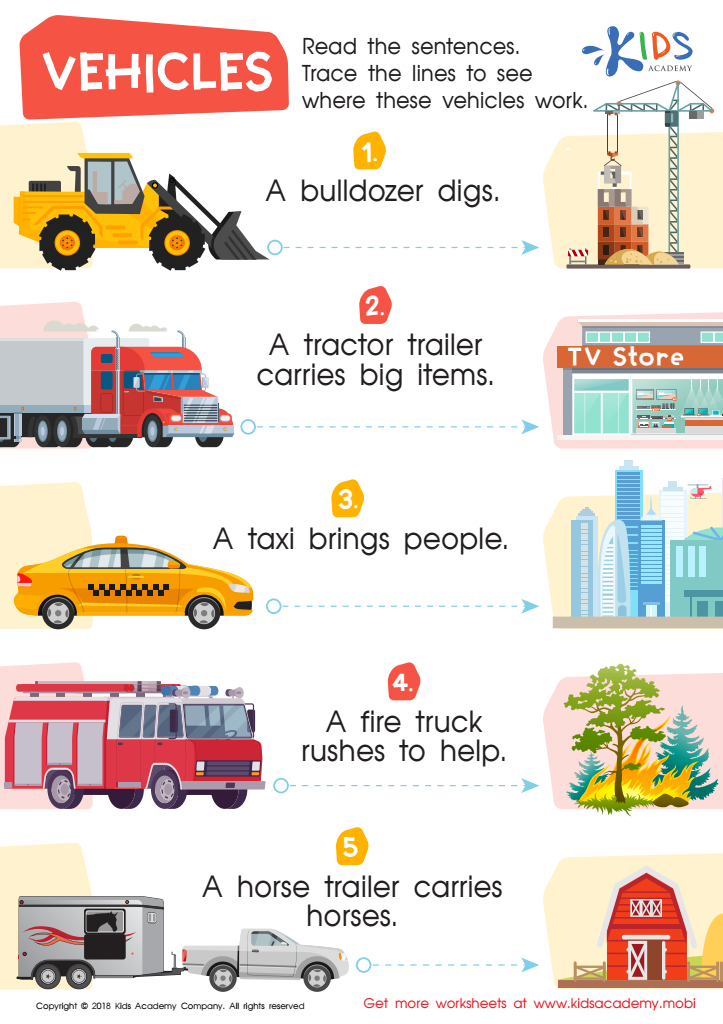
Vehicles Worksheet








Extra Challenge Reading Non-Fiction for Ages 6-7 worksheets are an invaluable resource for young learners embarking on their educational journey. At this critical developmental stage, children are not only learning to read but also to understand and process information from the world around them. These worksheets are tailored to meet the unique needs of 6 to 7-year-olds by providing content that is both engaging and educative.
One of the key benefits of the Extra Challenge Reading Non-Fiction for Ages 6-7 worksheets is that they introduce children to a variety of topics, from science and history to geography and technology. This exposure broadens their knowledge base and sparks curiosity about the world, encouraging them to ask questions and seek answers. Furthermore, the worksheets are designed to enhance comprehension skills by teaching children how to identify key facts, understand cause and effect, and differentiate between opinions and facts—all crucial skills in navigating our information-rich world.
Moreover, these worksheets help in developing critical thinking and analytical skills. As children engage with the texts, they learn to draw connections, make inferences, and evaluate information, setting a strong foundation for academic success and lifelong learning. By offering an extra challenge, these worksheets ensure that young learners are not only reading but also understanding and interacting with non-fiction content in a meaningful way.