Normal Worksheets for Ages 3-9 - Page 69
1637 filtered results
-
From - To
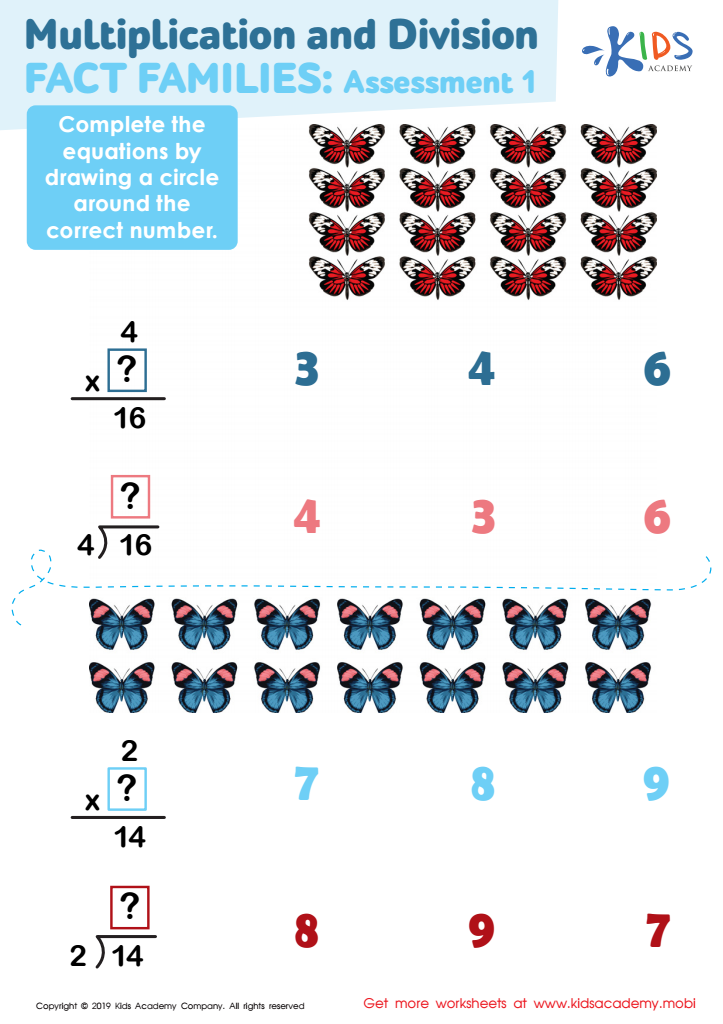
Multiplication and Division Fact Families Assessment 1 Worksheet
 Assign to My Students
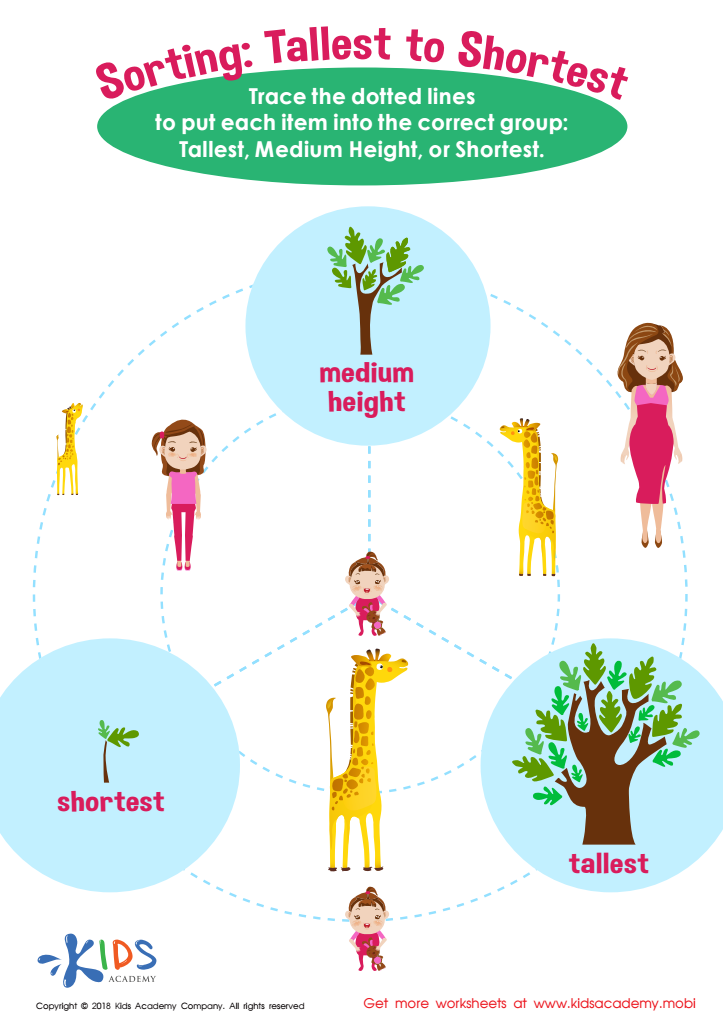
Sorting: Tallest to Shortest Worksheet
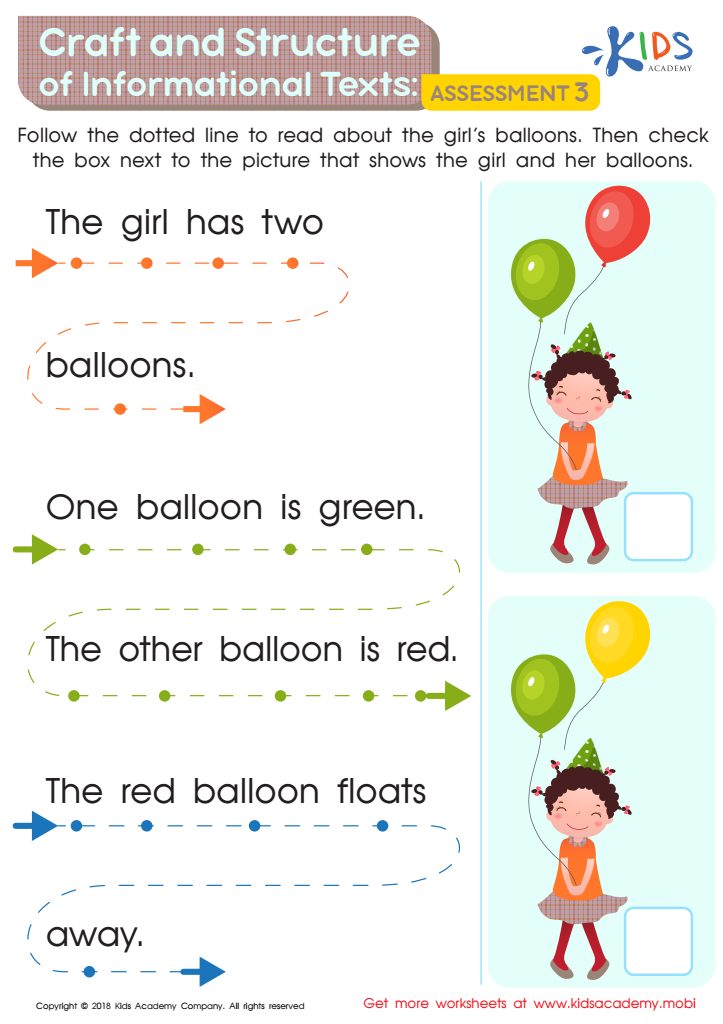
Craft and Structure of Informational Texts: Assessment 3 Worksheet
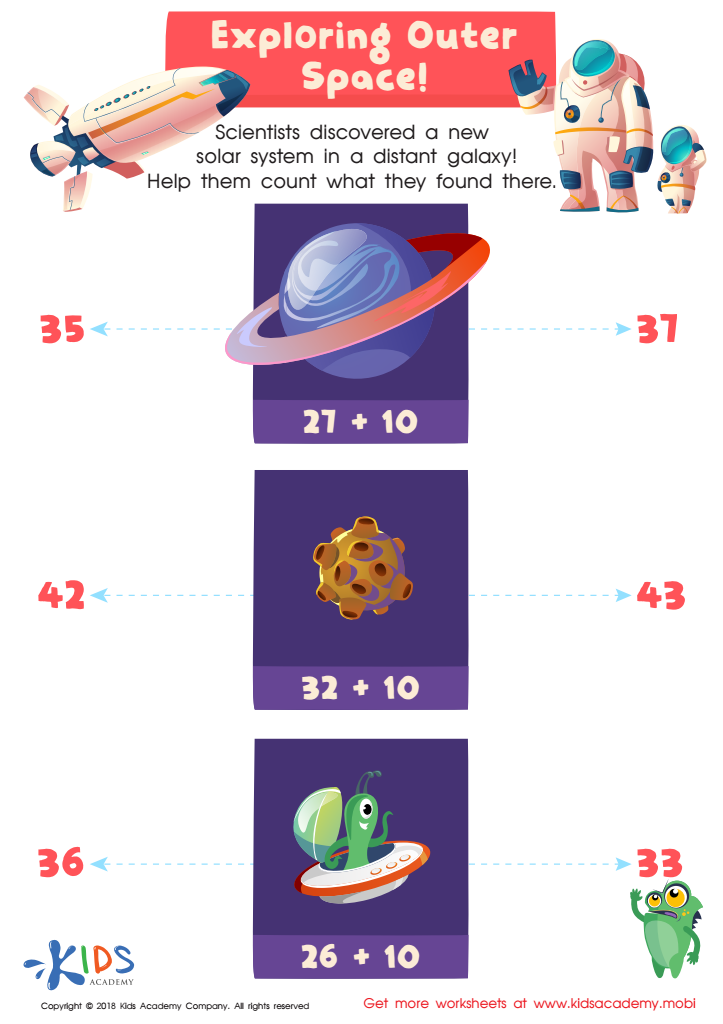
Exploring Outer Space Worksheet
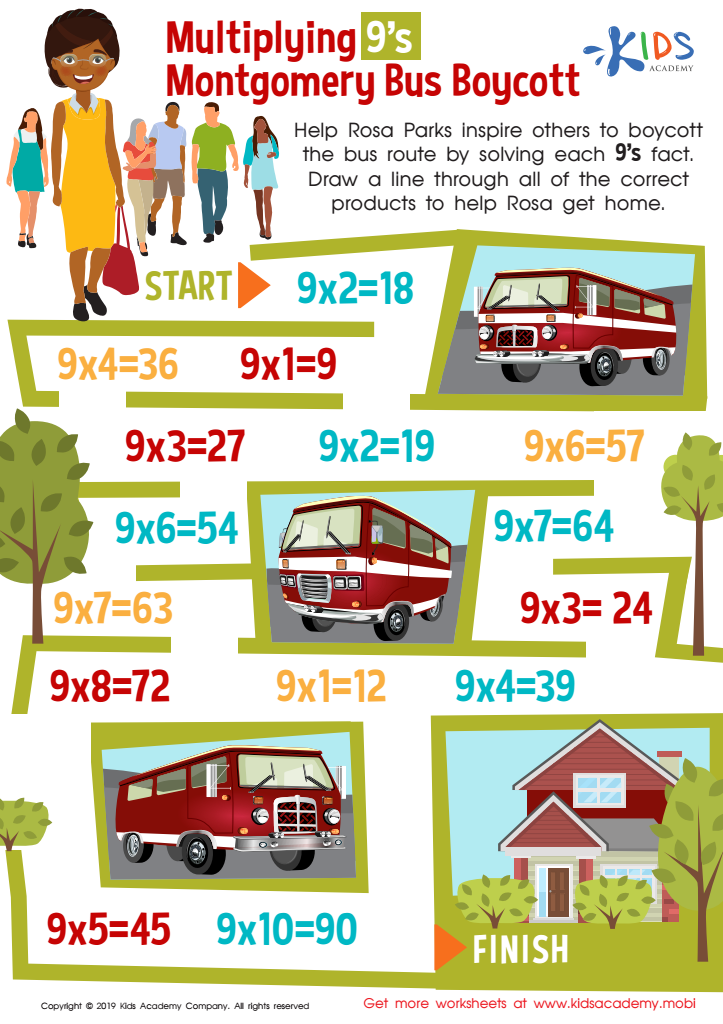
Multiplying 9’s Montgomery Bus Boycott Worksheet







Parents and teachers should care about the concept of "normal" for ages 3-9 because understanding this developmental phase is crucial for fostering healthy growth and learning. During these early years, children undergo rapid cognitive, emotional, and social development. Recognizing what is typical behavior and development helps caregivers set appropriate expectations and identify when a child may need additional support.
By understanding the normal milestones for this age group, adults can better nurture children's strengths and address any challenges they may face. This, in turn, has a positive impact on a child’s self-esteem and motivation to learn. Moreover, the early years are foundational for future learning; establishing solid educational and social foundations is vital.
Additionally, acknowledging a range of normal behaviors fosters an inclusive environment in schools and communities. It helps reduce stigma for children who may display atypical behavior or developmental progress, promoting empathy among peers.
By paying close attention to developmental norms, parents and teachers can promote holistic well-being and advocate for resources or interventions when necessary, ensuring all children receive the support they need to thrive both academically and socially. Building a supportive, informed community makes a lasting difference in children's lives, setting them up for future success.








