Normal Plants and Animals Worksheets for Ages 3-9 - Page 5
100 filtered results
-
From - To
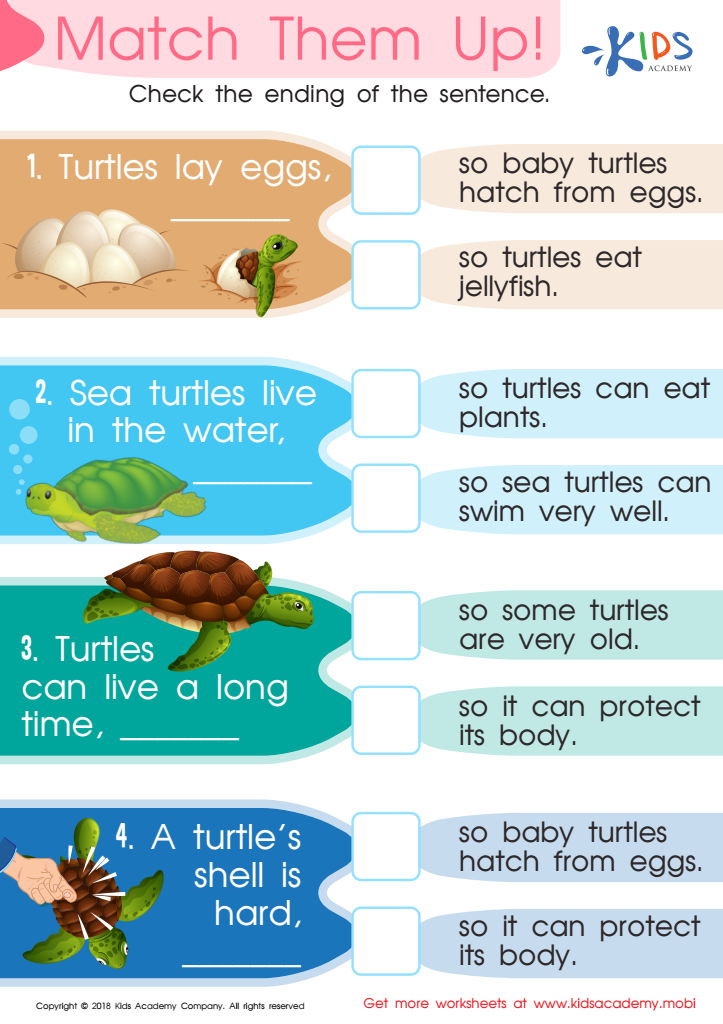
Match Them Up Worksheet
 Assign to My Students











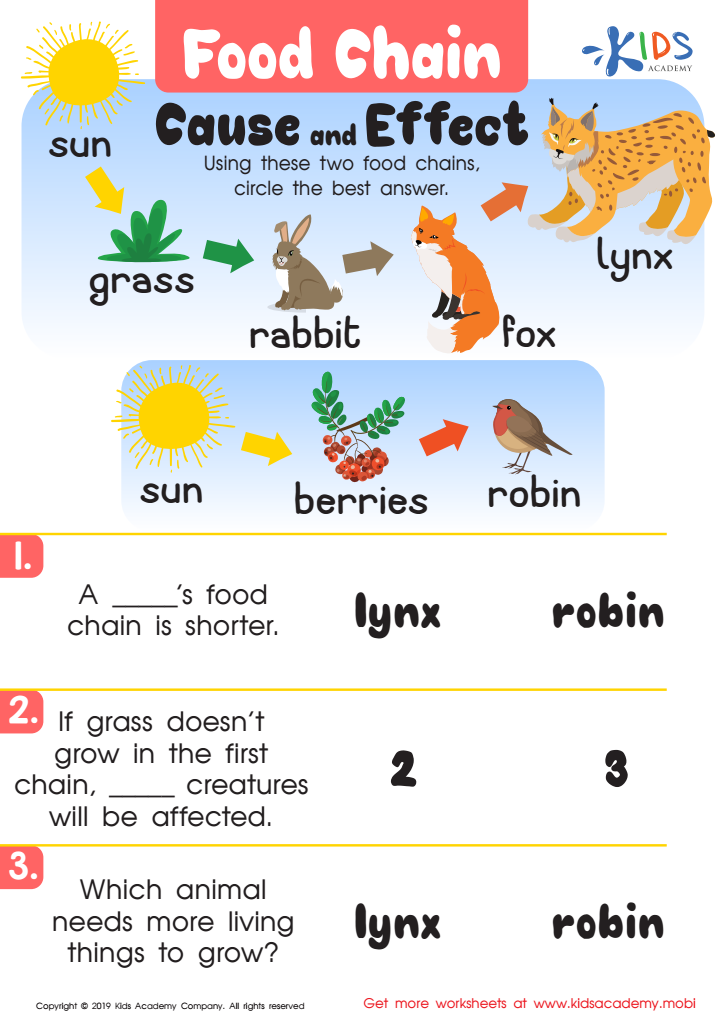
Food Chain Cause Worksheet
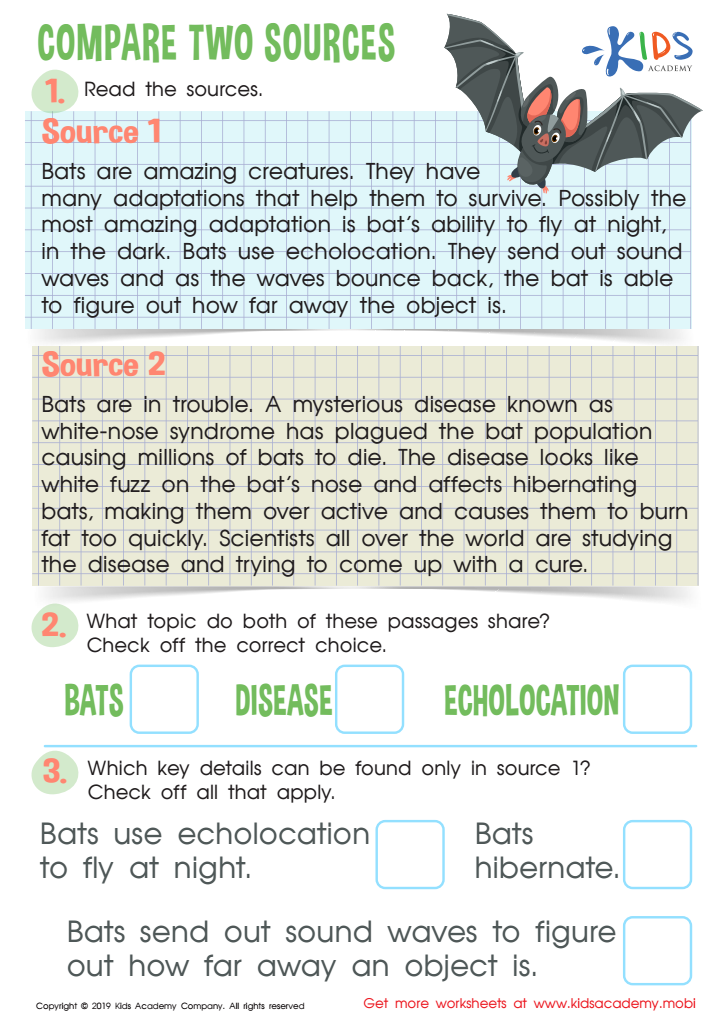
Compare Two Sources Worksheet
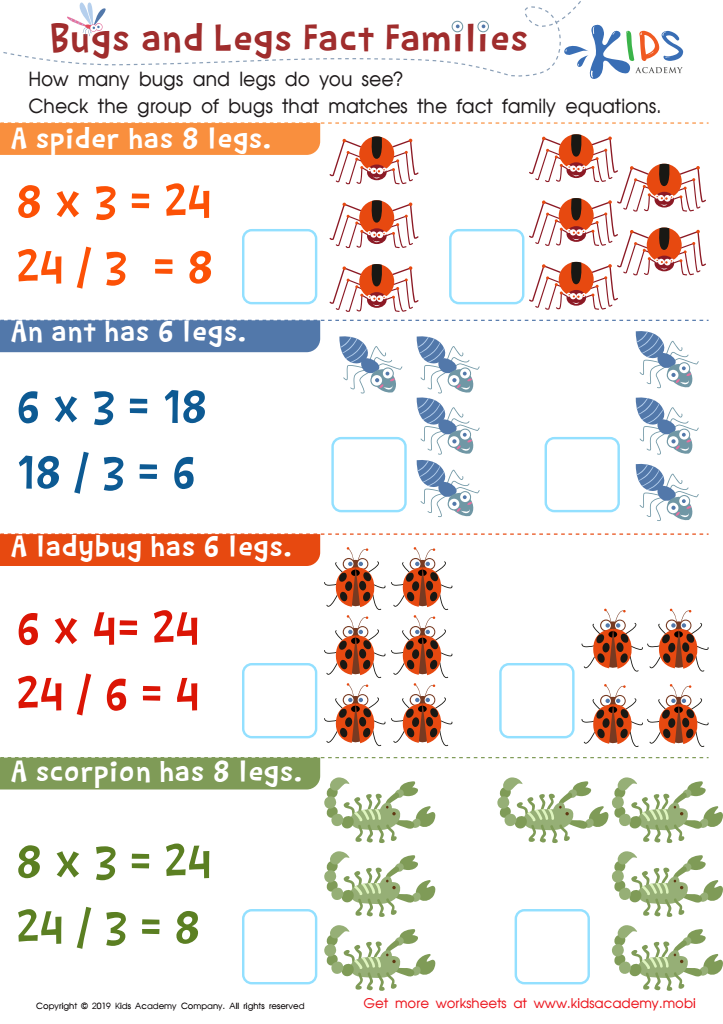
Bugs and Legs Fact Families Worksheet








Parents and teachers should care about normal plants and animals for children ages 3-9 because they play a crucial role in early childhood education and development. Introducing children to plants and animals fosters a sense of curiosity and wonder about the natural world. It encourages observation, exploration, and questioning—all vital components of a healthy learning experience.
Learning about plants and animals helps children understand fundamental concepts in biology, ecology, and sustainability. This knowledge lays the foundation for scientific literacy and instills a sense of responsibility towards the environment. Additionally, recognizing and appreciating local plants and animals can nurture empathy and respect for all living things.
Engaging with plants and animals also supports physical and emotional development. Activities such as gardening, hiking, or visiting a zoo provide hands-on learning experiences that enhance motor skills and promote teamwork and social interactions. Moreover, these activities can reduce stress and anxiety, contributing to positive mental health.
Lastly, developing an awareness of local flora and fauna can foster family and community bonds, as shared experiences in nature often enrich relationships and create lasting memories. In sum, valuing normal plants and animals during early childhood can equally inspire a lifelong passion for learning and conservation.







