Normal Space Worksheets for Ages 3-9 - Page 2
37 filtered results
-
From - To
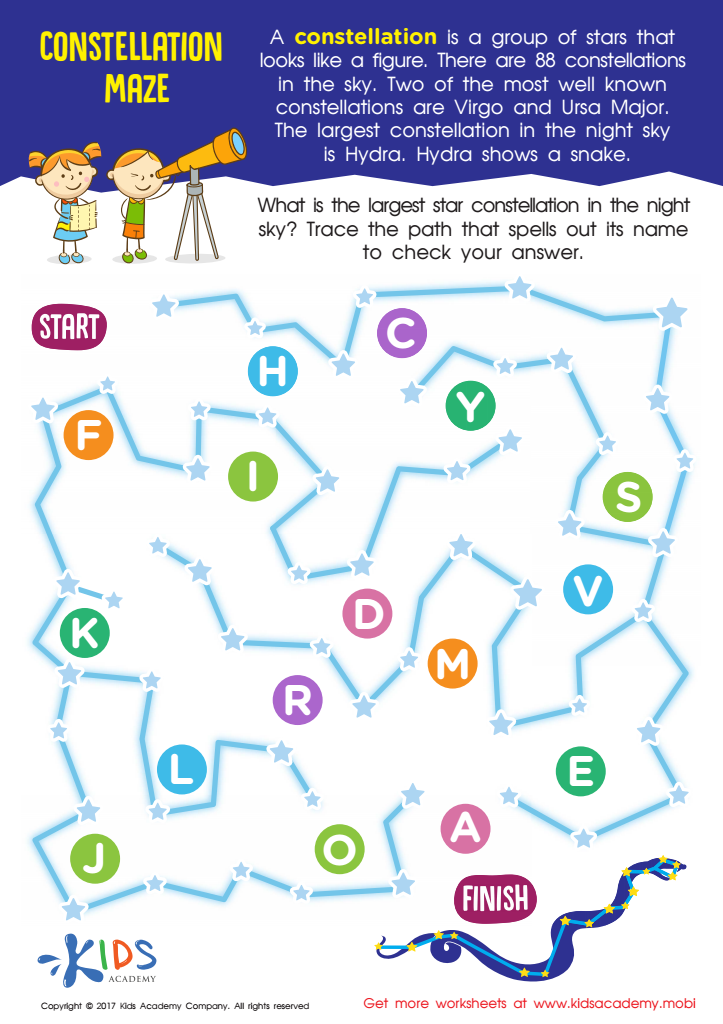
Constellations Worksheet
 Assign to My Students
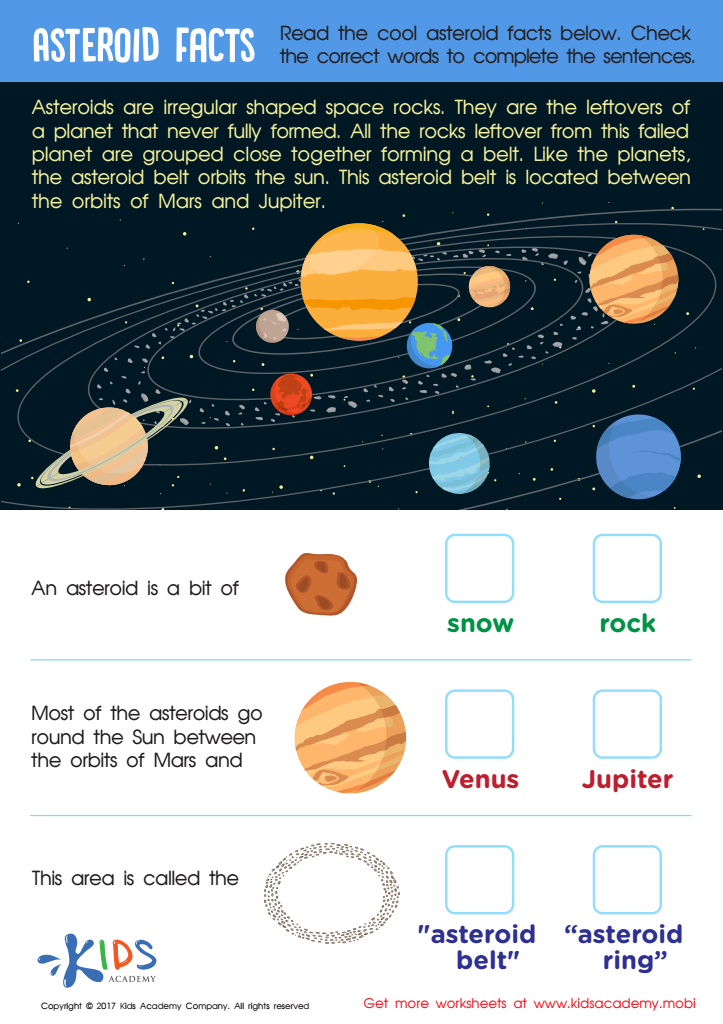
Asteroid Facts Worksheet
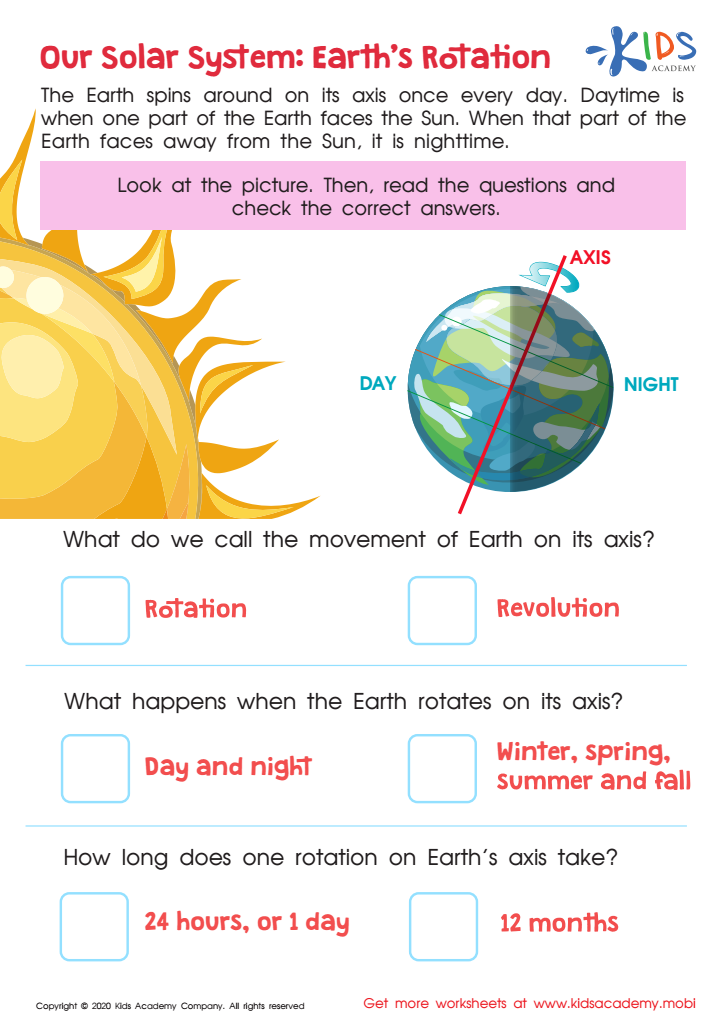
Our Solar System: Earth's Rotation Printable
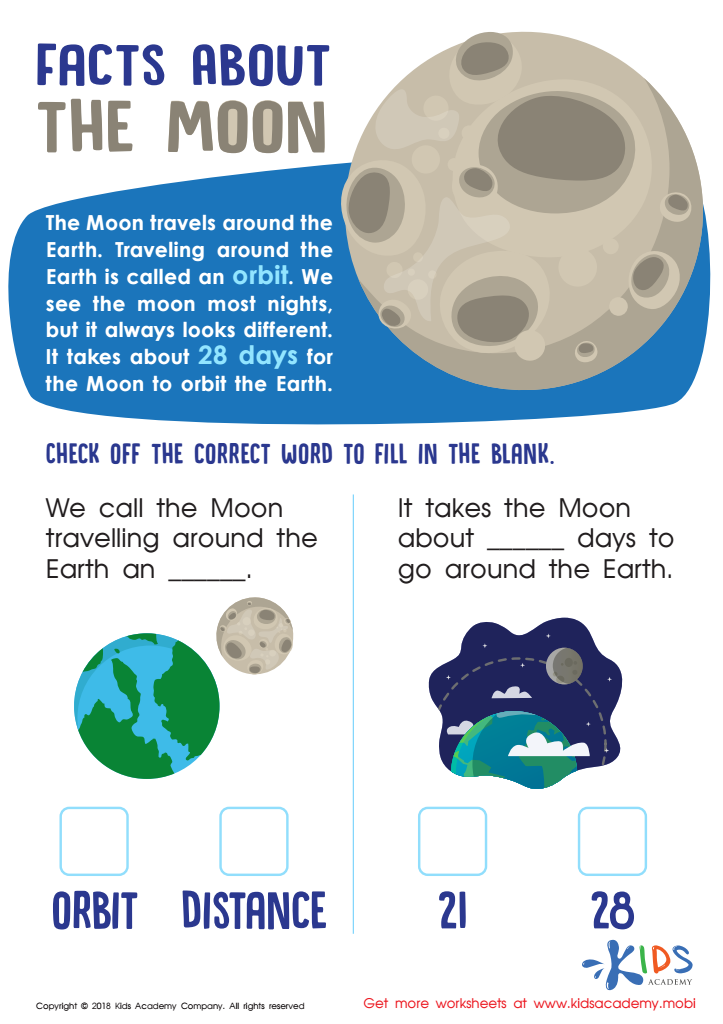
Facts About the Moon Worksheet
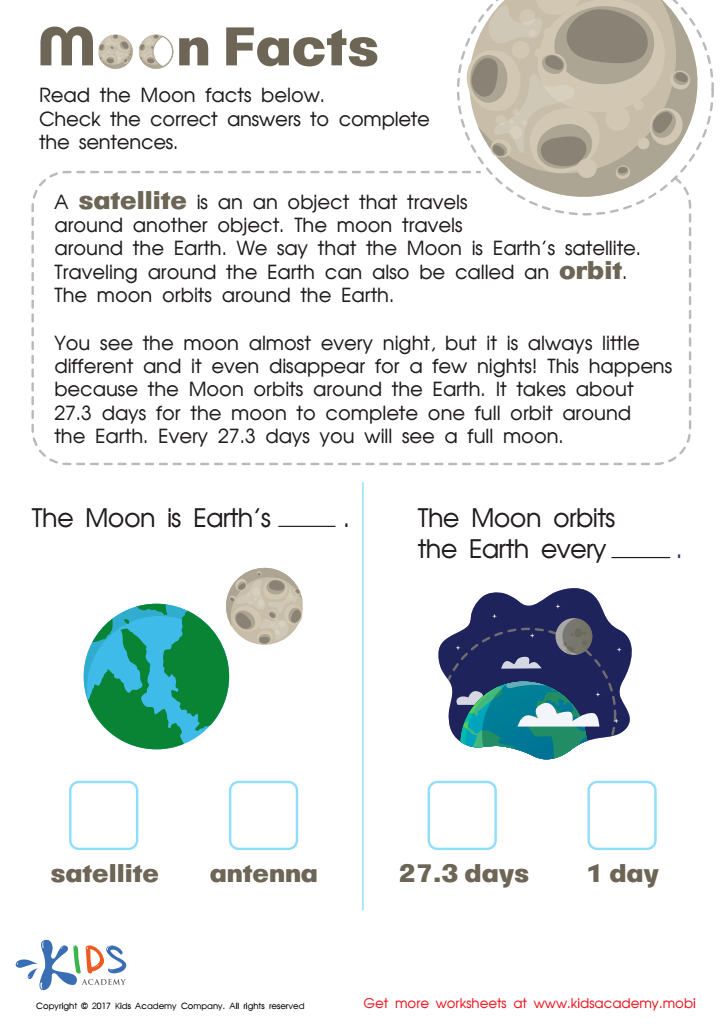
Moon Facts Worksheet
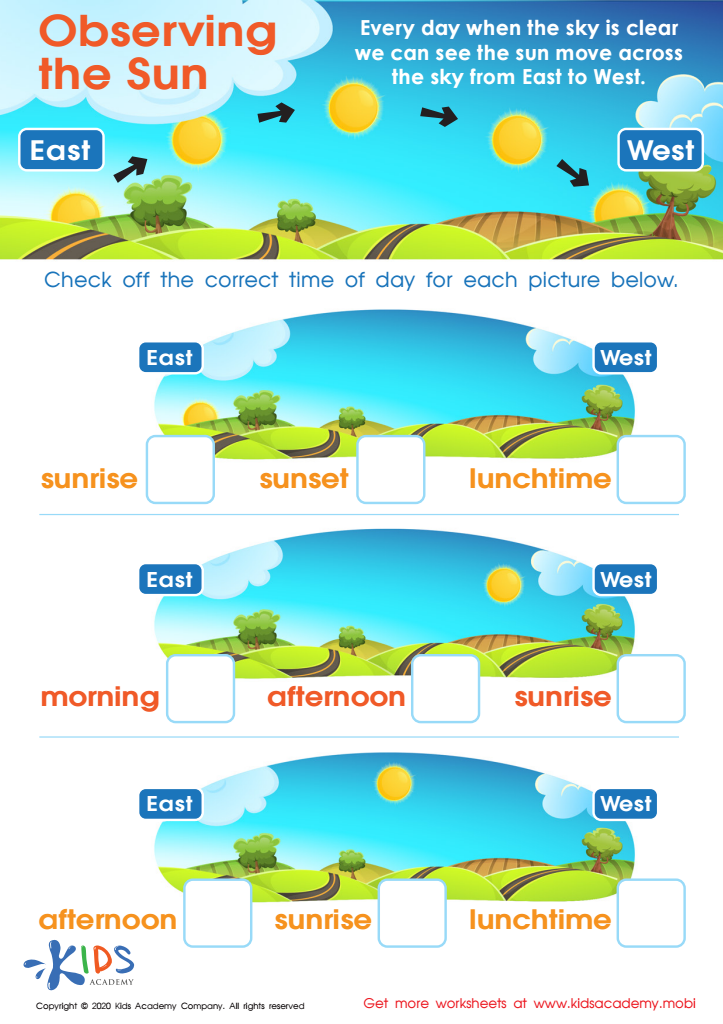
Observing the Sun Worksheet
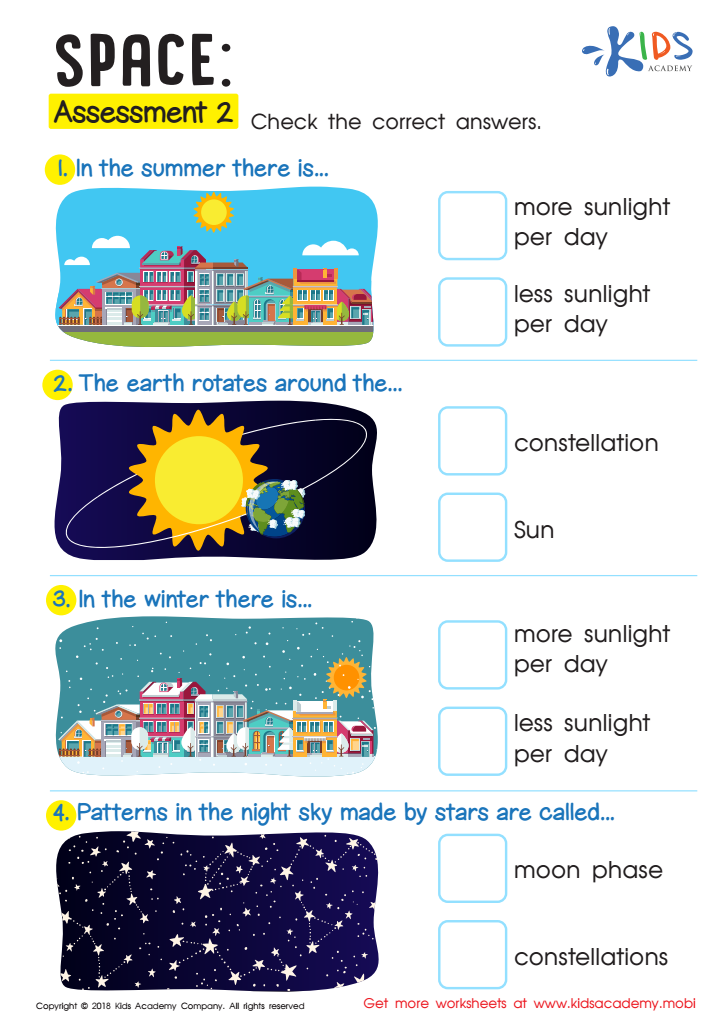
Space: Assessment 2 Worksheet
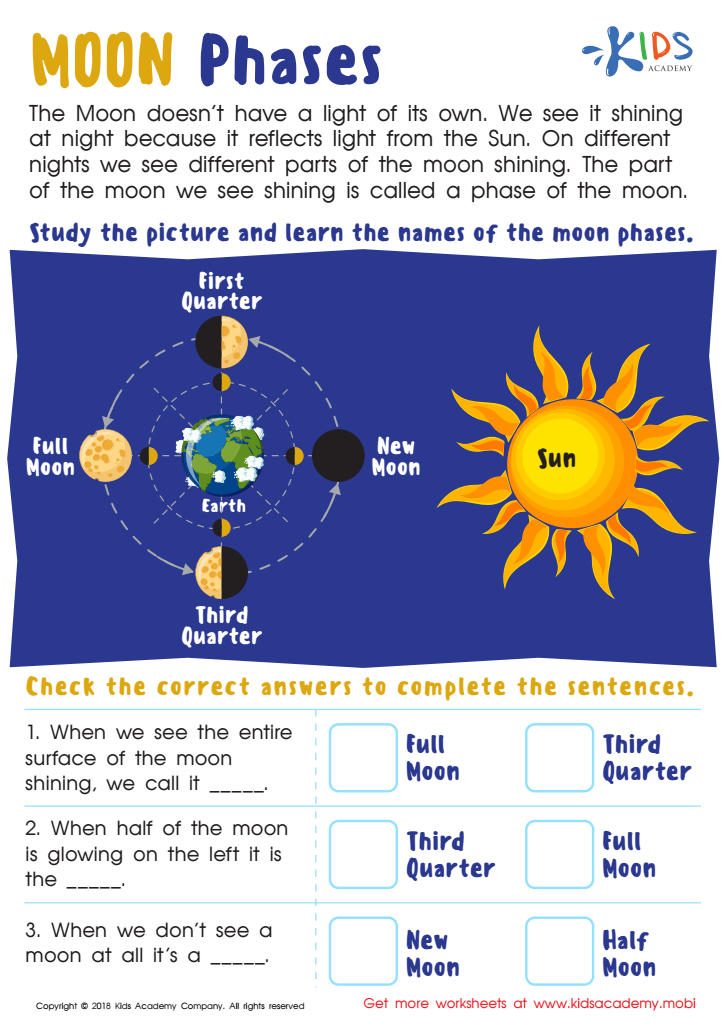
Moon Phases Worksheet
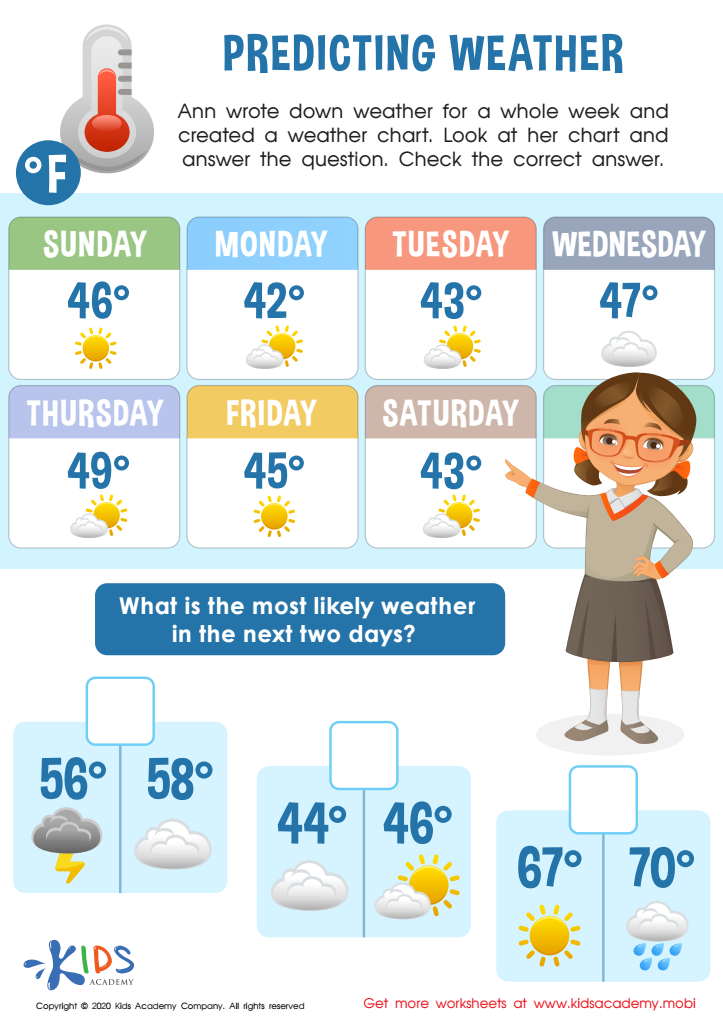
Predicting Weather Worksheet
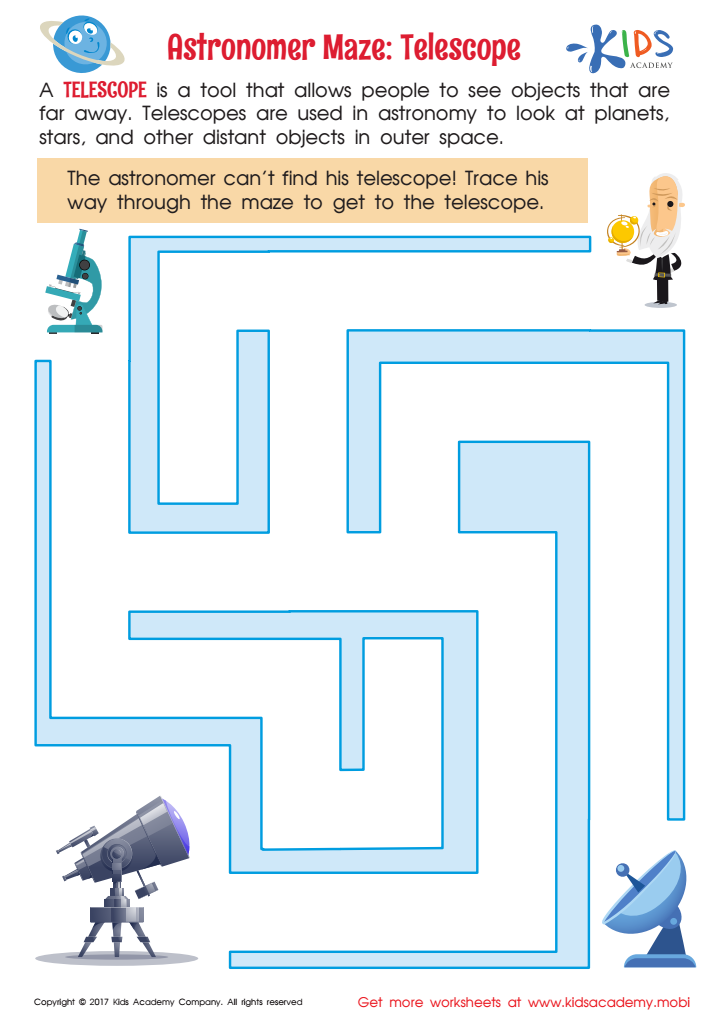
Astronomer Maze: Telescope Worksheet
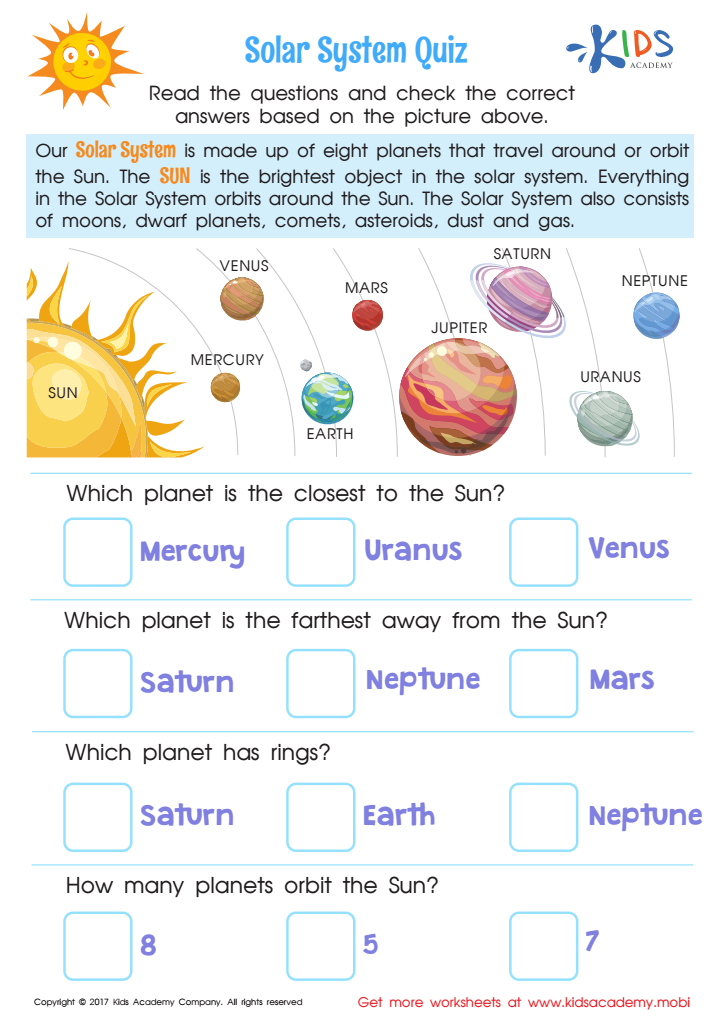
Solar System Quiz Printable
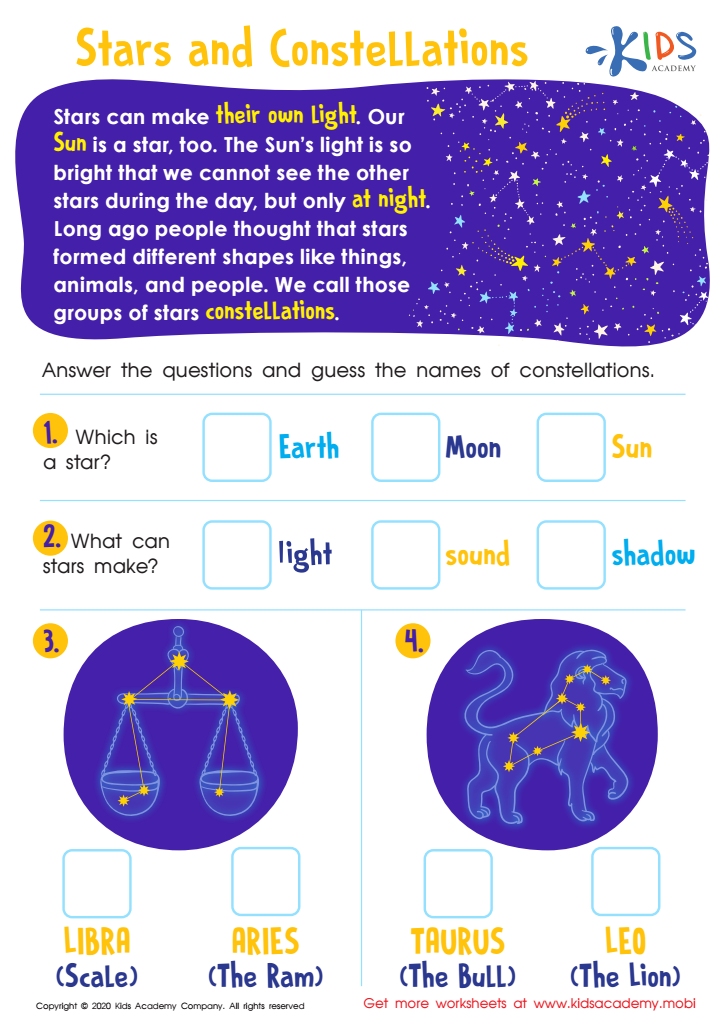
Stars and Constellations Worksheet
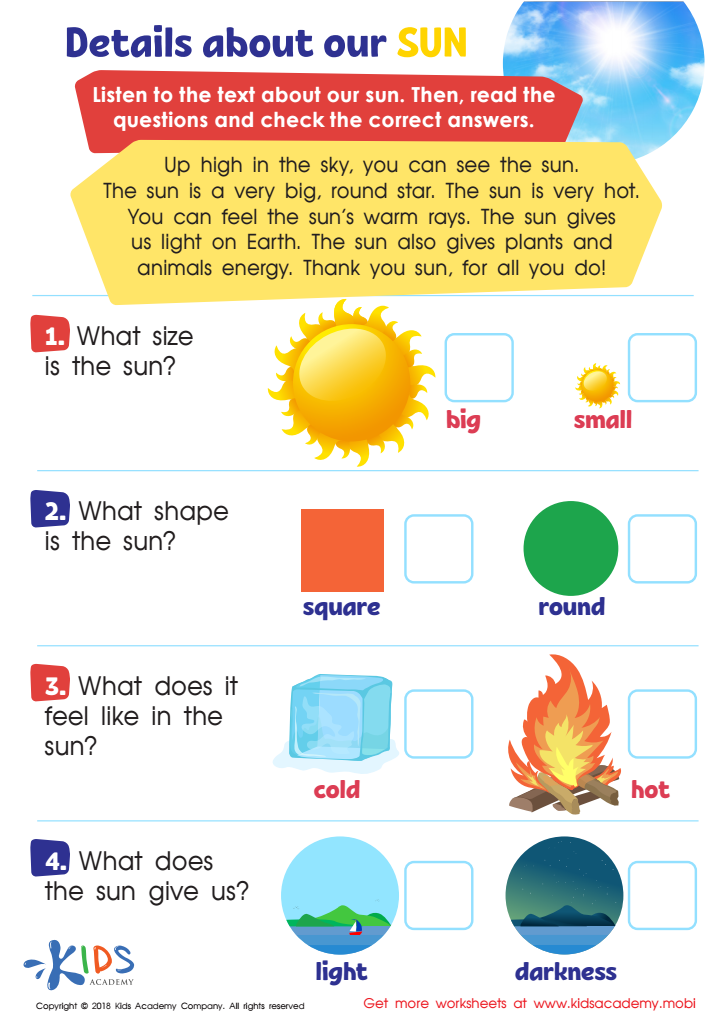
Details About Our Sun Worksheet




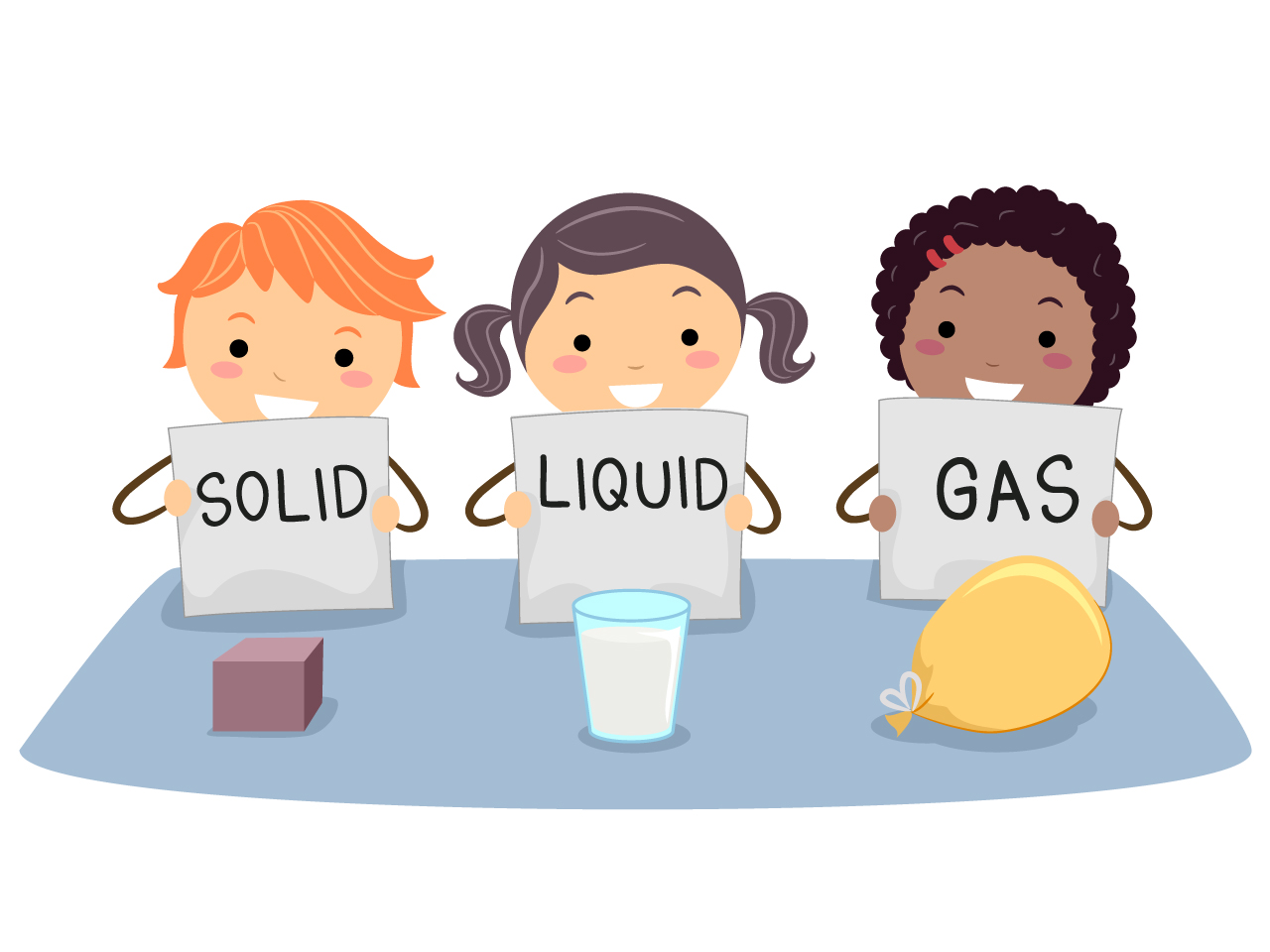



Normal Space for Ages 3-9 is essential for parents and teachers as it fosters healthy emotional and social development in young children. This concept encompasses creating an environment where children can freely express themselves, explore their feelings, and build strong relationships with peers. During these formative years, children learn vital skills like empathy, communication, and problem-solving through social interactions. A nurturing space encourages creativity, imagination, and independent thinking, all of which are critical for cognitive growth.
Additionally, Normal Space addresses the diverse needs of children, recognizing that each child develops at their own pace. By promoting acceptance and inclusivity, parents and teachers can help instill self-confidence and resilience, enabling children to thrive in various situations. This environment should also prioritize play, allowing children to learn naturally and engage with their surroundings.
Moreover, a focus on mental health and well-being in early childhood can prevent future challenges, making it crucial for caregivers to actively maintain a positive space. Integrating Normal Space principles into parenting and teaching methods ultimately cultivates happier, healthier children who are better prepared for the complexities of life, setting the foundation for lifelong learning and success. In summary, investing in Normal Space is investing in a brighter future for our children.







