Normal Animals Worksheets for Ages 4-8 - Page 3
49 filtered results
-
From - To
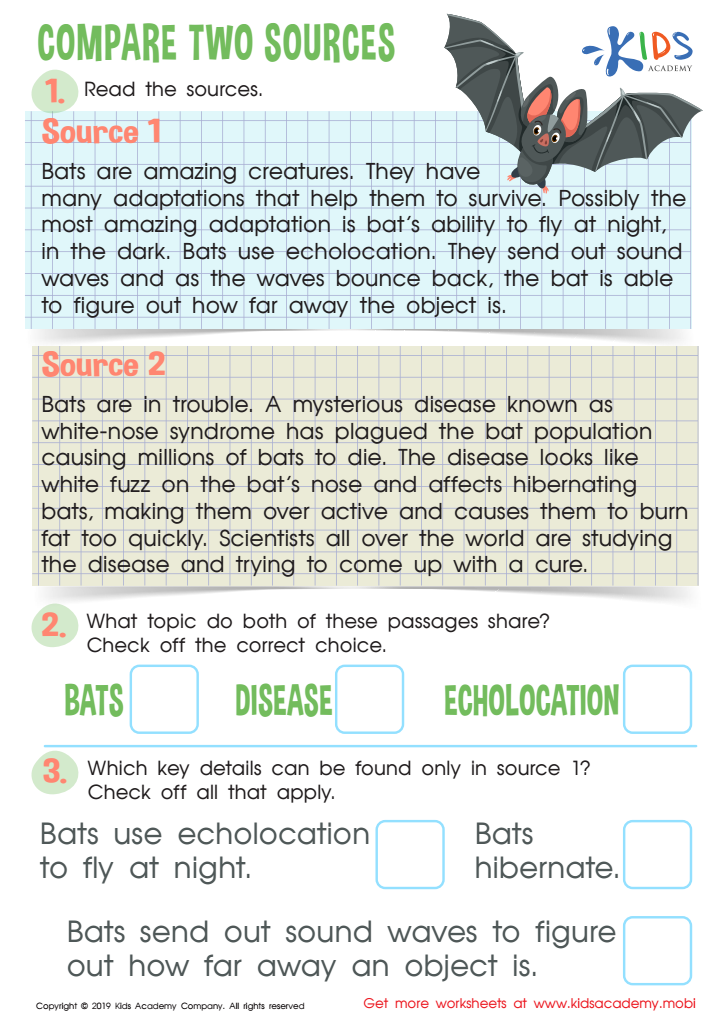
Compare Two Sources Worksheet
 Assign to My Students





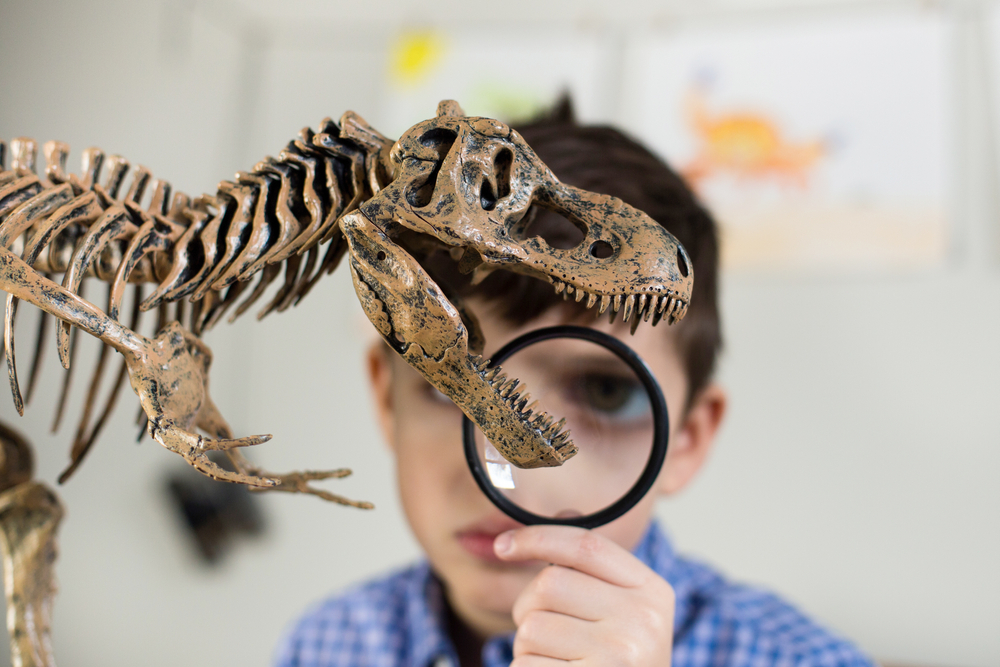

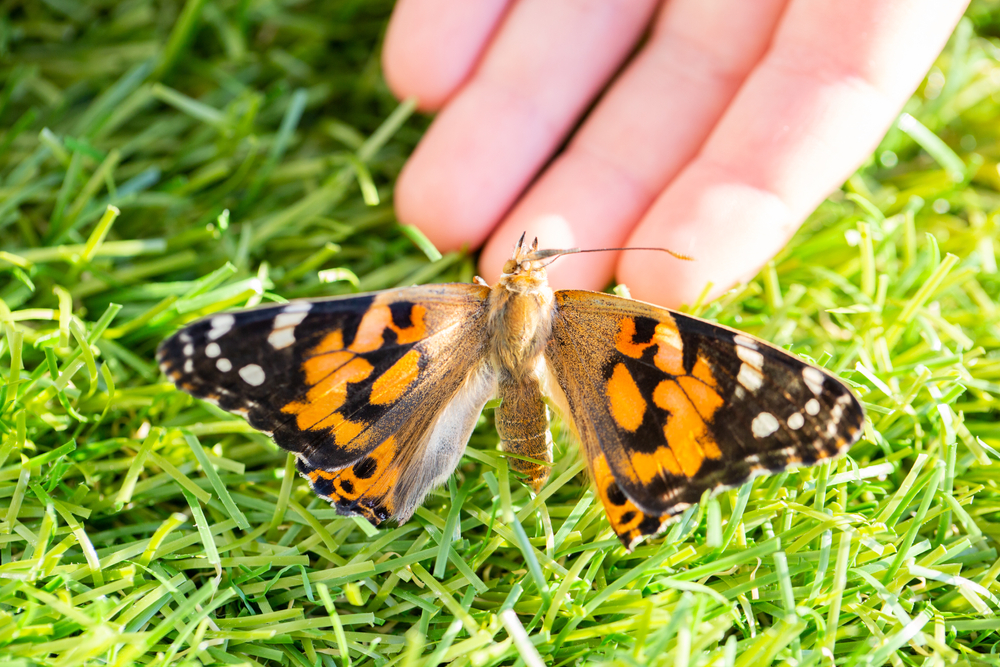
Parents and teachers should care about normal animals for children aged 4-8 because interacting with and learning about animals can significantly enhance early childhood development. At this formative age, children are naturally curious and eager to explore the world around them. Introducing them to animals can teach empathy, responsibility, and respect for other living beings. Observing animal behaviors and needs encourages curiosity and scientific thinking, fostering a mindset of inquiry and a love for learning.
Moreover, animals can provide unique emotional support and companionship, promoting positive mental well-being. Stories and lessons about animals also enhance communication skills, as young children build their vocabulary and learn to describe the world around them.
Engaging with animals through stories, educational activities, or even through direct interaction (when safe and possible) helps children develop important life skills such as critical thinking, observation, and compassion. Additionally, understanding the role of animals in our ecosystem cultivates a sense of environmental stewardship from an early age.
In sum, caring about normal animals boosts developmental, emotional, intellectual, and social aspects of children aged 4-8, providing foundational blocks for a well-rounded education and nurturing compassionate, responsible future citizens. Incorporating animals into early education is a rewarding strategy that reaps invaluable benefits.








