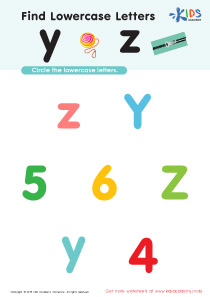
Letter recognition Normal Uppercase Letters Worksheets for Ages 5-8
11 filtered results
-
From - To
Our Letter Recognition Normal Uppercase Letters Worksheets for Ages 5-8 are expertly designed to help children master the alphabet with ease. Each engaging printable focuses on identifying, tracing, and writing uppercase letters, enhancing early literacy skills. Perfect for young learners, these worksheets provide a fun and interactive way to reinforce letter recognition and improve fine motor skills. Developed by educational professionals, they're an ideal resource for parents and teachers looking to support their children's foundational writing and reading abilities. Download today and make learning the alphabet an enjoyable and productive experience!
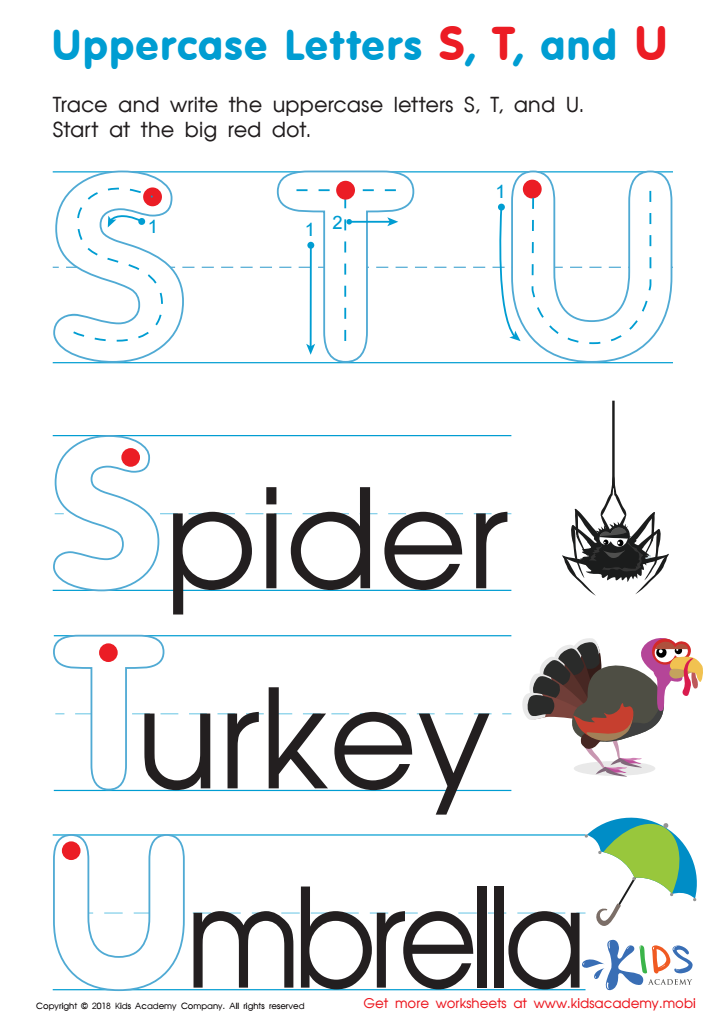
Uppercase Letters S, T, and U Worksheet
 Assign to My Students
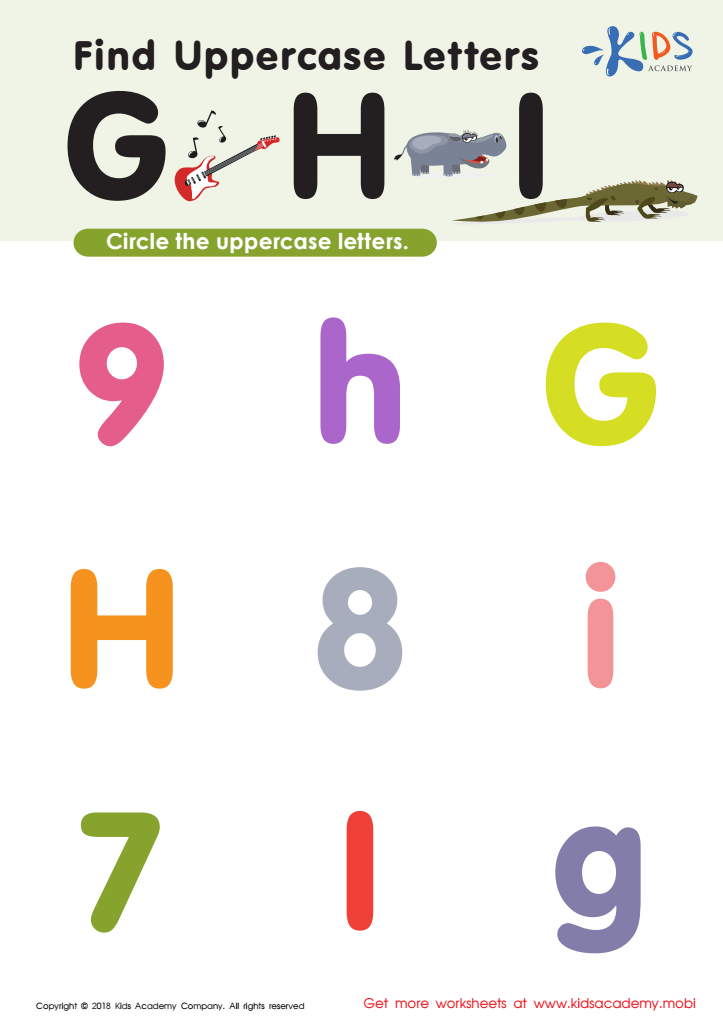
Find Uppercase Letters G, H, and I Worksheet
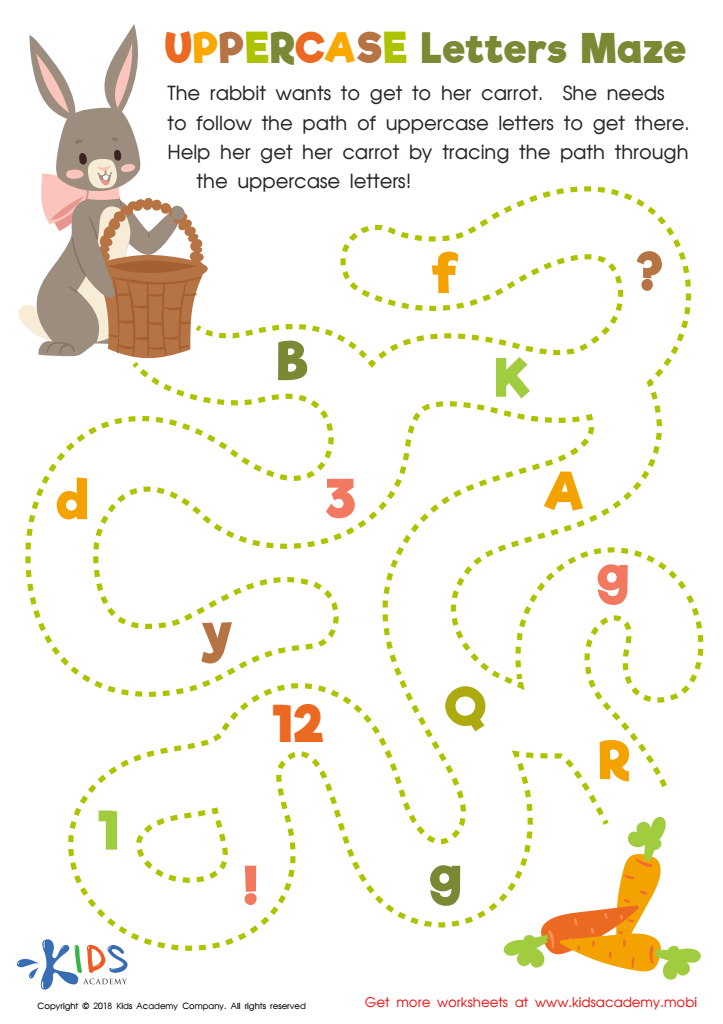
Uppercase Letters Maze Worksheet
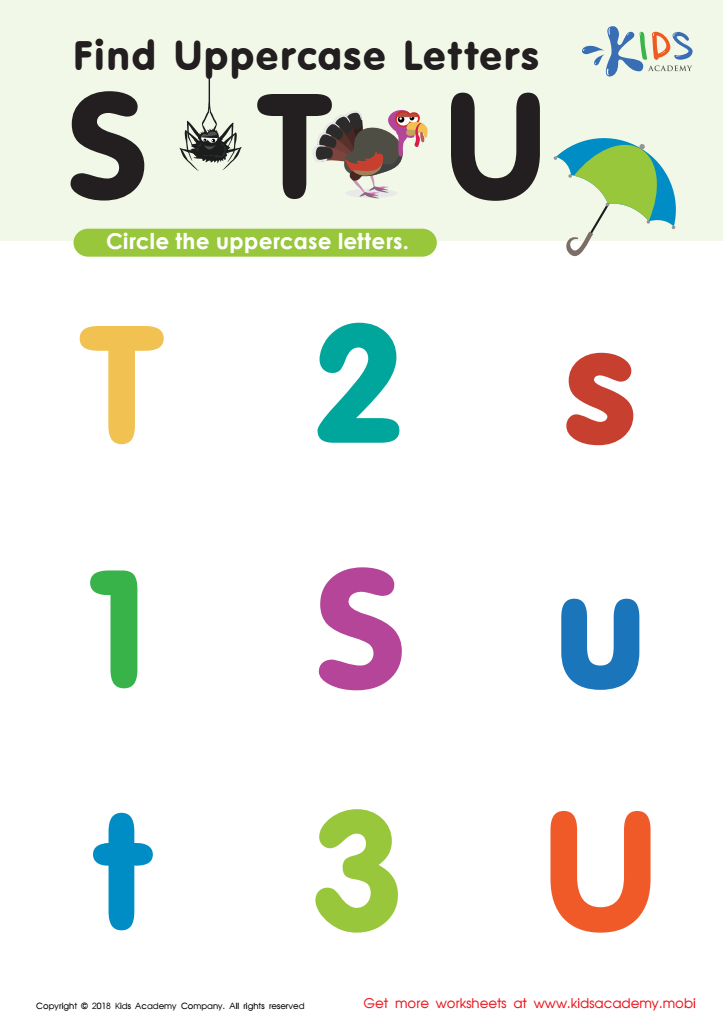
Find Uppercase Letters Worksheet
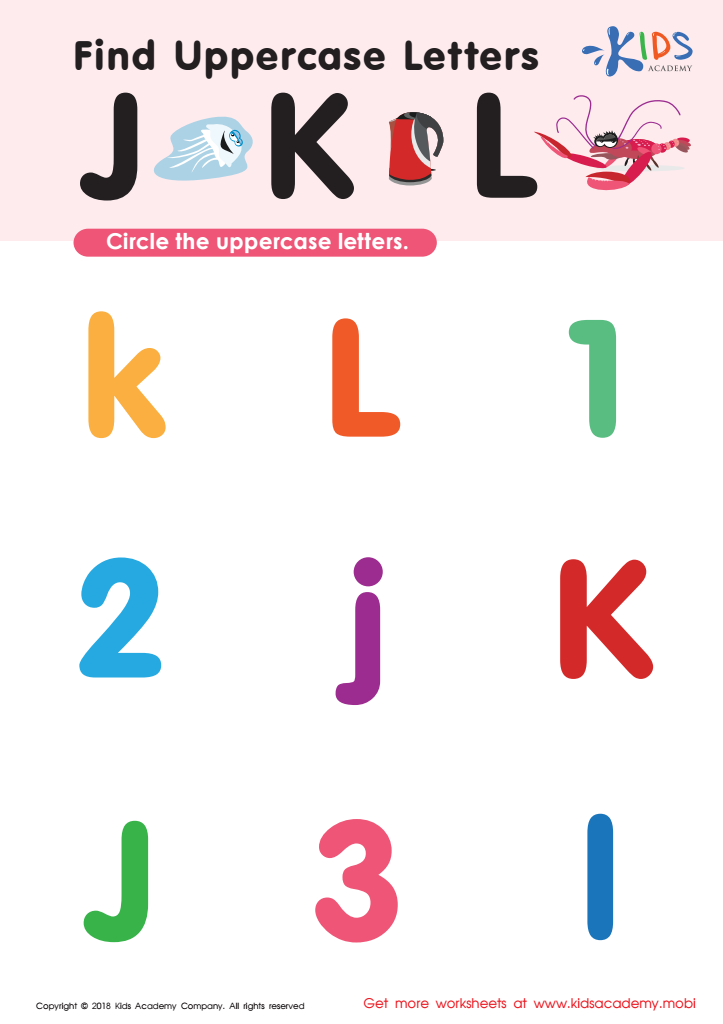
Find Uppercase Letters J, K, and L Worksheet
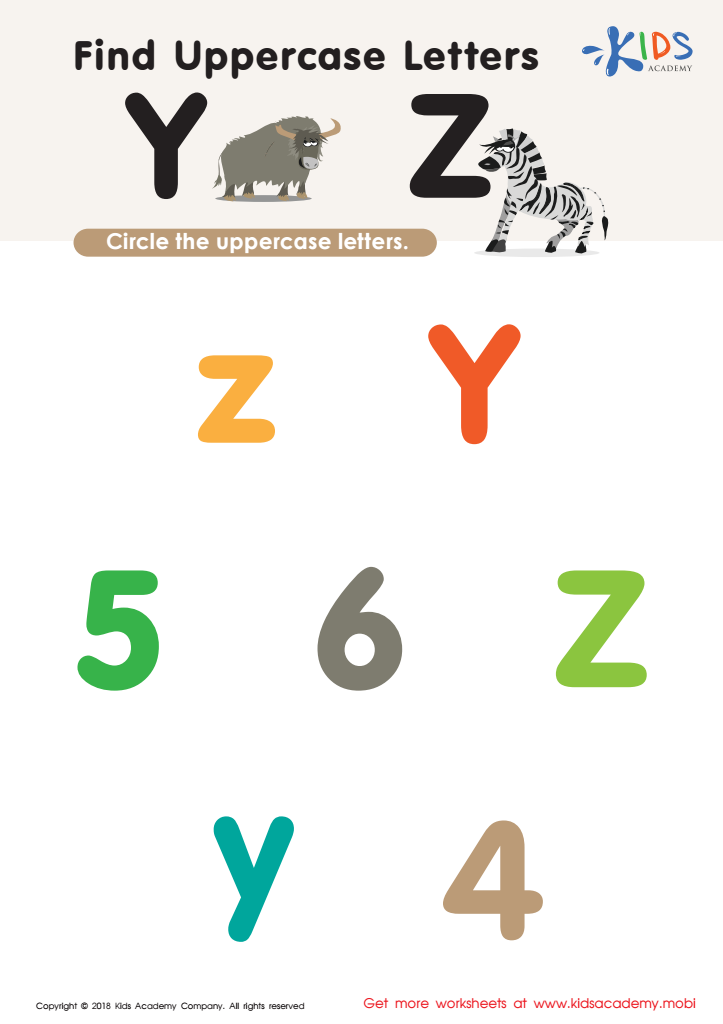
Find Uppercase Letters Y Z Worksheet
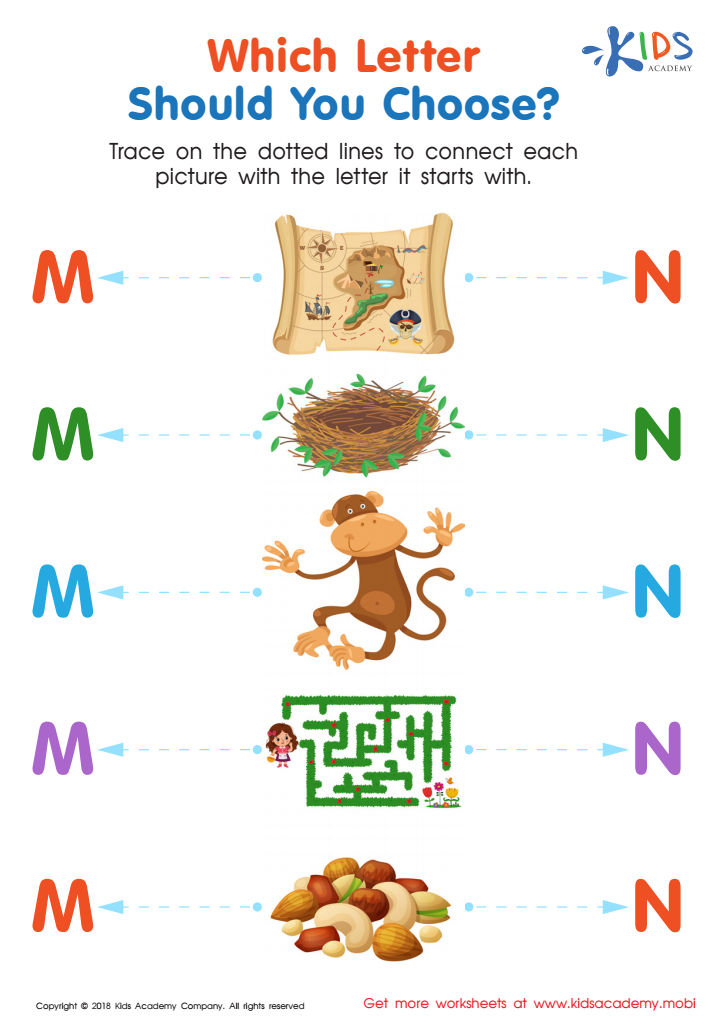
Which Letter Should you Choose? Worksheet
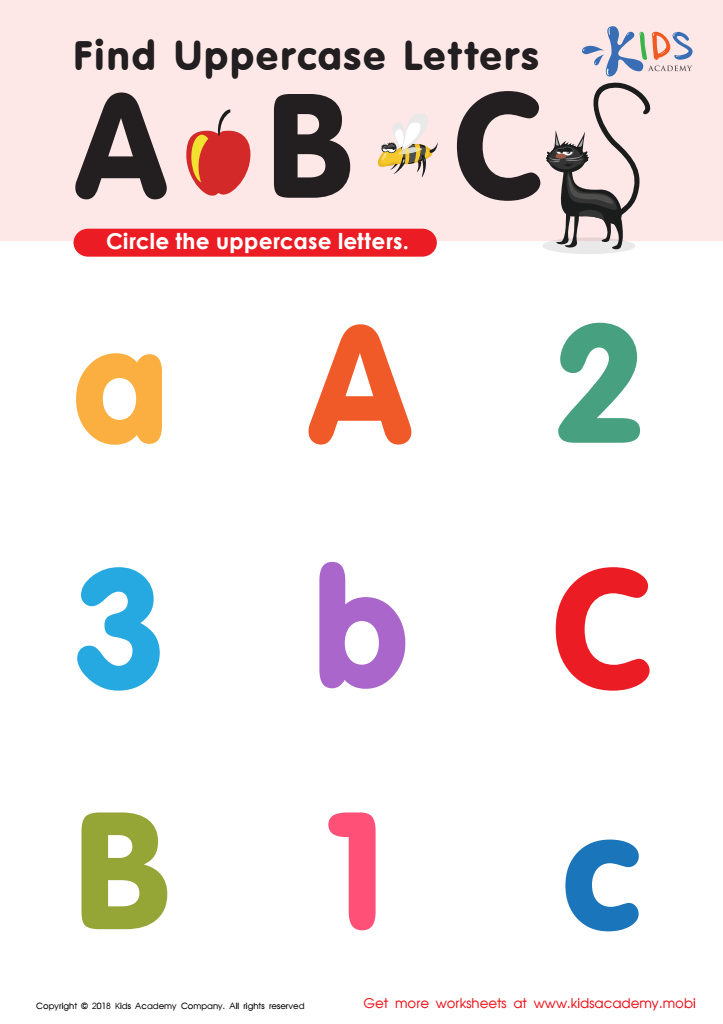
Find Uppercase Letters A, B, and C Worksheet
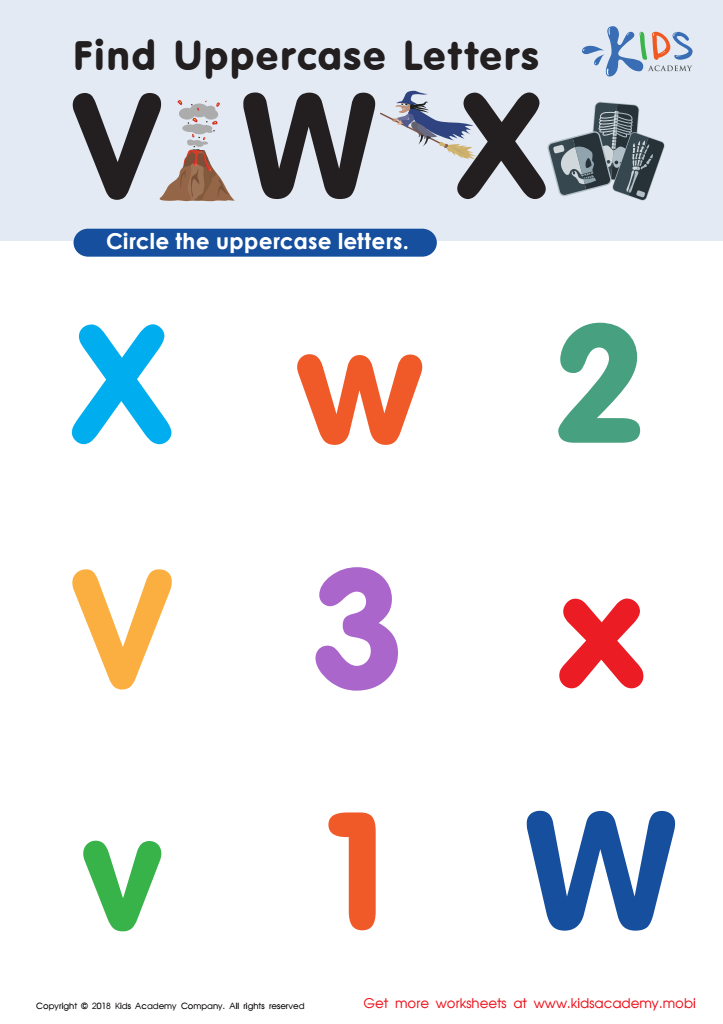
Find Uppercase Letters V, W, X Worksheet
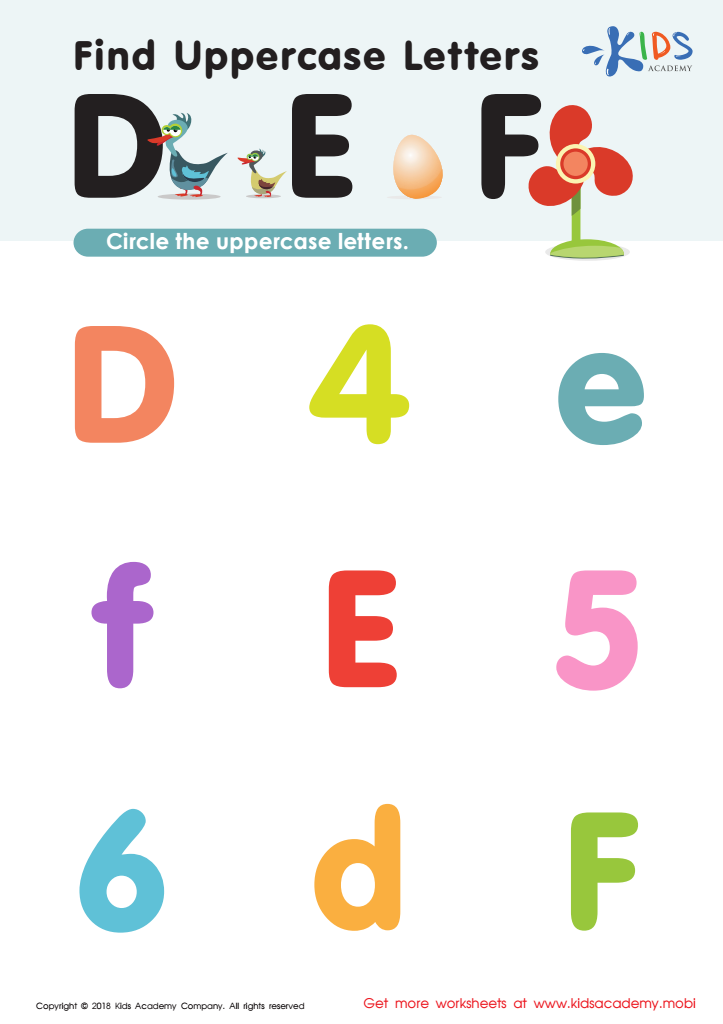
Find Uppercase Letters D, E, and F Worksheet
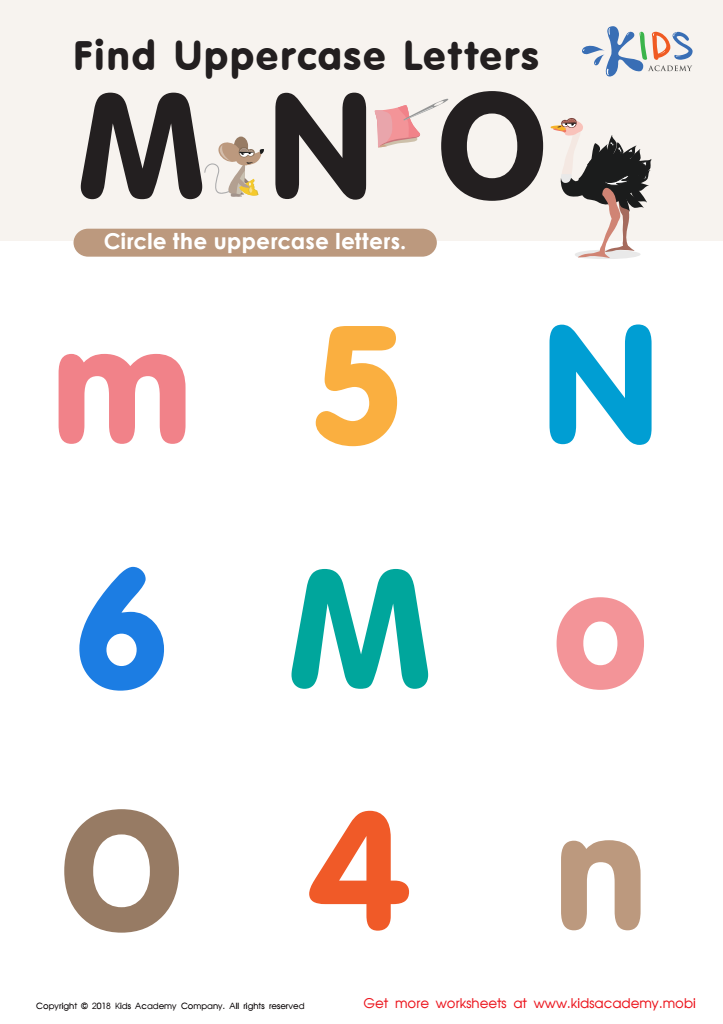
Find Uppercase Letters M, N, and O Worksheet








Letter recognition, especially of normal uppercase letters, is crucial for children aged 5-8 as it lays the foundation for literacy development. At this formative stage, children transition from recognizing simple shapes to understanding that specific shapes (letters) correlate with sounds and meanings. This ability is essential for reading and writing fluency, which in turn forms the cornerstone of all future learning.
Firstly, recognizing uppercase letters aids in distinguishing between letters more easily, as they are typically more uniform and less curvilinear than lowercase ones. This uniformity can help younger students, who might still be refining their fine motor skills, feel less overwhelmed.
Secondly, uppercase letters are often more prevalent in instructional materials used for early readers, such as alphabet charts, simple books, and signage, making familiarity with them essential. This commonly-encountered form in their reading environment reinforces learning.
Moreover, strong letter recognition skills enhance phonemic awareness. Knowing what each letter "looks like" leads to understanding the sounds they produce, which is integral for decoding new words and forming a solid reading foundation.
Lastly, parental and teacher involvement in teaching letter recognition can yield emotional and academic benefits. Structured practice sessions can transform into bonding activities, which boosts children's motivation and interest in learning. Overall, fostering letter recognition—particularly uppercase letters—during these early years supports children's literacy journey, paving the way for academic success.