Normal Worksheets for Ages 5-9 - Page 69
1637 filtered results
-
From - To
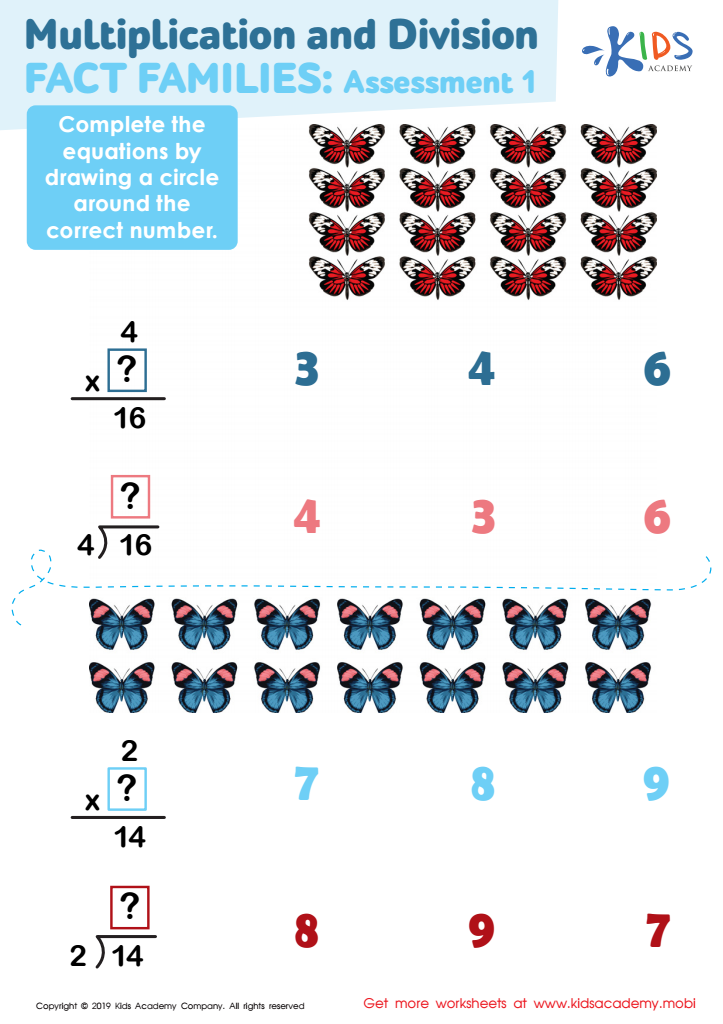
Multiplication and Division Fact Families Assessment 1 Worksheet
 Assign to My Students
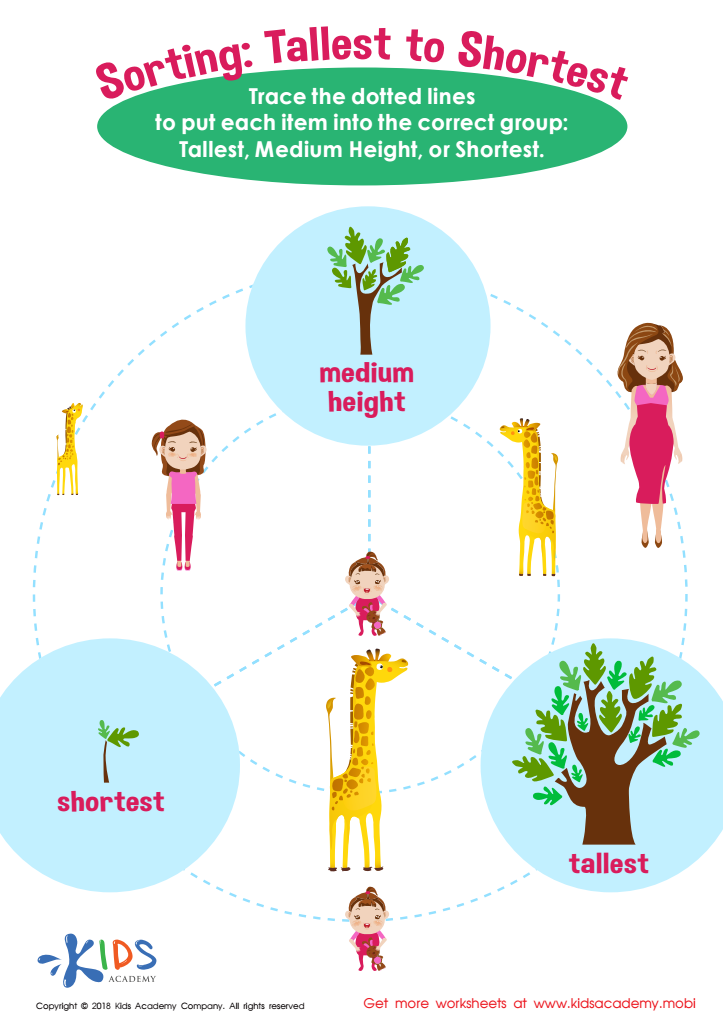
Sorting: Tallest to Shortest Worksheet
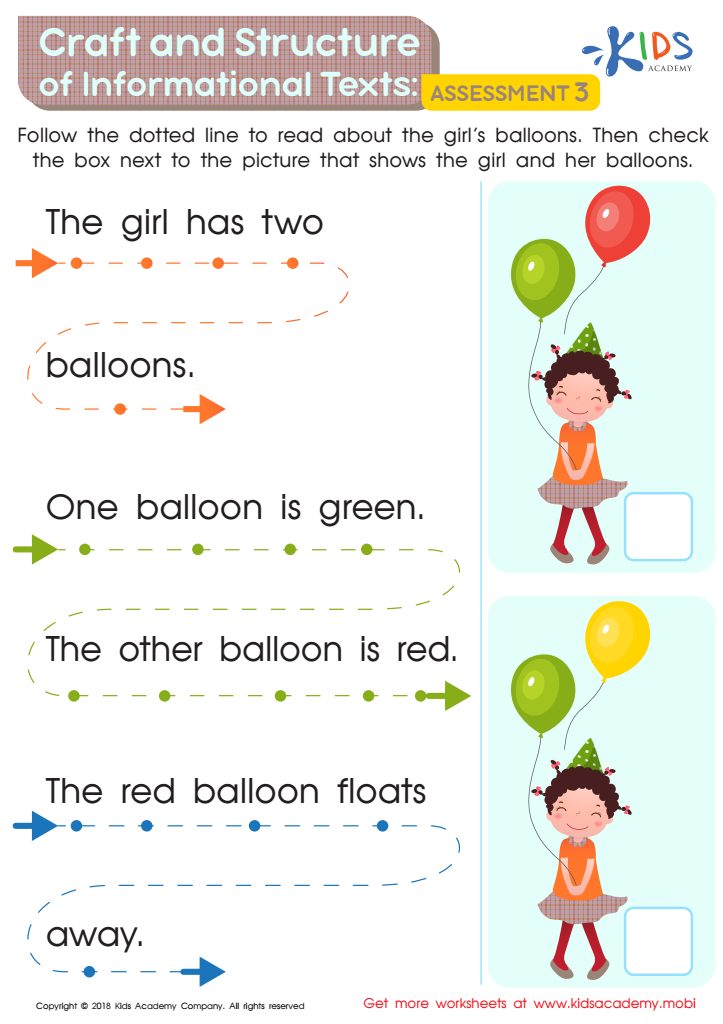
Craft and Structure of Informational Texts: Assessment 3 Worksheet
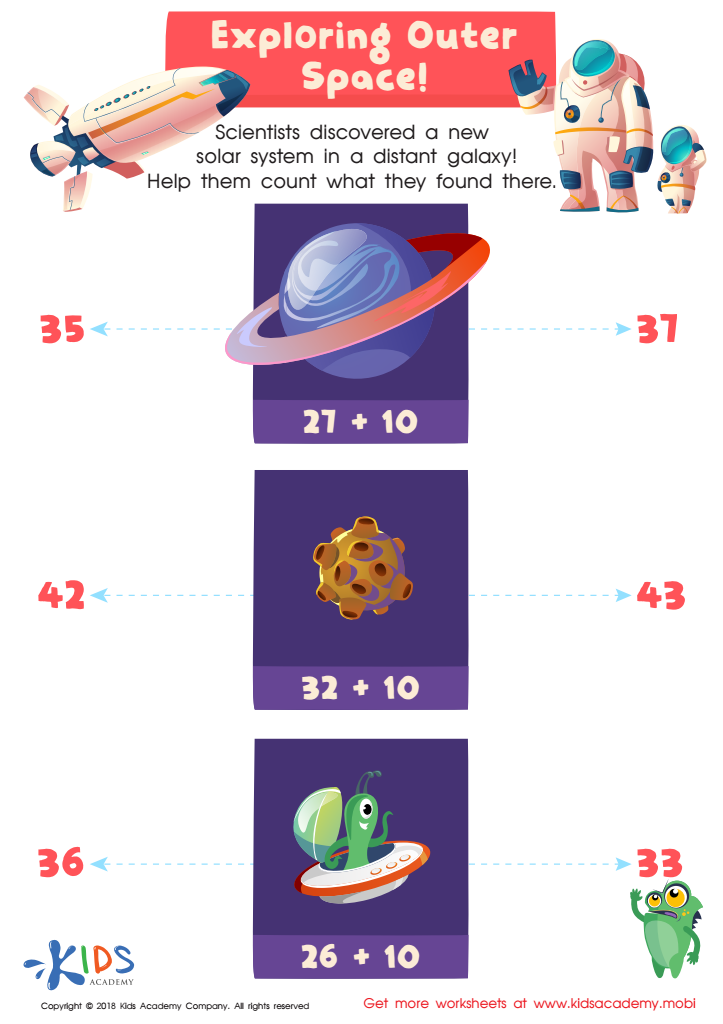
Exploring Outer Space Worksheet
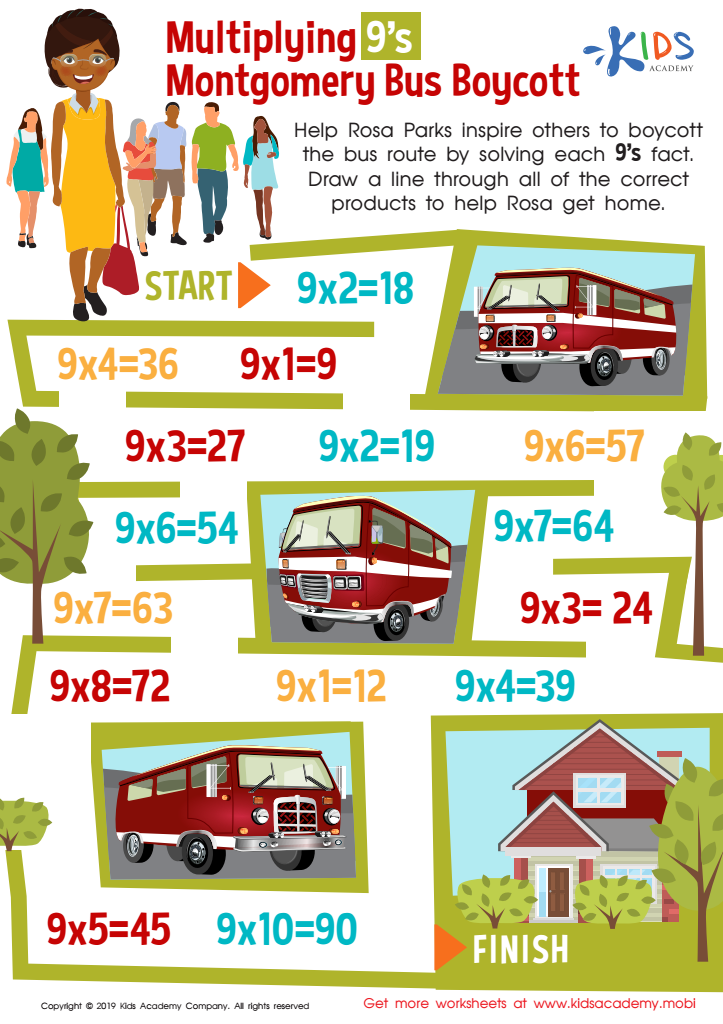
Multiplying 9’s Montgomery Bus Boycott Worksheet




.jpg)


.jpg)
Understanding the concept of "normal" for children aged 5-9 is crucial for both parents and teachers as it shapes the developmental, social, and emotional landscape of young learners. During this critical formative stage, children undergo rapid changes in behavior, cognition, and social interactions. Recognizing what’s typical helps parents and teachers set appropriate expectations, identify milestones, and provide essential support when children deviate from these norms.
Caring about "normal" enables adults to foster a nurturing environment that caters to varied needs. For instance, if a child struggles with social interactions—something considered normal at this age—it may signal the need for intervention, encouragement, or skill-building activities. Similarly, understanding the normal spectrum of emotions can help adults in guiding children through challenges such as anxiety or frustration.
Furthermore, awareness of norms helps in creating inclusive classrooms, allowing for differentiated instruction that respects each child's pace of learning and growth. This understanding contributes to a child's self-esteem, inclusion, and motivation. In essence, knowledge of normal developmental behavior equips parents and teachers to cultivate supportive, responsive, and effective learning environments that enhance children's emotional well-being and academic success.








