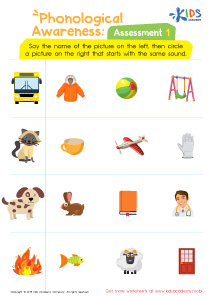
Normal Vowels and Consonants Worksheets for Ages 5-9 - Page 2
26 filtered results
-
From - To
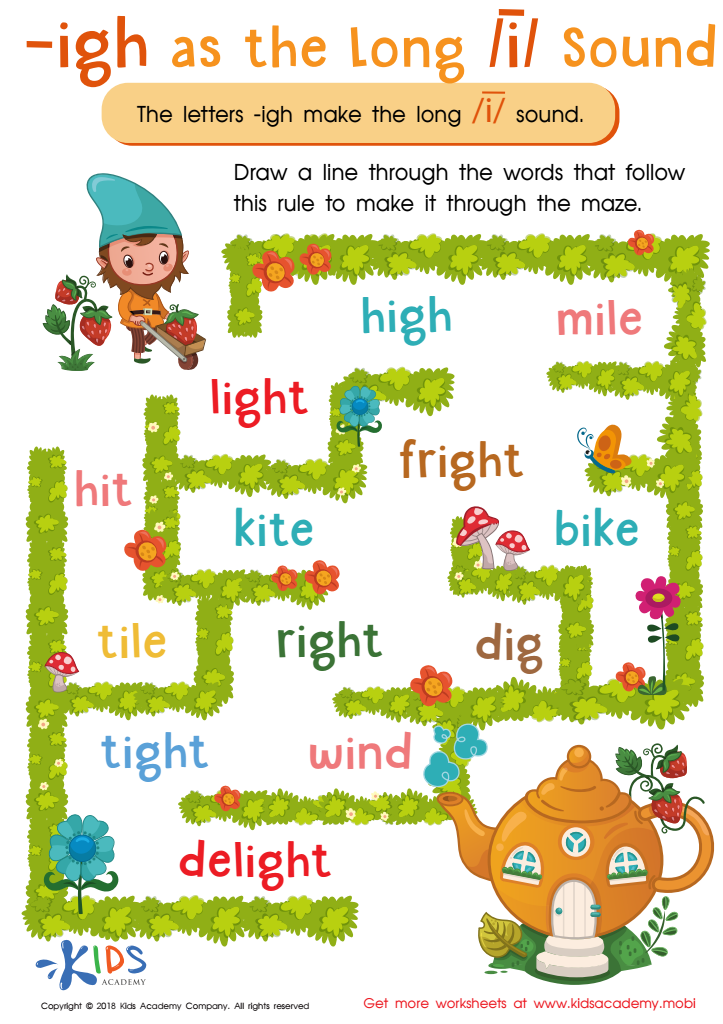
Reading: IGH as Long I Worksheet
 Assign to My Students
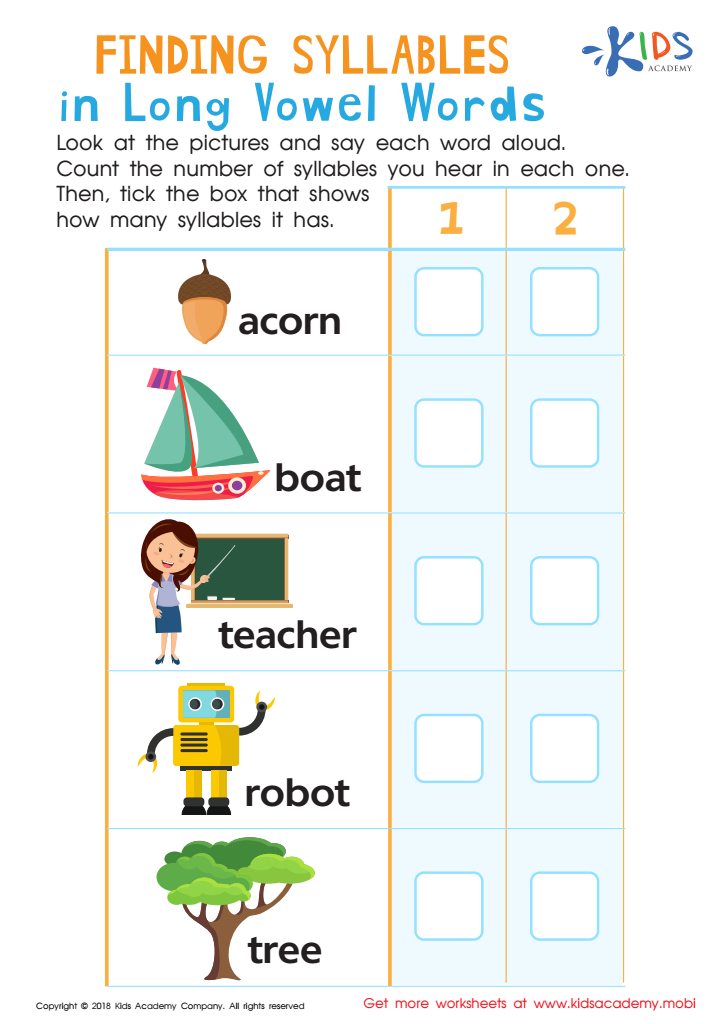
Finding Syllables in Long Vowel Words Worksheet



Understanding normal vowels and consonants is essential for children aged 5-9, as it forms the foundation for reading and writing proficiency. For parents and teachers, being attentive to these phonetic elements fosters effective literacy development. At this age, children are in the critical period of learning phonemic awareness, which involves recognizing and manipulating the sounds in spoken language.
Familiarity with vowels and consonants helps children decode words, improving their reading fluency and comprehension. It allows them to break down words into individual sounds, facilitating their ability to sound out unfamiliar words and expand their vocabulary. This skill is crucial, as it directly impacts academic success across subjects.
Furthermore, a strong grasp of phonics enhances spelling accuracy. Children who understand how vowels and consonants operate can learn spelling rules more effectively, resulting in better written communication.
For parents and teachers, promoting activities that emphasize these elements, such as phonics games, reading together, or interactive writing, engenders a positive and supportive learning environment. Overall, caring about normal vowels and consonants equips children with essential tools for lifelong learning and boosts their confidence in literacy skills.