Normal Social Studies Worksheets for Ages 5-9 - Page 10
223 filtered results
-
From - To
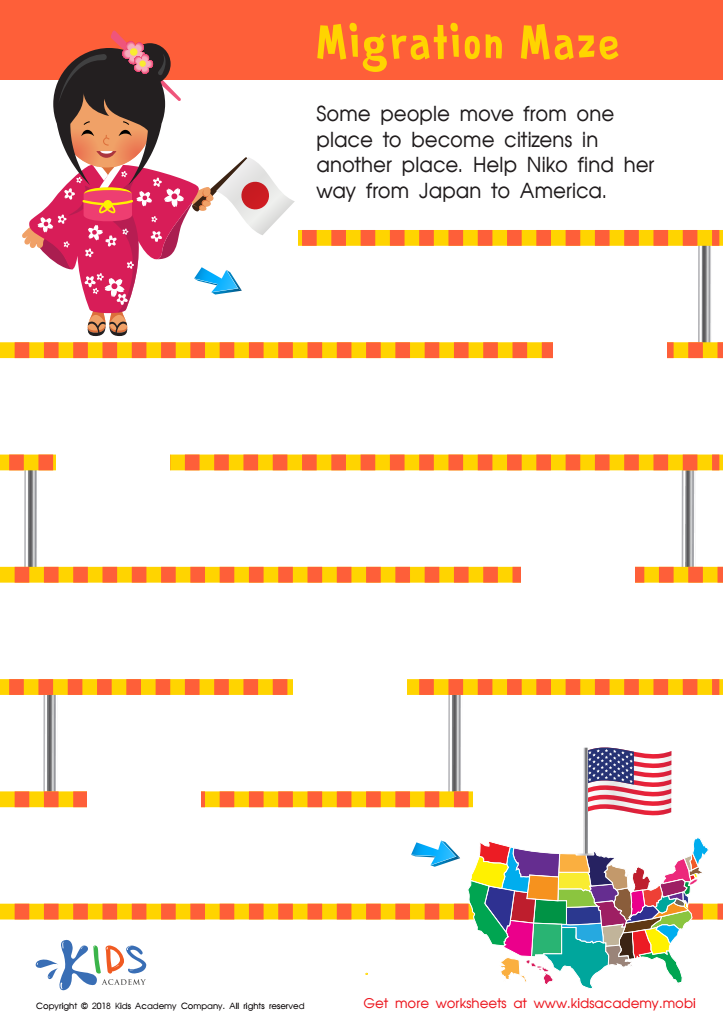
Migration Maze Worksheet
 Assign to My Students
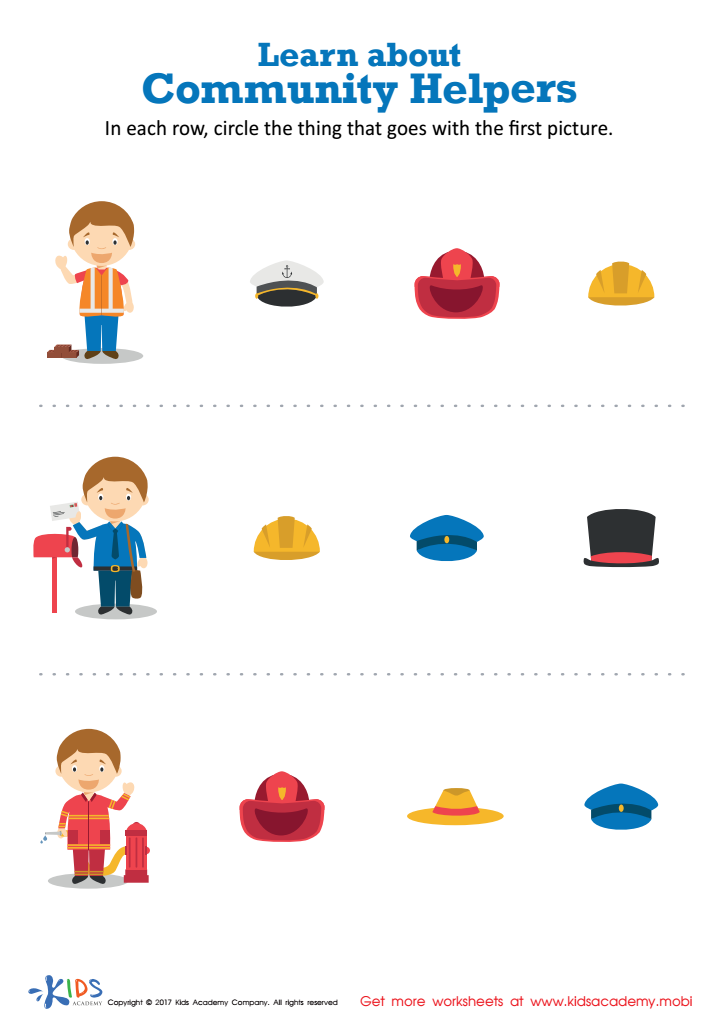
Learn about Community Helpers Printable
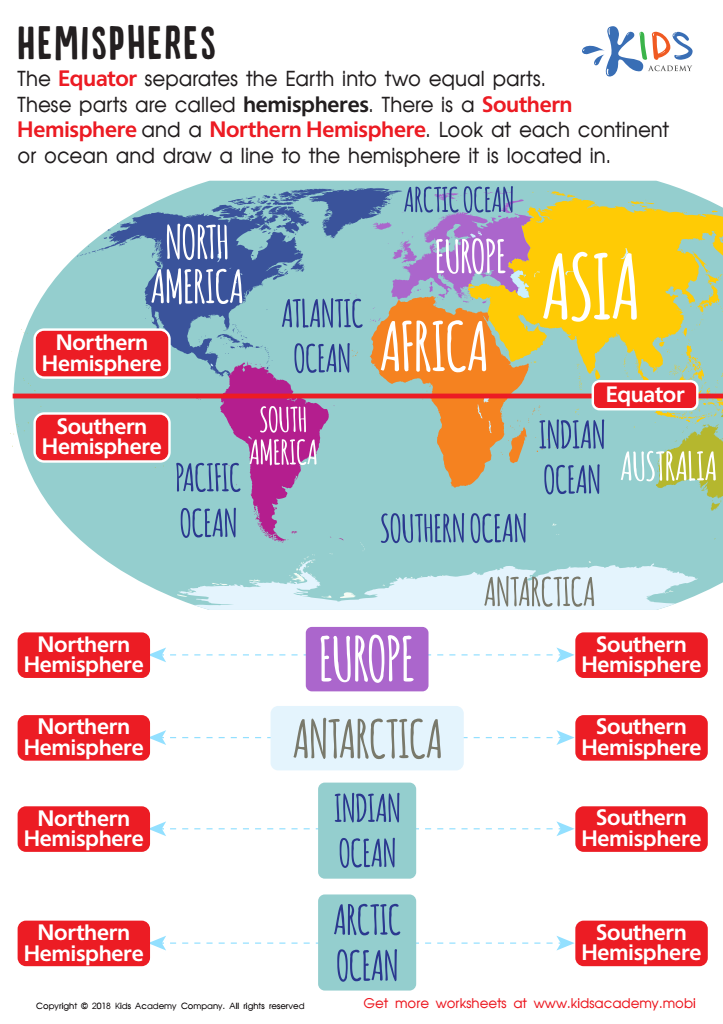
Hemispheres Worksheet
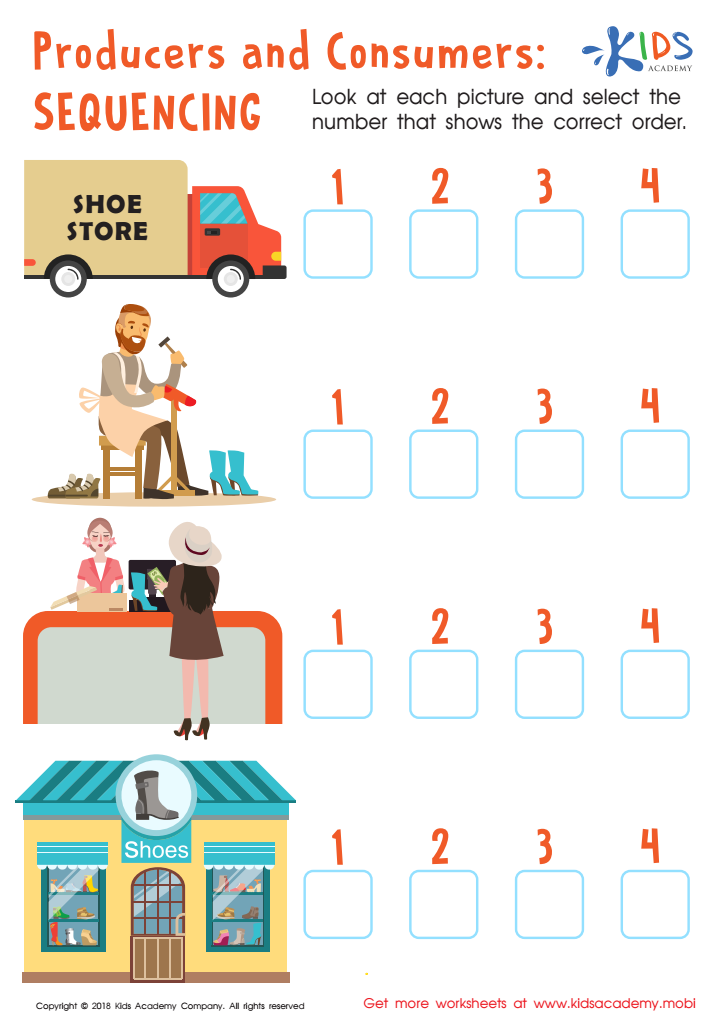
Producers and Consumers: Sequencing Worksheet
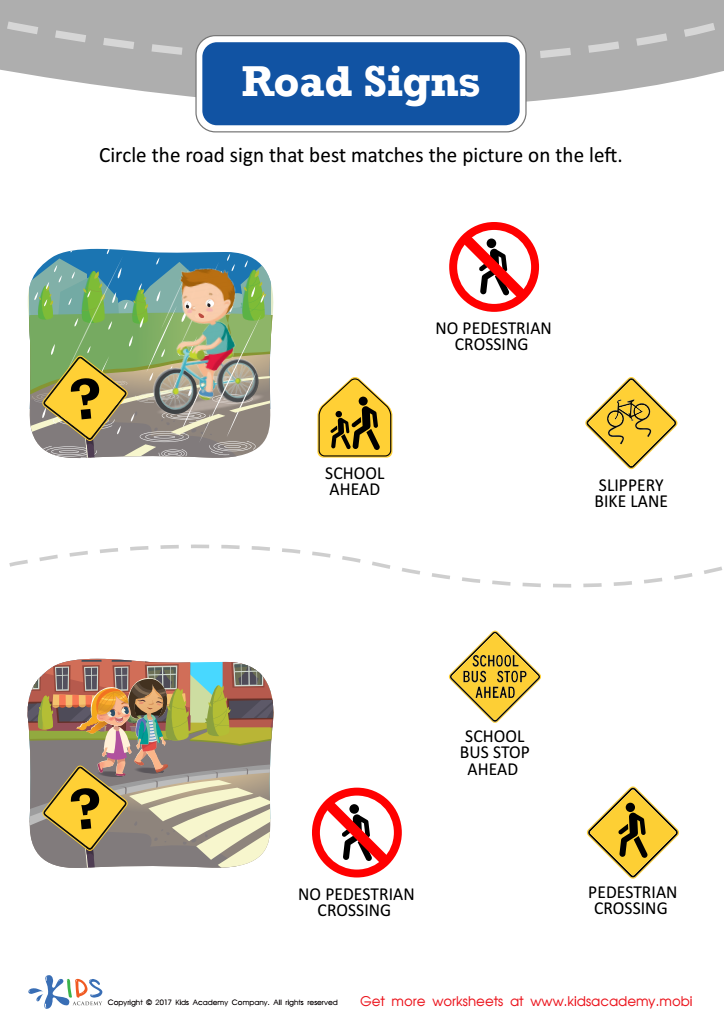
Road Signs (Part 2) Printable
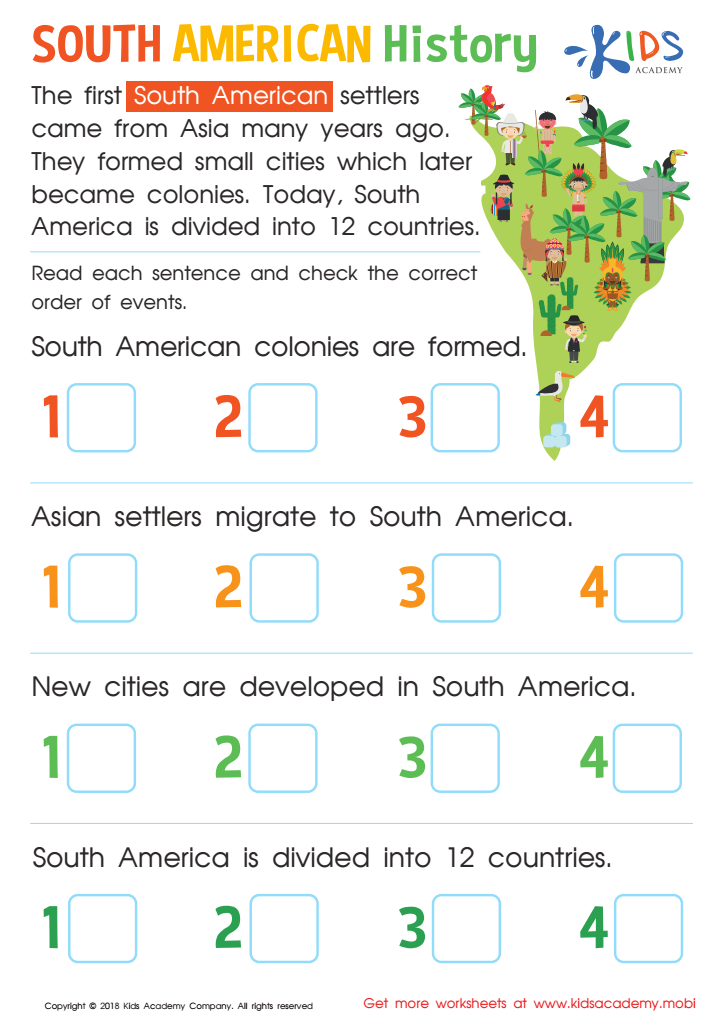
South American History Worksheet
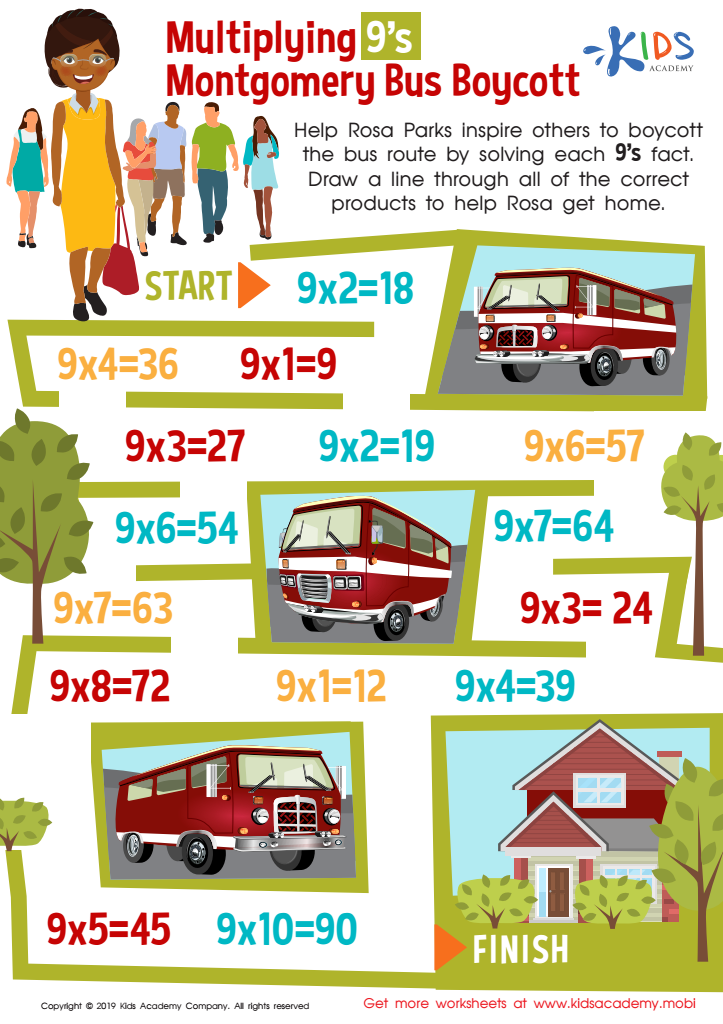
Multiplying 9’s Montgomery Bus Boycott Worksheet








Engaging young children in normal social studies during ages 5-9 is crucial for their holistic development and formation of essential life skills. During these formative years, children are naturally curious about the world around them, and social studies helps develop their understanding of diverse cultures, historical events, and geographic awareness. Through these studies, children gain a broad perspective, learning to respect and appreciate diversity, which fosters empathy and inclusivity from an early stage.
Additionally, social studies cultivate critical thinking and problem-solving skills, encouraging children to ask questions, analyze information, and make reasoned decisions. These subjects empower children to make connections between their own lives and the larger community, fostering a sense of responsibility and citizenship. Understanding concepts like rules, roles, and traditions helps them navigate social interactions and understand their place in society.
Moreover, social studies provide a platform for cross-curricular learning. Subjects like reading, math, and science are often interwoven, enhancing literacy and numeracy skills through engaging, real-world contexts. As children work on projects or group activities, their communication, collaboration, and leadership abilities are honed, setting a strong foundation for future academic and personal growth. Consequently, prioritizing social studies can enrich children's early educational experiences and contribute to their development as informed, thoughtful, and active members of society.