Normal Worksheets for Ages 6-9 - Page 65
1540 filtered results
-
From - To
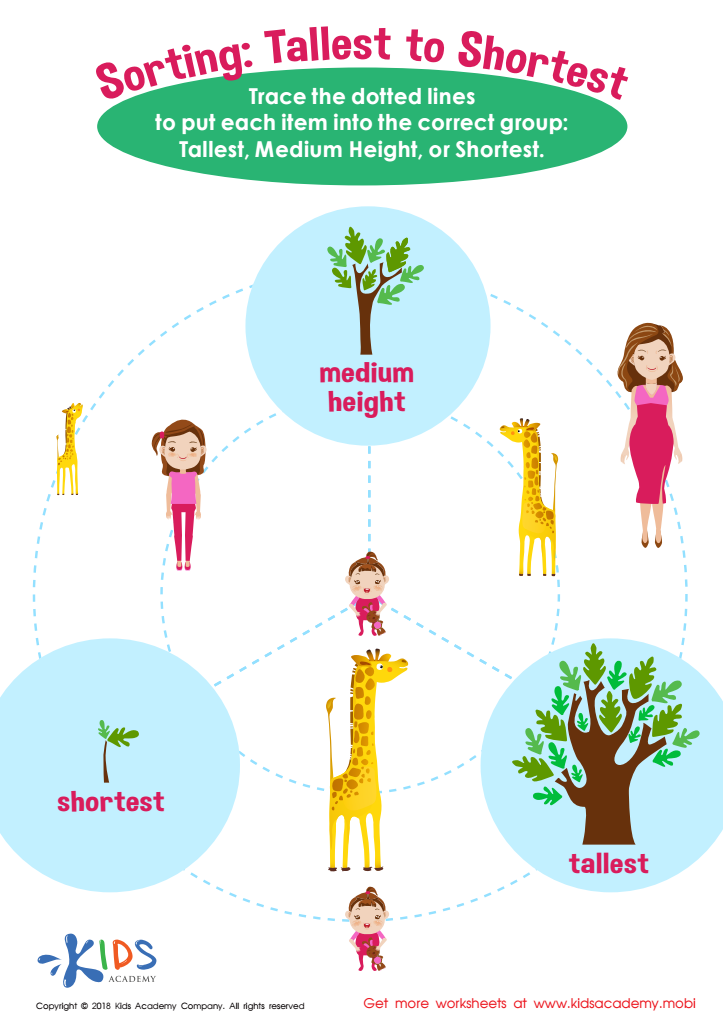
Sorting: Tallest to Shortest Worksheet
 Assign to My Students
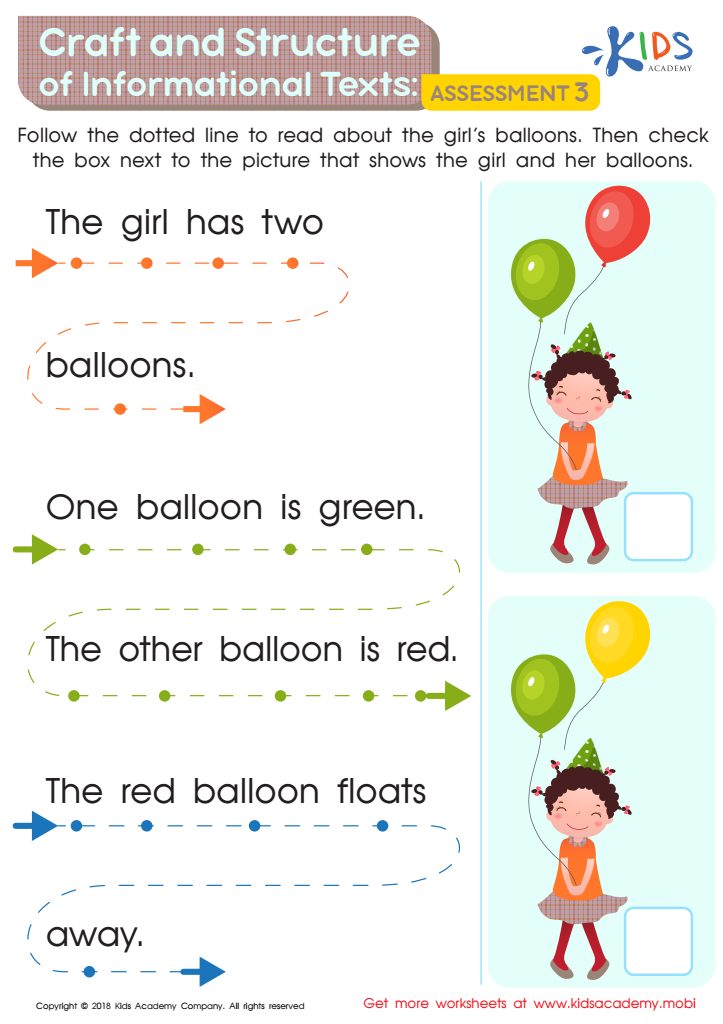
Craft and Structure of Informational Texts: Assessment 3 Worksheet
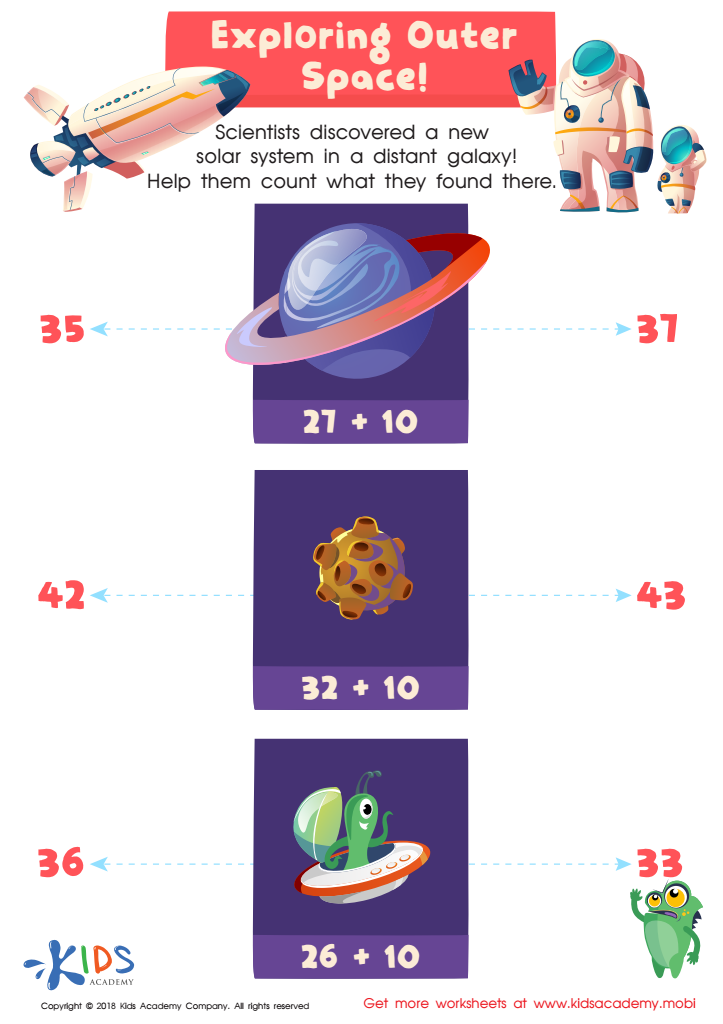
Exploring Outer Space Worksheet
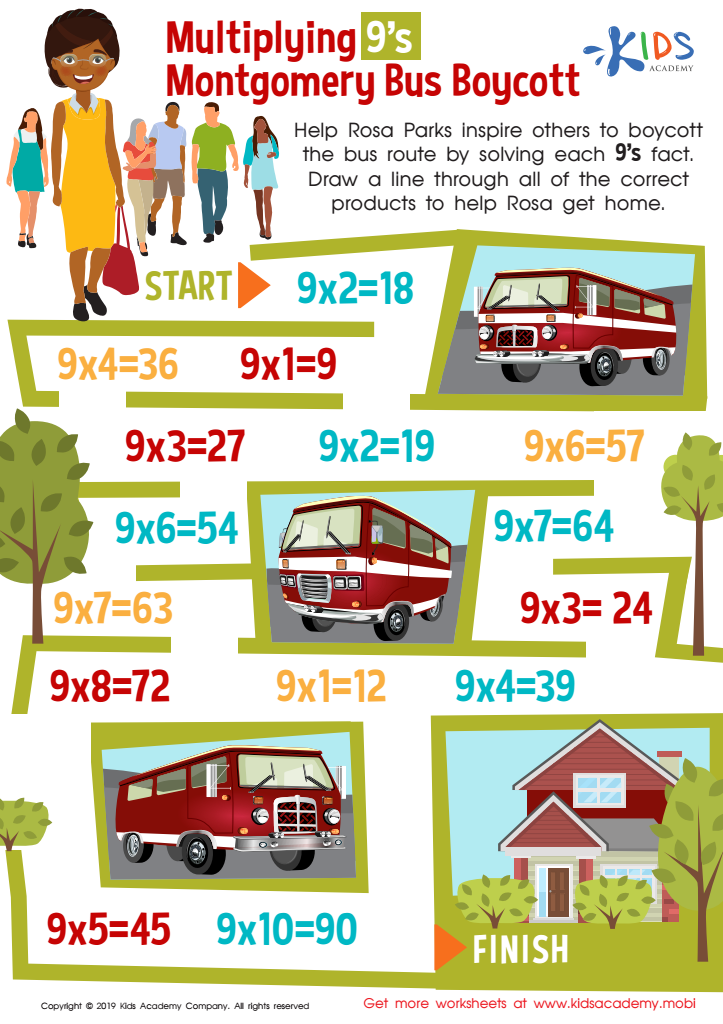
Multiplying 9’s Montgomery Bus Boycott Worksheet


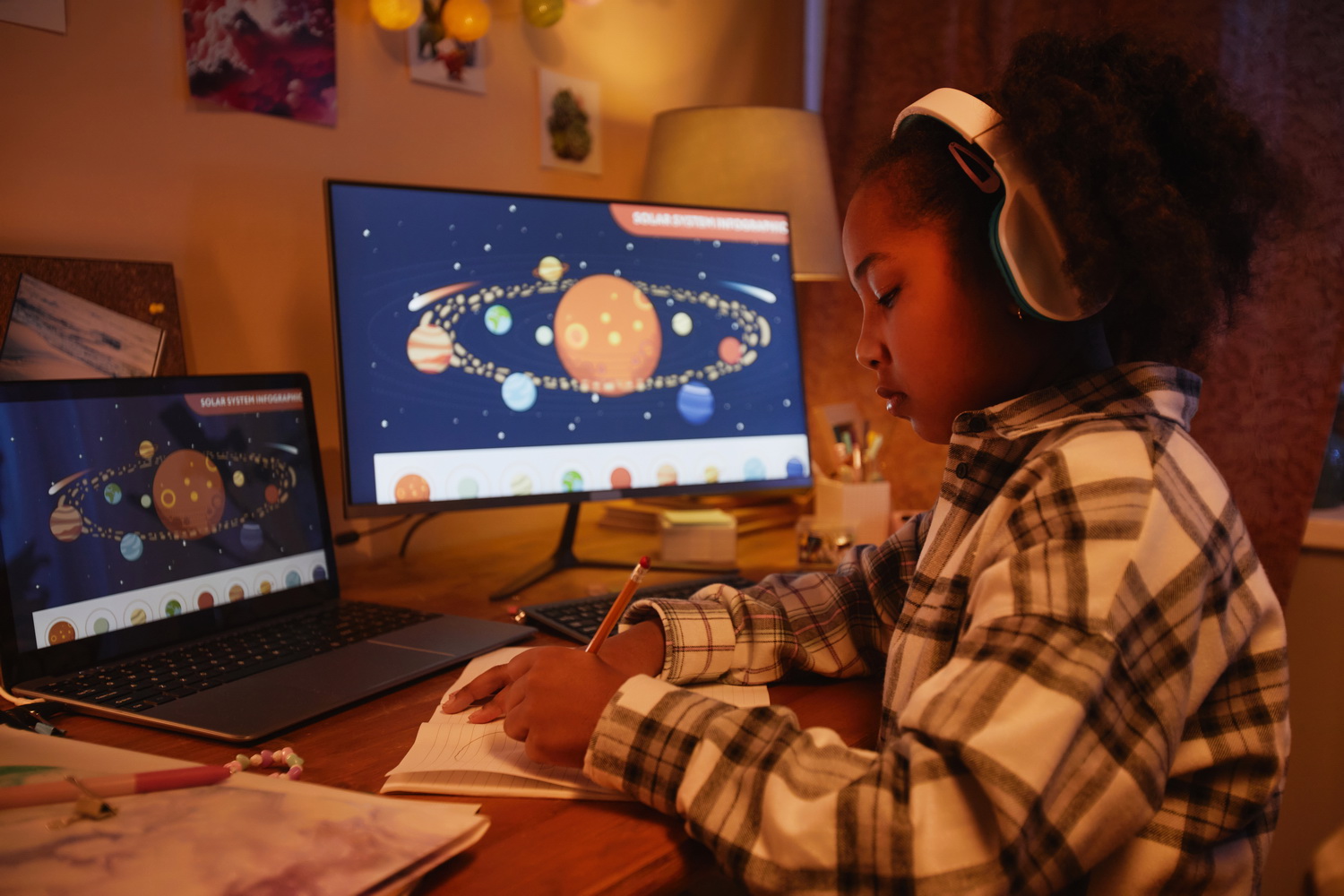





Understanding the concept of "Normal" for children aged 6-9 is crucial for parents and teachers as it lays the foundation for healthy emotional and social development. At this developmental stage, children explore their identity, relationships, and emotional responses to their environment. They start to compare themselves with peers, making it essential to identify what behaviors and feelings are typical.
Caring about what is considered normal helps adults recognize milestones and potential areas of concern in a child’s development. Awareness of normal growth patterns allows parents and teachers to celebrate achievements, like learning new skills or developing friendships, while also identifying any signs of struggles, such as difficulties with social interactions or emotional regulation.
Moreover, understanding normal behavior can foster a supportive environment where children feel understood and accepted. It encourages open communication about feelings, enabling children to express themselves better and build resilience. Ultimately, a focus on "normal" nurtures a child's self-esteem, aids in their adjustment through various life experiences, and equips them with the tools to navigate challenges, ensuring a healthier transition into the next stages of their growth and learning journey. Adults play a pivotal role in observing, guiding, and supporting this vital part of childhood development.








