Normal Phonics Worksheets for Ages 6-9 - Page 7
156 filtered results
-
From - To
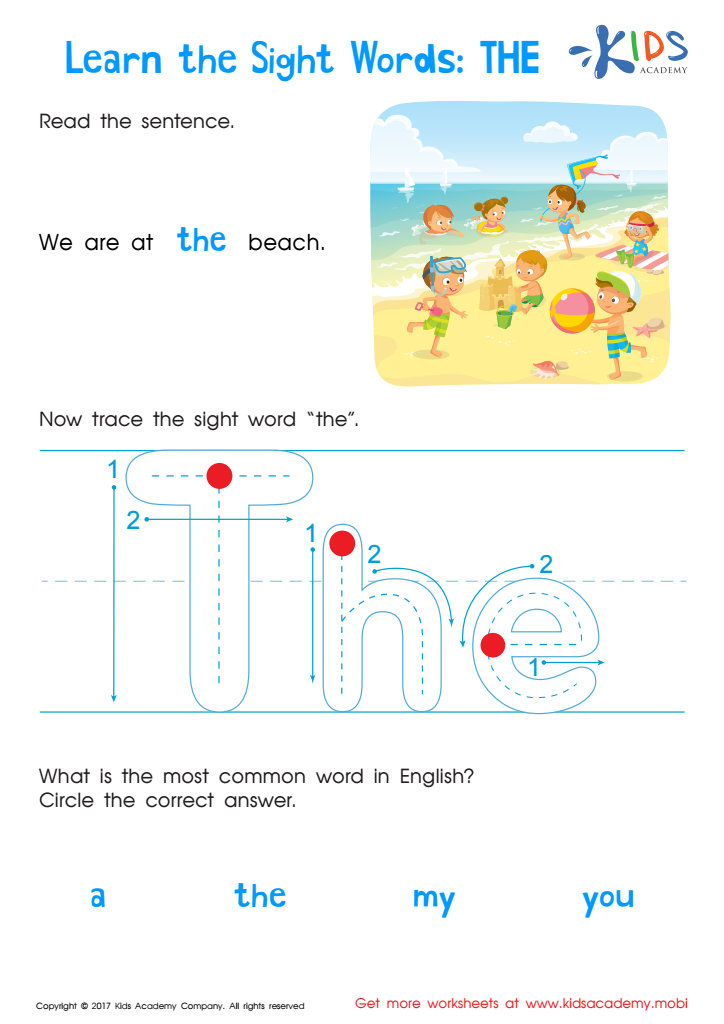
Sight Words: The Worksheet
 Assign to My Students
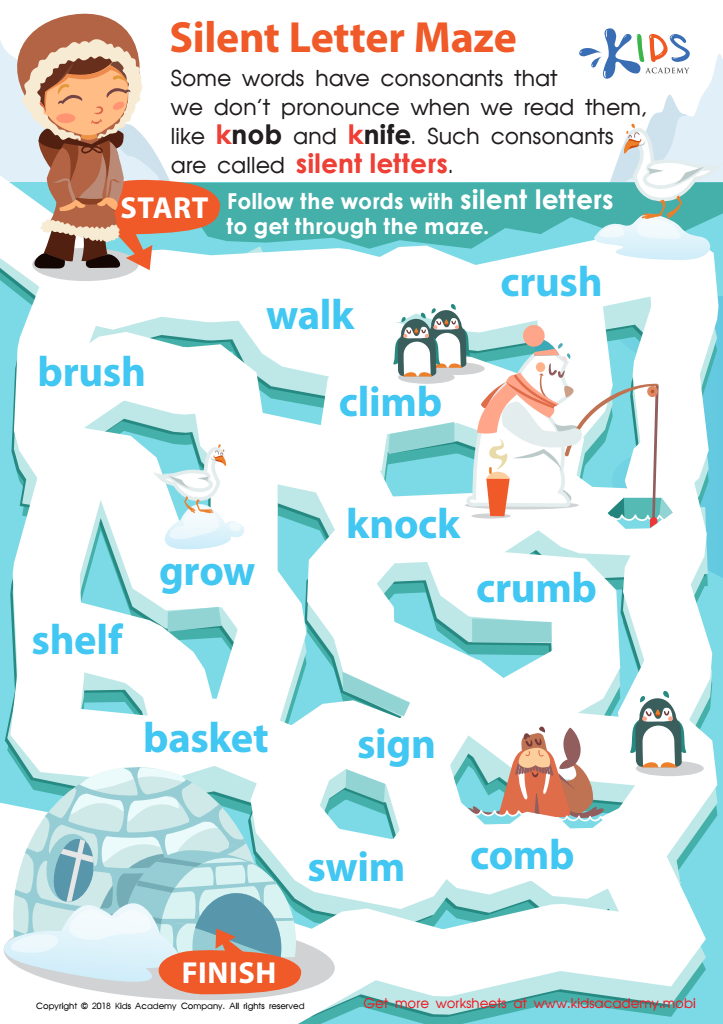
Silent Letter Maze Worksheet
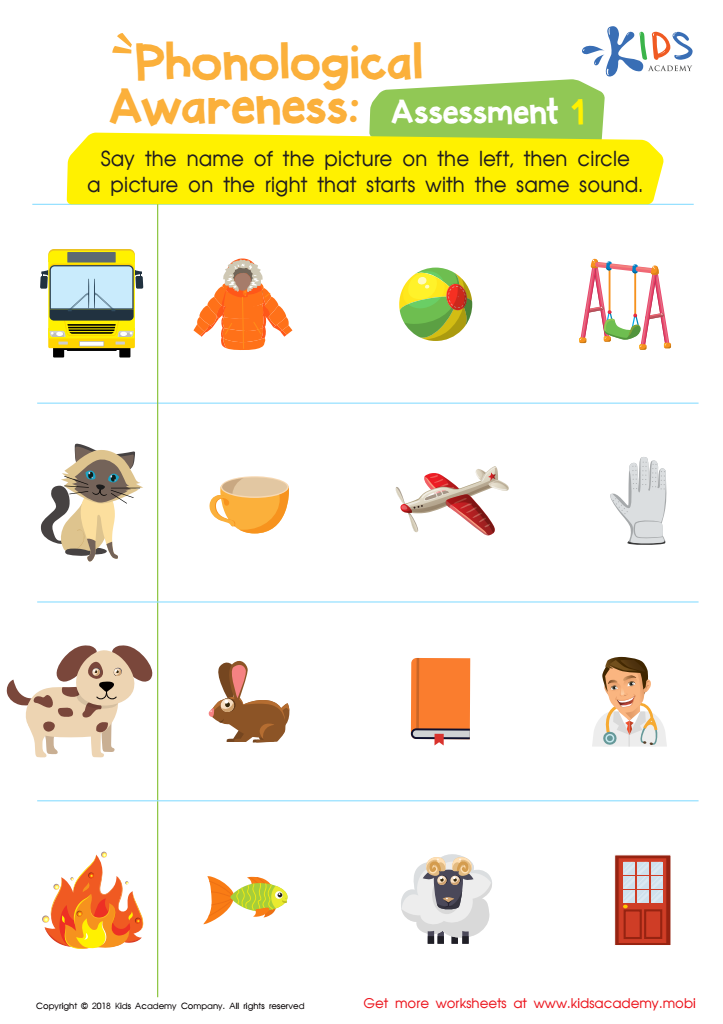
Phonological Awareness: Assessment 1 Worksheet
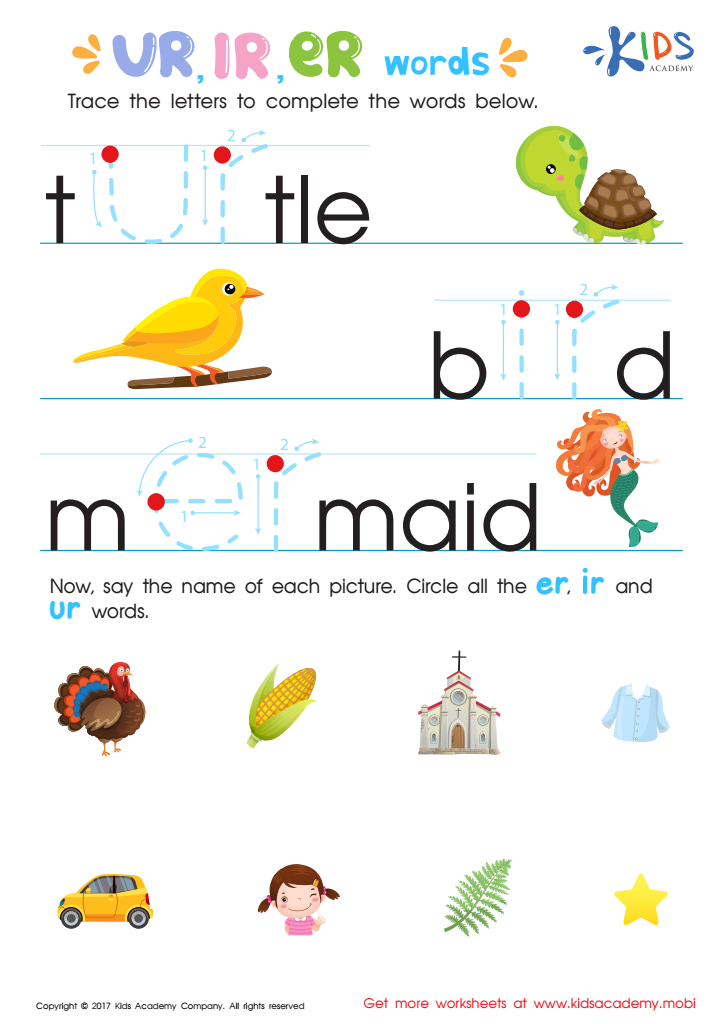
IR UR ER Words Worksheet
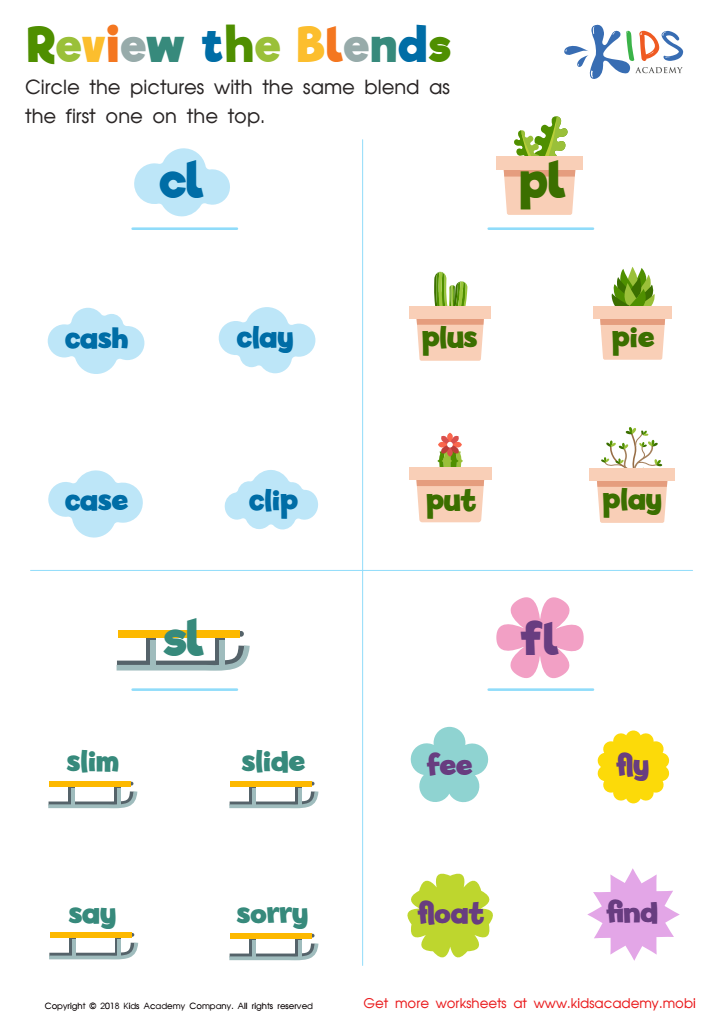
Review the Blends Worksheet
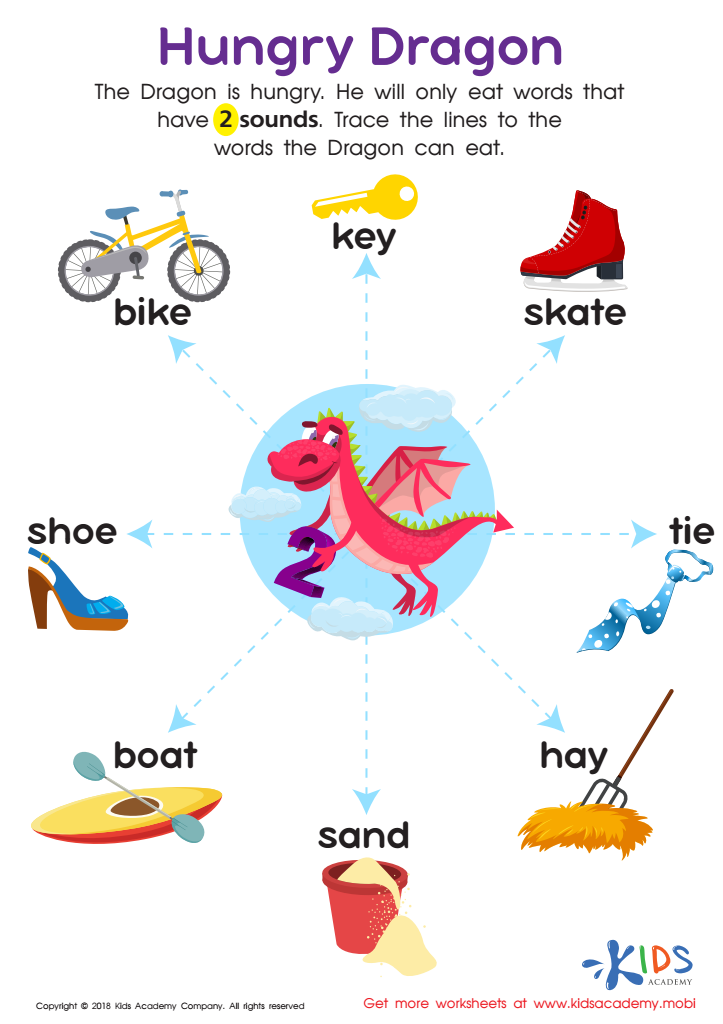
Hungry Dragon Worksheet
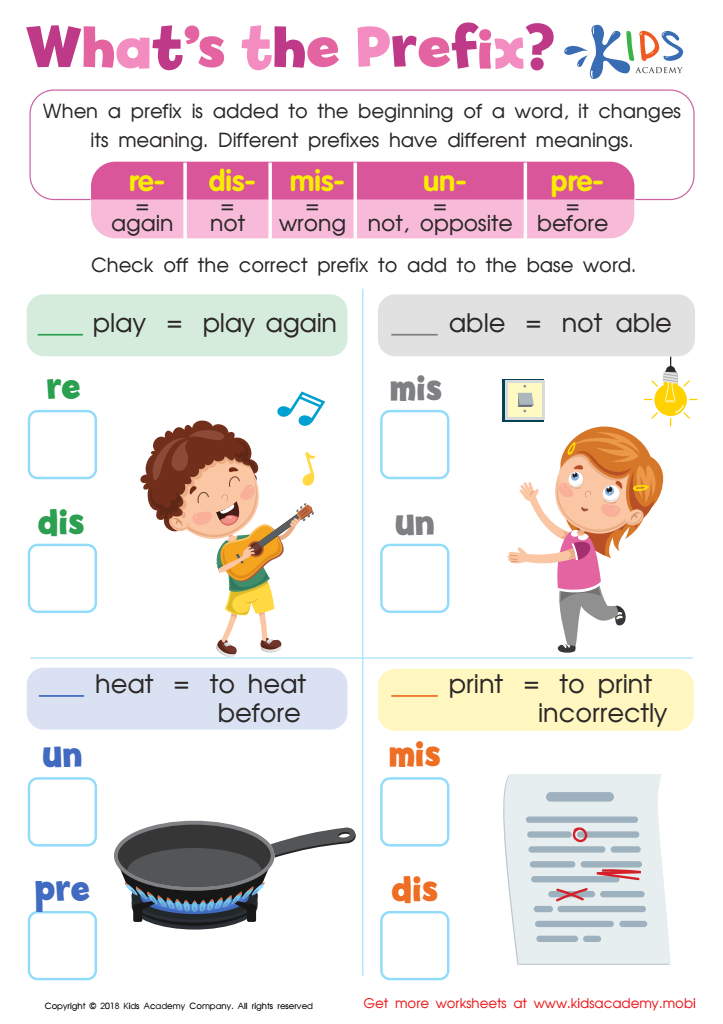
Reading: What Is the Prefix Worksheet
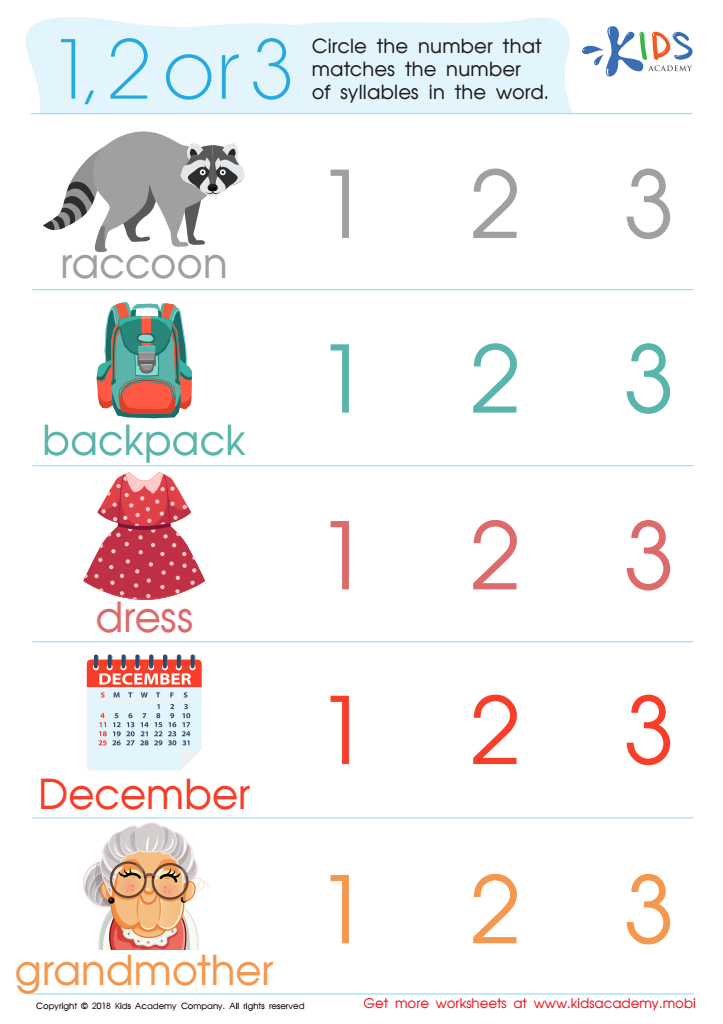
1, 2 or 3? Worksheet
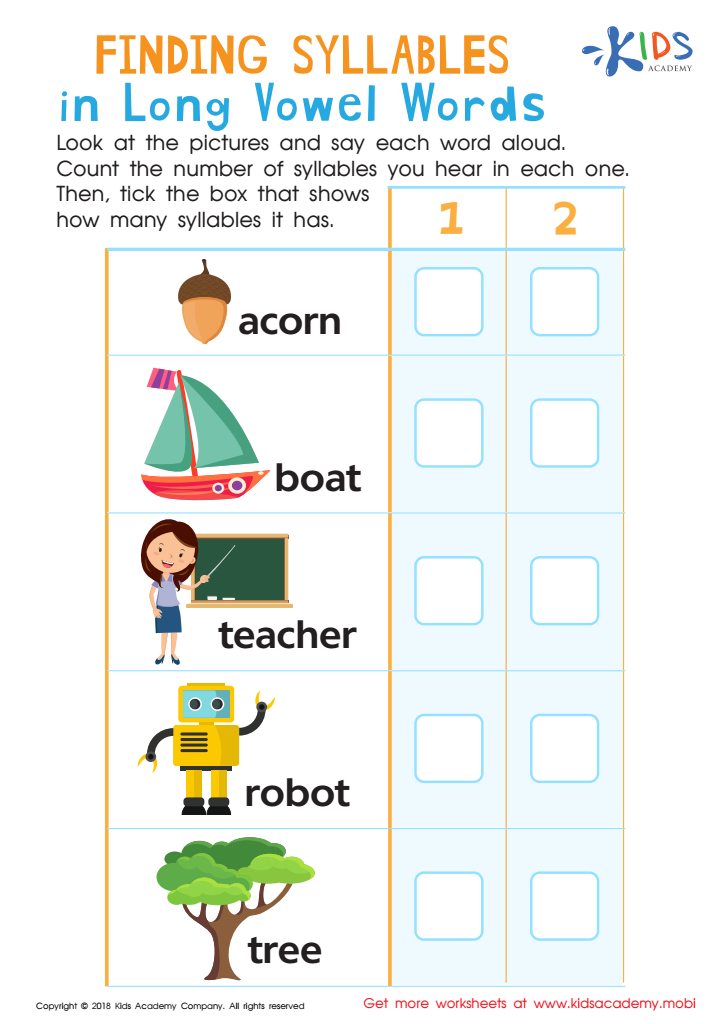
Finding Syllables in Long Vowel Words Worksheet
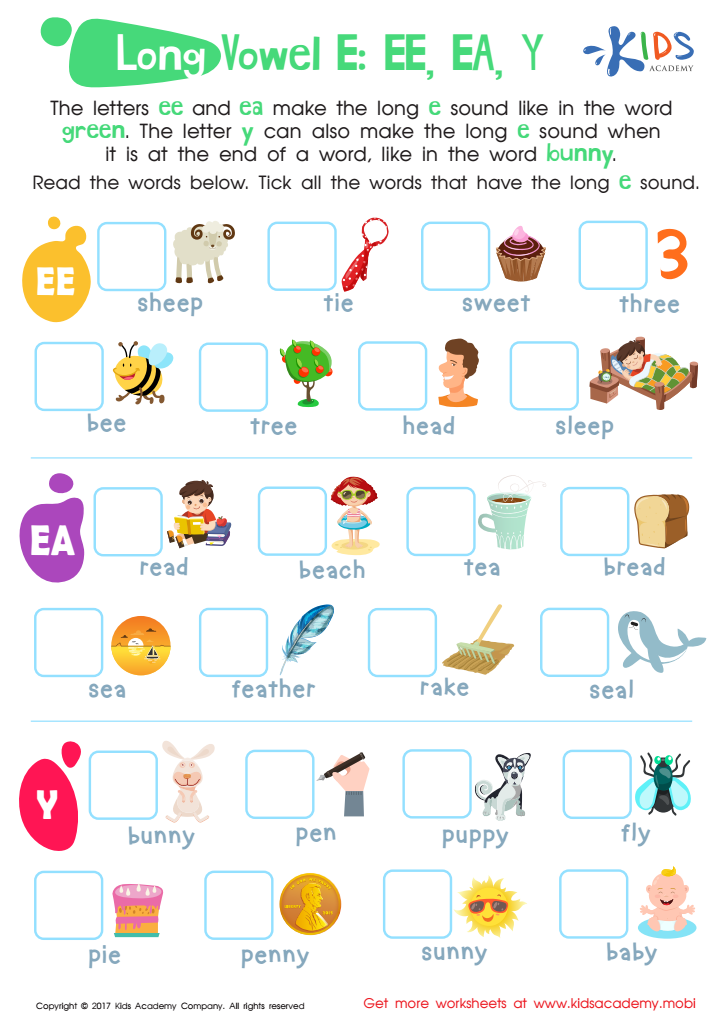
Long Vowel E Printable
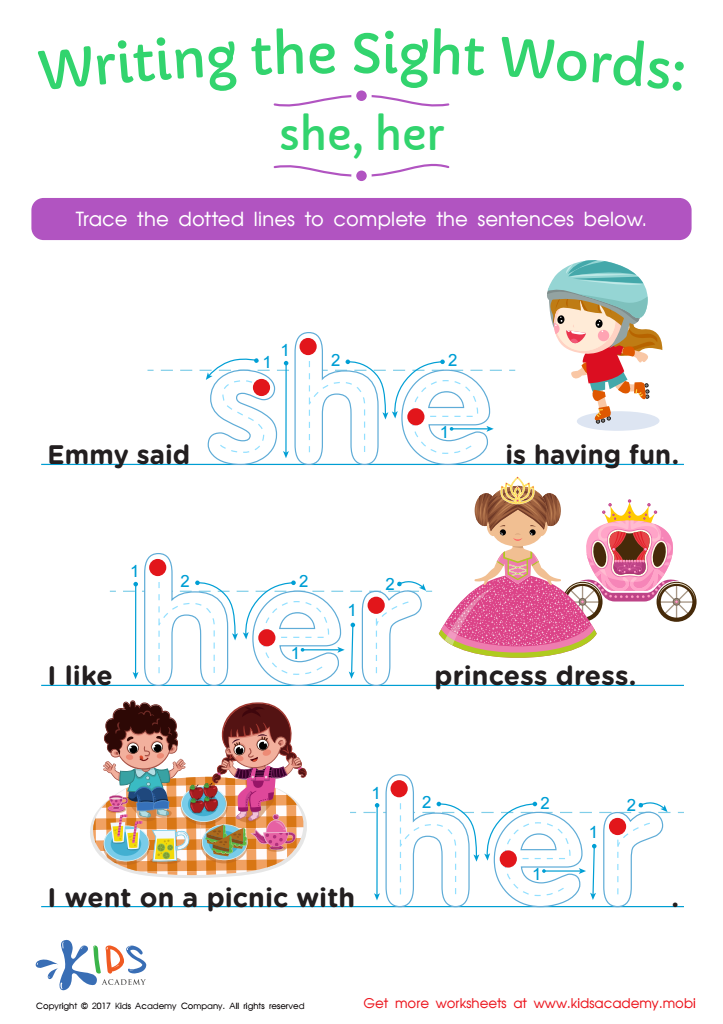
She, Her Printable Sight Words Worksheet
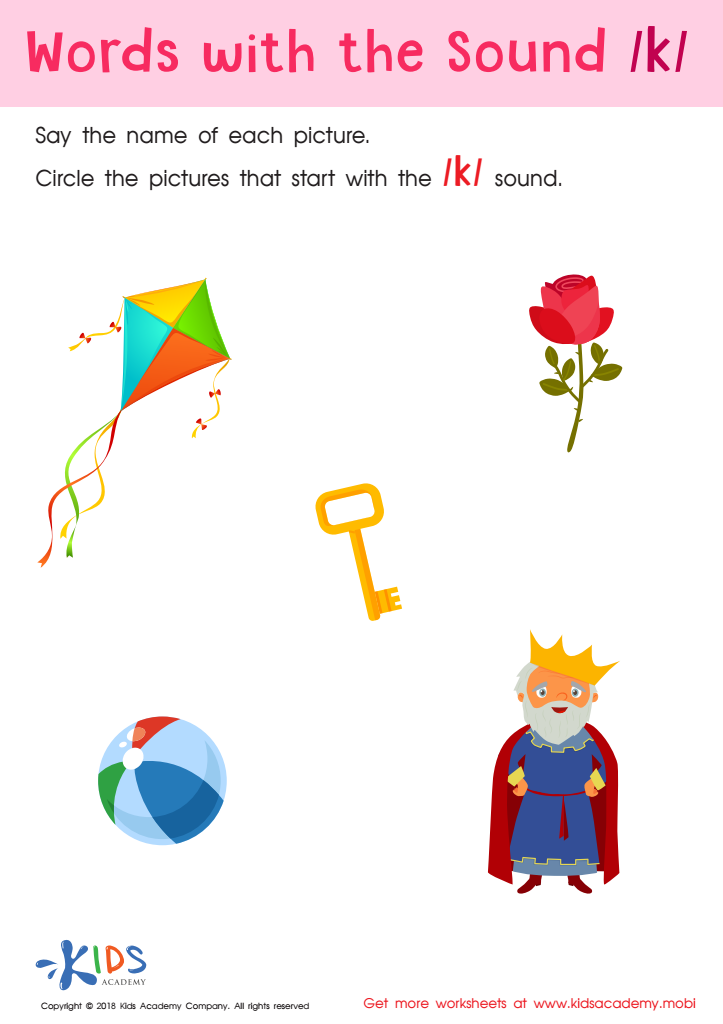
Words with sound k Reading Worksheet








Phonics is a crucial building block in early literacy education, especially for children ages 6-9, who are either refining their reading skills or encountering more complex texts. Understanding Normal Phonics supports phonemic awareness, the ability to hear and manipulate sounds in words, essential for decoding unfamiliar words. As children learn to connect sounds with letters, they become more confident and independent readers, making reading a joyful experience rather than a struggle.
Parents and teachers should care deeply about normal phonics because it lays the groundwork for language development and comprehension skills. Improved phonics skills not only enhance reading fluency but also expand vocabulary and improve writing abilities. In an increasingly reading-centric world, proficient literacy fosters better academic performance across subjects and cultivates critical thinking skills.
Furthermore, implementing a structured phonics program can help identify and support struggling readers early on, preventing future literacy issues. By equipping children with strong phonetic skills, parents and teachers empower them with the tools they need to succeed in school and beyond. Ultimately, investing time and resources into phonics education is an investment in a child’s lifelong love of learning and literacy.







