Normal Tracing Letters Worksheets for Ages 6-9 - Page 2
31 filtered results
-
From - To
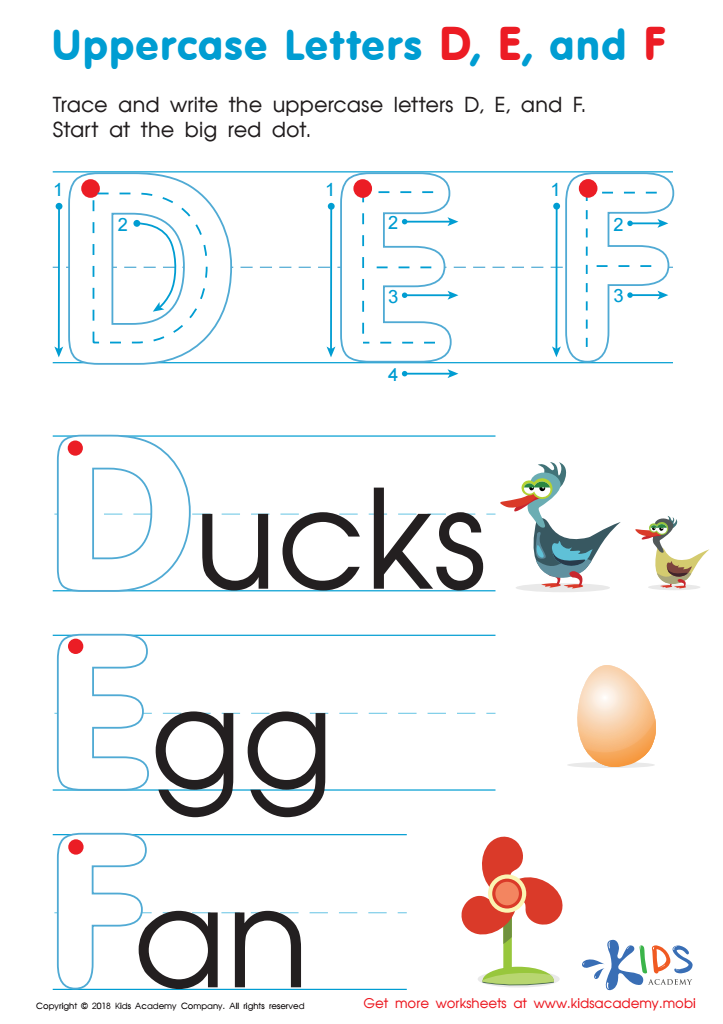
Uppercase Letters D, E, and F Worksheet
 Assign to My Students
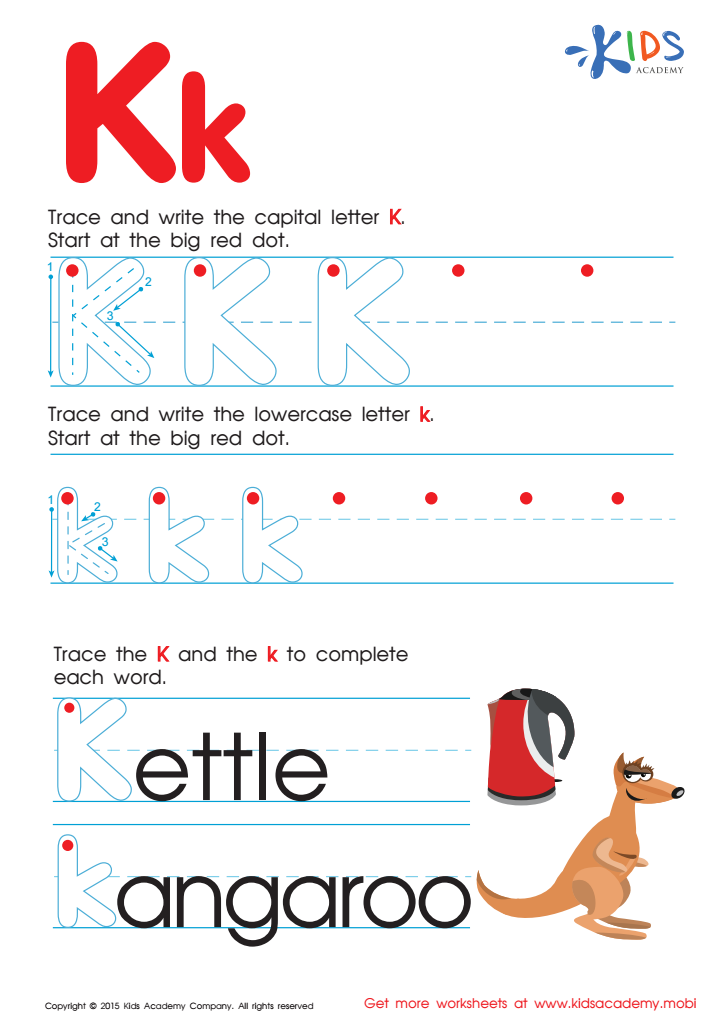
Letter K Tracing Page
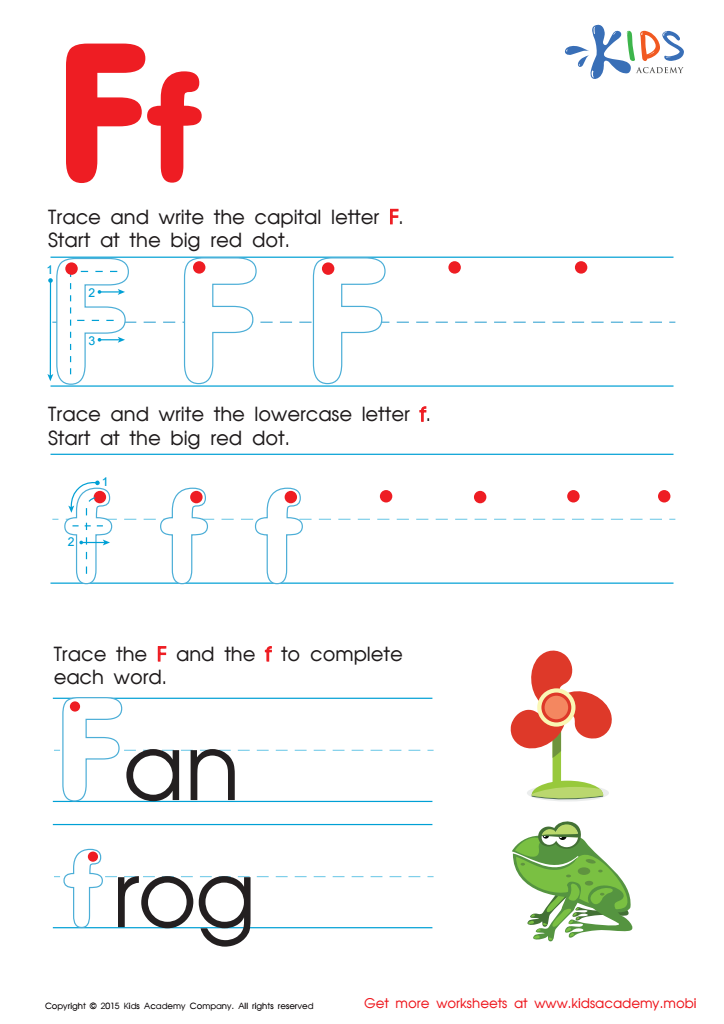
Letter F Tracing Page
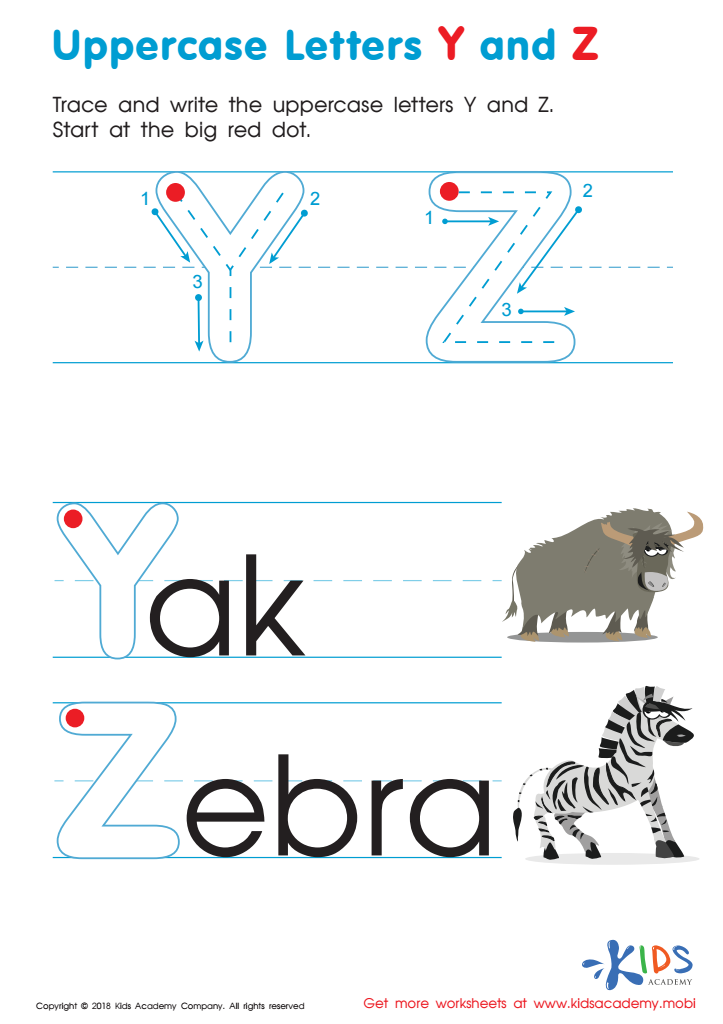
Uppercase Letters Y Z Worksheet
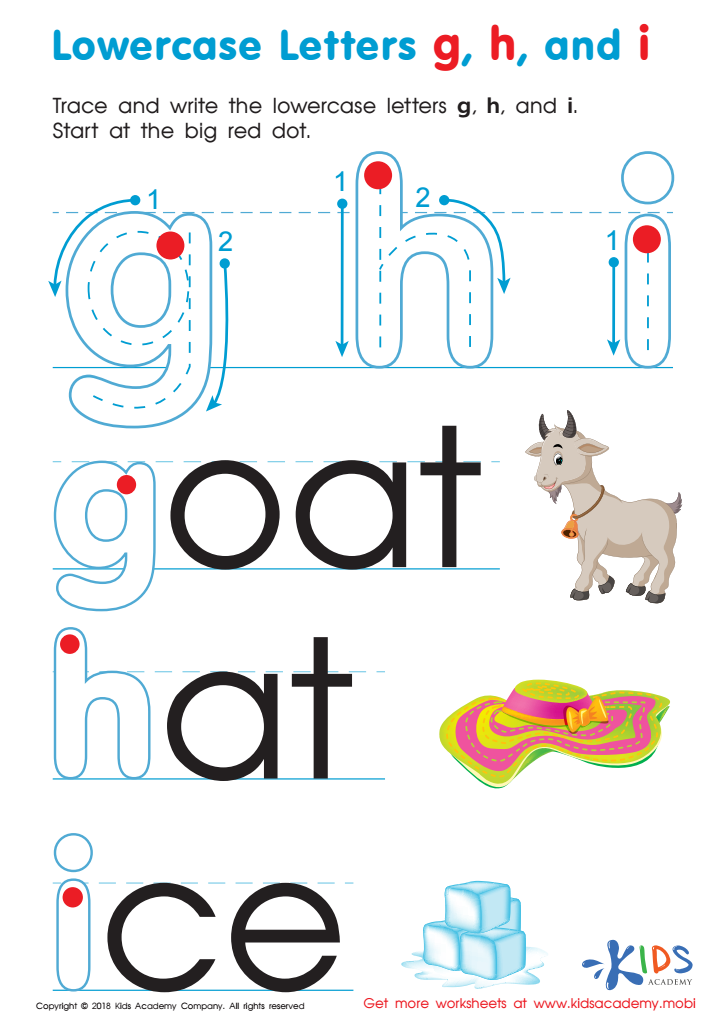
Lowercase Letters g h i Worksheet
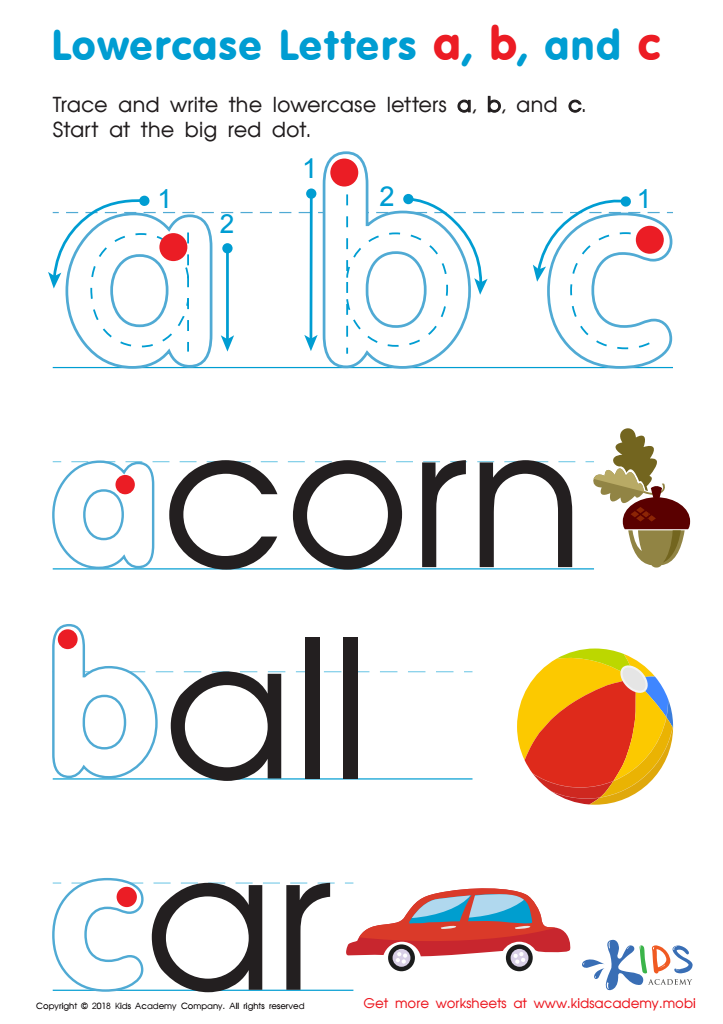
Lowercase Letters a b c Worksheet

Letter D Tracing Page







Parents and teachers should care about normal tracing letters for ages 6-9 because this foundational skill significantly impacts a child's ability to write effectively and foster academic success. Letter tracing helps young children develop fine motor skills, which are essential for gripping and controlling a pencil, enabling them to write letters with proper alignment and spacing. This essential practice leads to legible handwriting, instilling confidence in children's written communication skills.
Furthermore, tracing letters reinforces letter recognition and phonemic awareness. As children trace, they repeatedly see and practice each letter, solidifying their understanding of the alphabet's shapes and sounds, which is vital for reading proficiency and literacy development. By mastering these basics, children can smoothly progress to more complex writing tasks, fostering overall cognitive development.
Tracing also encourages attention to detail and accuracy, building patience and persistence. These qualities are invaluable as children start facing more challenging academic and life situations. For parents and teachers, incorporating letter tracing into learning routines ensures children have a structured pathway to literacy, making the acquisition of writing skills a positive and successful experience. Early investment in these formative practices contributes to a child's educational foundation and future success.








