Normal Numbers 0–10 Worksheets for Ages 6-9 - Page 2
34 filtered results
-
From - To
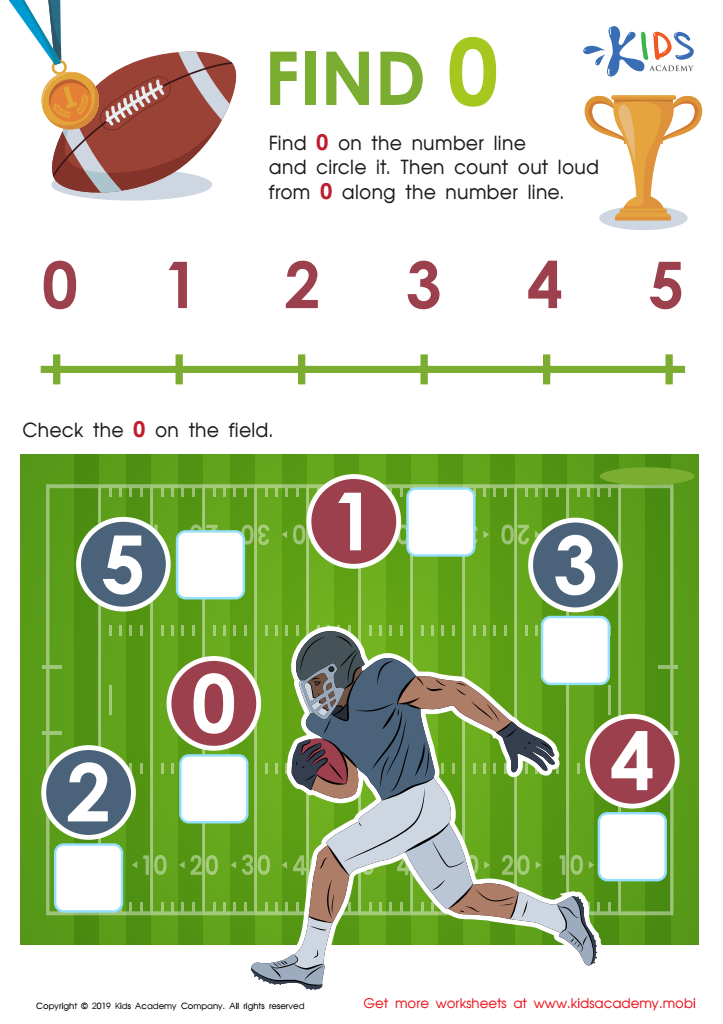
Find 0 Worksheet
 Assign to My Students
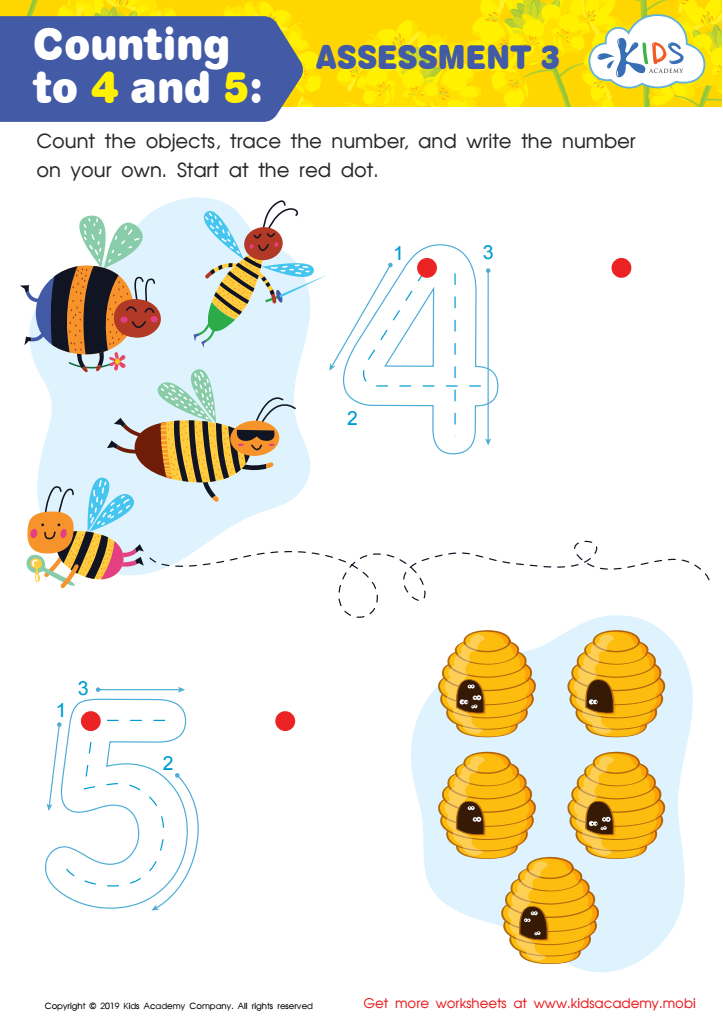
Counting to 4 and 5: Assessment 3 Worksheet
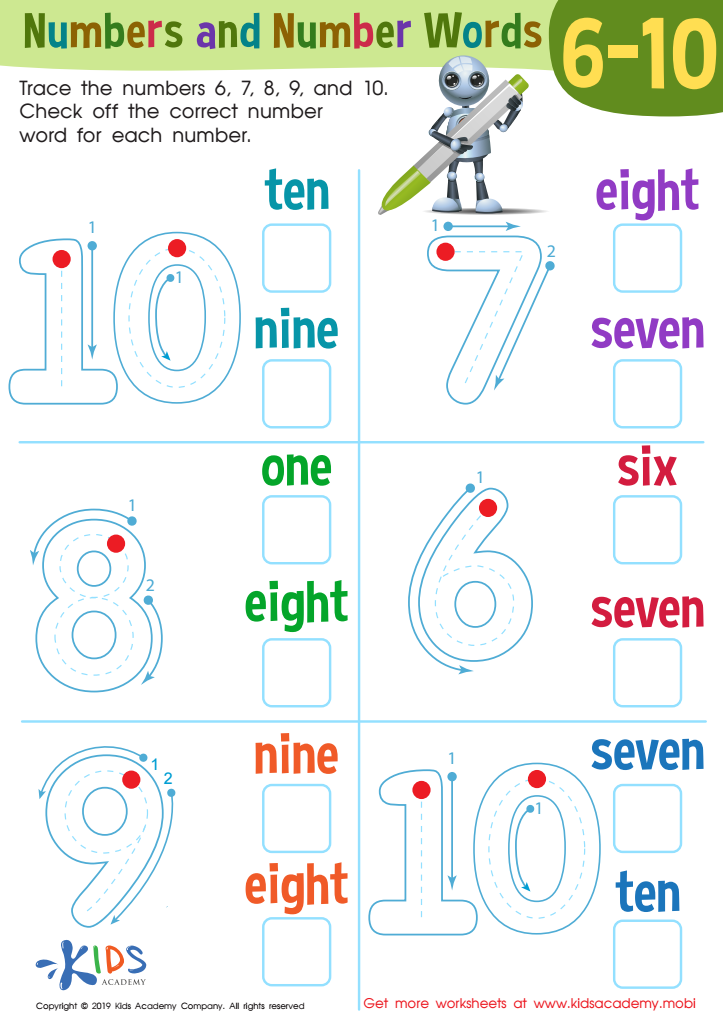
Numbers and Number Words 6–1 Worksheet
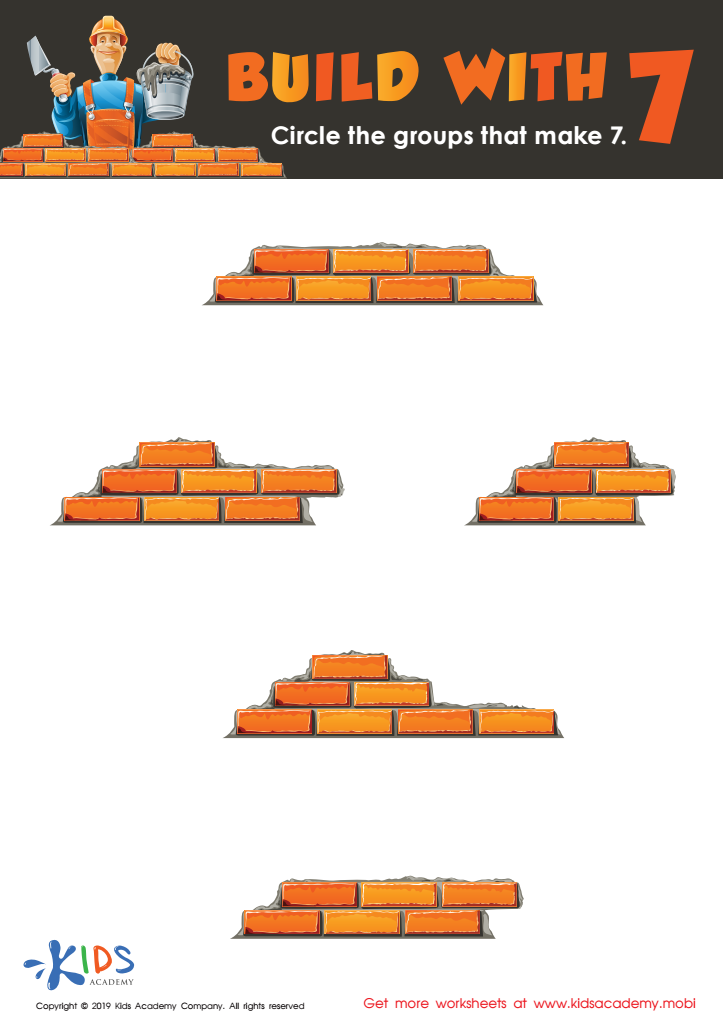
Build with 7 Worksheet
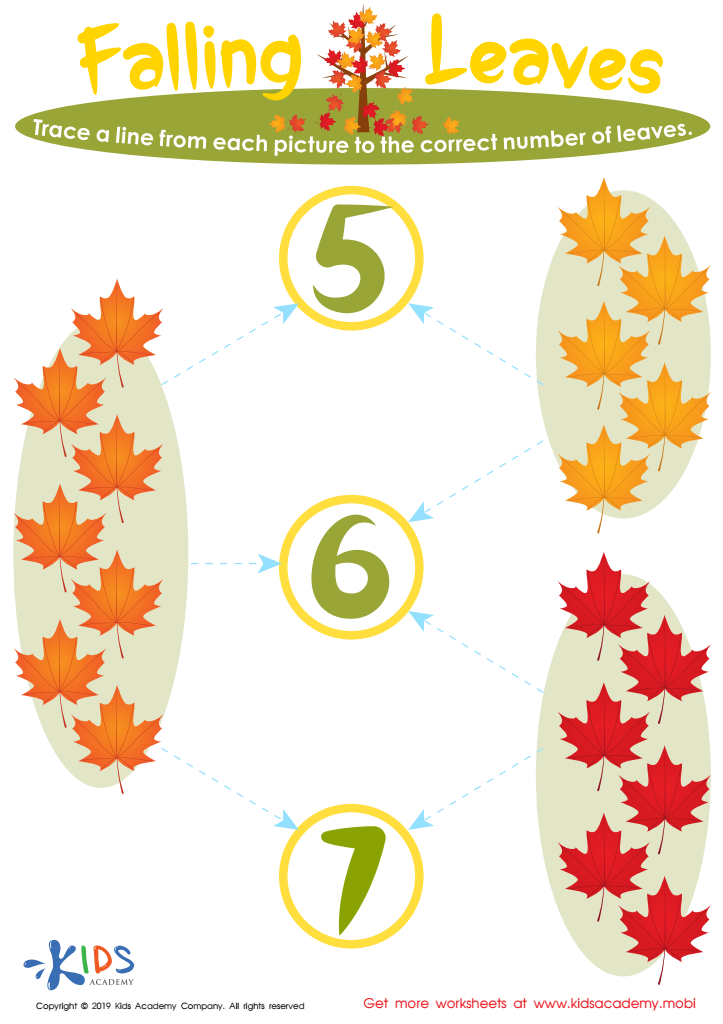
Falling Leaves Worksheet
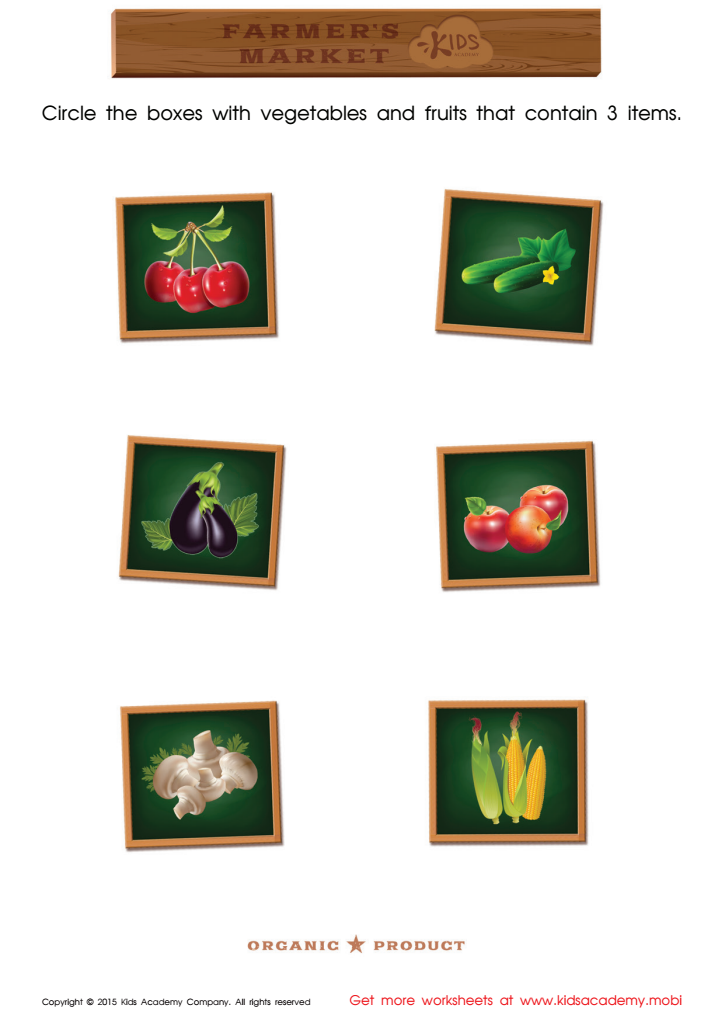
Count and Match Vegetables 1 – 5 Math Worksheet
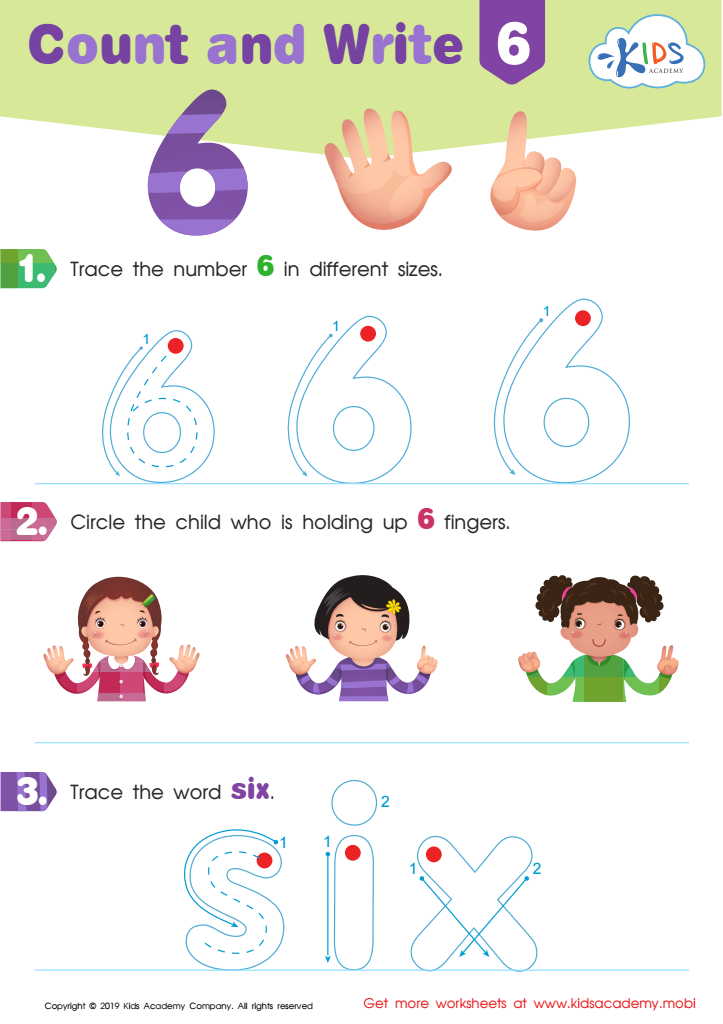
Count and Write 6 Worksheet
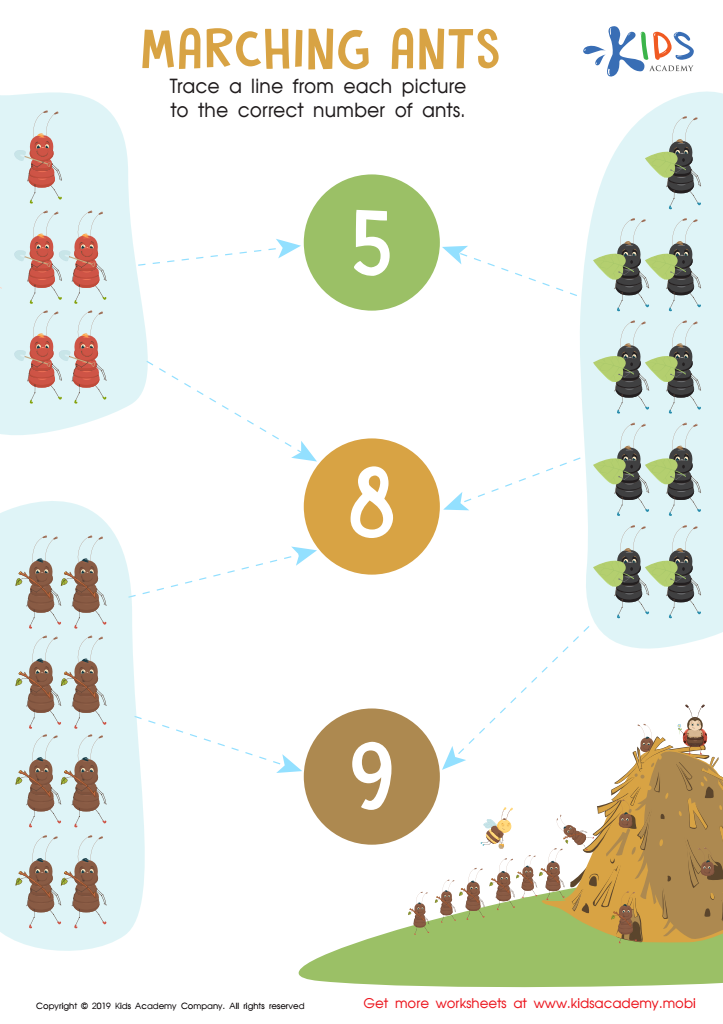
Marching Ants Worksheet
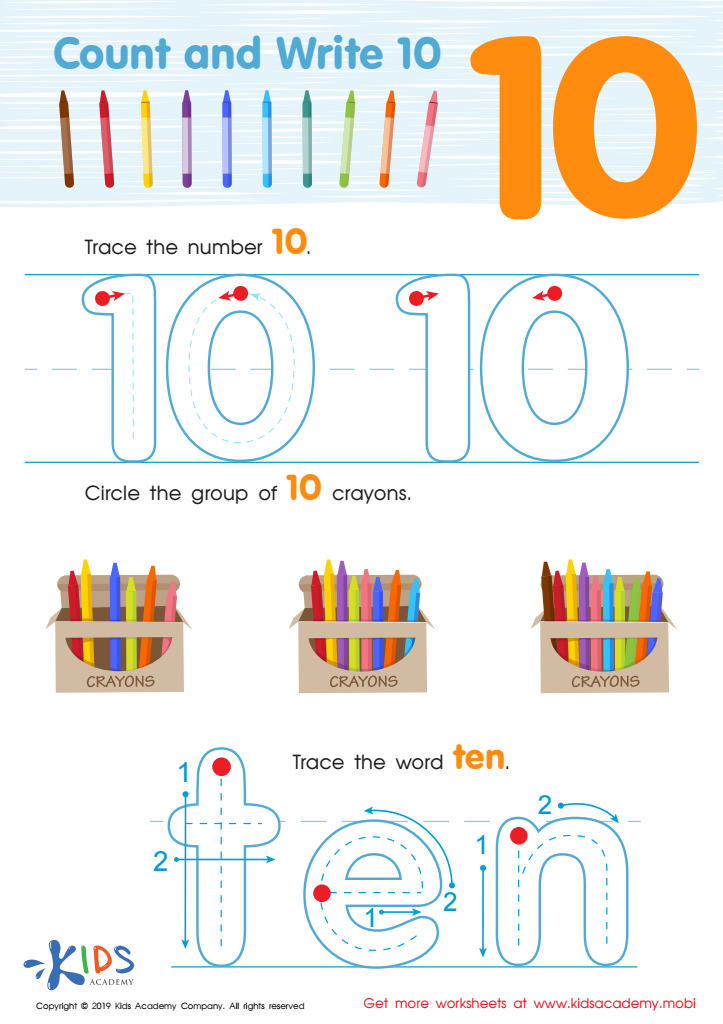
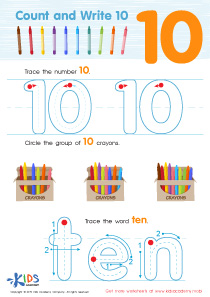
Count and Write 10 Worksheet
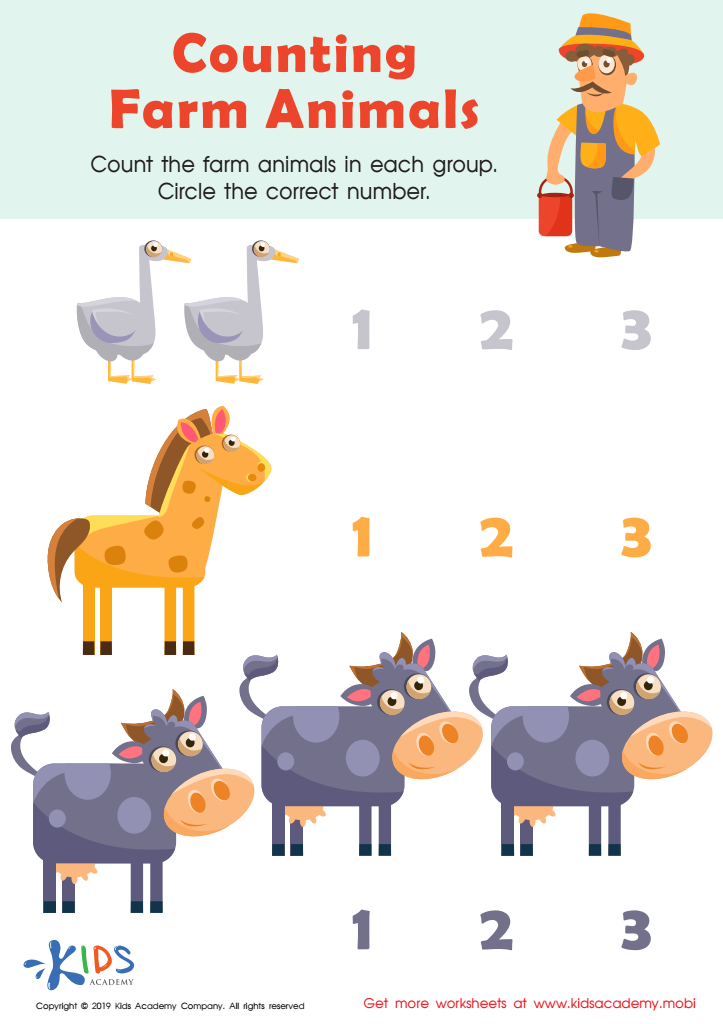
Counting Farm Animals Worksheet








Understanding normal numbers in the range of 0–10 is crucial for children aged 6-9, and as such, parents and teachers should prioritize this foundational aspect of mathematics education. This age group is a critical time for developing number sense, a skill essential for more advanced mathematical concepts. By recognizing and utilizing numbers within this range, children enhance their counting abilities, understand quantity, and foster problem-solving skills crucial for all future learning.
Normal numbers, which are often used in everyday contexts, allow children to relate mathematical concepts to real-life situations. This connection enriches their learning experience, making math feel relevant and applicable. Moreover, as children master these numbers, they build confidence in their mathematical abilities, leading to positive attitudes toward the subject.
Engaging with numbers 0–10 encourages teamwork, cooperation, and communication in group activities, fostering social skills in tandem with cognitive development. In essence, a strong grasp of normal numbers empowers young learners, supporting their emotional and intellectual growth. For parents and teachers, emphasizing these numbers not only strengthens students' foundational skills but also encourages a lifelong appreciation for mathematics. Ultimately, this understanding facilitates smoother transitions into more complex mathematical concepts as children progress in their education.