Normal Tracing Words Worksheets for Ages 6-9 - Page 2
34 filtered results
-
From - To
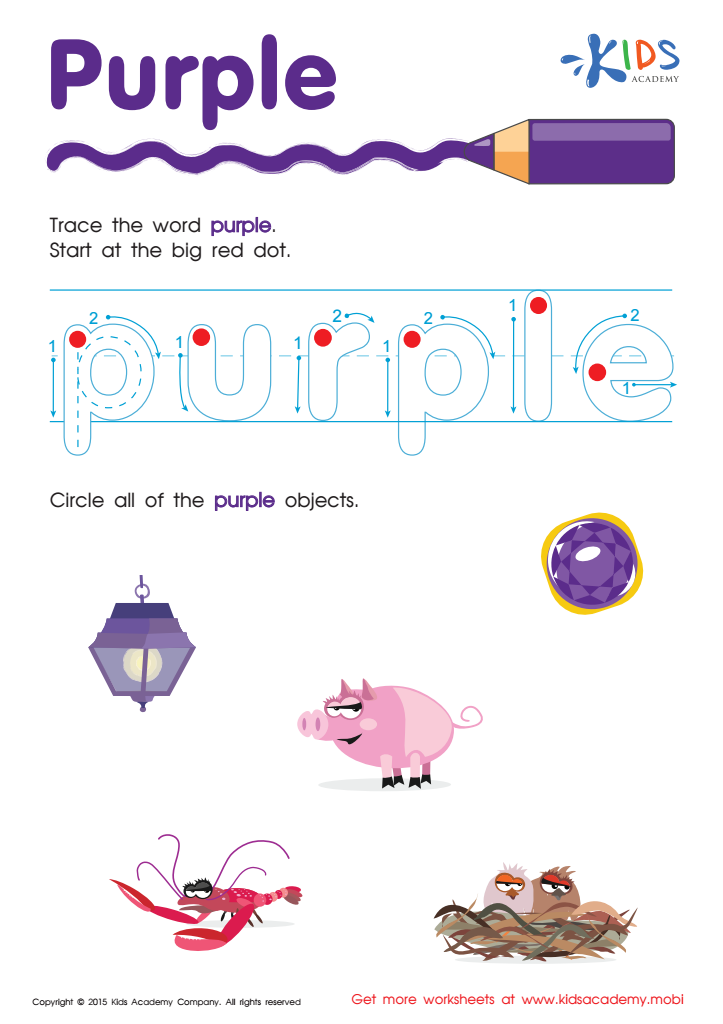
Purple Tracing Color Words Worksheet
 Assign to My Students
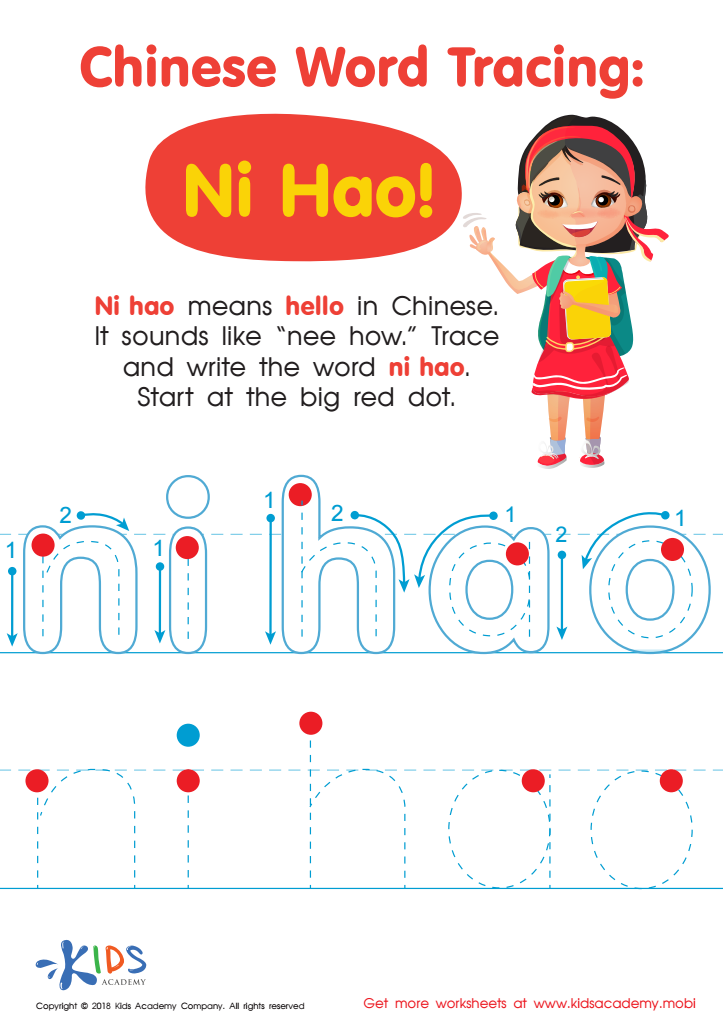
Chinese Word Tracing: Ni Hao Worksheet
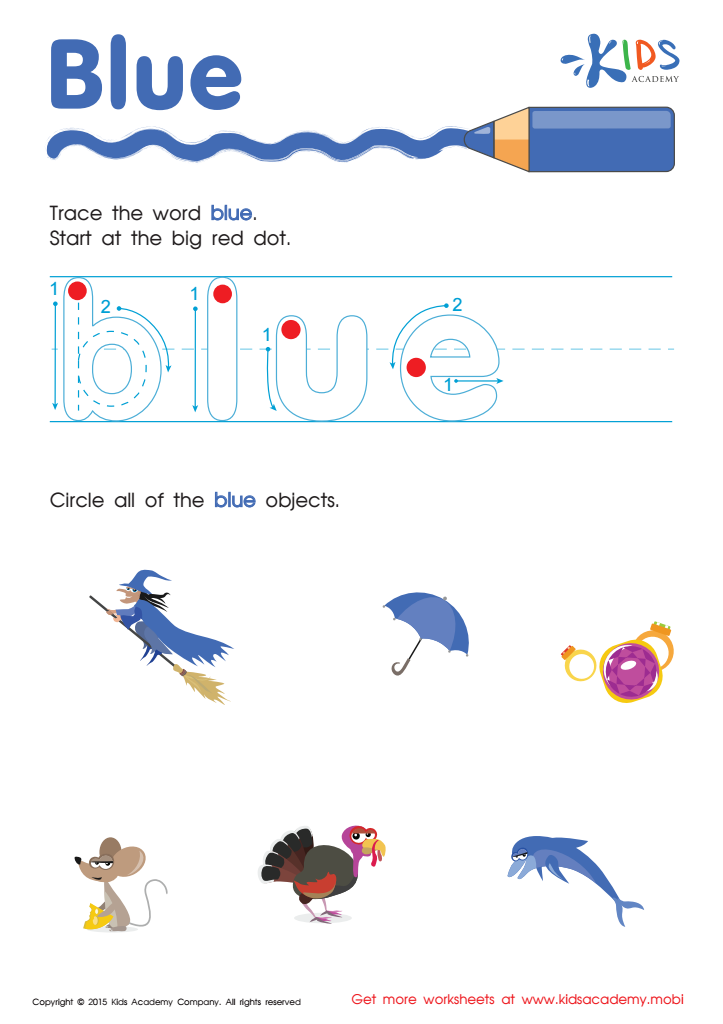
Blue Tracing Color Words Printable
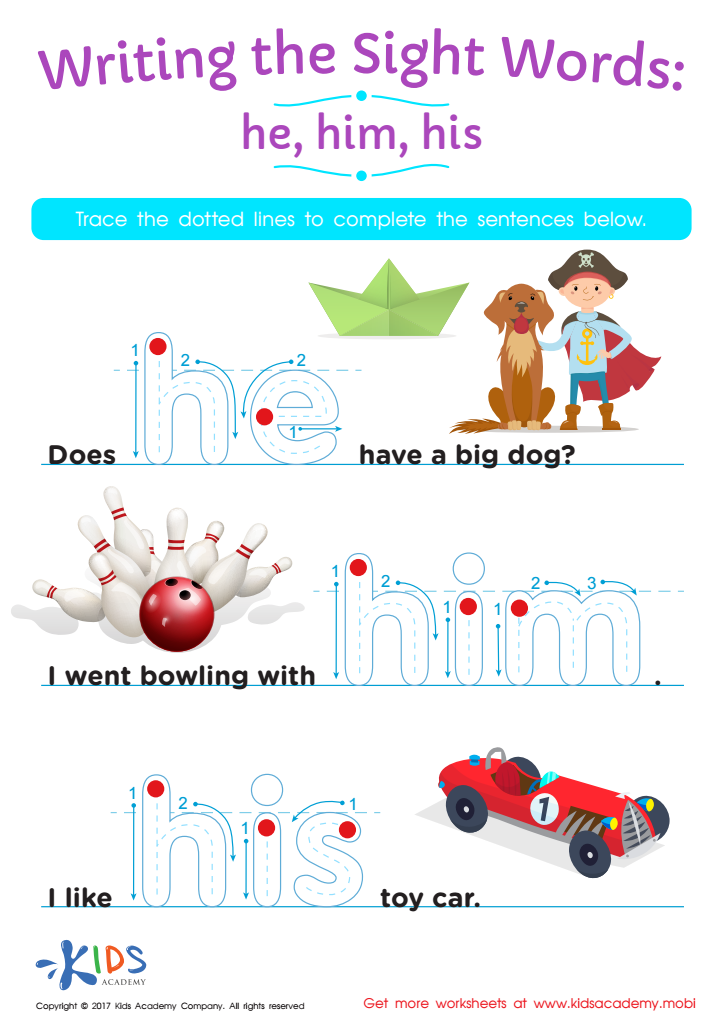
He, Him, His Printable Sight Words Worksheet
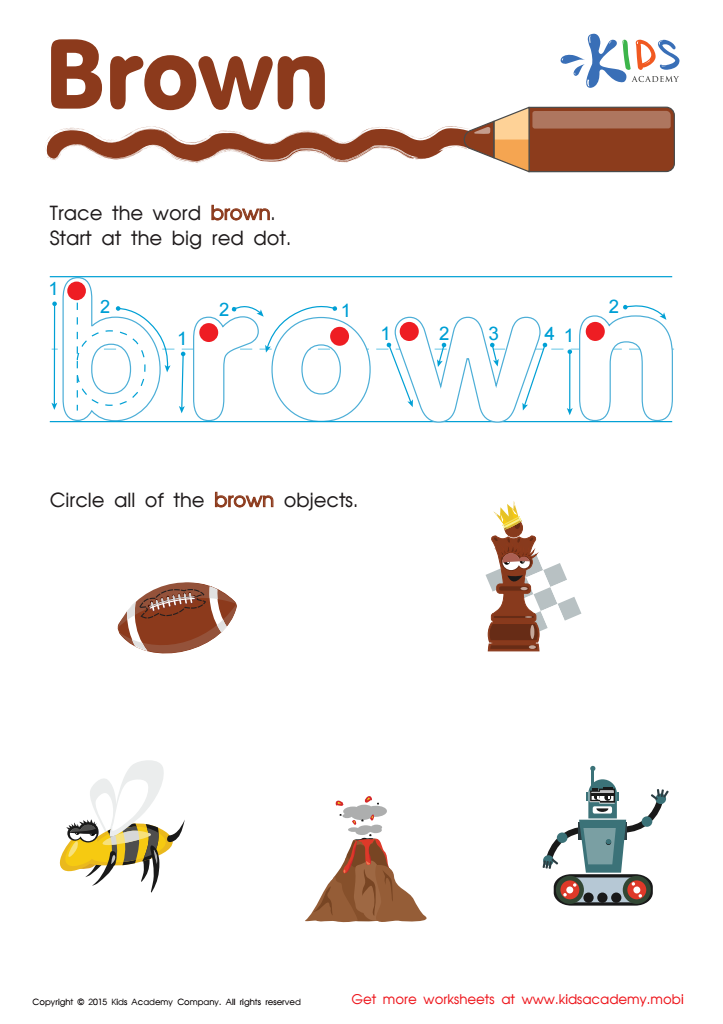
Brown Tracing Color Words Worksheet
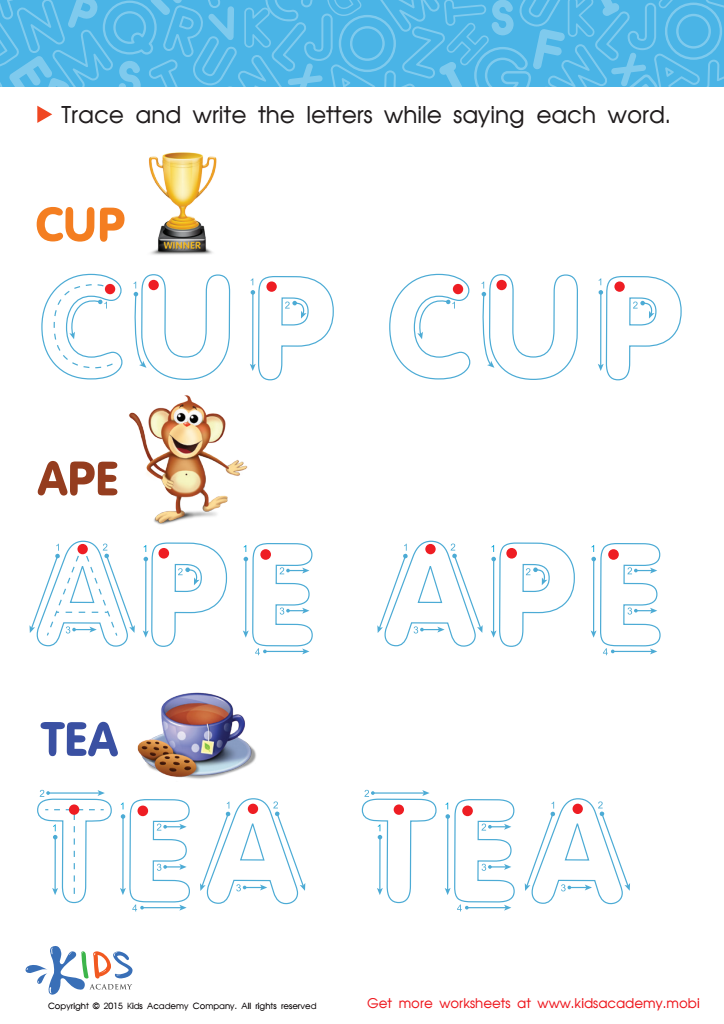
A Cup, an Ape and Tea Spelling Worksheet
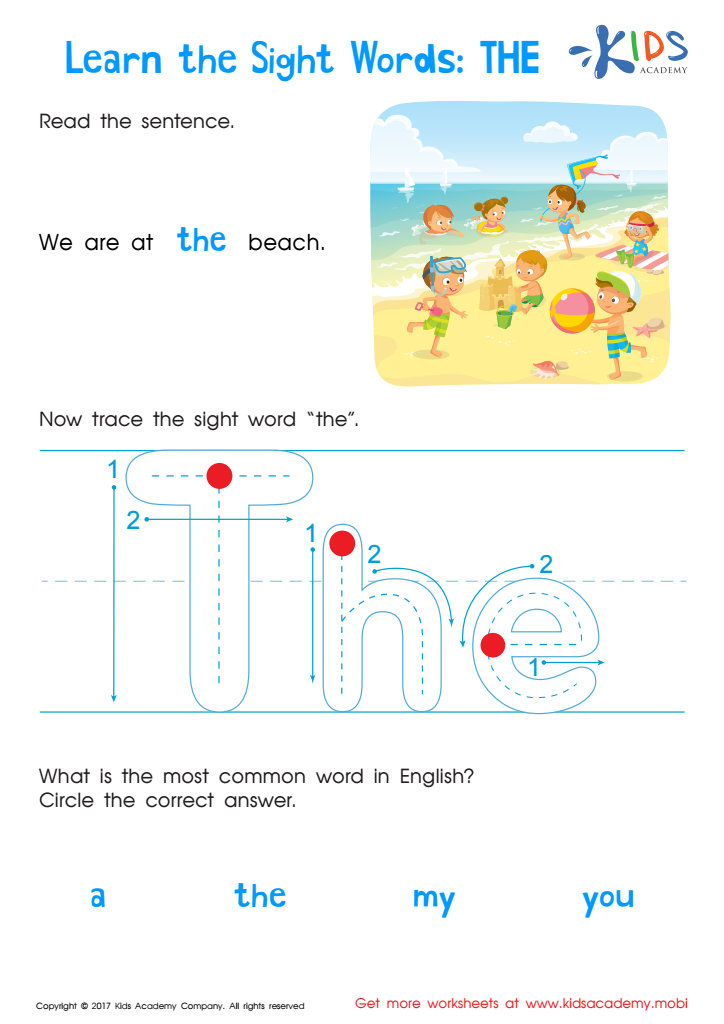
Sight Words: The Worksheet
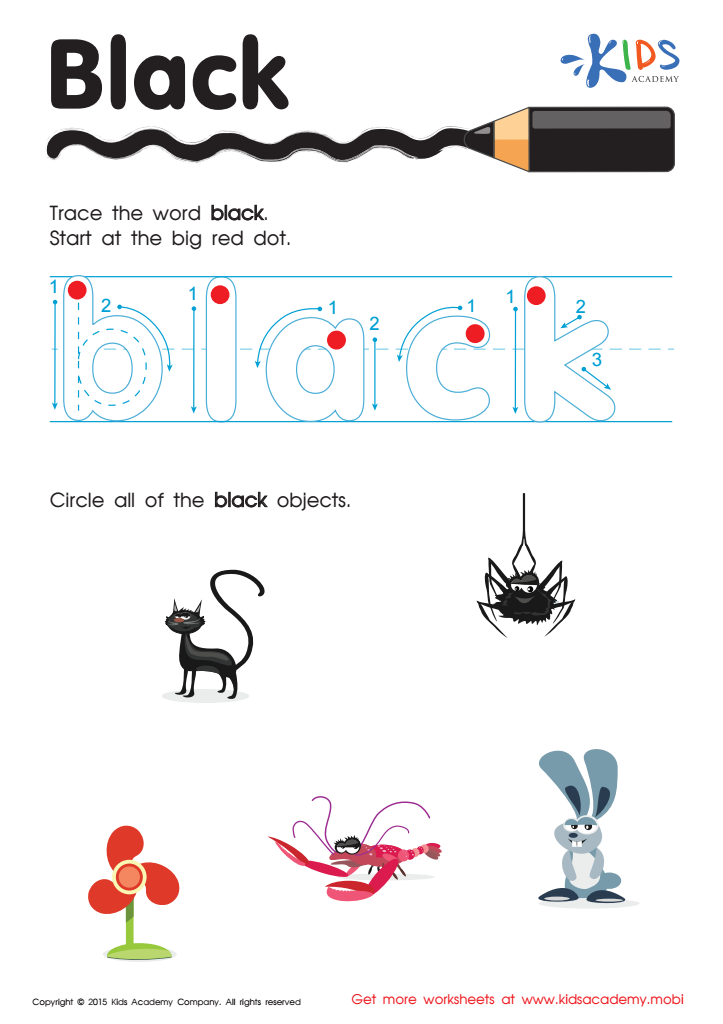
Black Tracing Color Words Printable
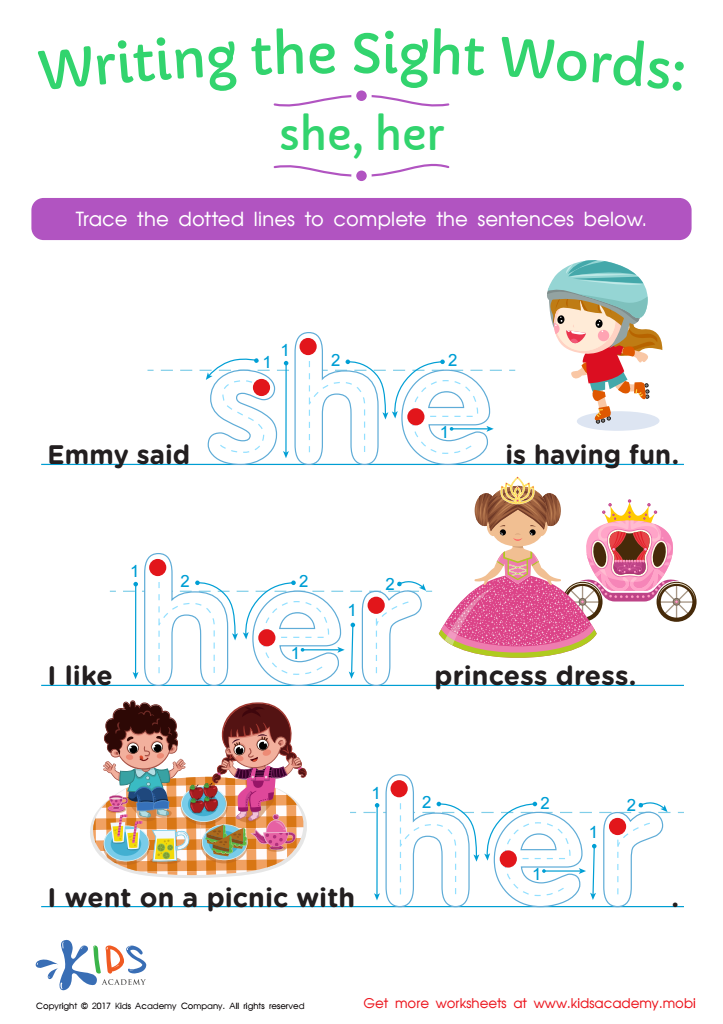
She, Her Printable Sight Words Worksheet
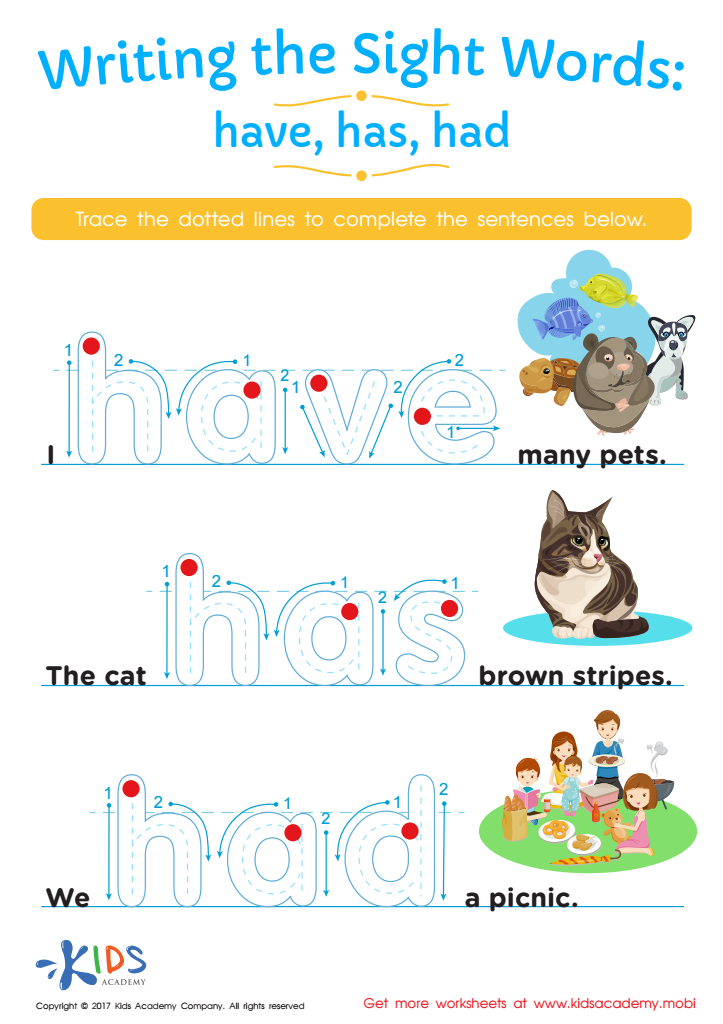
Have, Has, Had Worksheet Sight Words Worksheet








Normal Tracing Words for ages 6-9 play a crucial role in early literacy development. During these formative years, children are not only learning to read and write but also developing key motor skills. Tracing activities promote fine motor development, helping children strengthen the small muscles in their hands and fingers. This is essential for writing, as controlled movements enhance their ability to form letters and words correctly.
Additionally, tracing words cultivates phonetic awareness. As children trace letters and words, they connect the visual representation with the sounds of language, reinforcing their understanding of phonics. Engaging in these activities also fosters concentration and hand-eye coordination, essential skills for academic success.
Moreover, normal tracing activities build confidence. As children practice and see improvement in their writing skills, they gain self-esteem, which is vital for maintaining motivation in learning. Importantly, working with complex words helps expand vocabulary and comprehension skills, preparing them for more advanced literacy tasks.
Teachers and parents should prioritize tracing as a fun, effective practice that not only supports language development but also encourages a lifelong love for reading and writing, laying a robust foundation for future educational achievement.