Basic counting skills Easy Worksheets for Ages 3-4
3 filtered results
-
From - To
Discover our “Basic Counting Skills Easy Worksheets” designed specifically for children aged 3-4! These engaging worksheets offer a fun and interactive way to introduce early counting concepts, helping little learners grasp fundamental numeracy skills. With colorful visuals and easy-to-follow exercises, your child will enjoy tracing, counting, and identifying numbers while building a solid math foundation. Our resources foster curiosity and creativity, making learning a delightful experience. Perfect for homeschooling or supplemental practice, these worksheets ensure your preschooler develops essential counting skills in a playful manner. Start their counting journey today with our ready-to-print worksheets that inspire confidence and enjoyability!

 Assign to My Students
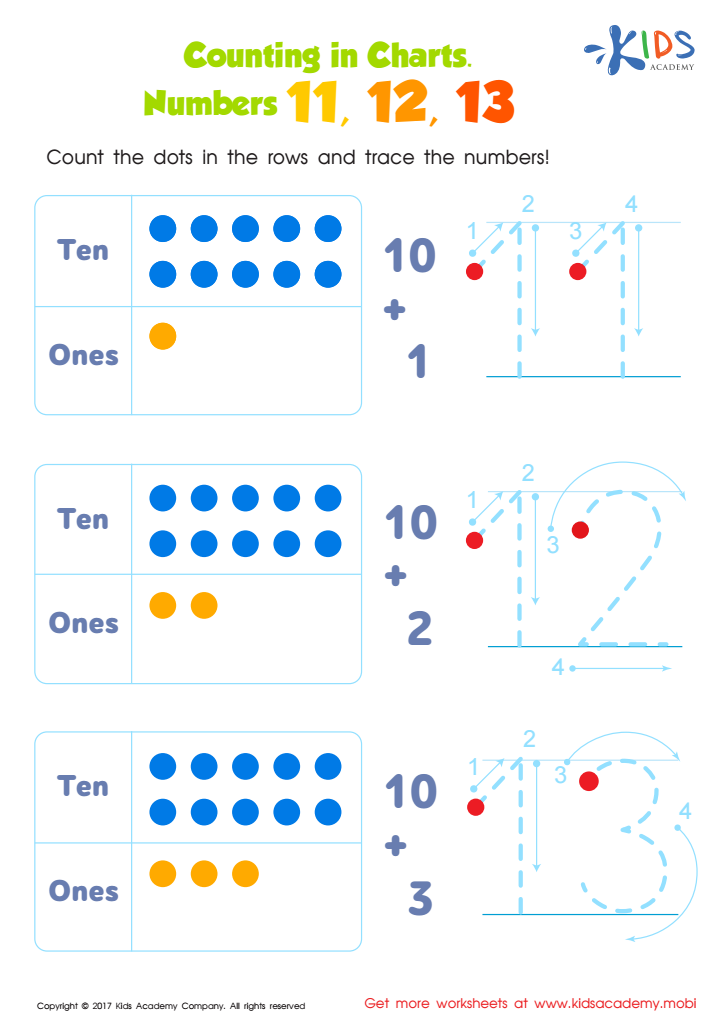
Number Tracing Worksheet For Kindergarten
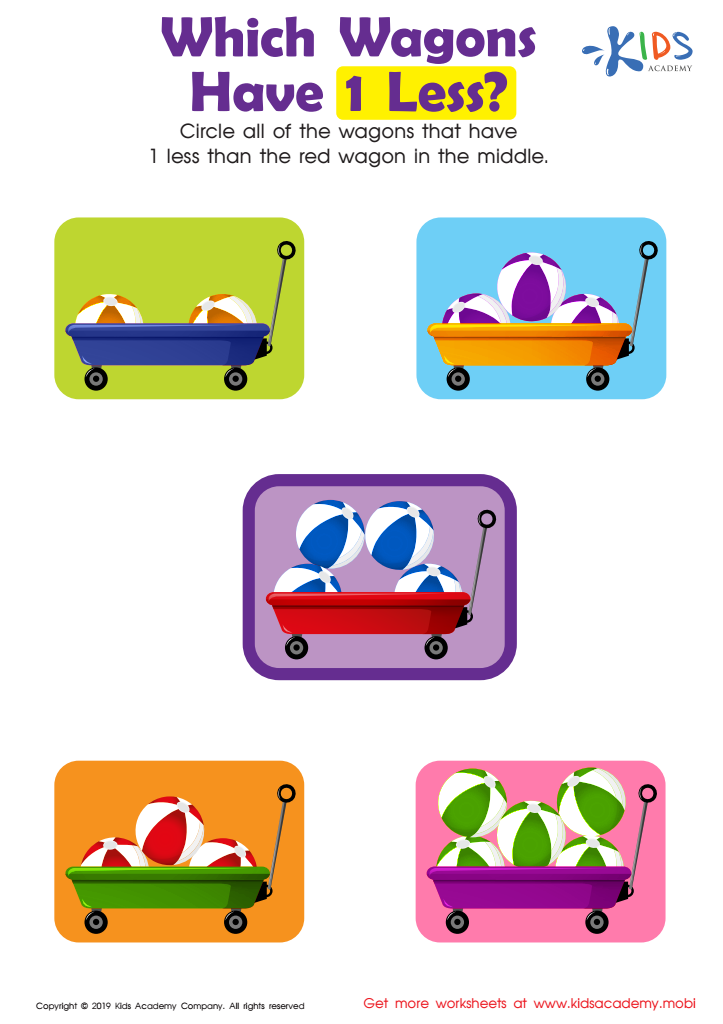
Which Wagons Have 1 Less? Worksheet




.jpg)



Basic counting skills are fundamental for young children, particularly those aged 3-4, as they lay the groundwork for later mathematical understanding. Parents and teachers should prioritize these skills as they enhance cognitive development and critical thinking. Counting teaches children how to recognize numbers, understand quantification, and establish one-to-one correspondence, crucial concepts that underpin later math curricula.
Moreover, counting is intertwined with everyday experiences and play, making learning engaging and practical. By incorporating counting into daily routines—like counting toys, snacks, or steps—adults can help children build count comprehension naturally, creating a rich learning environment.
Counting also boosts language skills, as children learn to articulate numbers and recognize patterns. This verbalization fosters communication abilities and enhances vocabulary.
Additionally, early counting lays the foundation for problem-solving and logical reasoning skills, necessary for academic success across subjects. It promotes patience and persistence, equipping children with skills that extend beyond mathematics.
Therefore, promoting basic counting skills at this young age is vital, not only for academic readiness but also for instilling a love of learning, nurturing critical life skills, and supporting overall growth and development. Engaging in this educational practice benefits children in immeasurable ways.








