Coloring skills Easy Worksheets for Ages 3-4
6 filtered results
-
From - To
Enhance your child's creativity and fine motor skills with our "Coloring Skills Easy Worksheets for Ages 3-4." These engaging, printable worksheets are specially designed for preschoolers to develop early learning skills through joyful coloring activities. Each worksheet features fun, age-appropriate illustrations that encourage young ones to explore colors and improve hand-eye coordination. Perfect for both classroom and home use, our worksheets provide a delightful way for little artists to practice staying within lines and recognizing different hues. Transform learning into playtime with these captivating coloring pages, fostering essential skills in your budding artist.
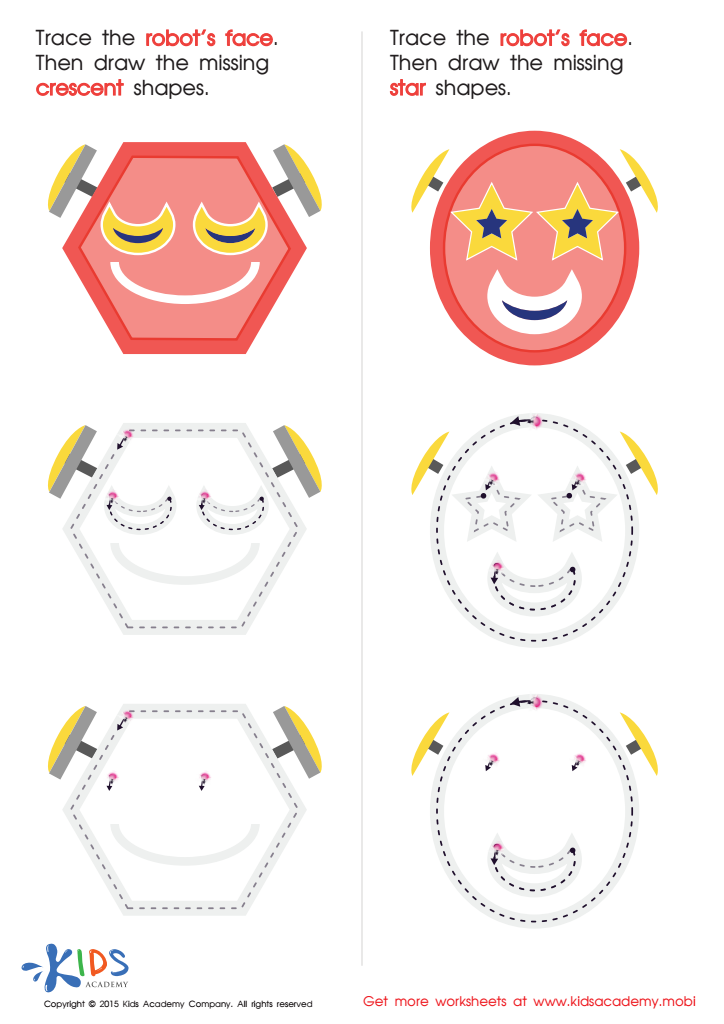
Composing a Robot's Face of Crescents And Stars Worksheet
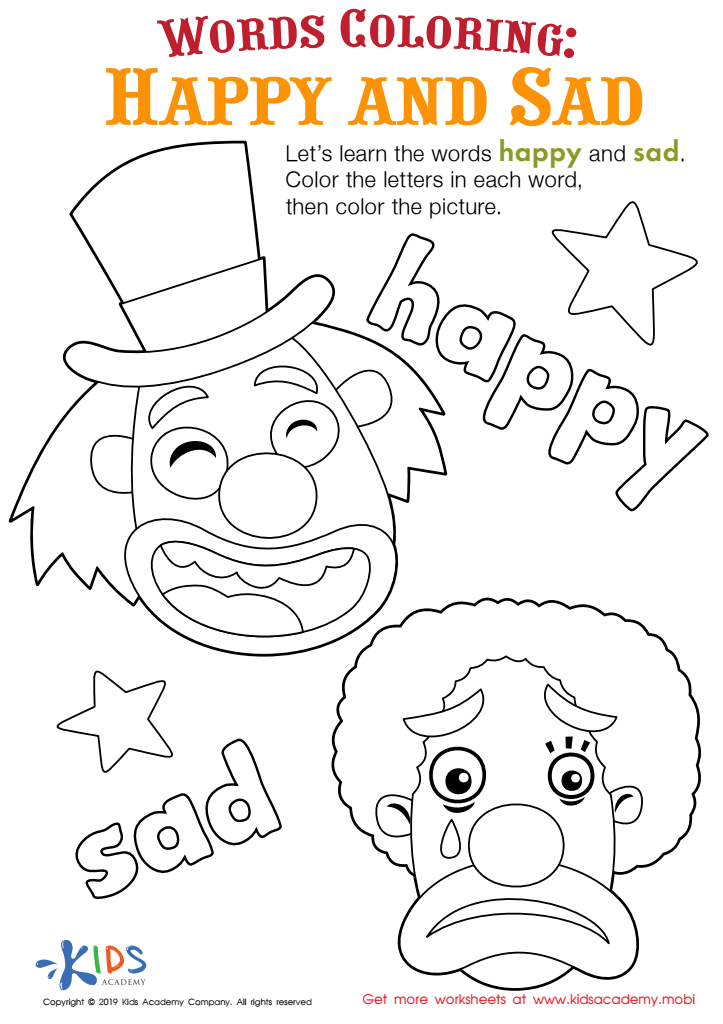
Happy and Sad Words Coloring Worksheet
 Assign to My Students
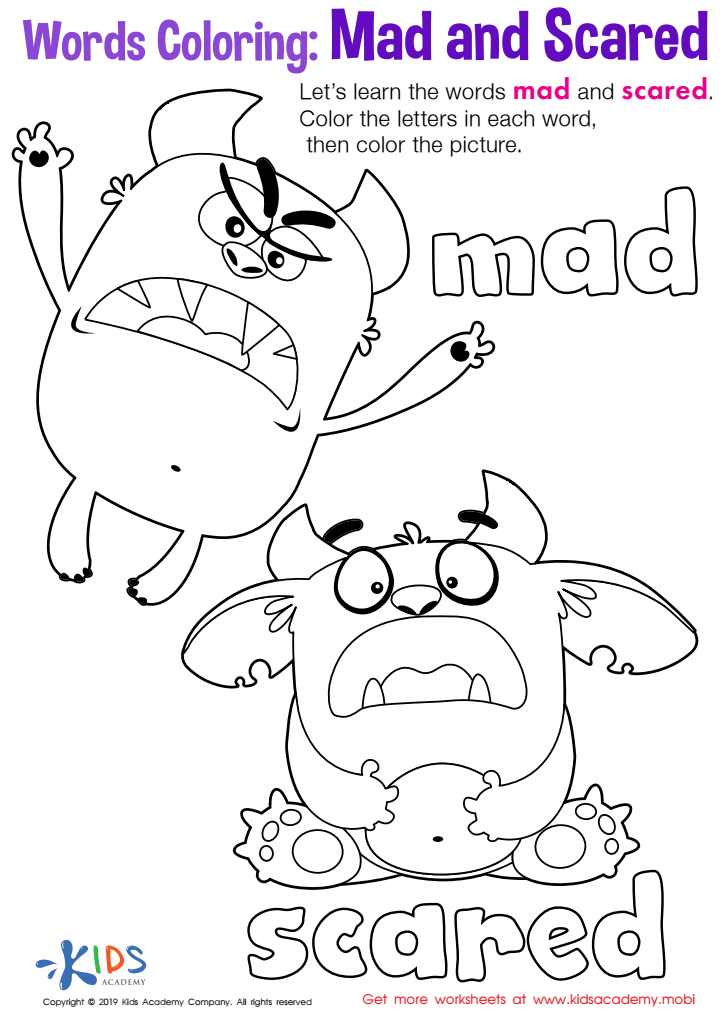
Mad and Scared Words Coloring Worksheet
Assign to My Students
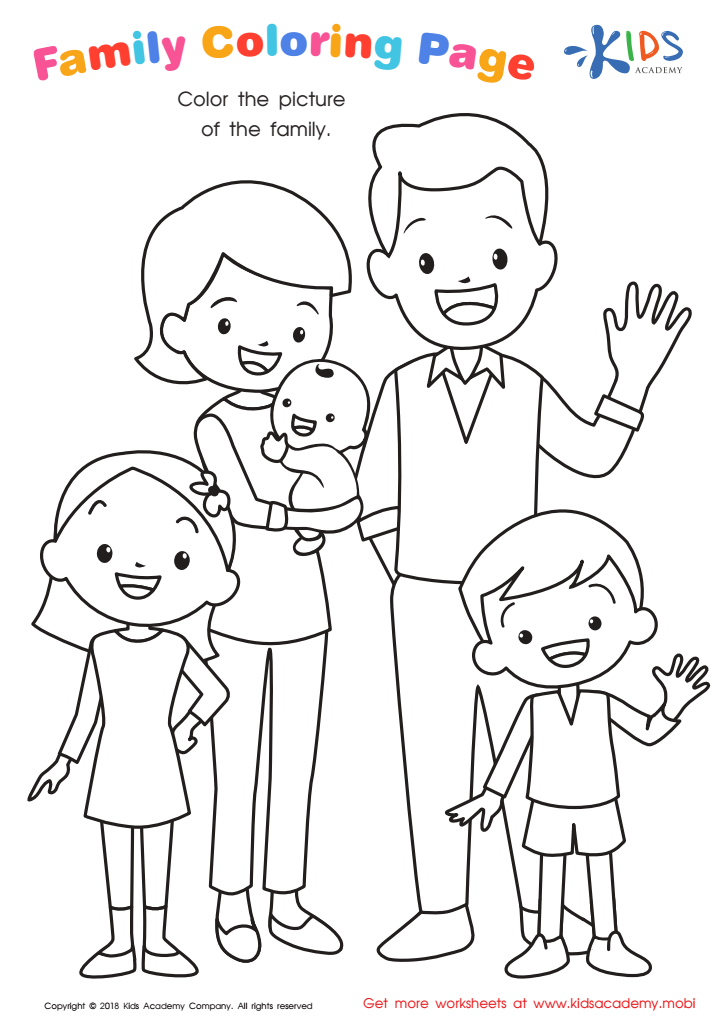
Family Coloring Page
Assign to My Students
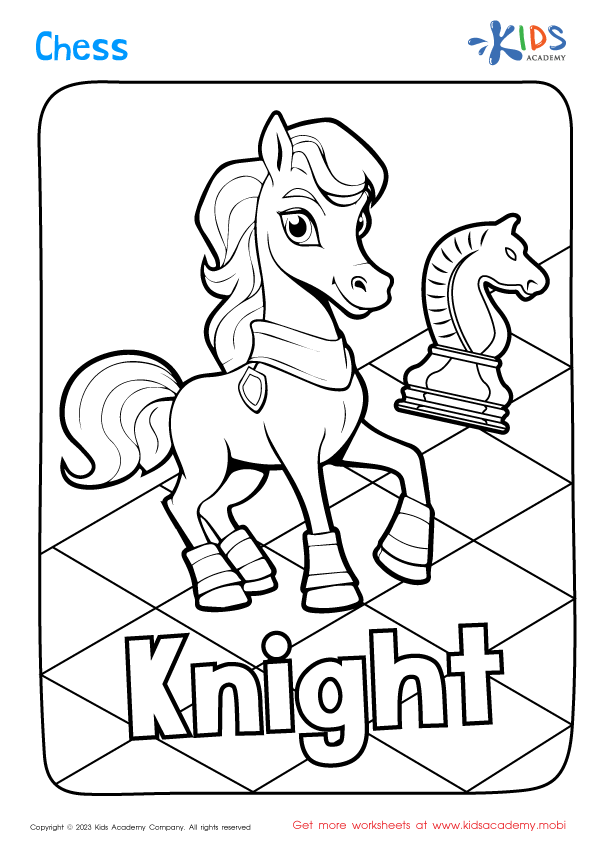
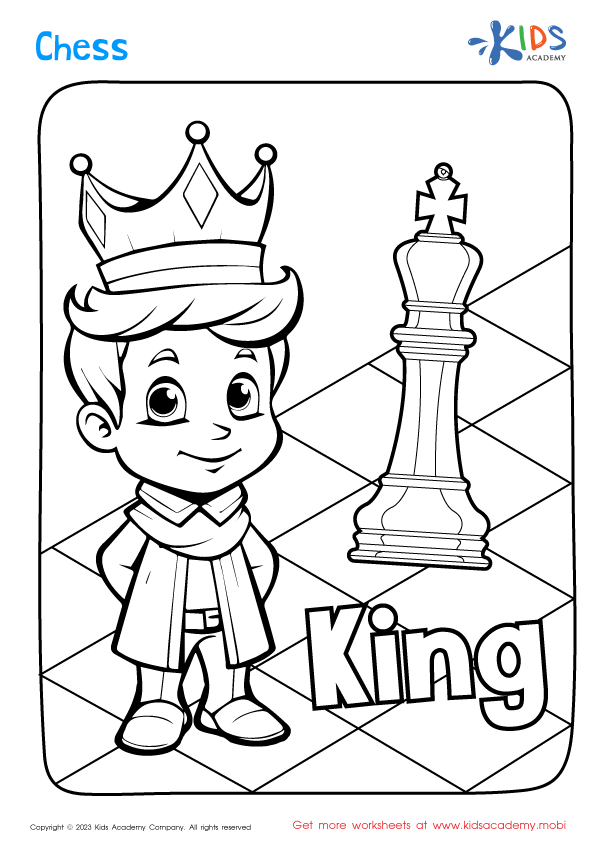








Coloring skills for ages 3-4 are crucial for early childhood development. At this age, children are rapidly refining their fine motor skills, which are essential for later tasks like writing and buttoning clothes. Coloring encourages the proper grip of crayons, honing these motor skills and enhancing hand-eye coordination.
Furthermore, coloring boosts cognitive development. It requires children to make decisions, such as choosing colors and staying within lines, which fosters their problem-solving abilities and decision-making skills. It also introduces them to concepts such as shapes, patterns, and even early mathematics as they sort through different colors and count crayon numbers.
Emotionally, coloring is a soothing activity that allows children to express themselves, manage stress, and develop focus and concentration. Additionally, completing a coloring page gives a sense of accomplishment and boosts self-esteem.
Socially, working on coloring projects with peers or family members helps build communication and cooperation skills.
Lastly, coloring ignites creativity and imagination, foundational elements for lifelong learning and success. Ensuring it’s easy for this age group makes it accessible and enjoyable, reinforcing positive learning experiences. Thus, parents and teachers should prioritize coloring as a developmental tool for young children.








