Enhancing observation skills Easy Worksheets for Ages 3-4
3 filtered results
-
From - To
Enhancing observation skills is crucial for young learners. Our easy worksheets for ages 3-4 are designed to sharpen attention to detail and stimulate cognitive development. Each printable activity engages preschoolers in fun exercises that encourage them to notice patterns, spot differences, and identify objects within pictures. With captivating images and playful tasks, these worksheets turn learning into an enjoyable adventure, paving the way for skills vital in early childhood education. Ideal for parents and teachers, our resources make it easy to integrate observation practice into everyday learning routines. Discover a delightful way to boost your child’s observational abilities today!
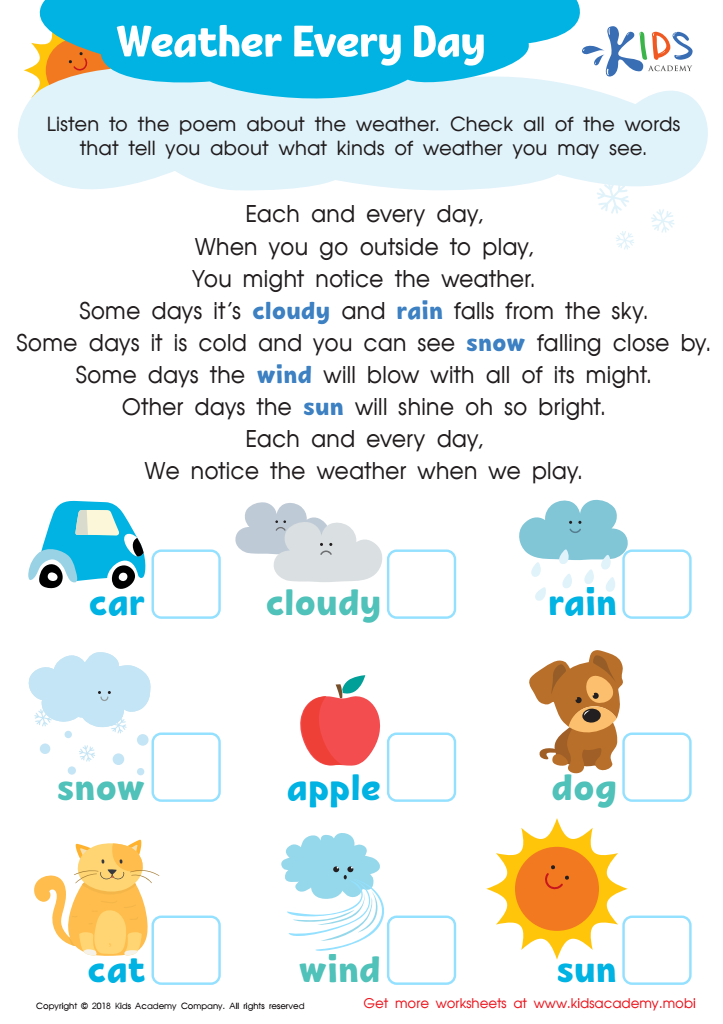
Weather Every Day Worksheet
 Assign to My Students
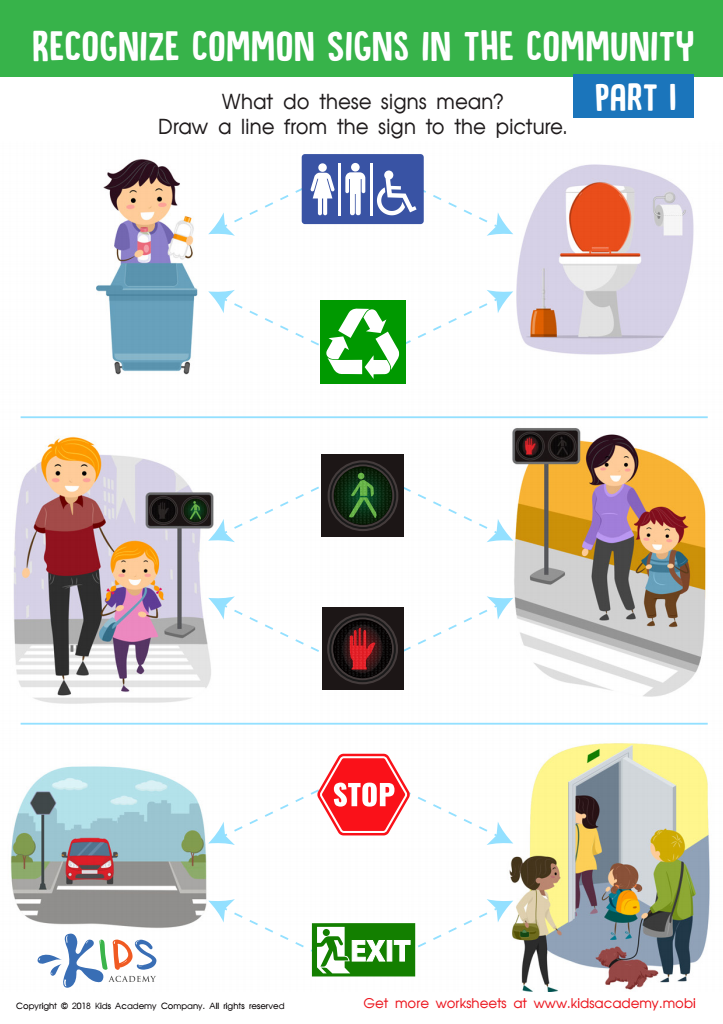
Recognize Common Signs: Part 1 Worksheet
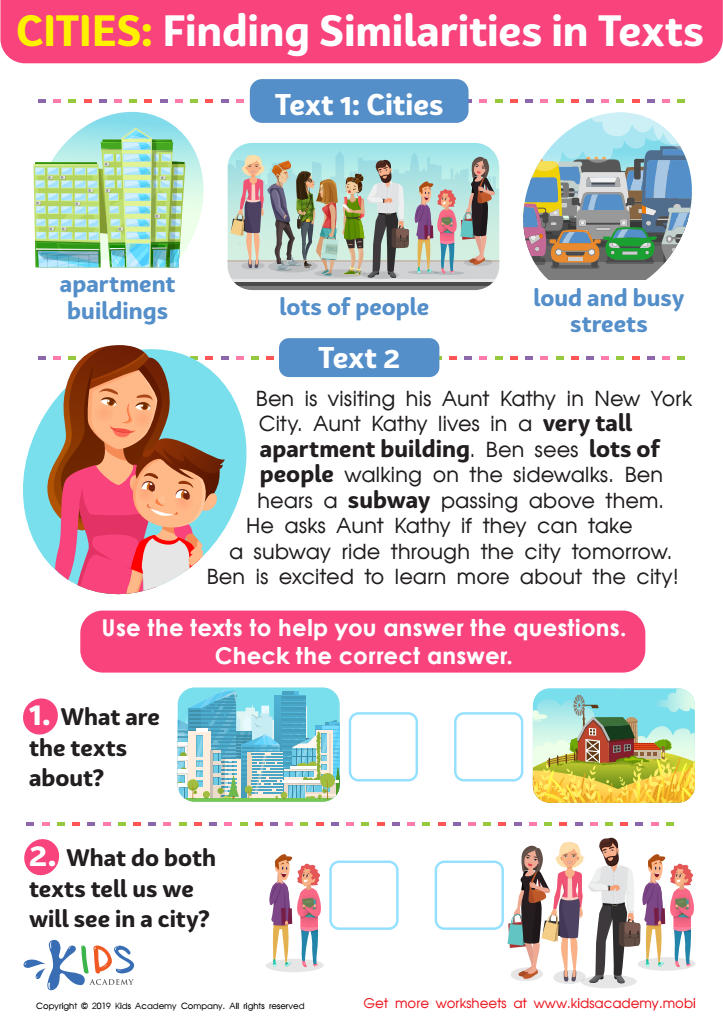
Cities: Finding Similarities Worksheet






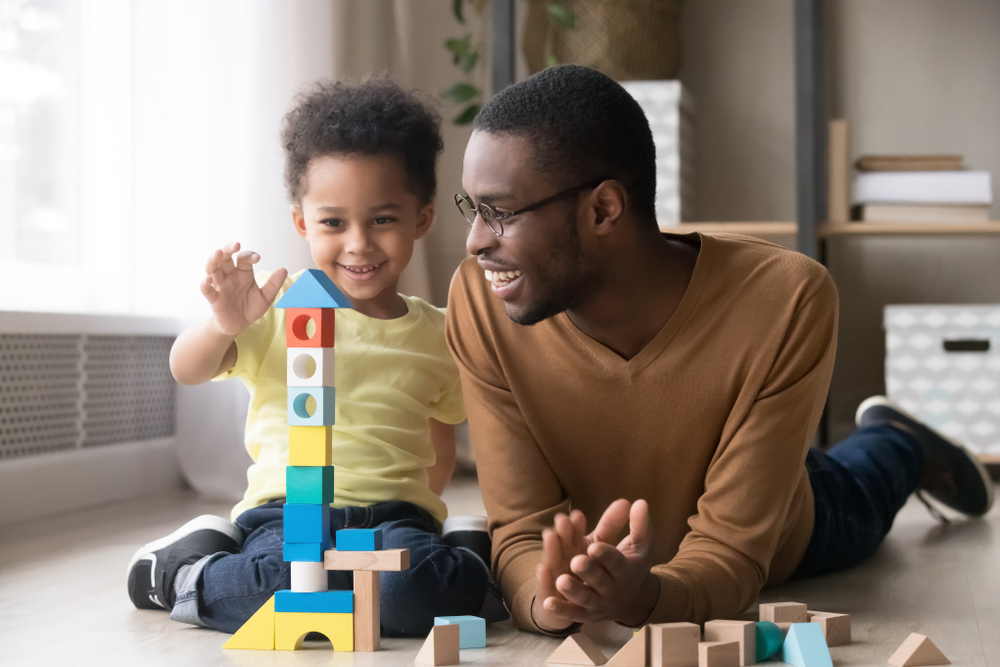

Enhancing observation skills in children ages 3-4 is crucial because it lays the foundation for their cognitive, social, and emotional development. During these formative years, children are naturally curious and eager to learn about the world around them. By fostering their observation skills, parents and teachers can help children sharpen their attention to detail, which is essential for learning and retaining new information.
Observation skills enable children to notice differences, patterns, and relationships, which are critical thinking skills they'll use throughout their academic careers. For example, when children closely observe their surroundings, they can better understand shapes, colors, and sizes, enhancing their early math and science skills.
Moreover, strong observation skills contribute to effective communication. As children become more adept at noticing non-verbal cues and different emotions, they improve in social interactions and empathy. By paying attention to how others feel and act, they learn to respond more appropriately in social settings.
Additionally, these skills inspire creativity. When children keenly observe their environment, they develop a richer imagination, fueling creative play, storytelling, and problem-solving.
Encouraging young children to actively observe their environment sets a lifelong habit of mindfulness and attentiveness, integral traits for successful learning and personal growth. Thus, both parents and teachers should actively engage in activities that bolster these essential skills.








