History knowledge Easy Worksheets for Ages 3-4
3 filtered results
-
From - To
Introduce your child to the fascinating world of the past with our "History Knowledge Easy Worksheets for Ages 3-4"! These engaging and kid-friendly worksheets are designed to make learning about history fun and accessible for young minds. From exploring ancient civilizations to discovering famous historical figures, each worksheet is tailored to the developmental needs of preschoolers. With colorful illustrations and simple activities, your little one will develop essential history knowledge while enhancing their cognitive and fine motor skills. Spark a love for learning early on and lay the groundwork for a lifelong interest in history with Kids Academy’s easy worksheets!
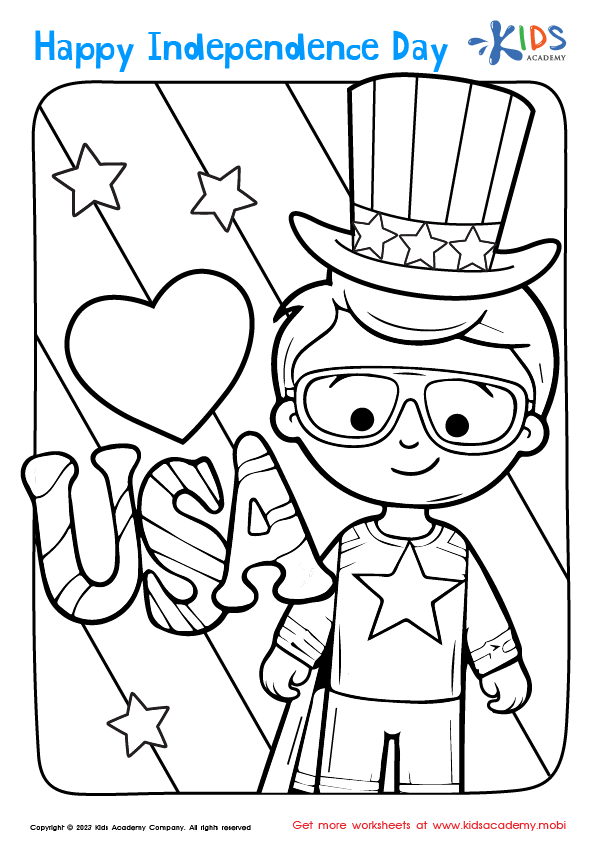
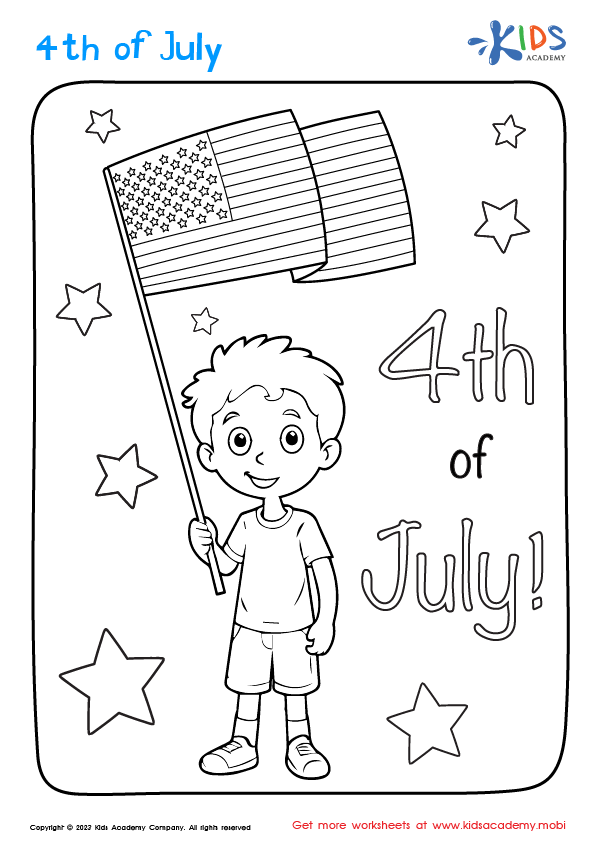
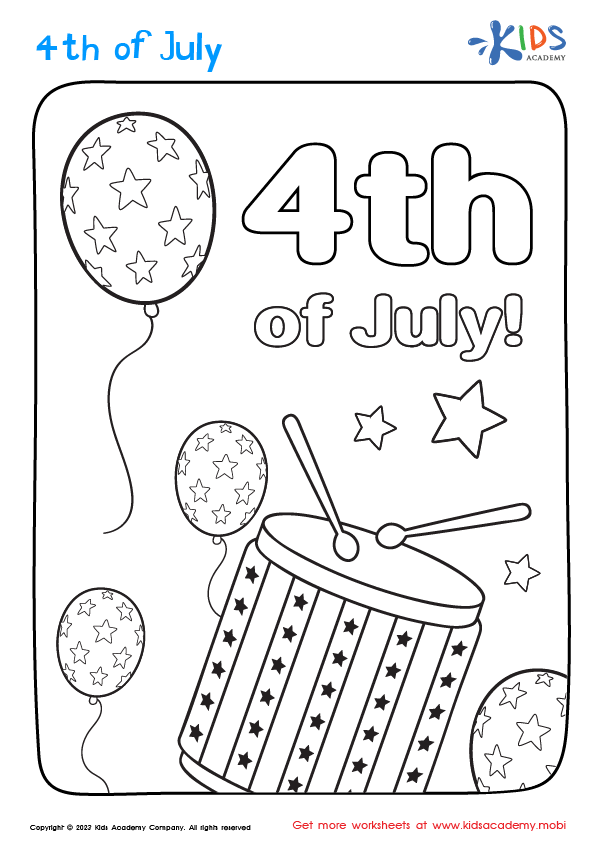






Teaching history to children aged 3-4 is more about storytelling and fostering curiosity than memorizing dates and events. Parents and teachers should care about introducing history at this young age because it lays the foundation for a deeper understanding of the world. Stories from the past can spark imagination and help young children develop empathy by learning about different people and cultures. Understanding that today's conveniences are the result of a long process helps them appreciate what they have.
Early exposure to history also helps children build critical thinking skills. They learn to ask questions, compare different times and places, and grasp concepts like change and progress. Additionally, engaging with stories of different cultures and traditions promotes inclusivity and respect for diversity from a young age.
Moreover, learning about history connects them to their own cultural heritage and family background, giving them a sense of identity. When children hear about how things were in the past, it builds their vocabulary and comprehension skills, as these stories are woven into their daily interactions.
In summary, incorporating history into early education enriches children's lives by improving their social understanding, critical thinking, and language skills, while also fostering a sense of identity and context within the world.








