Logical Reasoning Easy Worksheets for Ages 3-4
6 filtered results
-
From - To
Introducing our "Logical Reasoning Easy Worksheets for Ages 3-4", designed to spark curiosity and enhance problem-solving skills in young learners. These engaging and colorful worksheets are perfect for nurturing early cognitive development through fun and interactive activities. Tailored for preschoolers, our worksheets include simple patterns, matching exercises, and basic sequencing tasks, making learning enjoyable and impactful. These resources encourage critical thinking and set a strong foundation for future learning. Give your child the advantage of early exposure to logical reasoning with our carefully crafted worksheets, perfect for home or classroom use! Explore our easy worksheets and watch your child thrive.
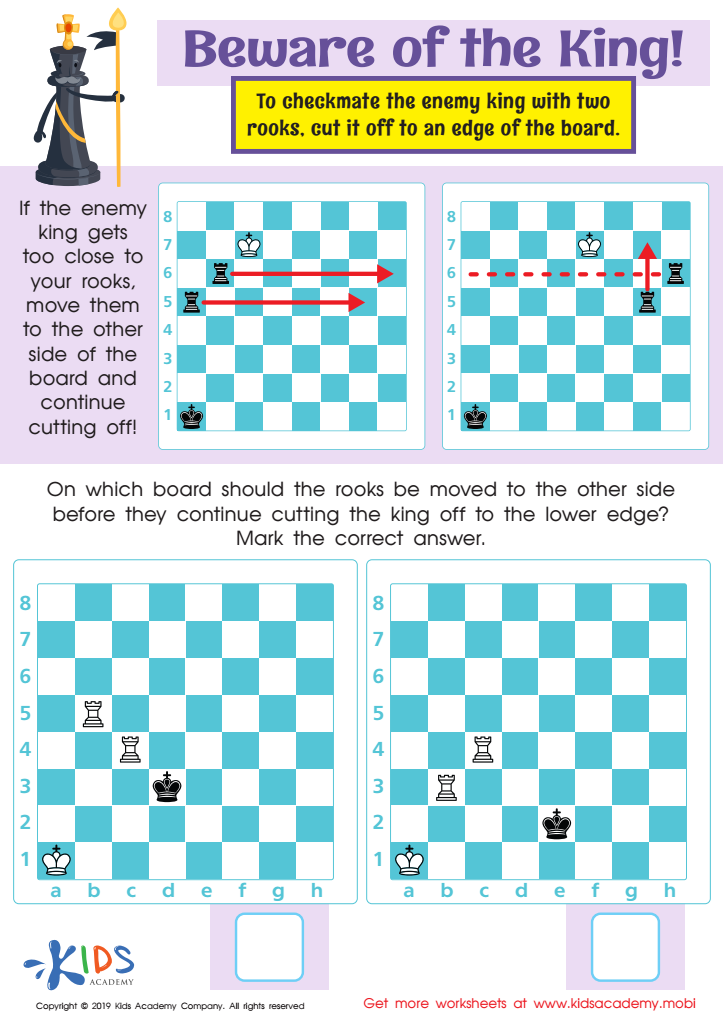
Beware of the King! Worksheet
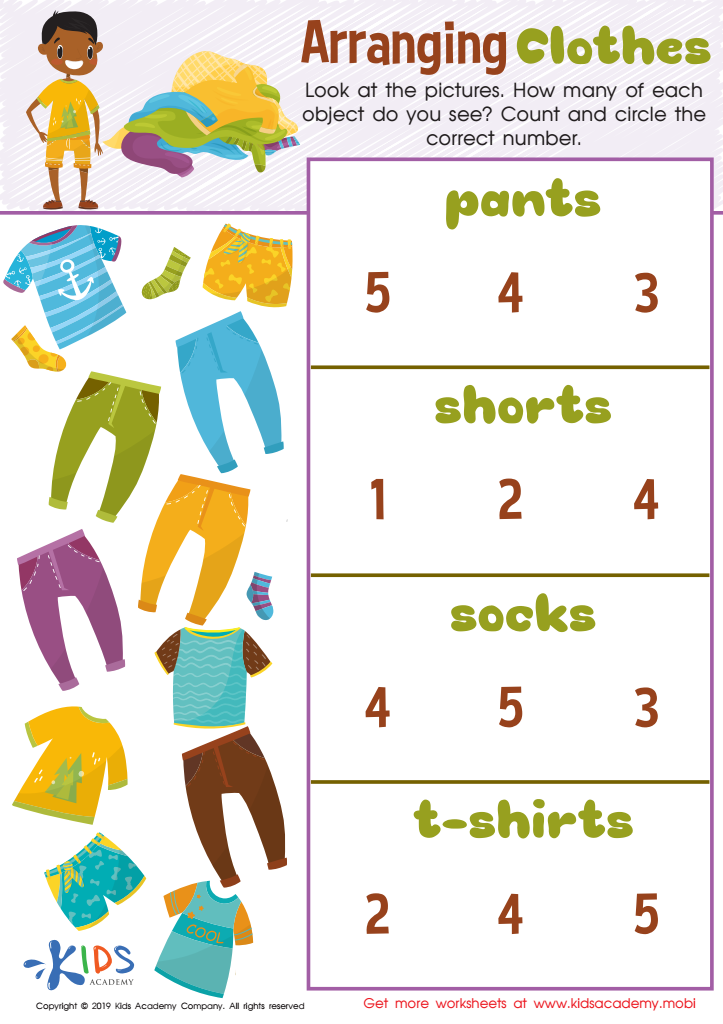
Arranging Clothes Worksheet
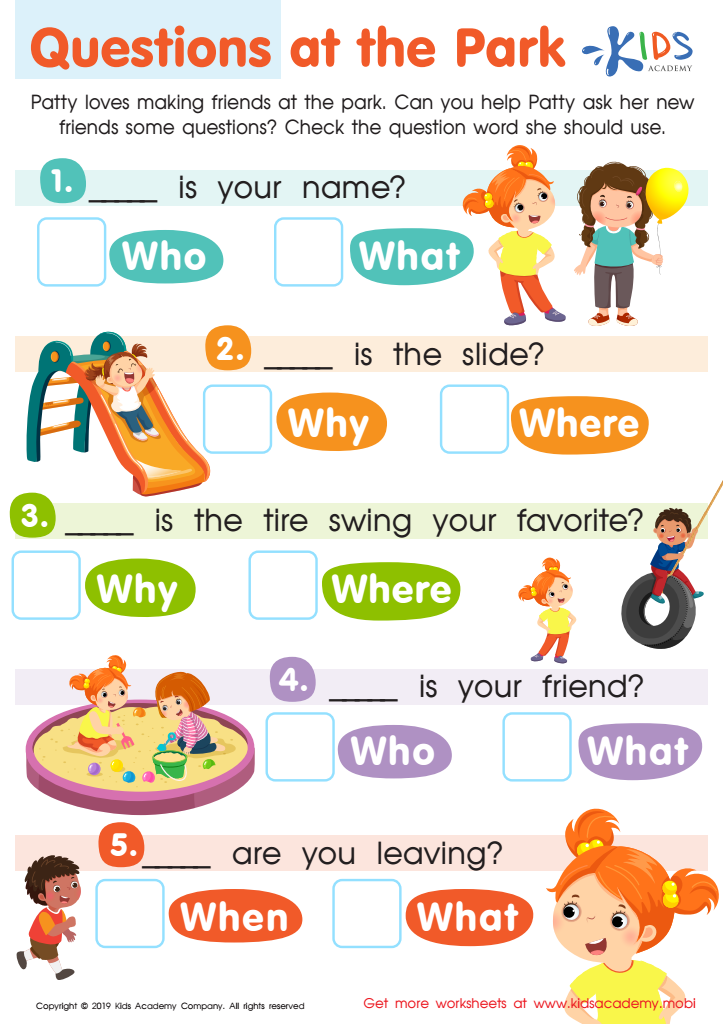
Questions at the Park Worksheet
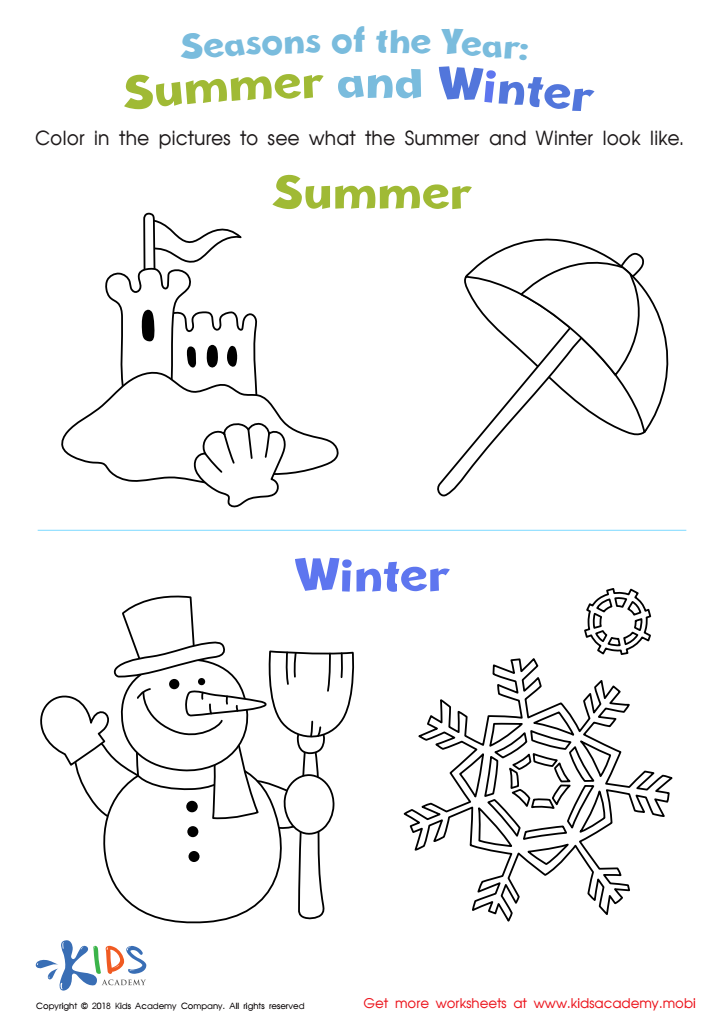
Summer and Winter Worksheet
 Assign to My Students
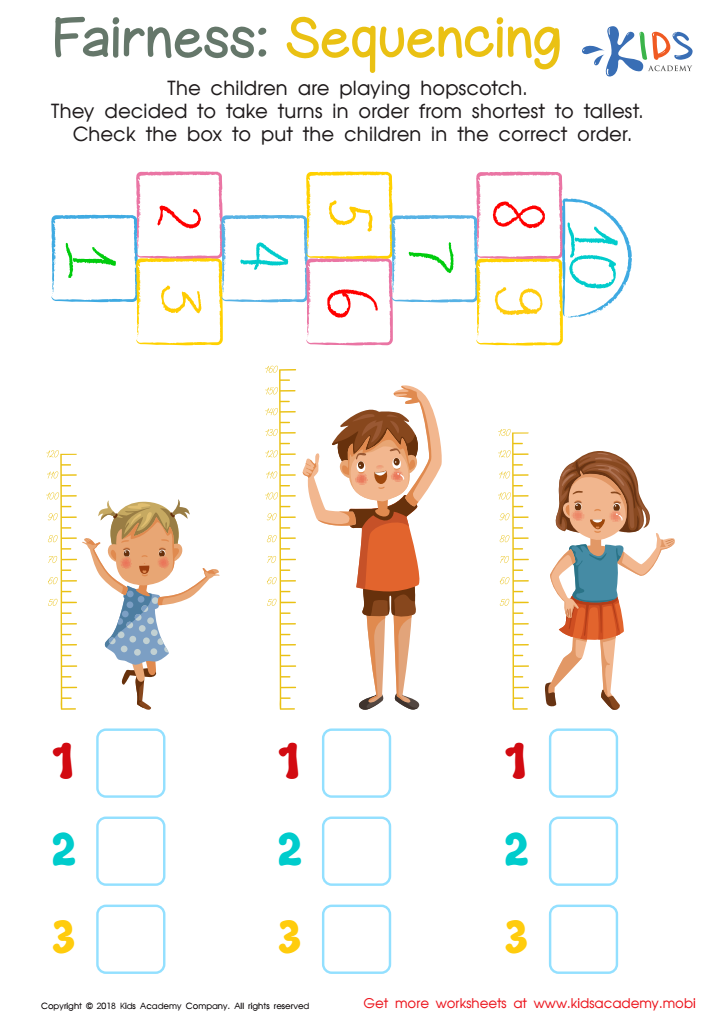
Fairness: Sequencing Worksheet
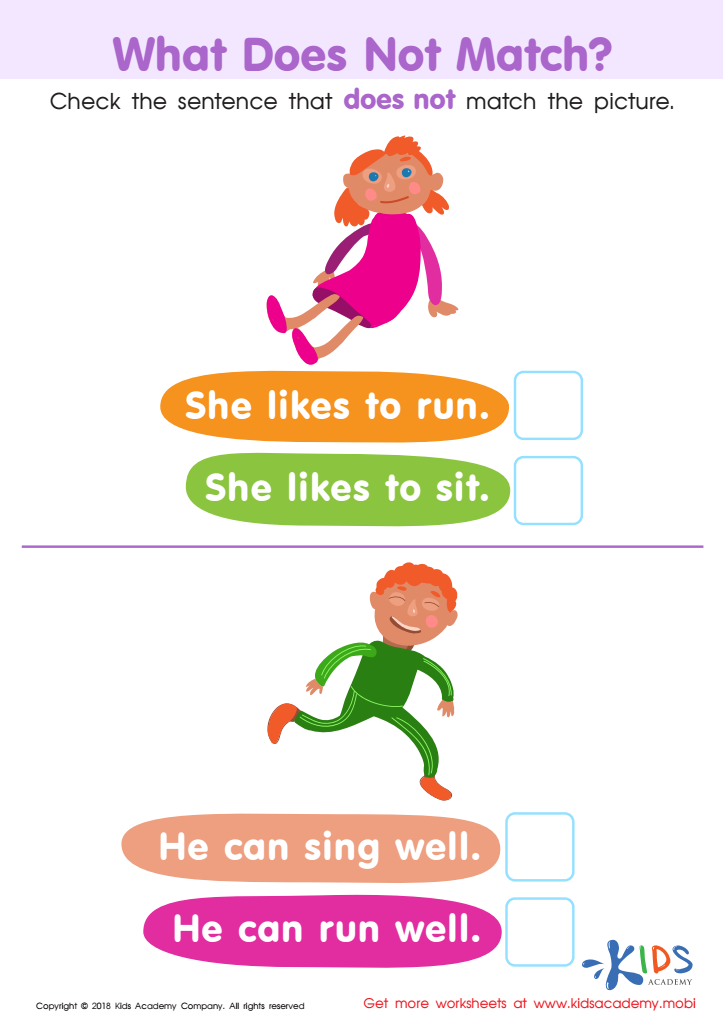
What Does Not Match? Worksheet


.jpg)
.jpg)



Logical reasoning skills, even in early childhood (ages 3-4), lay an essential foundation for future cognitive development and problem-solving capabilities. Encouraging logical reasoning benefits young children in various ways, vital for both parents and teachers to recognize.
Firstly, logical reasoning nurtures children’s ability to make connections and understand sequences, such as recognizing patterns and classifying objects by size, shape, or color. These foundational skills are critical for early math and science learning. When children can group and sequence objects or events, they are practicing the earliest forms of analytical thinking.
Secondly, engaging in logical reasoning exercises builds children's language and communication skills. By explaining their thought processes, children enhance their vocabulary and ability to articulate ideas clearly. This skill translates into more effective communication in social interactions and academic settings.
Lastly, with these skills, children become more confident and independent thinkers. Logical reasoning challenges children to assess situations actively and anticipate outcomes, fostering resilience and adaptability. When unexpected issues arise, kids who practice reason are better equipped to come up with solutions.
Therefore, by prioritizing logical reasoning at an early age, parents and teachers support a child's holistic development, setting them on a path to achieve academic success and navigate life's challenges effectively.








