Object identification Easy Worksheets for Ages 3-4
3 filtered results
-
From - To
Develop your child's early learning with our "Object Identification Easy Worksheets for Ages 3-4". These fun and engaging worksheets are designed to help toddlers recognize and name various everyday objects. With colorful illustrations and simple tasks, kids will improve their vocabulary and observation skills. Perfect for preschool and kindergarten readiness, our worksheets foster early cognitive development crucial for future academic success. Ideal for both parents and educators, these resources provide a foundation for lifelong learning through playful interaction. Encourage exploration and creativity with our expertly designed object identification activities! Visit our website to explore more.
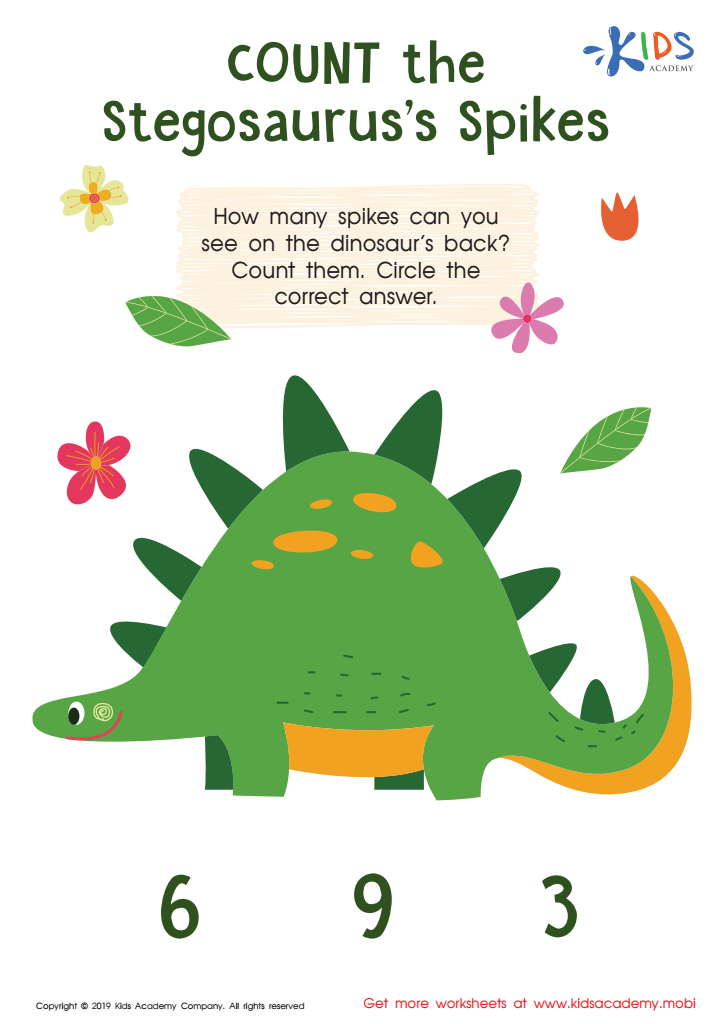
Count the Stegosaurus's Spikes Worksheet
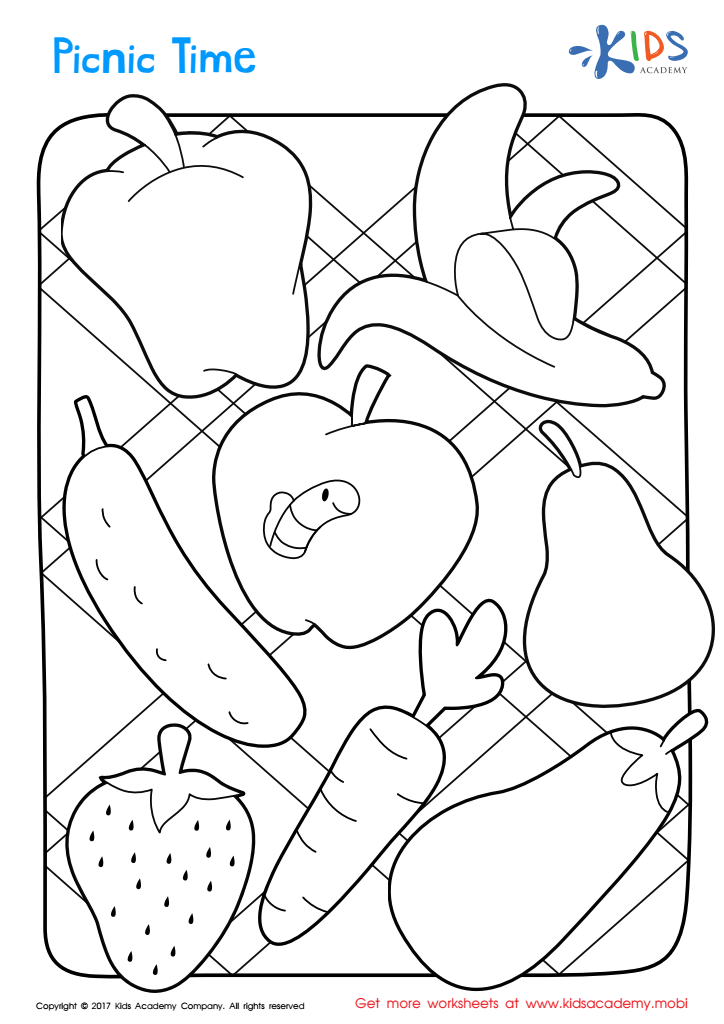
Picnic Time Coloring Page
 Assign to My Students
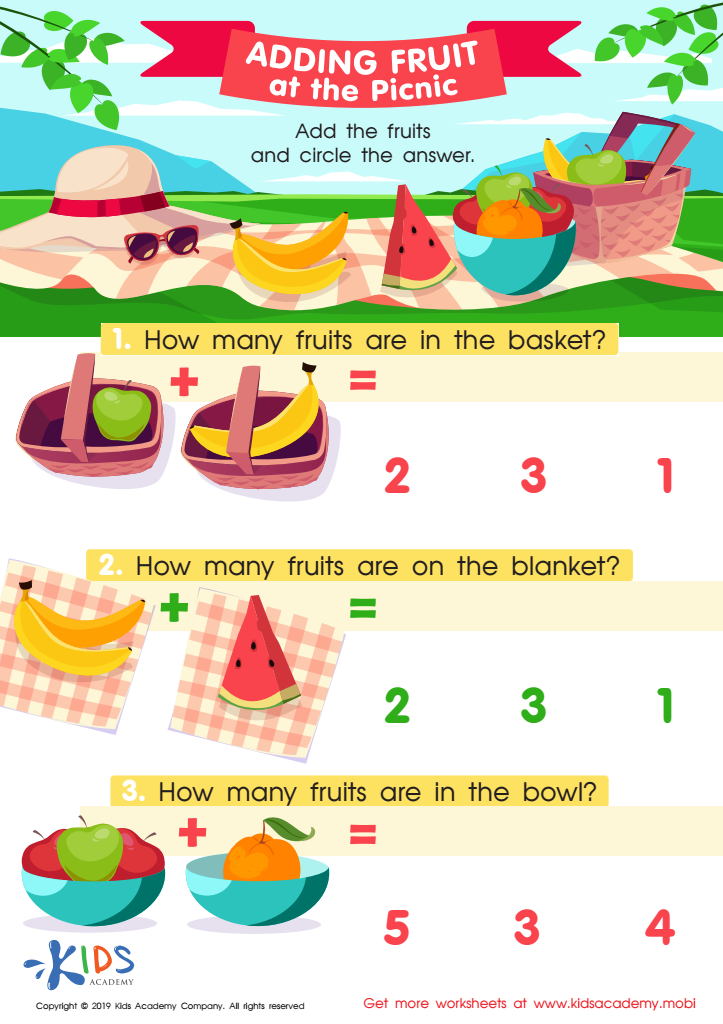
Adding Fruit at the Picnic Worksheet








Object identification is crucial for children ages 3-4 because it lays the foundation for essential cognitive and language skills. At this age, children's brains are rapidly developing, and they are highly receptive to learning new information. Being able to identify and name common objects in their environment helps improve their vocabulary, which is a fundamental component of communication.
When parents or teachers actively engage children in object identification activities, they help enhance observation skills and attention to detail. For instance, asking a child to find a red ball in a playroom full of toys encourages them to focus and pick out specific characteristics. This kind of activity bolsters neural connections that are critical for later academic tasks, such as reading and math.
Additionally, object identification stimulates memory skills. Recalling names, shapes, and uses of objects strengthens memory retention. This practice also supports the development of categorization and sorting abilities, which are essential for organizing information logically.
Furthermore, successful object identification provides a sense of accomplishment for young learners, boosting their confidence and encouraging a love for learning. By integrating these activities into daily routines, parents and teachers can create a stimulating environment that nurtures curiosity and cognitive development, giving children a strong start on their educational journey.








