Sentence structure Easy Worksheets for Ages 3-4
4 filtered results
-
From - To
Discover fun and engaging sentence structure worksheets designed for children aged 3-4! Our easy-to-use printables help young learners develop their language skills by introducing them to the basics of sentence formation. These worksheets feature colorful visuals and simple activities that encourage word recognition, phonics, and comprehension. Perfect for parents and teachers, these resources can support early literacy in a playful environment. Boost your child's confidence in communicating their thoughts and ideas as they practice constructing sentences. Explore our collection today and set the foundation for lifelong learning in a fun and interactive way! Start your journey with sentence structure now!
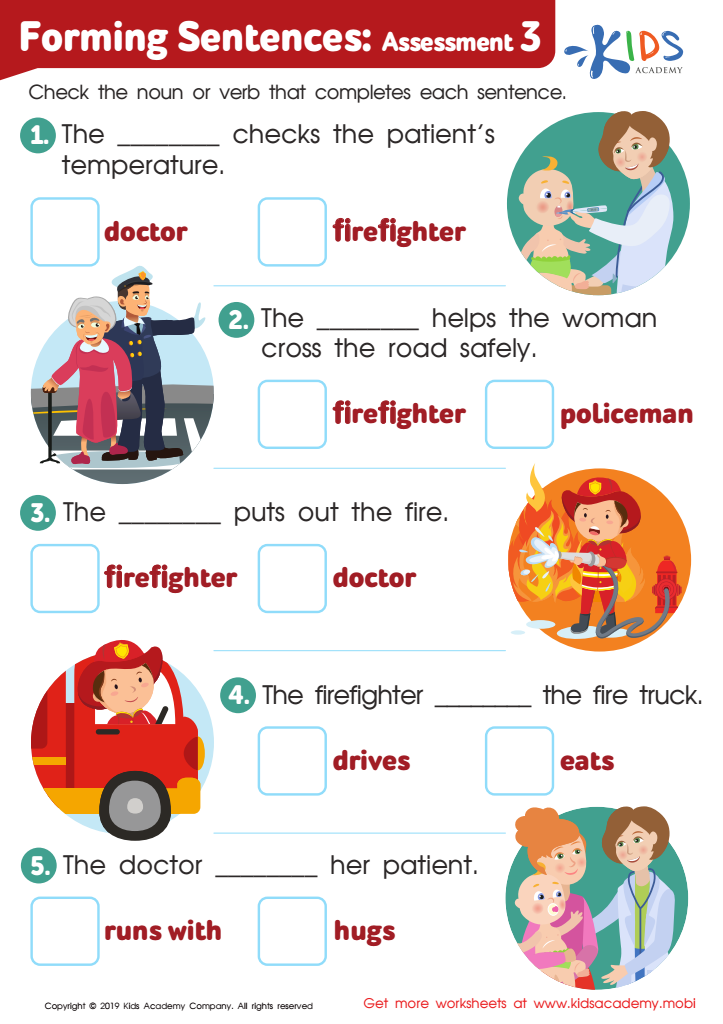
Forming Sentences: Assessment 3 Worksheet
 Assign to My Students
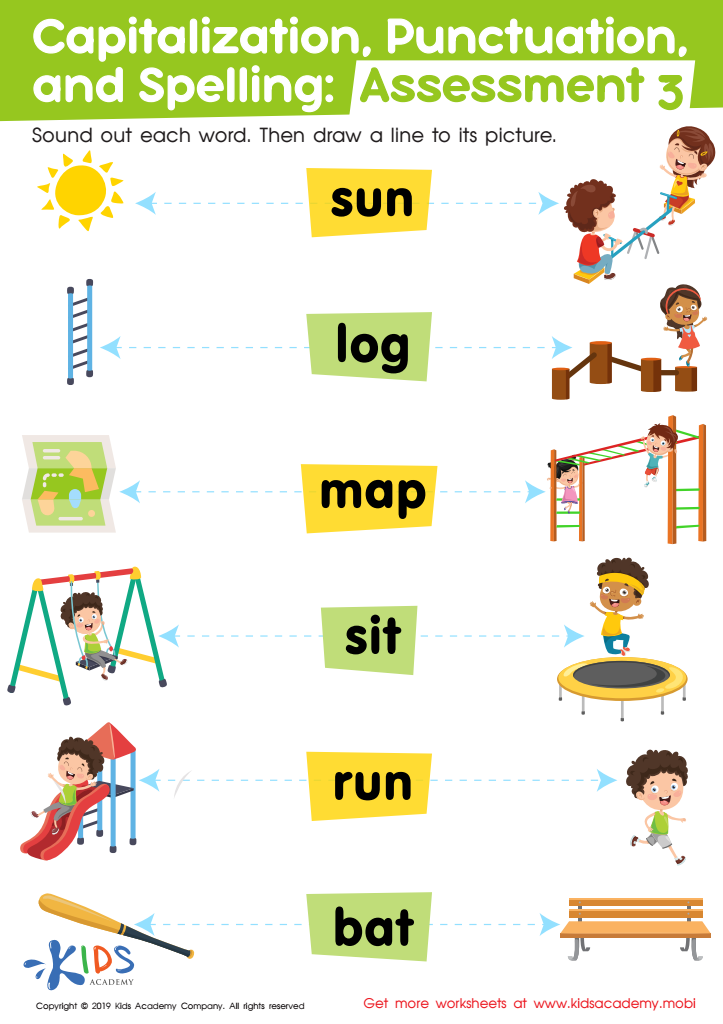
Capitalization. Punctuation. Spelling. Assessment 3 Worksheet
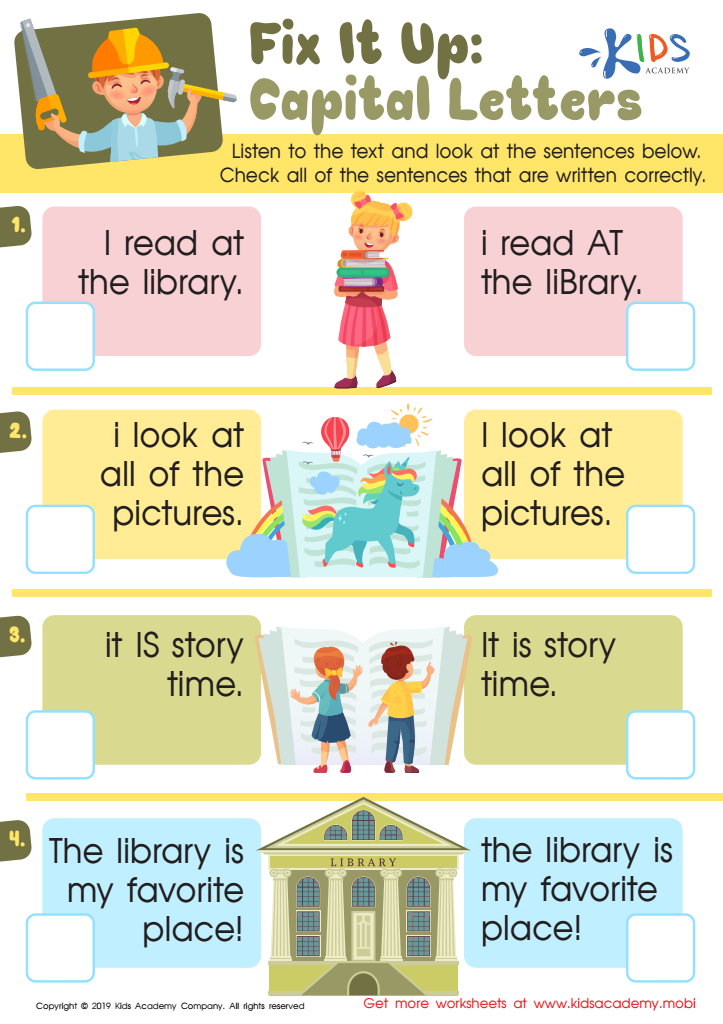
Fix Capital Letters Worksheet
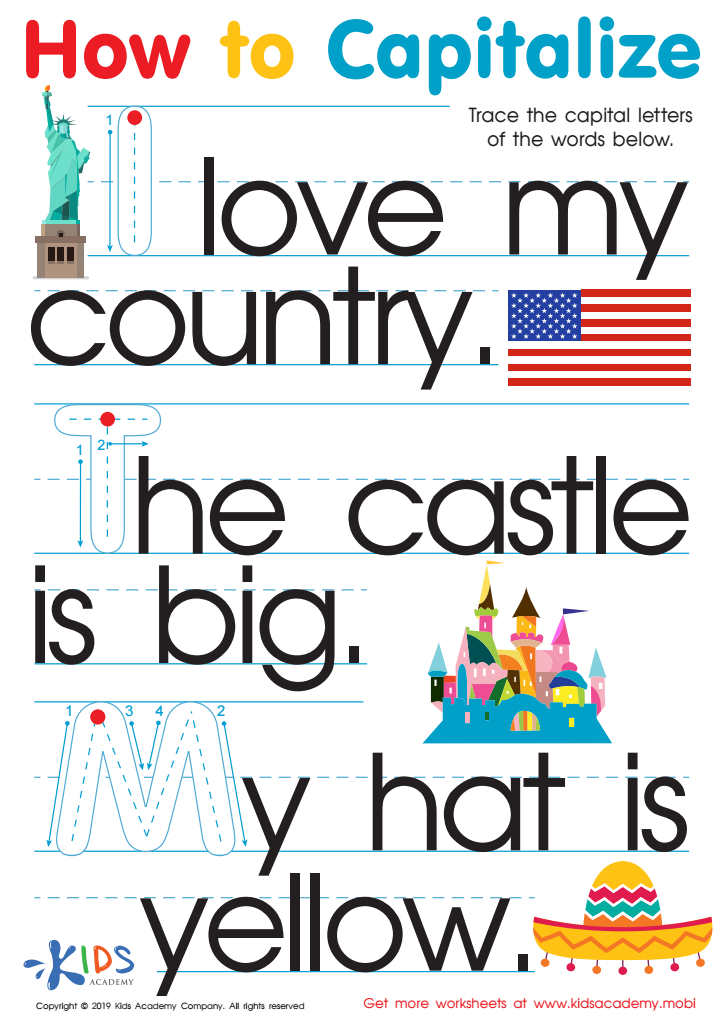
How to Capitalize Worksheet








Sentence structure is vital for children aged 3-4 as it lays the foundation for effective communication and literacy. At this young age, children are beginning to experiment with language, and understanding how sentences are formed helps them express their thoughts and feelings clearly. As they start speaking in longer phrases, recognizing the basic components—like nouns and verbs—will boost their vocabulary and confidence.
For parents and teachers, engaging children in activities that focus on simple sentence structure can enhance cognitive skills and language development. Songs, rhymes, and storytelling that highlight sentence patterns encourage active listening and participation. These interactions not only enrich their language skills but also promote critical thinking and creativity.
Moreover, establishing good sentence structure early on can prevent difficulties in later reading and writing skills. A strong foundation in language will aid children in kindergarten and beyond, helping them to construct more complex sentences as they grow. By caring about sentence structure now, parents and teachers are fostering lifelong communication skills, thereby empowering children to articulate their ideas and connect with others effectively in their academic and social lives. This foundational skill is crucial for overall development and future learning successes.








