Word Recognition Easy Worksheets for Ages 3-4
4 filtered results
-
From - To
Discover engaging and educational Word Recognition Easy Worksheets tailored for children ages 3-4! Our carefully designed worksheets help young learners develop essential early literacy skills through fun and interactive activities. These worksheets feature colorful images and simple words that capture children's attention, making learning enjoyable. As kids practice recognizing and identifying words, they build confidence and a solid foundation for reading readiness. Perfect for parents and educators alike, these worksheets can be used in classrooms or at home. Unlock your child's potential with these essential tools that support their cognitive and language development today! Access our delightful resources and watch them thrive.
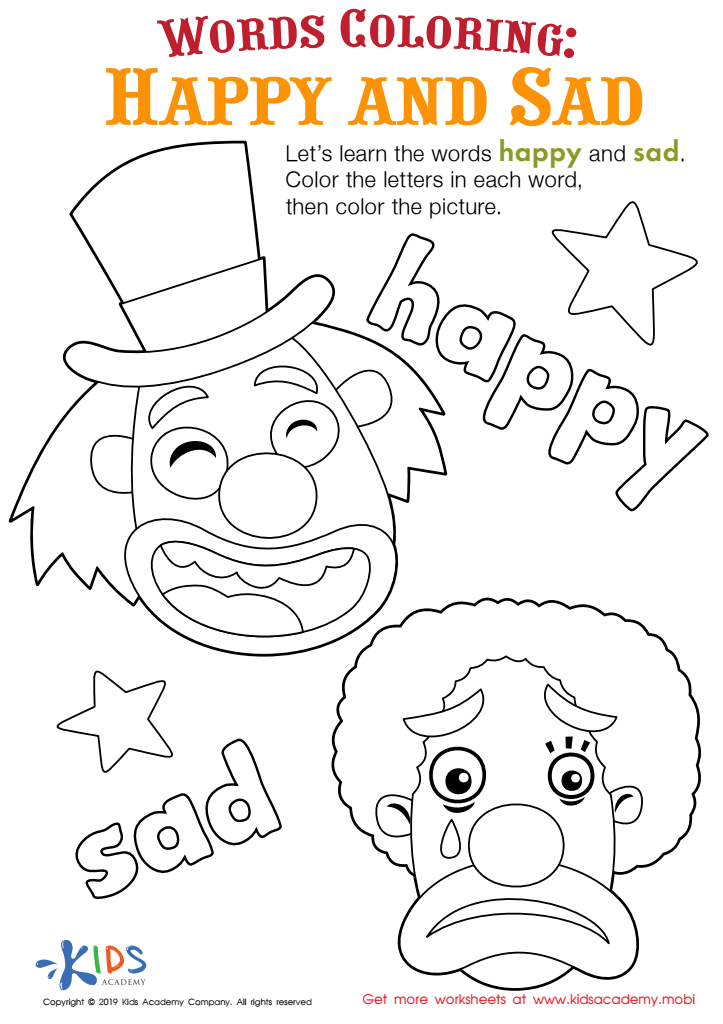
Happy and Sad Words Coloring Worksheet
 Assign to My Students
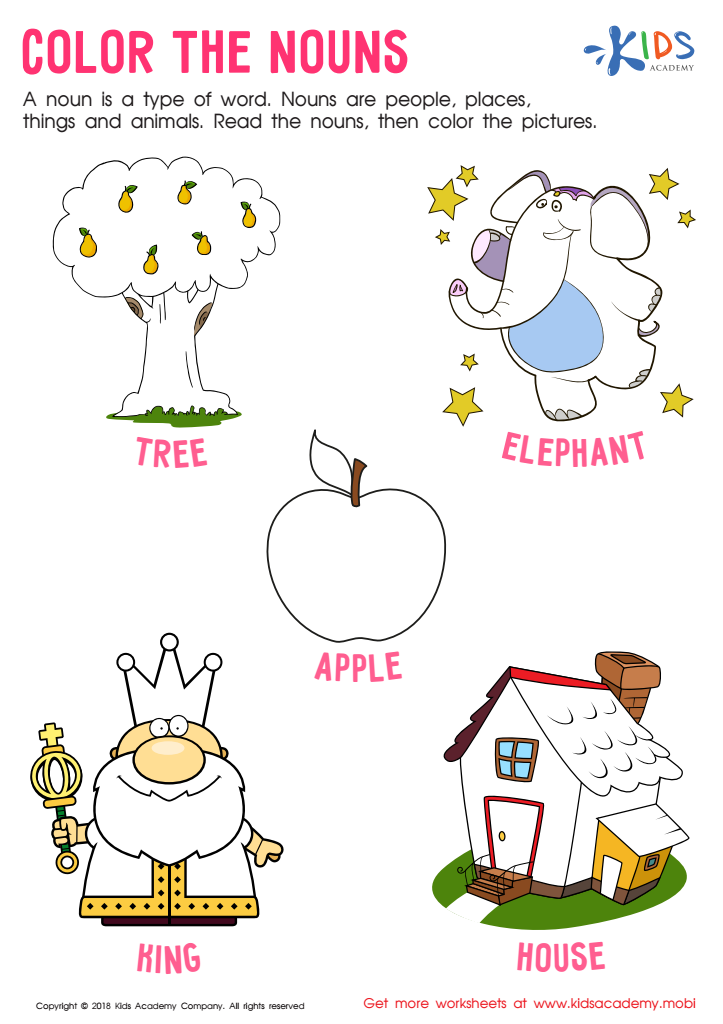
Color the Nouns Worksheet
Assign to My Students
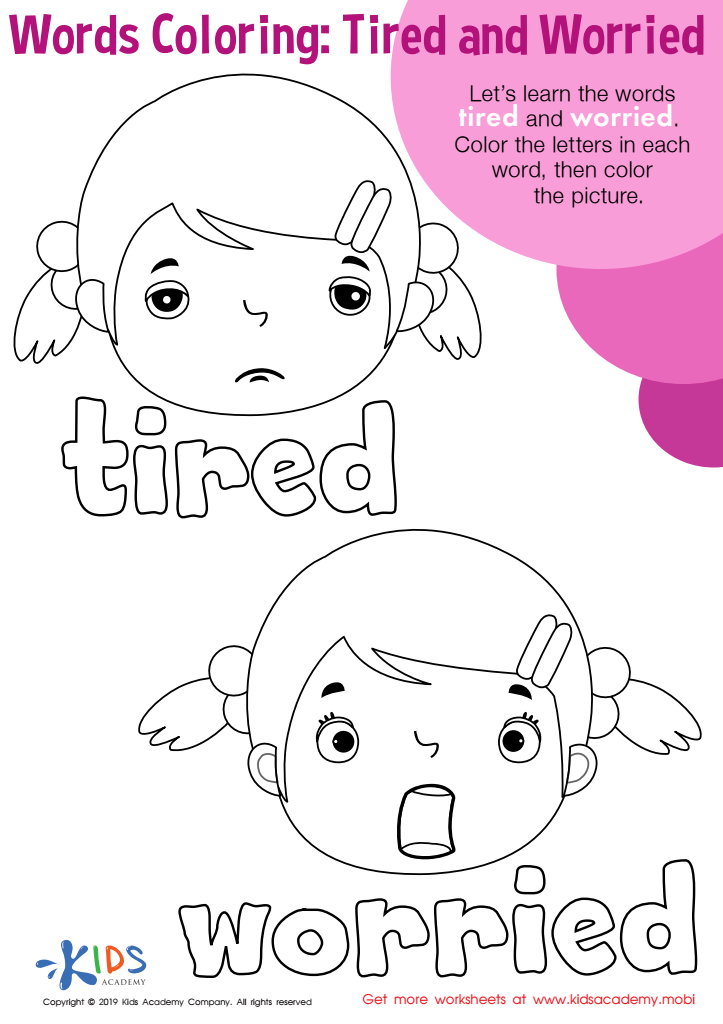
Tired and Worried Words Coloring Worksheet
Assign to My Students
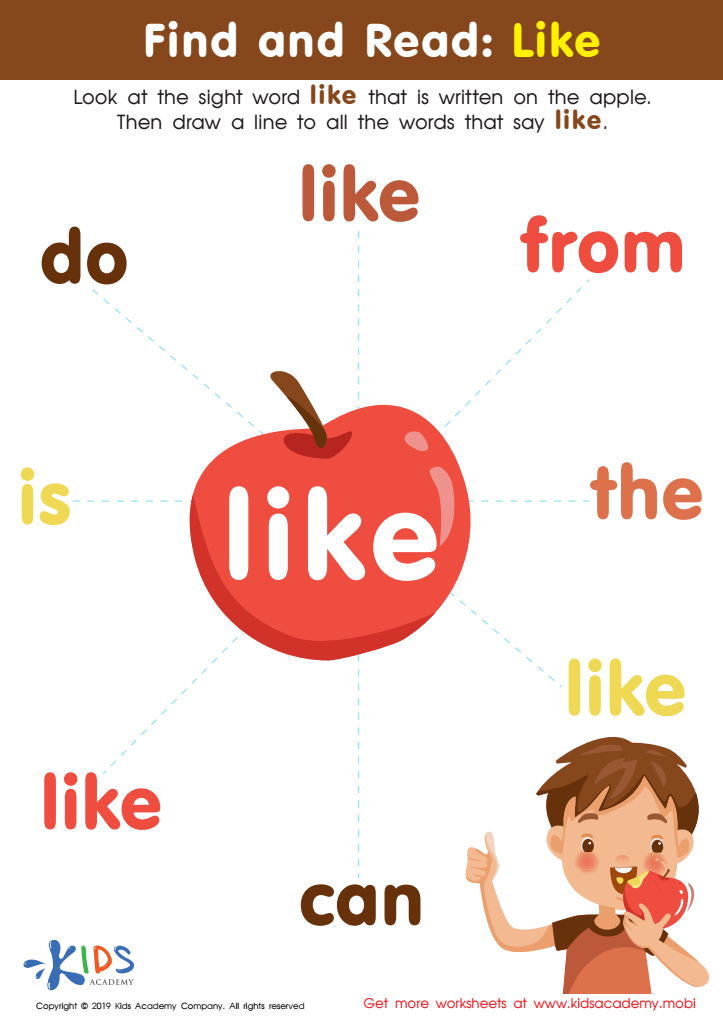
Find and Read: Like Worksheet








Word recognition is a fundamental skill for children aged 3-4 and serves as a building block for their literacy development. At this stage, when kids are just beginning to explore language, recognizing words helps them make connections between spoken and written language. Familiarity with words enhances their vocabulary and lays the groundwork for reading fluency, which will be essential for academic success later on.
Parents and teachers should care about promoting word recognition because it encourages cognitive development and comprehension skills. By identifying words through play, songs, and storytelling, children engage in meaningful interactions that foster their love for reading. Early exposure to word recognition also boosts confidence; when children can identify familiar words, they feel a sense of achievement, motivating them to pursue further learning.
Additionally, word recognition activities can be easily integrated into everyday life, making learning fun and interactive. By recognizing the significance of this skill, parents and teachers can create an enriching environment that supports literacy growth. Ultimately, investing in word recognition at this early age prepares children for future academic challenges and equips them with essential skills for effective communication throughout their lives.








