Understanding Sequences Easy Numbers Worksheets for Ages 3-4
3 filtered results
-
From - To
Unlock the joy of learning with our "Understanding Sequences Easy Numbers Worksheets for Ages 3-4." Specially designed to nurture early math skills, these fun and engaging worksheets help young learners grasp the concept of sequences through playful exercises. Kids will enjoy identifying, following, and creating simple numerical patterns that boost their cognitive abilities and build a strong math foundation. Perfect for preschoolers, our worksheets enhance focus, logic, and critical thinking in a way that's both entertaining and educational. Start your child's successful math journey with our expertly crafted resources today!
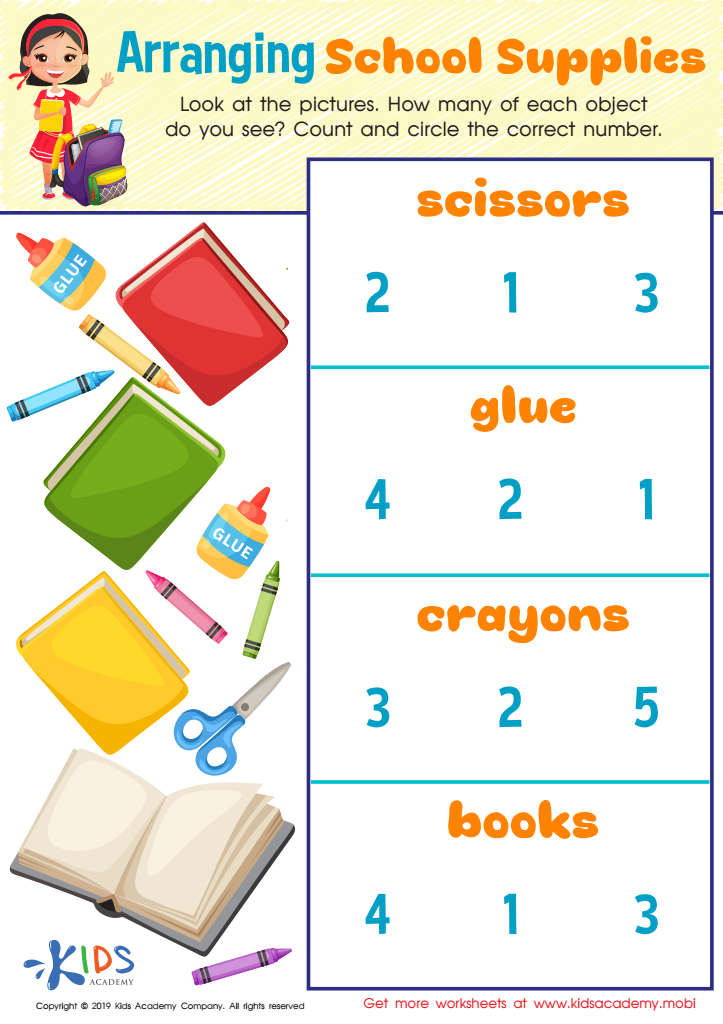
Arranging School Supplies Worksheet
 Assign to My Students
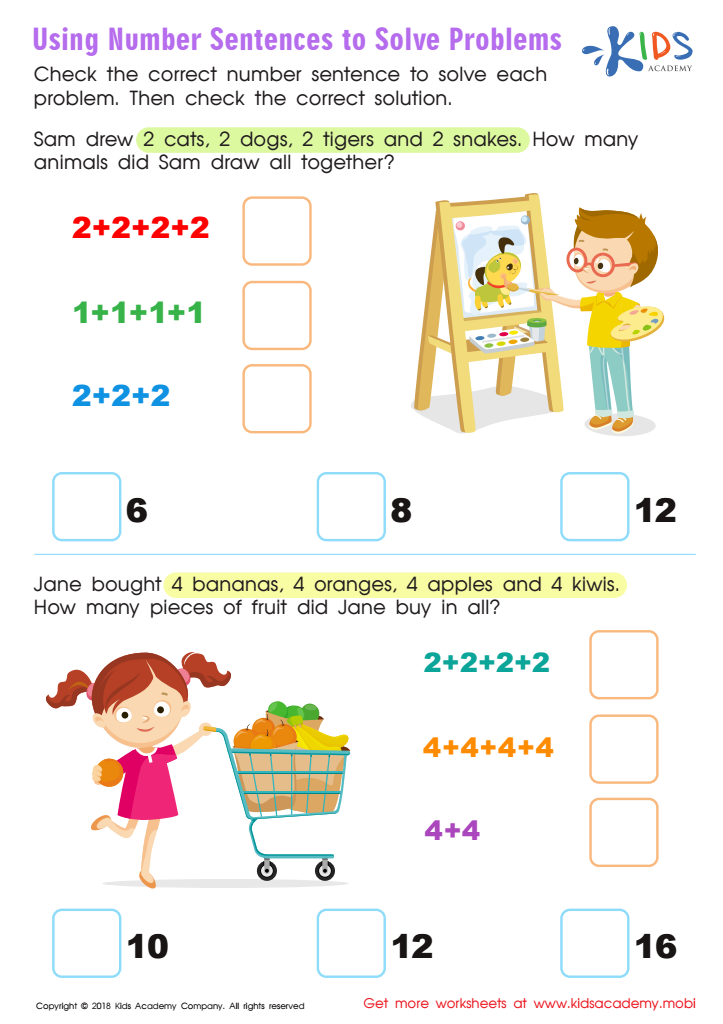
Using Number Sentences to Solve Problems Worksheet
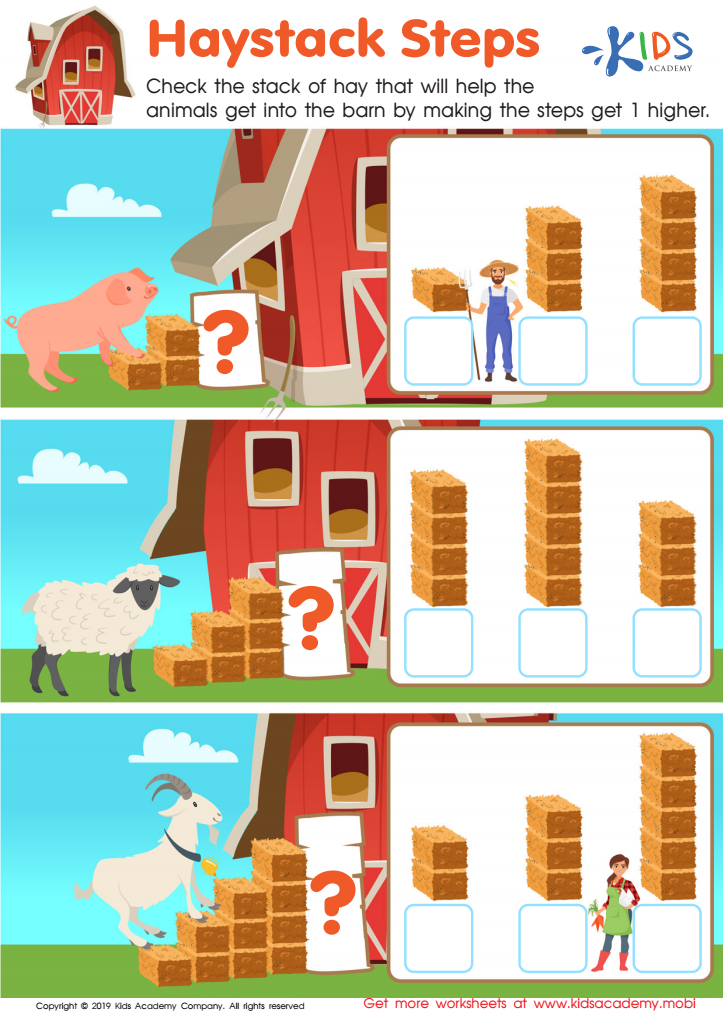
Haystack Steps Worksheet








Understanding sequences using easy numbers is a crucial developmental milestone for young children aged 3-4 that carries lasting benefits. At this developmental stage, children's cognitive capacities are rapidly expanding, and introducing sequence concepts can significantly enhance their logical reasoning and problem-solving skills.
Sequences teach children to recognize patterns, an essential skill in mathematics that helps them understand order and predictability. For example, when they comprehend the sequence of 1, 2, 3, they learn that numbers follow a specific order, laying the groundwork for more complex math learning. This understanding stretches beyond numbers to daily tasks, helping them grasp the sequence of events in routines and stories, boosting their comprehension and organizational skills.
Furthermore, engaging with sequences fosters attentiveness and memory retention because children must remember the order and continue the pattern. Whether it's fixing puzzles, arranging objects, or storytelling, practicing sequences nurtures concentration and persistence.
Early engagement with sequences also promotes confidence, as mastering these concepts provides a sense of achievement. Therefore, parents and teachers should prioritize sequence activities using tools like number lines, counting games, or simple pattern-based exercises, ensuring a fun, educational experience that supports all areas of cognitive and emotional development.








