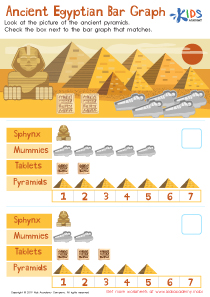
Understanding quantity Easy Math Worksheets for Ages 3-4
3 filtered results
-
From - To
Welcome to "Understanding Quantity Easy Math Worksheets for Ages 3-4"! Our engaging worksheets are designed to introduce young learners to basic mathematical concepts in a fun and interactive way. Through colorful illustrations and easy-to-follow activities, children practice counting, comparing, and recognizing quantities up to 10. These worksheets help build a strong mathematical foundation, enhancing critical thinking and problem-solving skills. Perfect for preschool and early learners, our resources make learning enjoyable, fostering a love for math from an early age. Join us in making math an exciting adventure for your little one!
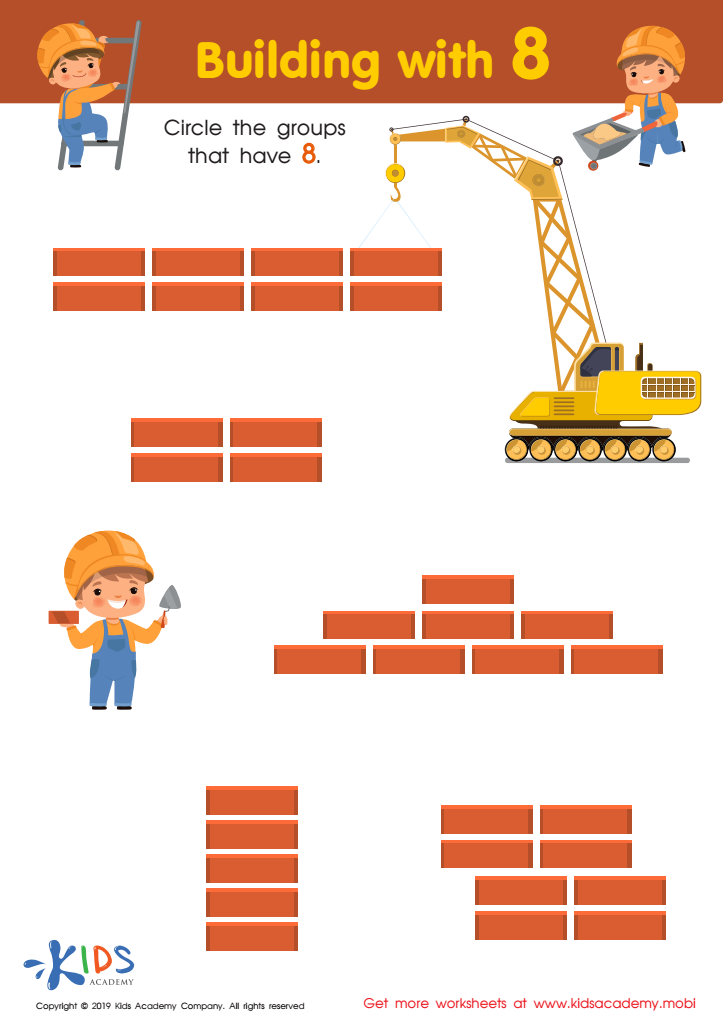
Building with 8 Worksheet
 Assign to My Students
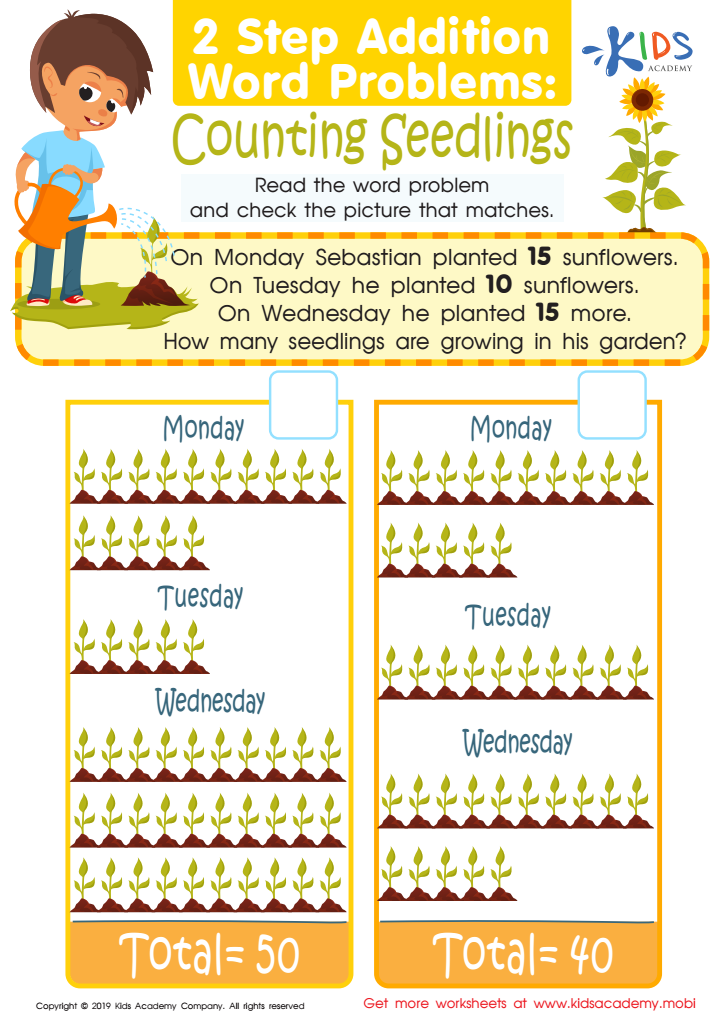
Counting Seedlings Worksheet
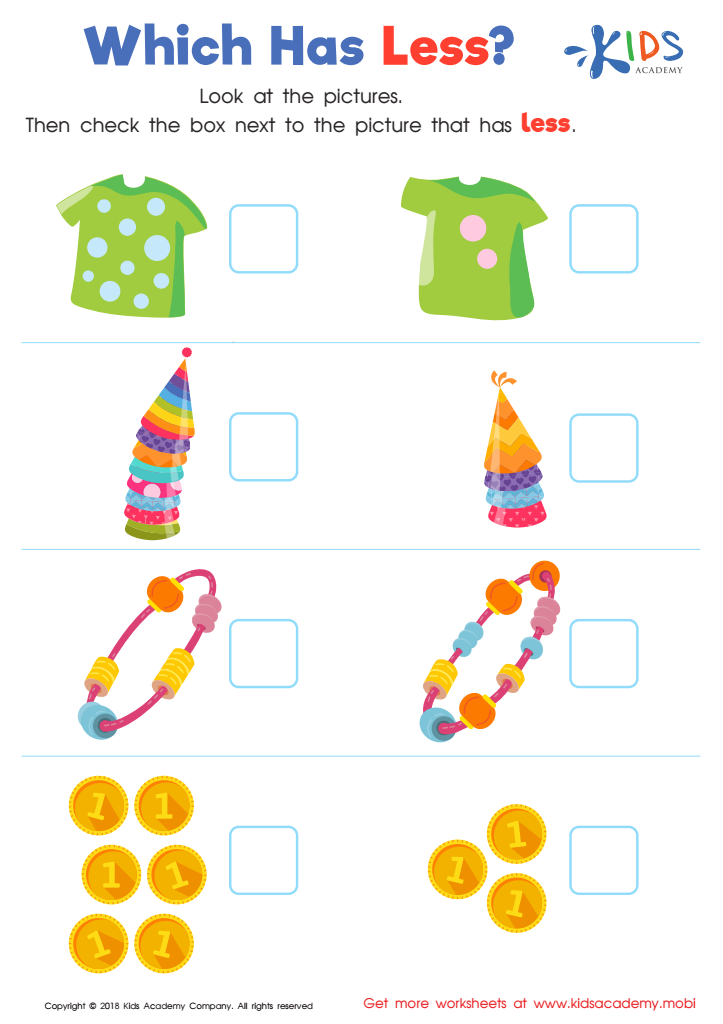
Which Has Less? Worksheet








Understanding quantity in early math is essential for children aged 3-4, as it lays the fundamental groundwork for future mathematical concepts and cognitive development. At this tender age, young minds are extremely malleable and receptive to learning basic numerical ideas through natural interaction with their environments. By grasping quantity, children begin to understand the basics of counting, comparing groups, and recognizing relationships between numbers. This helps them navigate daily activities, like sharing toys or following directions for simple tasks.
For parents and teachers, fostering early comprehension of quantity builds a child's confidence in their ability to engage with math, making future learning less intimidating. Engaging young children using fun, interactive methods—such as using toys, blocks, or storytelling—makes learning quantities a delightful process, rather than a chore, nurturing a positive attitude towards math.
Additionally, early math skills are linked to improved problem-solving abilities and academic success not just in mathematics, but across subjects. Observing and supporting this development allows parents and teachers to identify and address learning needs early, providing a stronger educational foundation. In essence, equipping children with an understanding of quantity means setting them up for lifelong learning and achievement.