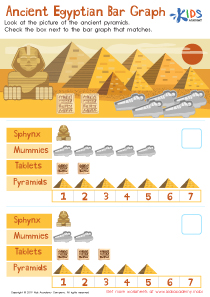
Reading comprehension Easy Word Problems Worksheets for Ages 3-4
3 filtered results
-
From - To
Enhance your child's learning journey with our Reading Comprehension Easy Word Problems Worksheets designed for ages 3-4! Our engaging worksheets help young learners build essential reading and comprehension skills through simple, age-appropriate word problems. Each activity encourages critical thinking, boosts vocabulary, and promotes numerical understanding in a fun and interactive way. Perfect for parents and educators, these worksheets can be seamlessly integrated into daily learning routines. Foster a love for reading while developing problem-solving skills with our delightful exercises. Visit us to download your sheets and watch your little ones thrive as they master the basics of reading comprehension!
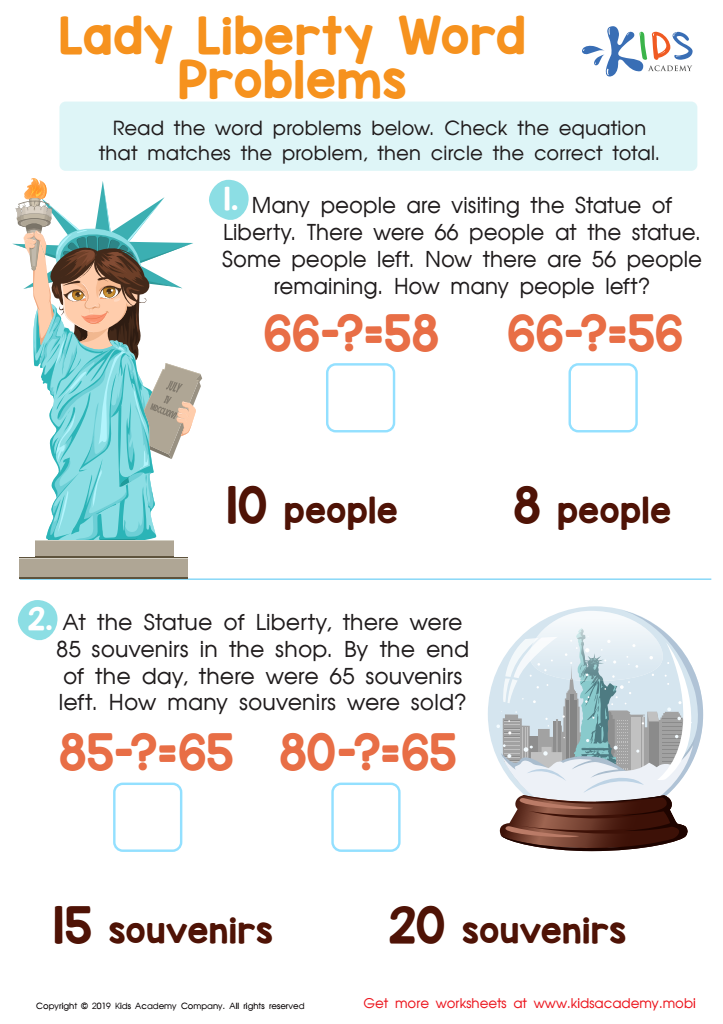
Lady Liberty Worksheet
 Assign to My Students
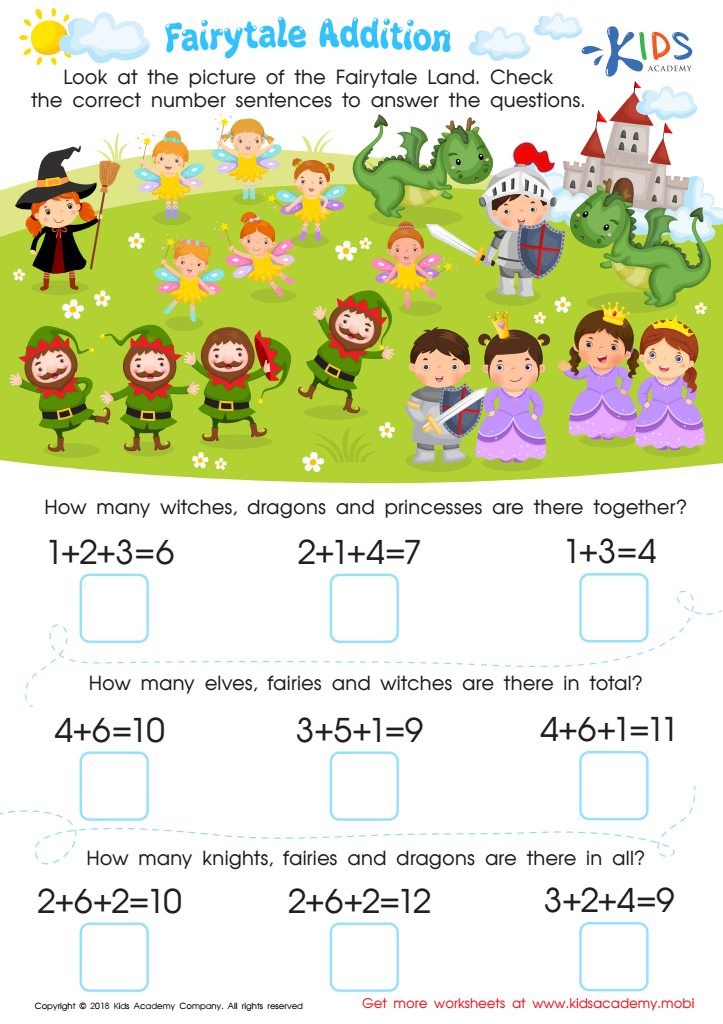
Fairytale Addition Worksheet
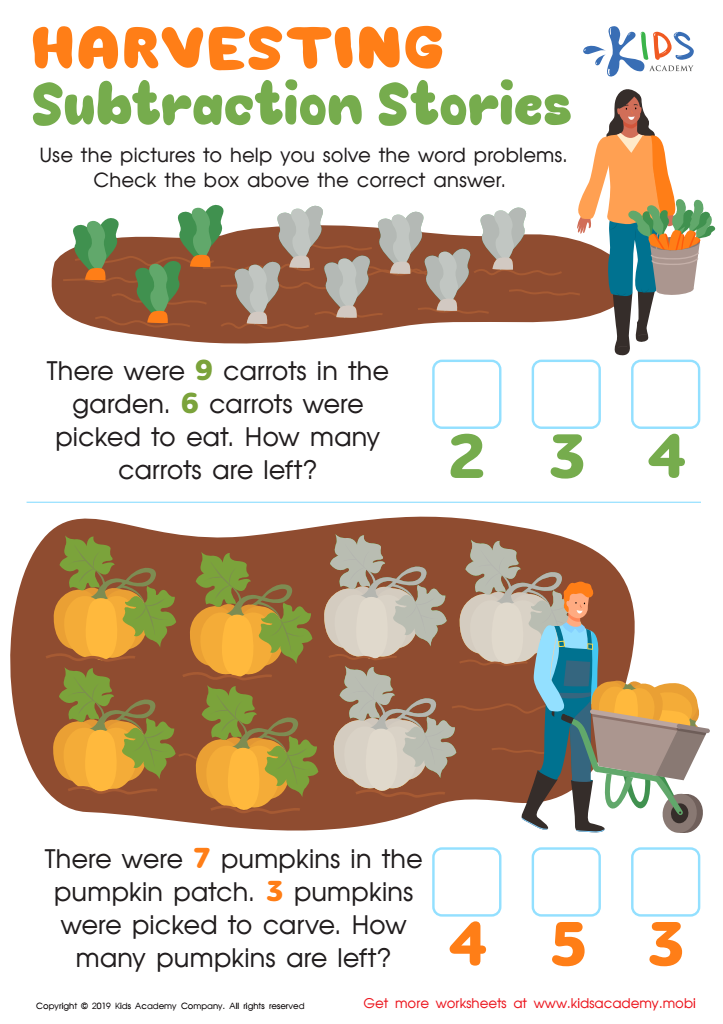
Harvesting Subtraction Stories Worksheet








Reading comprehension in young children, particularly those aged 3-4, is crucial for developing essential cognitive and language skills. Engaging with easy word problems fosters critical thinking and problem-solving abilities, laying the groundwork for future mathematical understanding. At this age, children's brains are exceptionally adaptable, making it a prime time to introduce them to basic concepts like numbers, shapes, and basic math operations through stories and simple problems.
Parents and teachers should care because early exposure to these learning activities encourages curiosity and a love for learning. When children tackle easy word problems, they learn to listen carefully, understand context, and think logically. This not only makes math less intimidating but also supports overall literacy, as many word problems involve reading comprehension.
Furthermore, encouraging group discussion about these problems can develop social skills and collaboration among peers. This early experience enhances their ability to communicate thoughts clearly and effectively. In the long run, investing time in reading comprehension and easy word problems can lead to improved academic performance, boosting children’s confidence and equipping them with the skills they’ll need in school and life. Parents and teachers play a vital role in nurturing these foundational abilities.