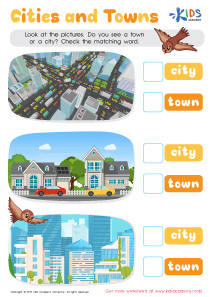
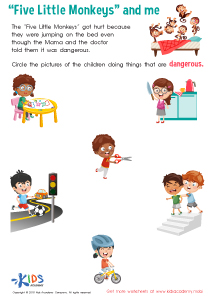
Word Recognition Easy Reading Worksheets for Ages 3-4
3 filtered results
-
From - To
Discover our "Word Recognition Easy Reading Worksheets for Ages 3-4," designed to make early learning both fun and effective. These engaging worksheets help young children develop essential word recognition and reading skills through playful activities and colorful illustrations. Perfect for preschoolers, our printable resources support foundational vocabulary building and boost reading confidence. Encourage your little ones to explore language with exciting tasks tailored to their age and abilities. Visit Kids Academy to access these valuable learning tools and give your children a head start on their reading journey.
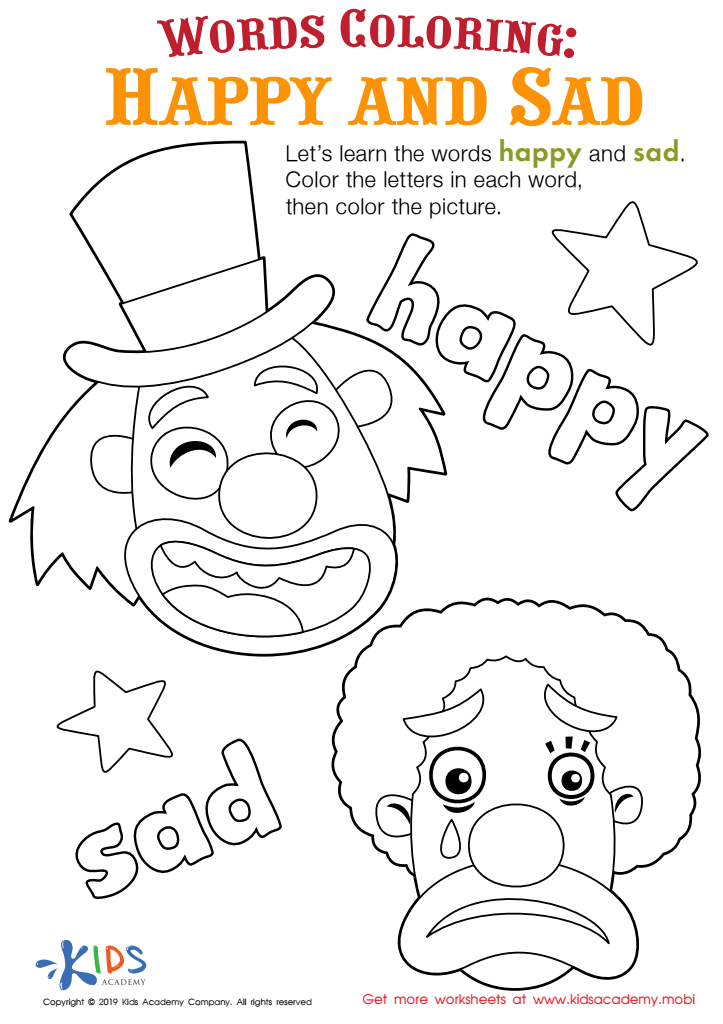
Happy and Sad Words Coloring Worksheet
 Assign to My Students
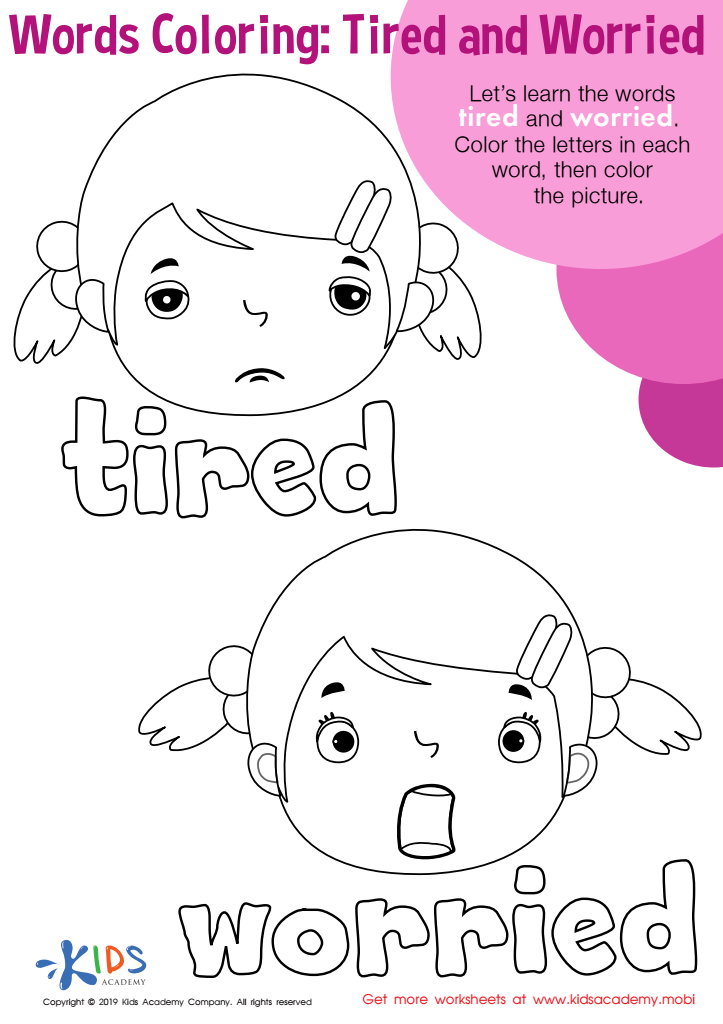
Tired and Worried Words Coloring Worksheet
Assign to My Students
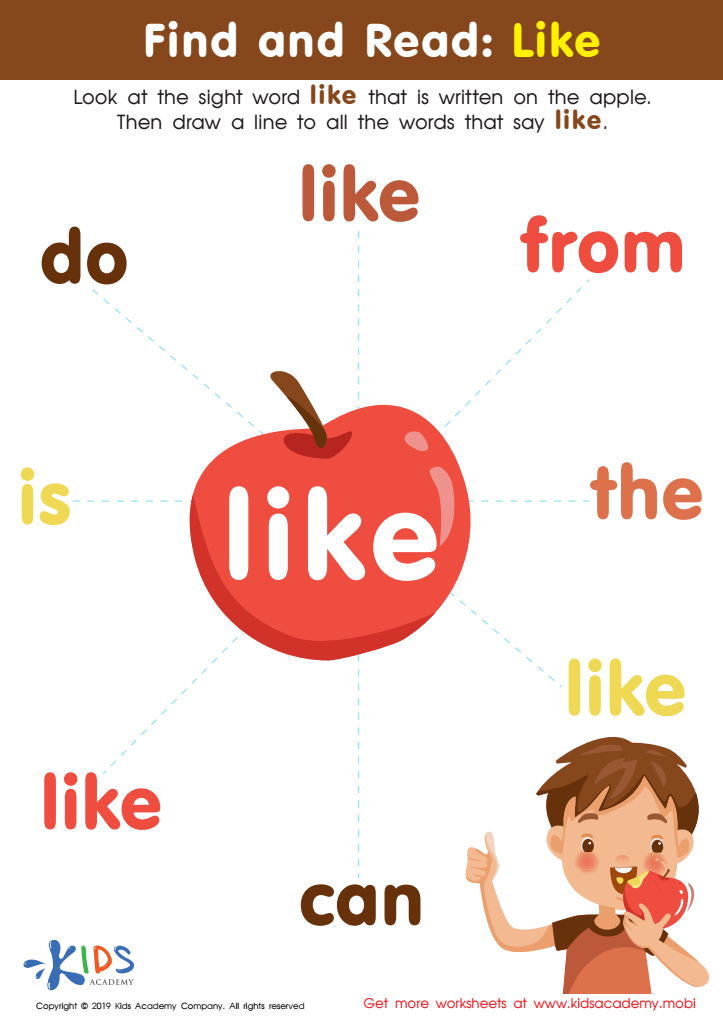
Find and Read: Like Worksheet





.jpg)

Early word recognition is a foundational skill that significantly impacts a child's literacy development. At ages 3-4, children's brains are remarkably receptive to language acquisition, making it a prime time to introduce them to the basics of reading. Teaching word recognition at this age helps in several key areas.
First, it boosts vocabulary. When children recognize words, they begin to understand their meanings and how they are used in context. This expanded vocabulary aids in more effective communication and comprehension skills as they grow.
Second, early word recognition promotes cognitive development. Recognizing words involves using memory, attention, and auditory skills, which are essential cognitive abilities. This practice enhances their overall intellectual growth.
Third, it builds confidence. Mastering word recognition helps children feel successful in their learning efforts, fostering a positive attitude toward reading and, by extension, learning in general.
Lastly, early literacy skills are crucial predictors of later academic success. Children who start reading with ease are more likely to perform well in school, not just in language arts but across all subjects. Invested parents and teachers set the stage for these lifelong benefits by prioritizing word recognition in early childhood, cultivating a love for reading, learning, and celebrating small milestones that contribute to their future educational attainment.