Story sequencing Easy Reading Comprehension Worksheets for Ages 3-4
3 filtered results
-
From - To
Introducing our engaging "Story Sequencing Easy Reading Comprehension Worksheets" designed especially for children ages 3-4! These worksheets promote early literacy skills by helping little learners understand the order of events in a story. Through colorful visuals and relatable characters, children will practice putting stories in sequence, enhancing their reading comprehension and observational skills. Each worksheet is crafted to make learning fun and intuitive, fostering a love for storytelling and reading. Encourage your child’s imagination and critical thinking while developing foundational skills essential for academic success. Download these worksheets today and watch your child thrive in their reading journey!
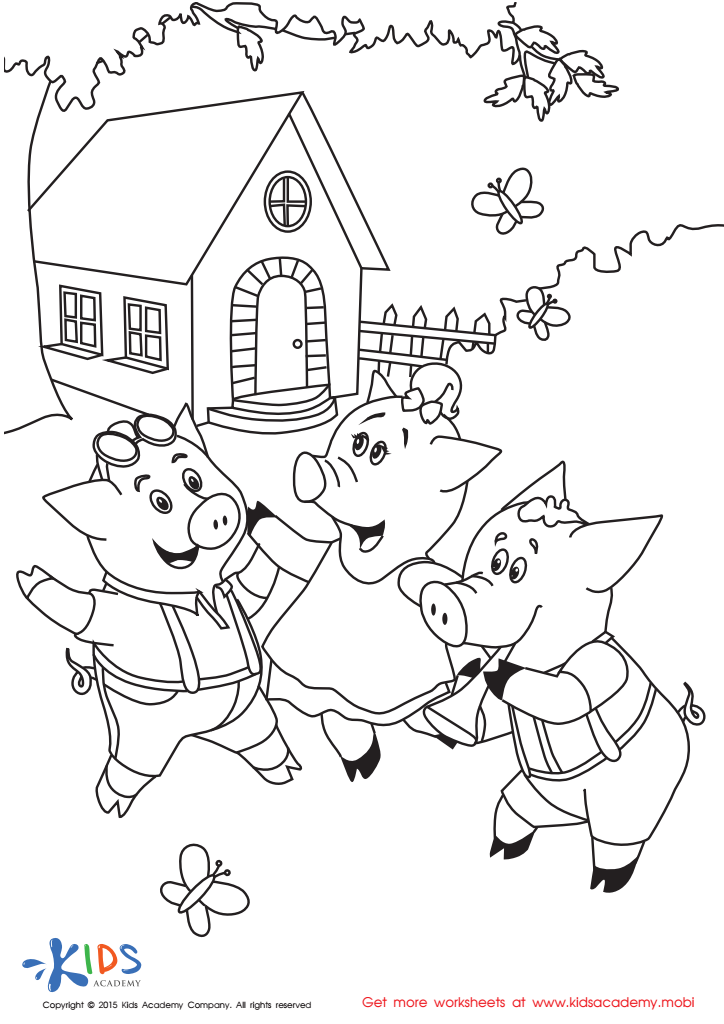
Folktales Printable PDF Worksheet: The 3 Little Pigs
 Assign to My Students
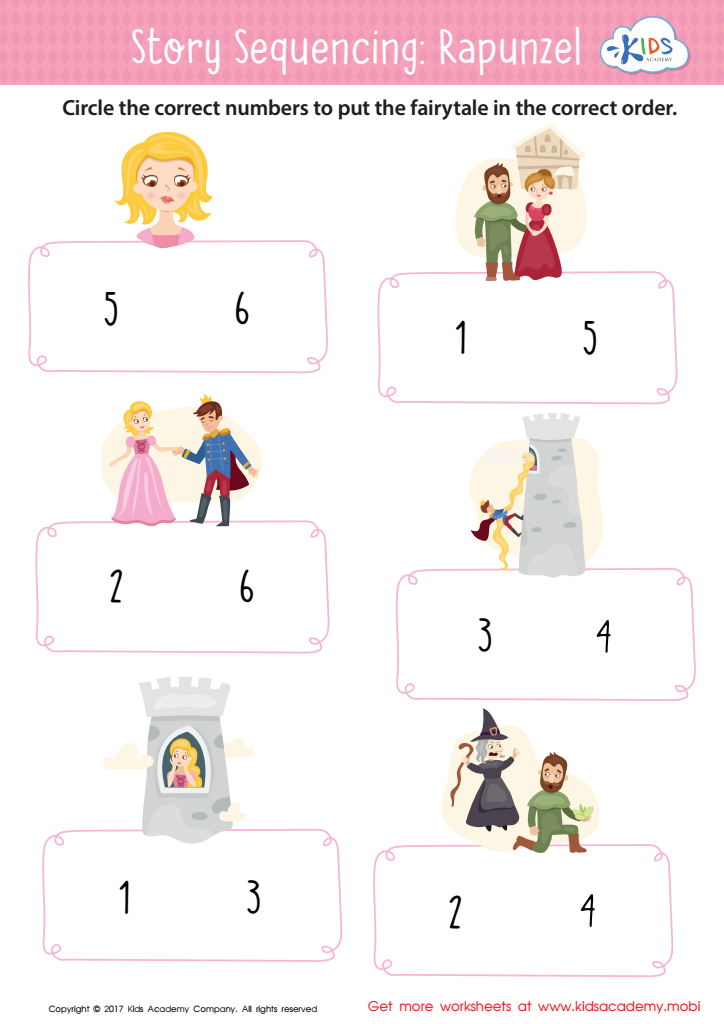
Rapunzel Story Sequencing Worksheet
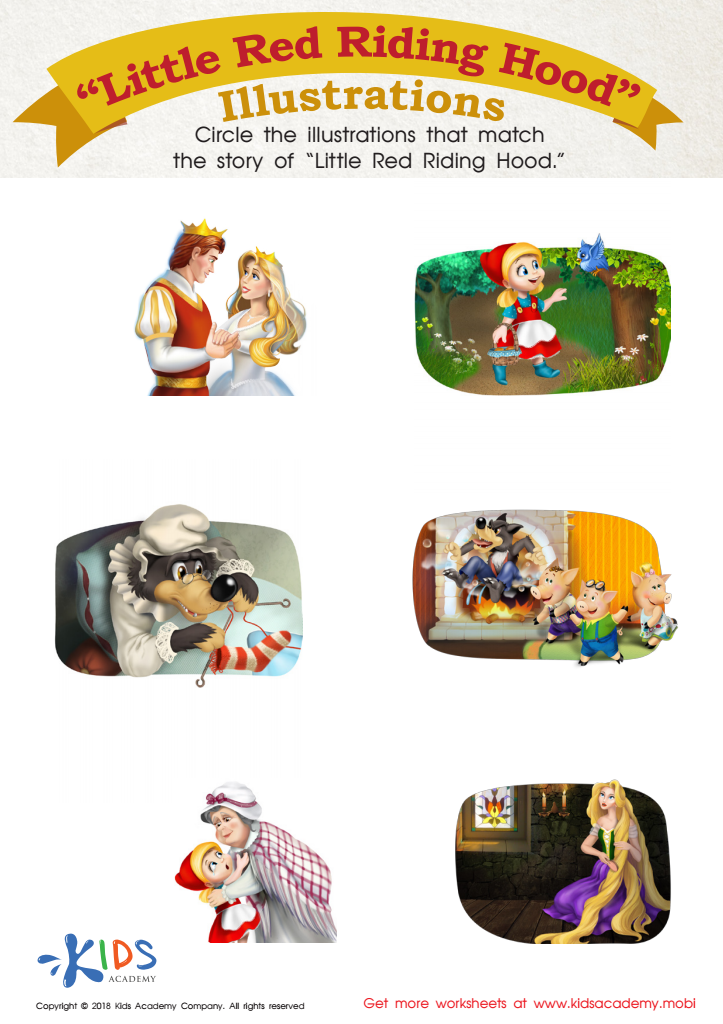
Little Red Riding Hood: Illustrations Worksheet








Story sequencing activities are vital for the early literacy development of children aged 3 to 4 years. Understanding the order of events in a story fosters comprehension skills, enabling children to follow narratives and grasp the main ideas. This foundational skill enhances their ability to retell stories, which builds language development and vocabulary.
By engaging in story sequencing, children also develop critical thinking and cognitive skills. They learn to identify cause-and-effect relationships, recognize patterns, and make predictions about what will happen next. These cognitive processes are essential as they lay the groundwork for more complex literacy skills in the future.
Parents and teachers play a crucial role in facilitating these activities. By prioritizing them, they encourage children to become active participants in their learning, which boosts engagement and motivation. Additionally, story sequencing can promote important social skills as children work together to discuss and arrange stories.
Moreover, these activities can make learning fun and interactive, deepening the love for reading at an early age. When caregivers support this aspect of literacy, they help instill a lifelong appreciation for books and stories, setting the stage for successful reading habits later in life.