Writing practice Easy Letter Recognition Worksheets for Ages 3-5
3 filtered results
-
From - To
Introduce your little ones to the exciting world of letters with our "Easy Letter Recognition Worksheets" specially designed for ages 3-5! These engaging worksheets foster early writing skills while helping children recognize and become familiar with the alphabet. Each activity is tailored to encourage creativity and enhance fine motor skills, making learning fun and interactive. With vibrant illustrations and simple exercises, children will gain confidence as they practice letter formation and identify different letters. Perfect for preschool or at-home learning, these worksheets provide a solid foundation for future reading and writing success. Start your child's learning journey today!
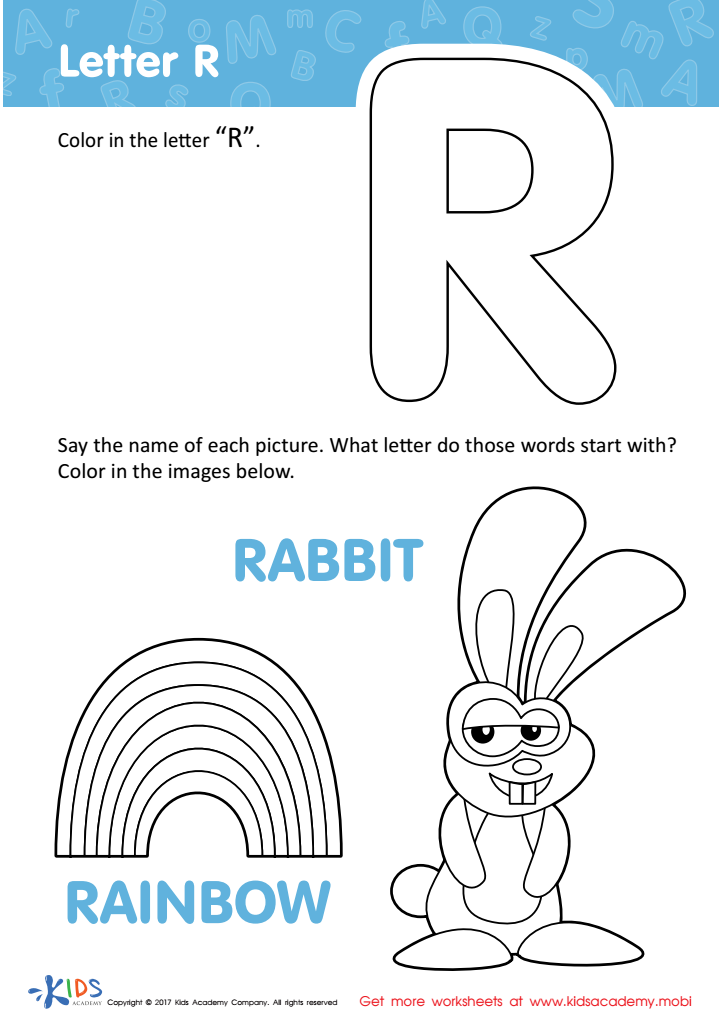
Letter R Coloring Sheet
 Assign to My Students
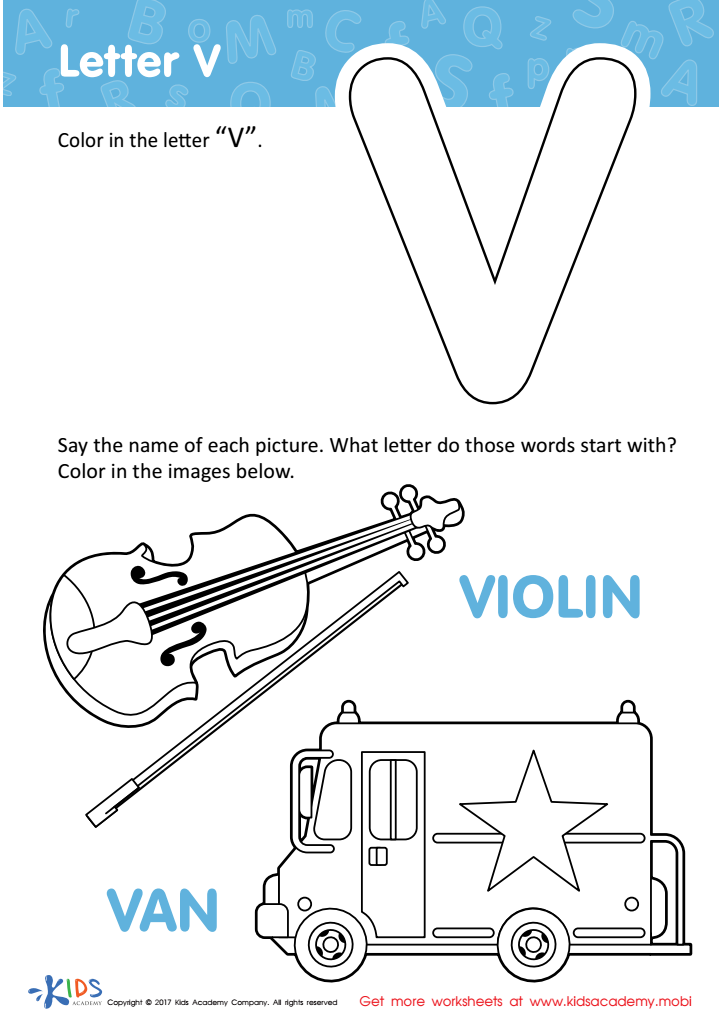
Letter V Coloring Sheet
Assign to My Students
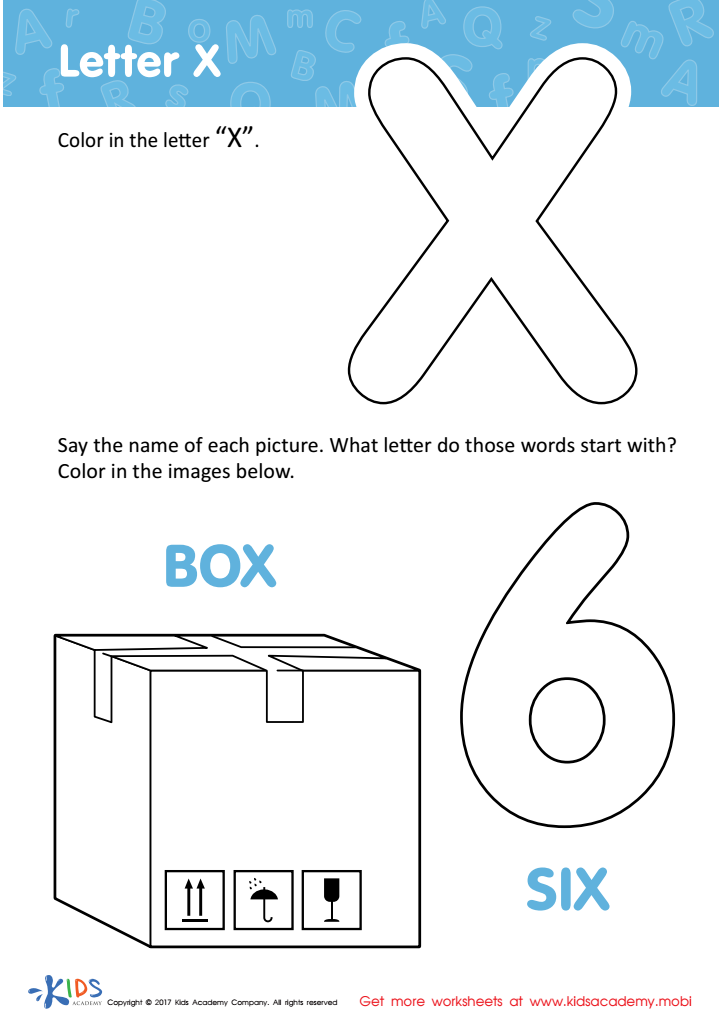
Letter X Coloring Sheet
Assign to My Students








Writing practice and letter recognition for ages 3-5 lay the critical foundation for early literacy skills. At this developmental stage, children are naturally curious and eager to explore language, making it an ideal time to introduce basic writing techniques and letter recognition activities.
Engaging in writing practice helps young children develop fine motor skills, which are essential for writing later on. By manipulating writing instruments, they strengthen their hand-eye coordination and dexterity. Simultaneously, recognizing letters helps them understand that letters represent sounds, a fundamental component of reading.
Moreover, early writing activities promote creativity and self-expression. Through writing, children can communicate their thoughts, emotions, and ideas, fostering their confidence and sense of identity. Integrating playful activities like tracing letters and forming simple words keeps learning enjoyable and engaging.
Lastly, nurturing these skills at a young age sets the groundwork for future academic success. Children who master letter recognition and basic writing in early childhood often transition more smoothly into reading and writing as they progress through school. Therefore, parents and teachers should invest time and effort into writing practice and letter recognition, cultivating a love of learning that will benefit children for years to come.