Reading Skills Easy Phonics Worksheets for Ages 3-5
4 filtered results
-
From - To
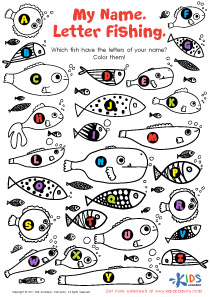
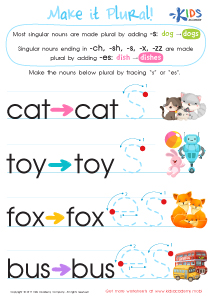
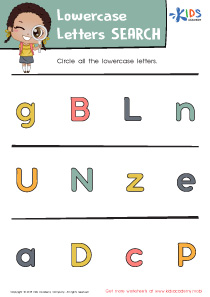
Introducing our "Reading Skills Easy Phonics Worksheets for Ages 3-5," designed specifically to cultivate early literacy in young learners. These engaging worksheets provide a playful and interactive approach to mastering essential phonics skills, encouraging children to develop their reading abilities in a fun way. By tracing letters, identifying sounds, and completing simple exercises, kids will build confidence in reading while enhancing their vocabulary. Our resources align with educational standards, ensuring that children receive quality phonics practice that supports their development. Perfect for parents and educators alike, these worksheets make learning to read an enjoyable experience. Start your child's reading journey today!
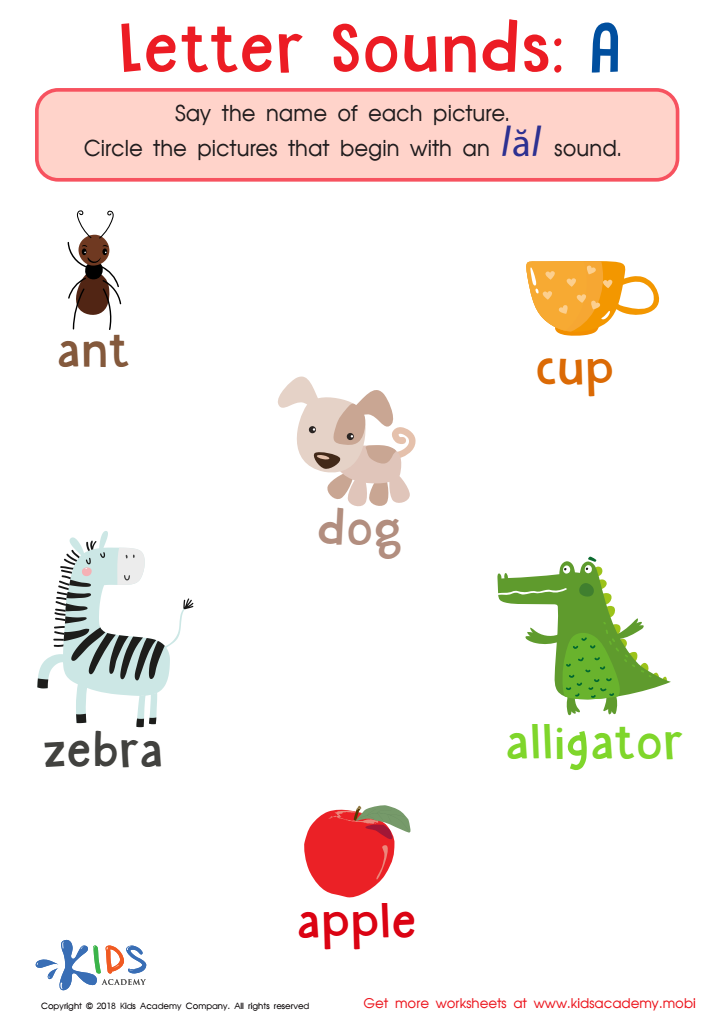
Letter A Sounds Worksheet
 Assign to My Students
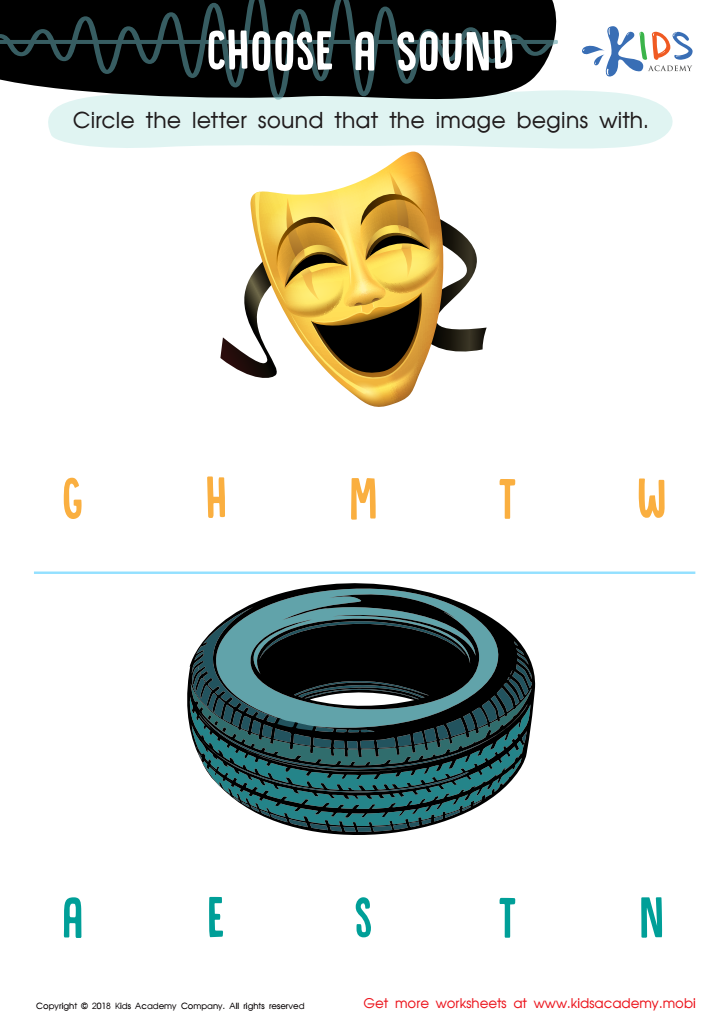
Choose a Sound Worksheet
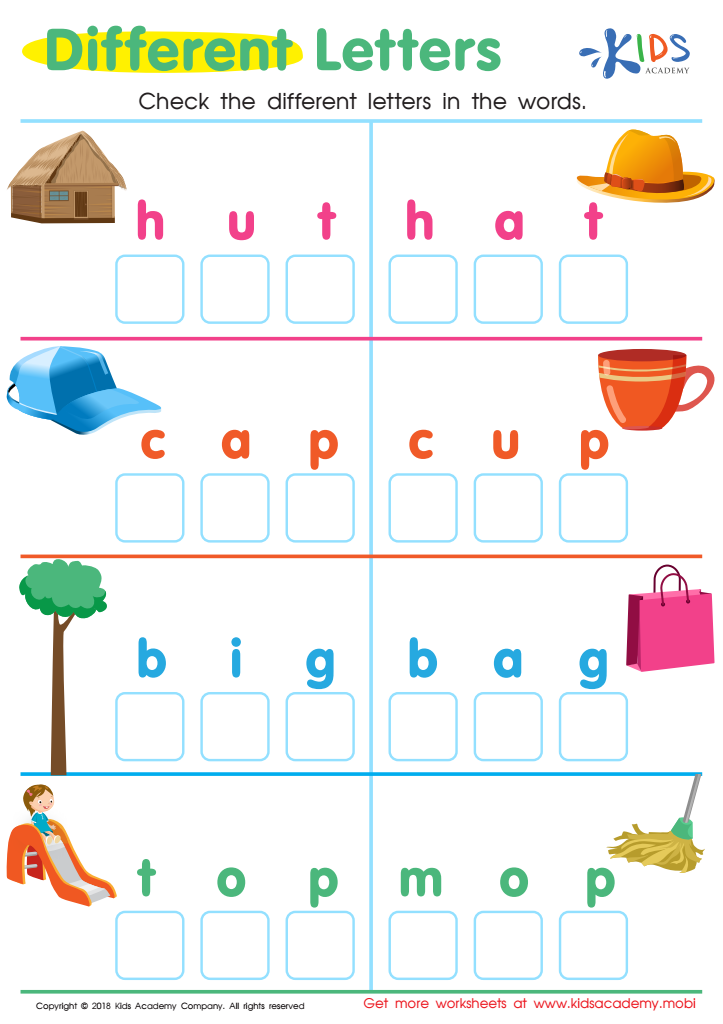
Different Letters Reading Worksheet
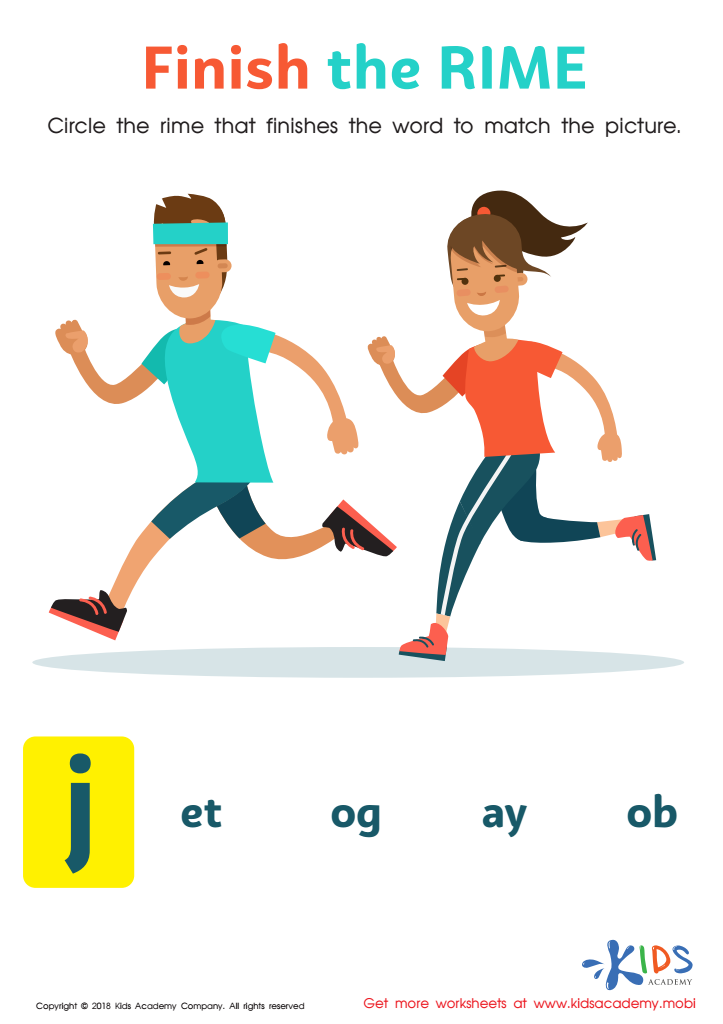
Finish the Rime Worksheet








Reading Skills Easy Phonics is essential for children aged 3-5, as it lays the foundation for their literacy development and overall academic success. At this age, children are in a critical period for language acquisition and cognitive growth. Early phonics instruction helps them understand the relationship between letters and sounds, enabling them to decode words and build pronunciation skills. This process fosters a love for reading, enhances vocabulary, and boosts comprehension, all vital for future learning.
Parents and teachers should recognize that developing strong reading skills early can significantly impact a child’s confidence and attitude towards learning. Children who grasp phonics at a young age tend to perform better in school, leading to improved academic outcomes. Furthermore, engaging in phonics activities nurtures important social and emotional skills. Collaborative reading and phonics games promote teamwork, communication, and perseverance.
Investing time in Easy Phonics also supports a child’s listening skills, as they learn to identify sounds and manipulate them, boosting overall language capabilities. Ultimately, prioritizing phonics instruction not only prepares children for literacy but also equips them with lifelong skills that transcend the classroom, nurturing independent thinkers and enthusiastic learners. Parents and teachers are key to this essential foundation.