Sound Association Easy Phonics Worksheets for Ages 3-5
3 filtered results
-
From - To
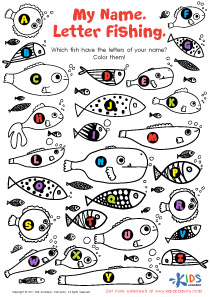
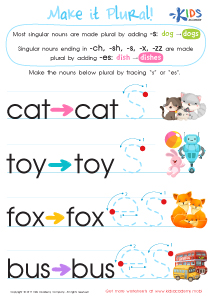
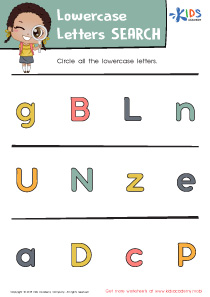
Enhance your child's early literacy skills with our "Sound Association Easy Phonics Worksheets" designed specifically for ages 3-5. These engaging and interactive worksheets focus on helping young learners connect sounds with letters and words, making phonics fun and accessible. Each worksheet features vibrant illustrations and simple activities that promote recognition and understanding of phonetic sounds. Perfect for parents and educators, these resources support phonemic awareness and boost pre-reading skills in a playful way. Encourage your child's love for learning with our expertly crafted worksheets that lay the foundation for reading success! Access them today and watch your little ones thrive!
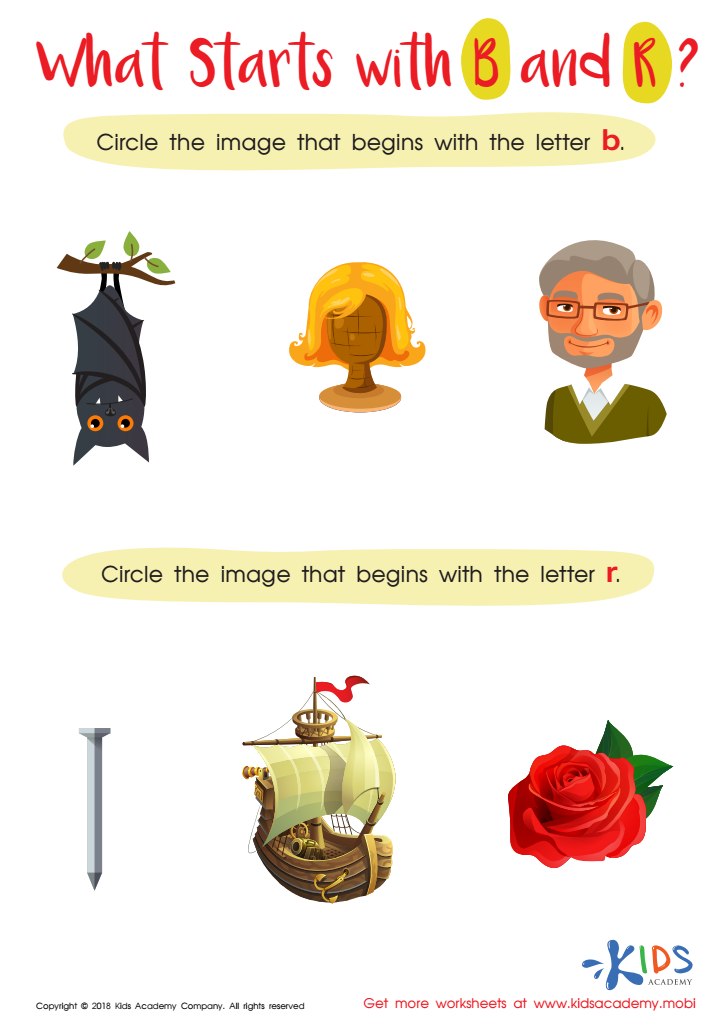
What Starts with B and R? Worksheet
 Assign to My Students
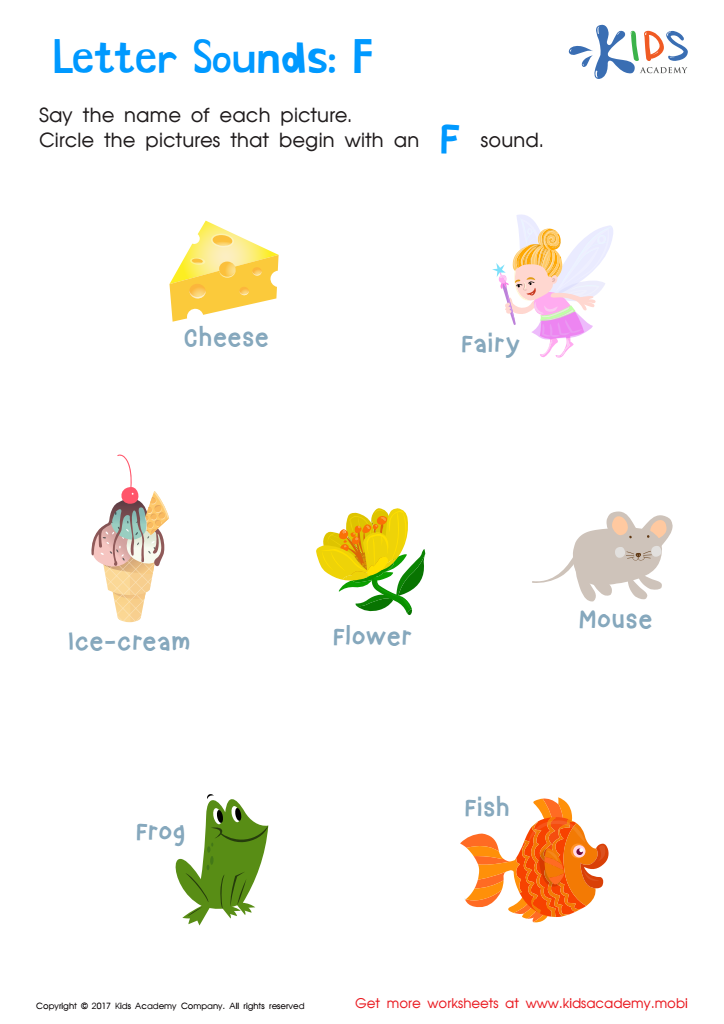
Letter F Sounds Worksheet
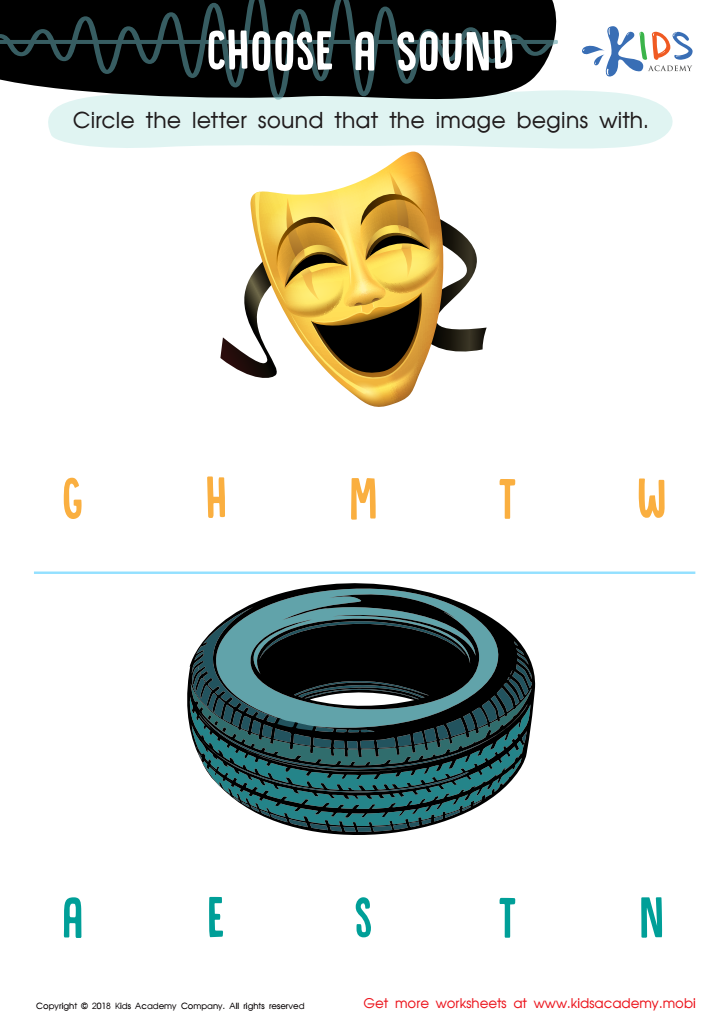
Choose a Sound Worksheet








Parents and teachers should prioritize Sound Association Easy Phonics for Ages 3-5 because it lays the essential groundwork for early literacy skills. At this developmental stage, children are particularly receptive to sound recognition and language development, making interactive phonics activities particularly effective. This program aligns with their natural curiosity, using fun and engaging methods that resonate with young learners.
Sound association involves connecting sounds to letters and familiar words, enabling children to decode language, ultimately leading to better reading and writing skills. As kids progress through phonemic awareness, they become more confident in their communication abilities, facilitating a joyful learning experience. Additionally, instilling a love for reading at an early age can transform academic trajectories and foster critical thinking.
Moreover, emphasizing phonics through dedicated tools and activities aids in differentiating instruction for diverse learning styles found in preschool settings. By promoting inclusivity and tailoring approaches to each child's unique needs, both parents and educators can nurture a supportive environment that underscores the importance of literacy.
Ultimately, investing in Sound Association Easy Phonics enriches children’s cognitive development, sets a high standard for their academic future, and cultivates lifelong learners who appreciate the value of reading.