Understanding sequencing Easy Numbers Worksheets for Ages 3-5
3 filtered results
-
From - To
Unlock your child's potential with our "Understanding Sequencing Easy Numbers Worksheets," designed specifically for children aged 3-5. These engaging worksheets promote early math skills by introducing essential sequencing concepts through fun and interactive activities. Children will learn to recognize patterns, order numbers, and develop critical thinking skills that lay a strong foundation for their future education. Each worksheet is crafted to capture young learners' attention while encouraging independent exploration and discovery. Perfect for at-home learning or classroom support, these resources make learning sequence and number recognition enjoyable. Start your child’s journey in math with our easy-to-use worksheets today!
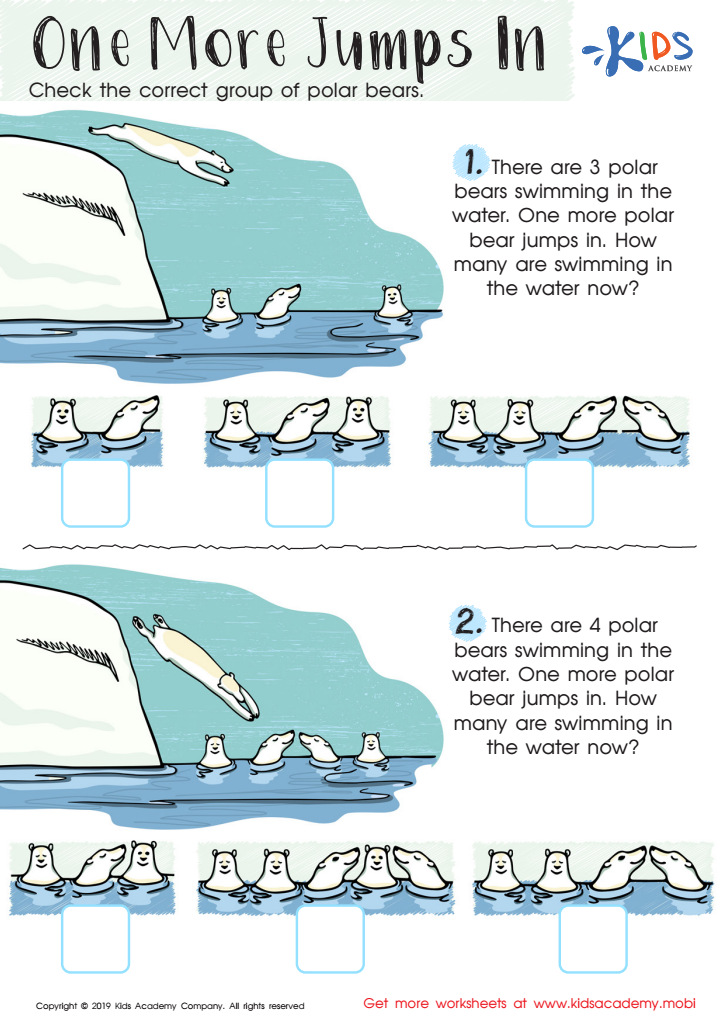
One More Jumps In Worksheet
 Assign to My Students
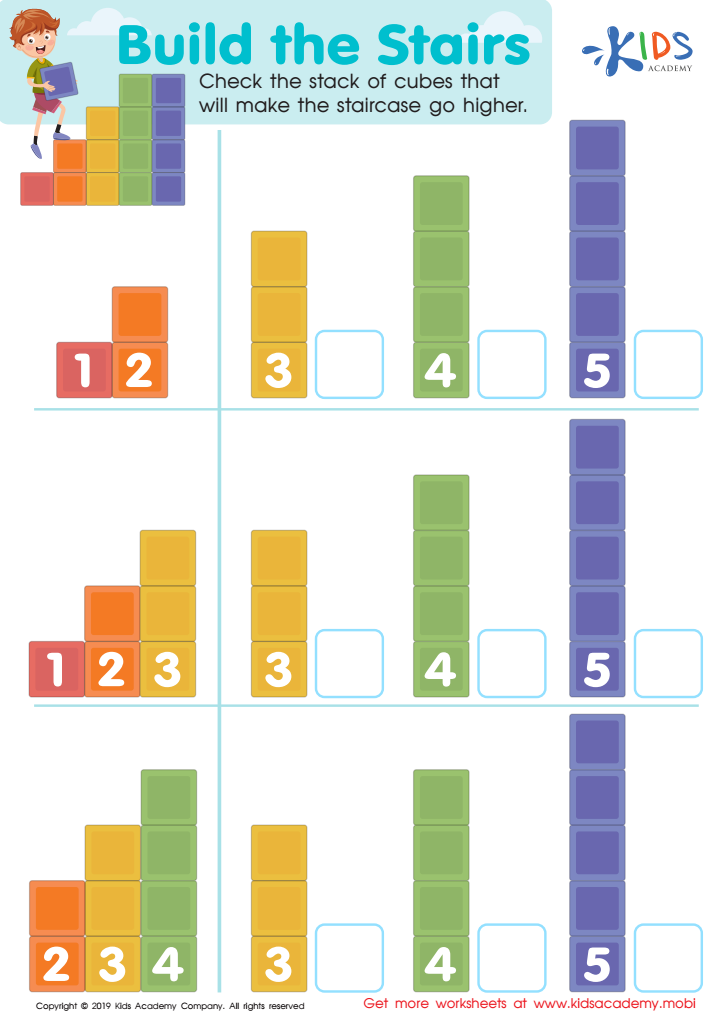
Build the Stairs Worksheet
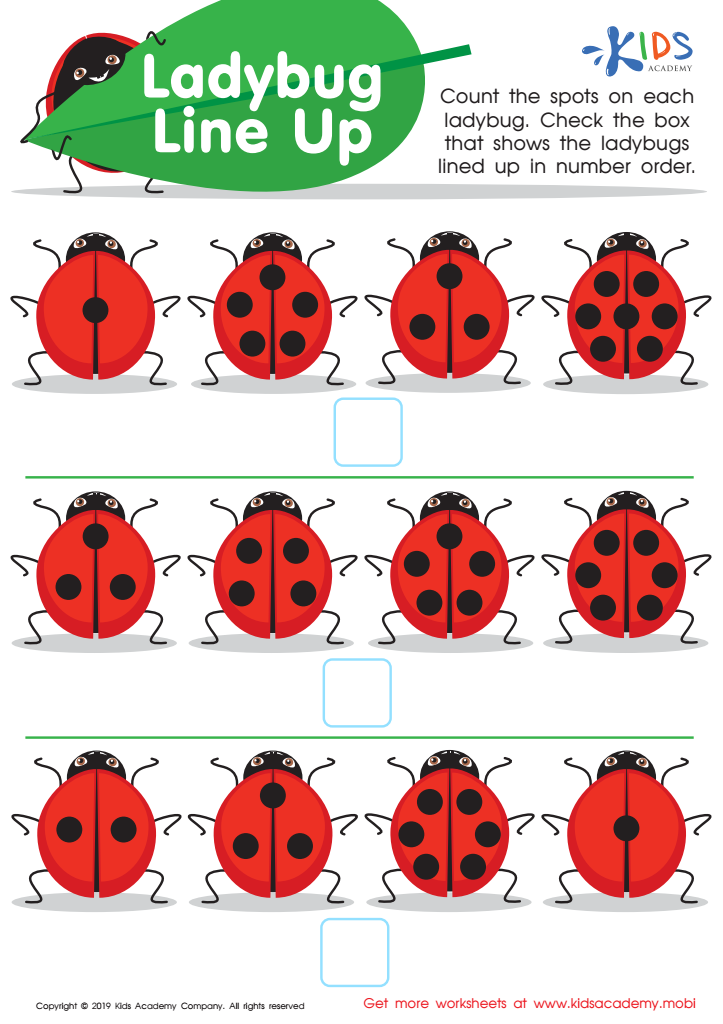
Ladybug Line Up Worksheet








Understanding sequencing and easy numbers is crucial for young children, particularly between the ages of 3 to 5, as it serves as a foundational skill for future learning. Parents and teachers should care about this concept because it fosters logical thinking and cognitive development. Sequencing helps children understand the order of events, which can enhance their storytelling abilities and comprehension skills, making it easier for them to communicate their thoughts and feelings.
Moreover, familiarity with easy numbers prepares kids for more advanced mathematical concepts, facilitating number recognition, counting, and basic addition or subtraction. By mastering sequencing, children learn to recognize patterns and relationships, which are key skills in both math and life. This understanding also supports memory and attention span, as children practice recalling and organizing information logically.
Additionally, engaging in activities that promote sequencing and number awareness cultivates social skills, as children often participate in group games and projects. Parents and teachers can create a stimulating environment where engaging sequences and numbers in daily activities encourage playful learning. Ultimately, prioritizing the understanding of sequencing and easy numbers lays the groundwork for academic success and builds confidence in young learners, setting them up for a positive educational journey.








