Categorization skills Easy Numbers 0–10 Worksheets for Ages 3-5
3 filtered results
-
From - To
Enhance your child's learning journey with our engaging "Categorization Skills Easy Numbers 0-10 Worksheets" designed for ages 3-5. These vibrant worksheets help young learners recognize and categorize numbers through fun activities that promote essential math skills. Each worksheet features playful themes and interactive tasks to keep children entertained while reinforcing number recognition and categorization concepts. Ideal for parents and educators looking to build foundational math abilities, the worksheets encourage critical thinking and problem-solving. Perfect for home or classroom use, our resources make learning numbers exciting and accessible. Explore our collection and watch your child's confidence soar in mathematics!
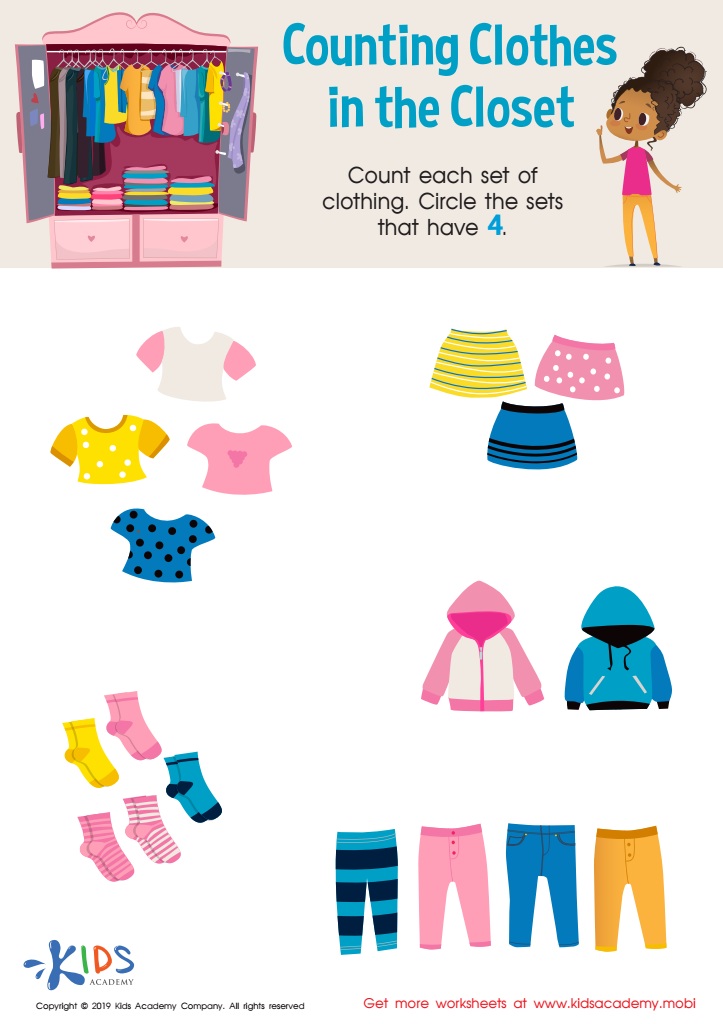
Counting Clothes Worksheet
 Assign to My Students
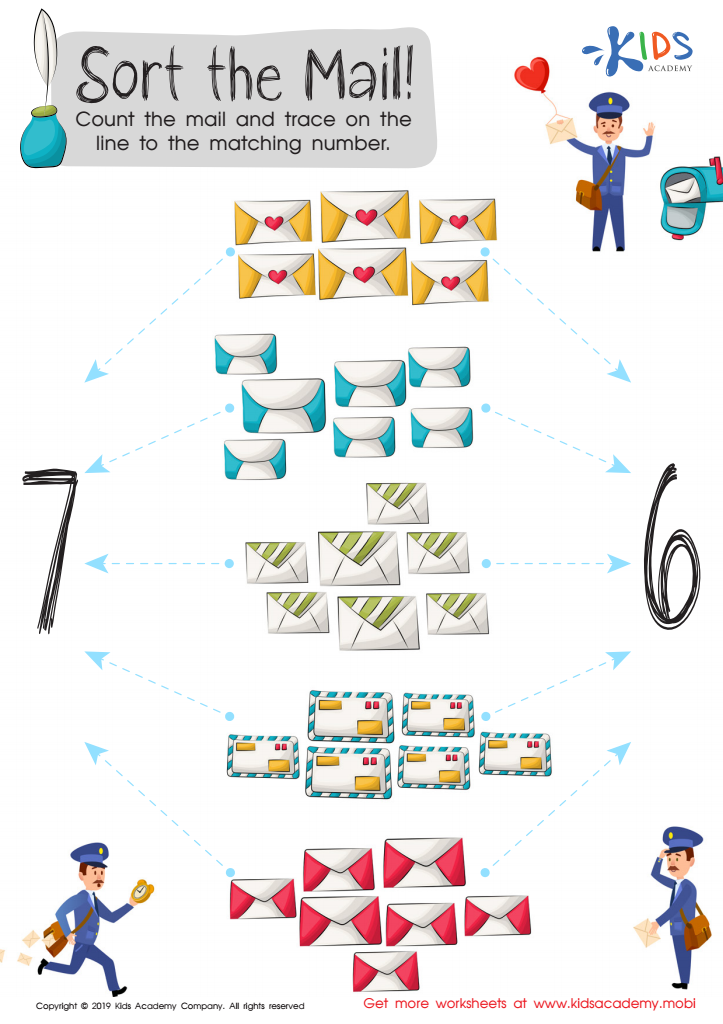
Sort the Mail Worksheet
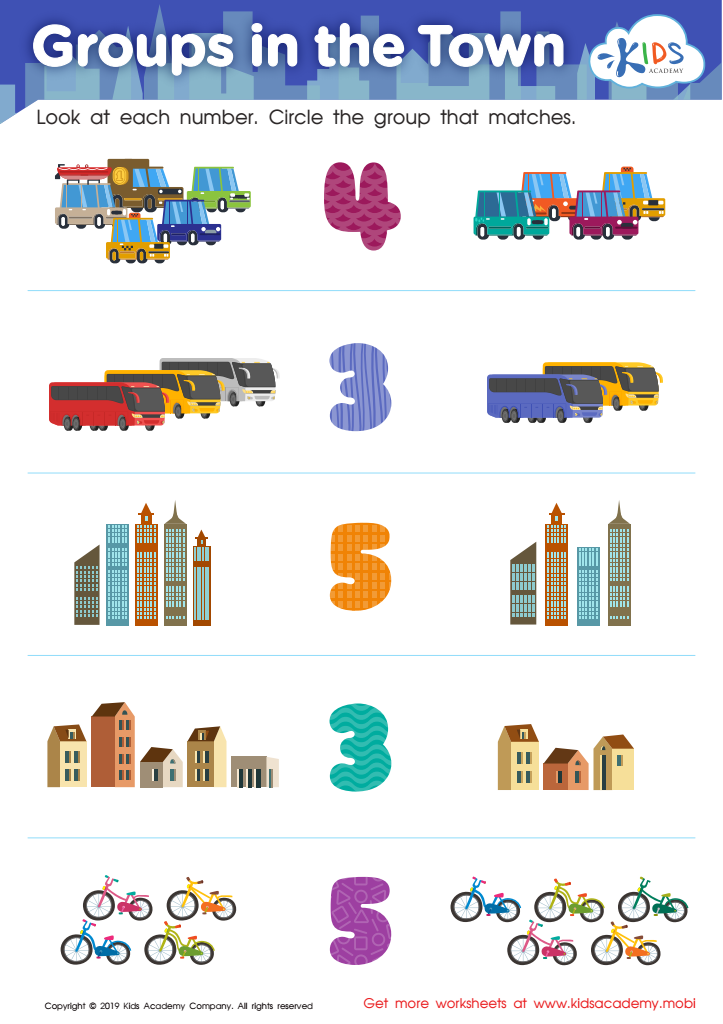
Groups in the Town Worksheet








Categorization skills are fundamental for young learners, particularly for children aged 3-5, who are just starting to explore the world around them. These skills, which involve sorting and grouping objects based on shared characteristics, lay the groundwork for early math, language, and cognitive development.
Understanding categorization helps children make sense of complex information. For instance, when they categorize numbers from 0-10, they learn to recognize patterns, identify similarities and differences, and foster critical thinking. These skills are transferable; a child who can sort animals by color or log different types of shapes will also excel in more abstract reasoning as they grow.
For parents and teachers, promoting categorization skills is crucial. Engaging in simple, fun activities like sorting toys, counting objects, or displaying number flashcards challenges children to think critically and reinforces their understanding of numbers and relationships. This playful approach not only nurtures a love for learning but also builds confidence.
Moreover, developing early categorization skills can provide children with a strong foundation for academic success in later years. When children can effectively categorize and relate concepts, they’re more prepared to tackle subjects like math and science in school. In short, fostering these essential skills equips children for lifelong learning and problem-solving.