Number Recognition Easy Numbers 11–20 Worksheets for Ages 3-5
6 filtered results
-
From - To
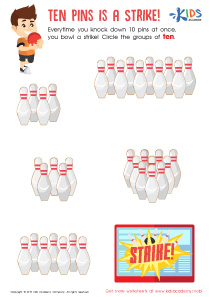
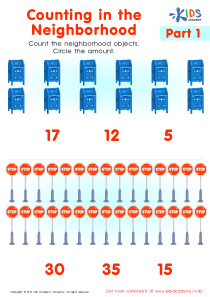
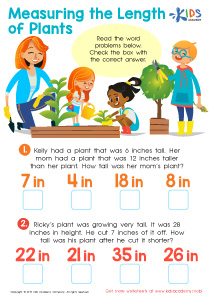
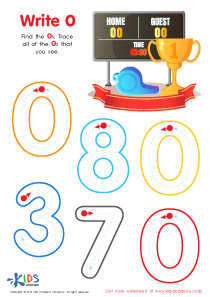
Explore our Number Recognition worksheets, specially designed for 3-5 year-olds learning to identify numbers 11 to 20. These engaging activities help young learners build foundational math skills through fun exercises that capture their attention. With colorful illustrations and interactive challenges, children will develop confidence in recognizing and writing these numbers. Our easy-to-follow worksheets promote critical thinking and fine motor development, providing a comprehensive learning experience tailored for early education. Help your child embark on an exciting mathematical journey with our delightful worksheets that make number recognition enjoyable and effective! Perfect for home or classroom use. Get started today!
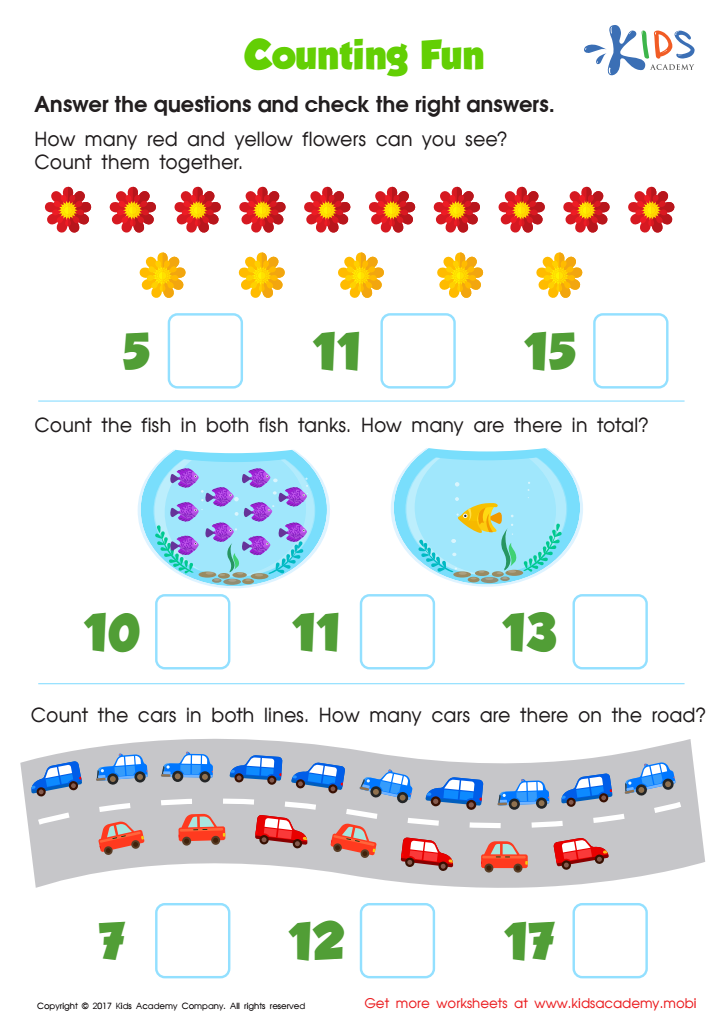
Counting Fun Worksheet
 Assign to My Students
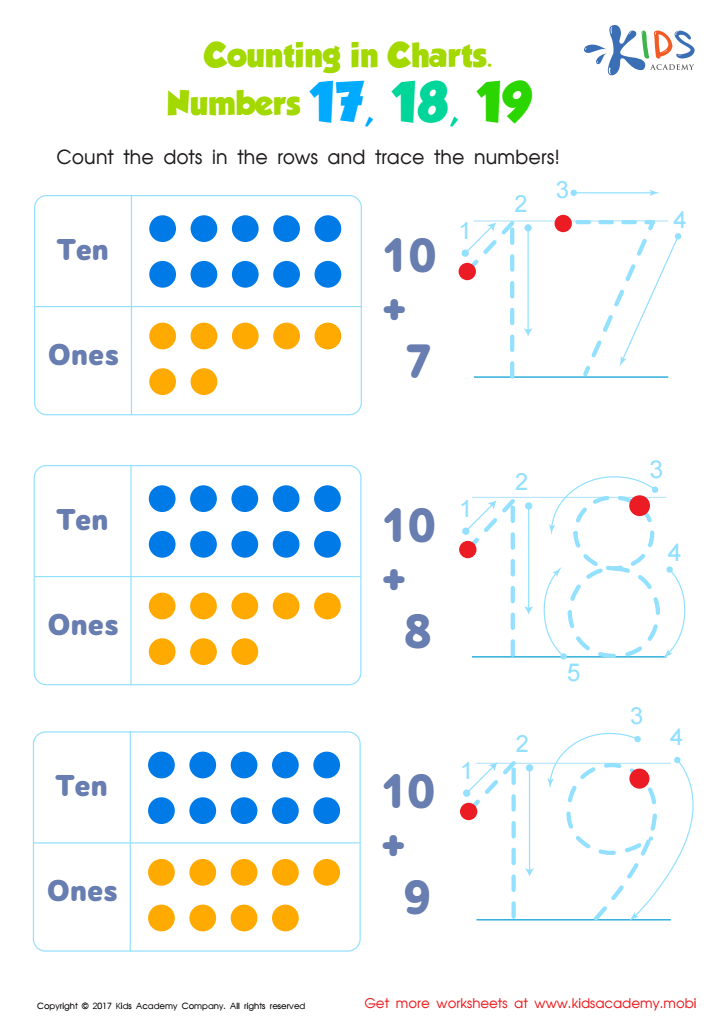
Kindergarten Number Tracing: Counting in Charts Worksheet
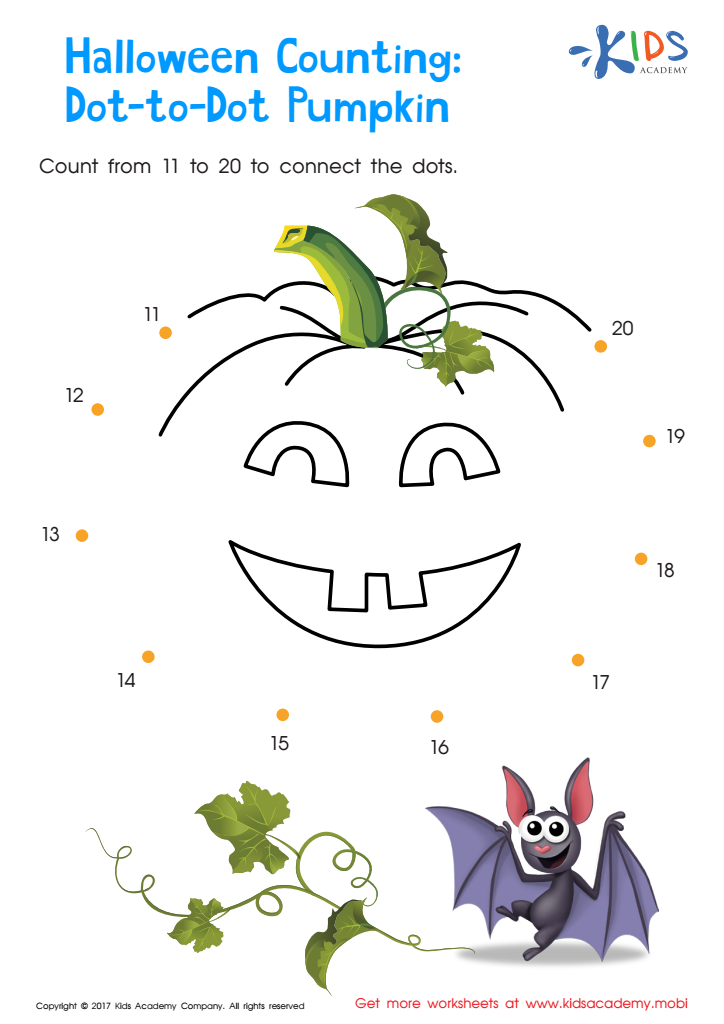
Ordering 11–20: Halloween Counting Worksheet
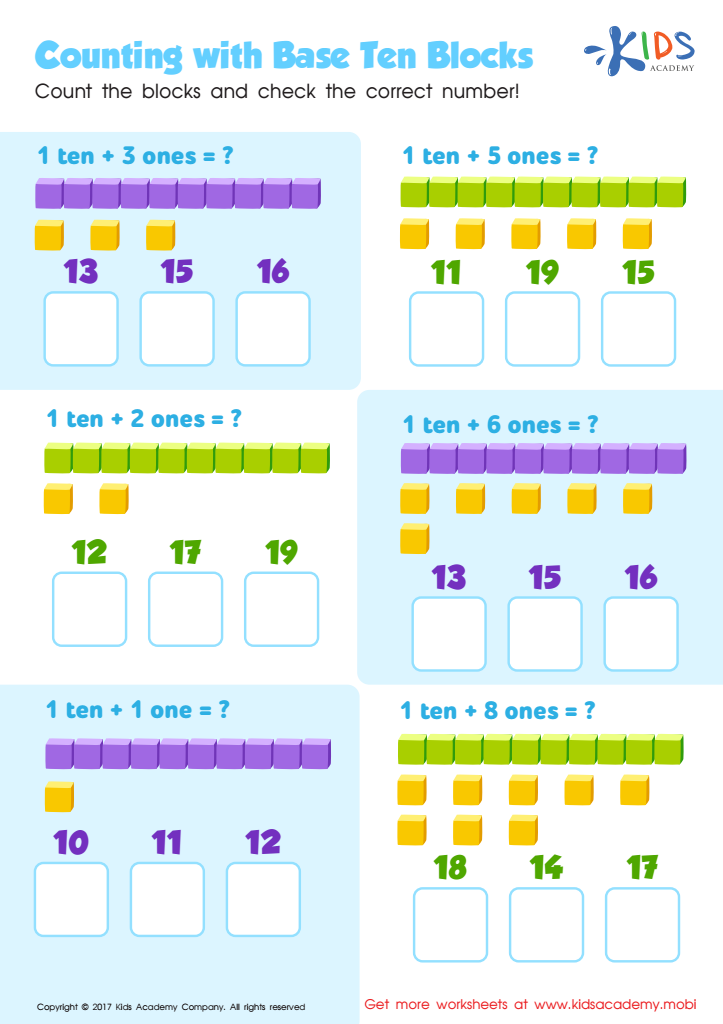
Counting with Base Ten Blocks Worksheet
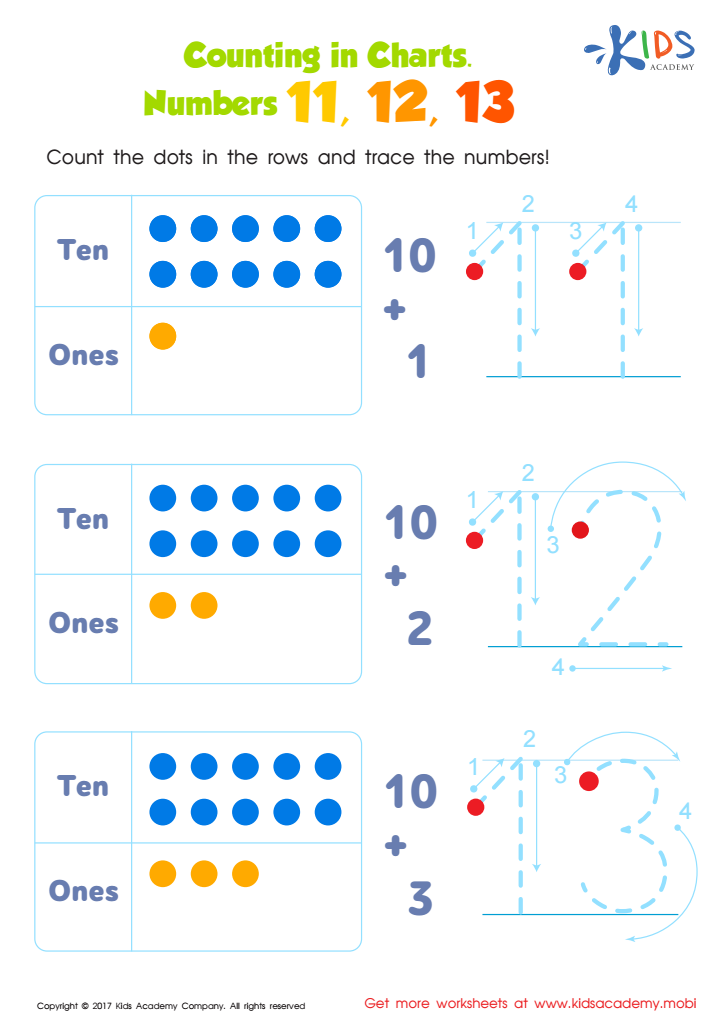
Number Tracing Worksheet For Kindergarten
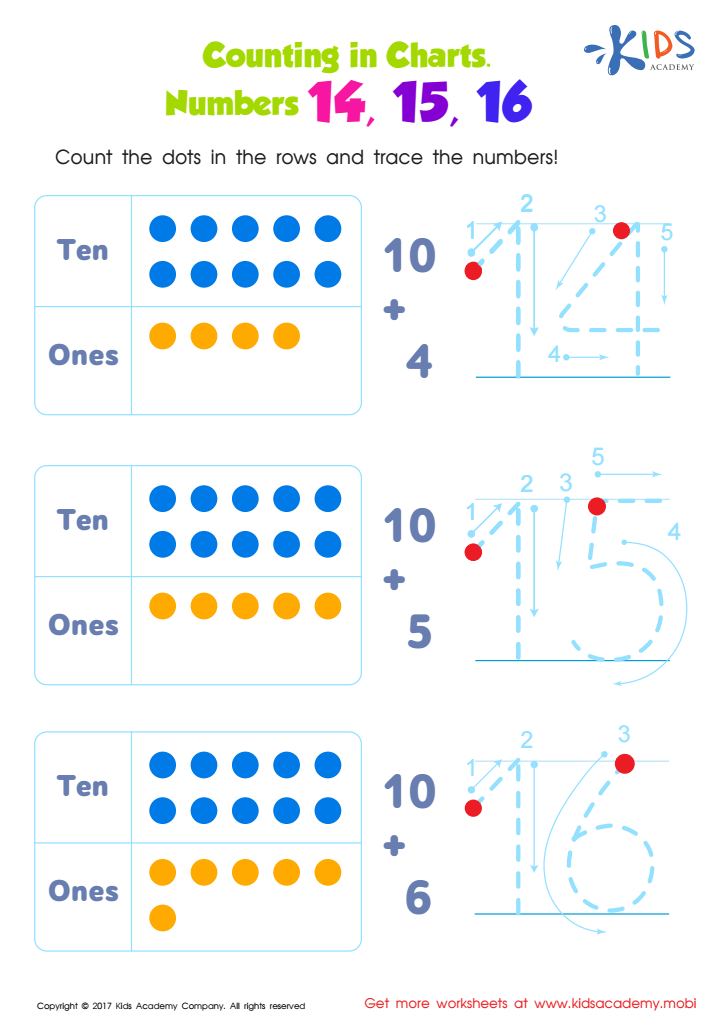
Number Tracing Worksheet



Number recognition in children aged 3-5 is a pivotal foundational learning skill that plays a vital role in their early cognitive development. Understanding numbers 11-20 helps expand a child's number sense beyond the basics and sets the stage for more complex mathematical concepts later on. By recognizing these numbers, children develop the ability to count, compare quantities, and understand numerical ordering—all essential skills for their future education.
Parents and teachers should care about number recognition in this age group because it fosters critical thinking and problem-solving abilities. Engaging with numbers helps children build confidence and encourages a positive attitude toward math, combatting the common fear some may develop towards the subject as they grow older.
Moreover, recognizing numbers lays the groundwork for various learning experiences. Through play and everyday interactions, children can relate numbers to their environment, enhancing their experiential learning. By introducing number recognition in a playful and supportive manner, adults can make math enjoyable and relatable, promoting sustained interest and curiosity.
Ultimately, nurturing these skills early on equips children with the tools they need for academic success and lifelong learning, ensuring they develop a strong mathematical foundation.