Problem-Solving Skills Easy Word Problems Worksheets for Ages 3-5
8 filtered results
-
From - To
Boost your child's critical thinking with our Problem-Solving Skills Easy Word Problems Worksheets tailored for ages 3-5! These engaging, age-appropriate worksheets introduce young learners to fundamental math concepts through simple, relatable scenarios. Each worksheet is thoughtfully designed to enhance problem-solving skills, offering hands-on practice in a fun and educational way. Perfect for preschoolers and kindergarteners, these activities help build a solid foundation for future math success. Download now from Kids Academy and make learning exciting and effective for your little ones!
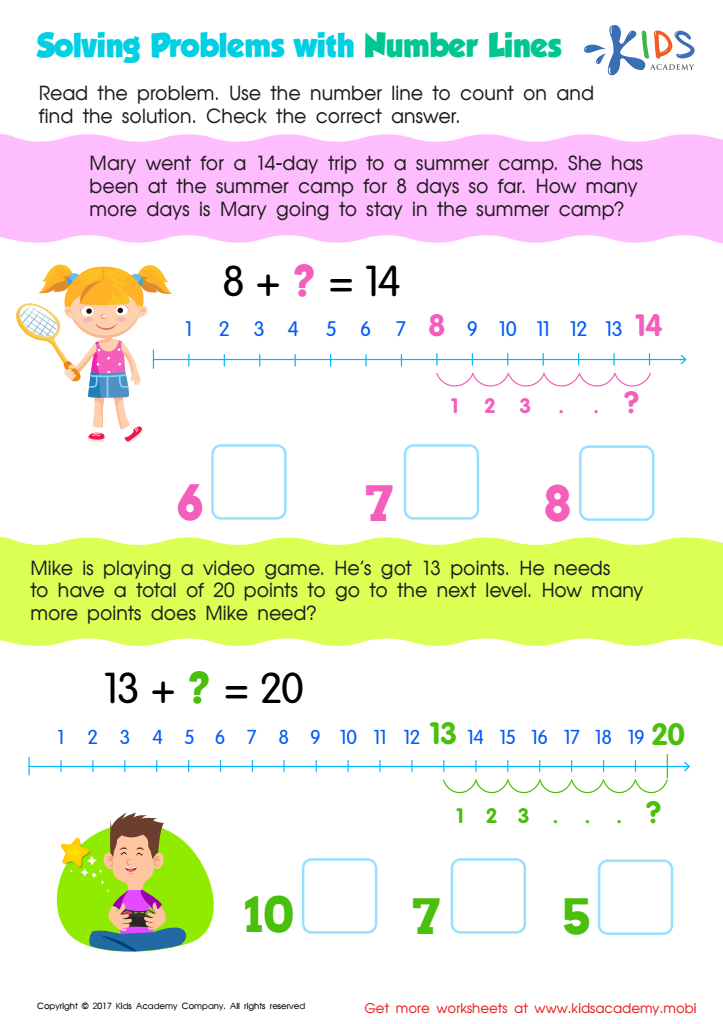
Solving Problems: Number Lines Worksheet
 Assign to My Students
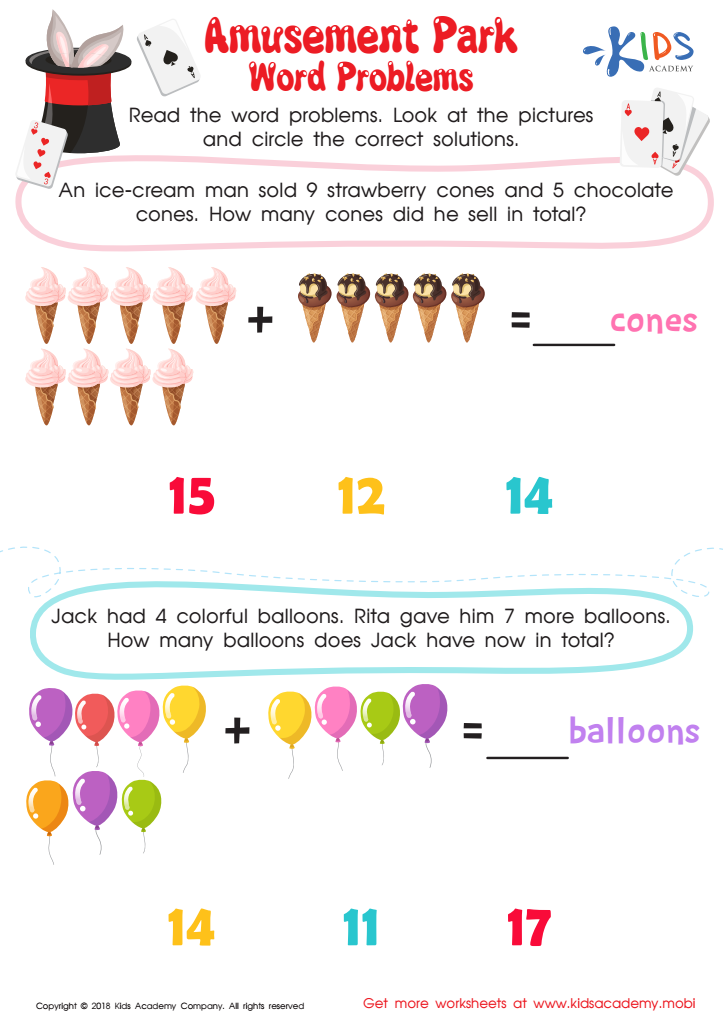
Amusement Park Word Problems Worksheet
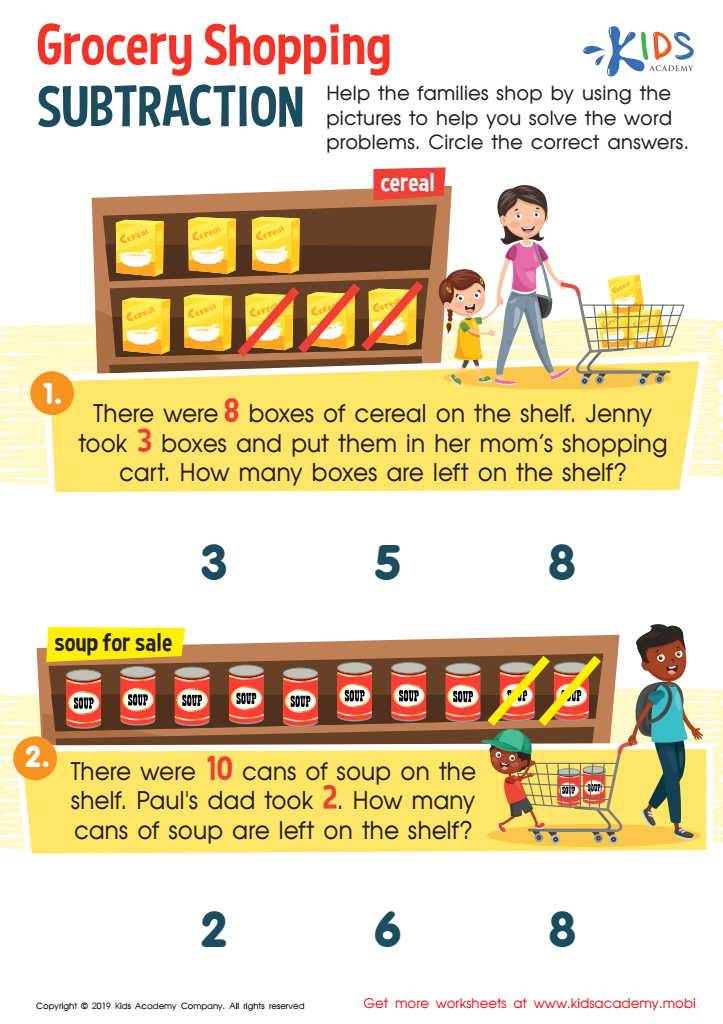
Grocery Shopping Subtraction Worksheet
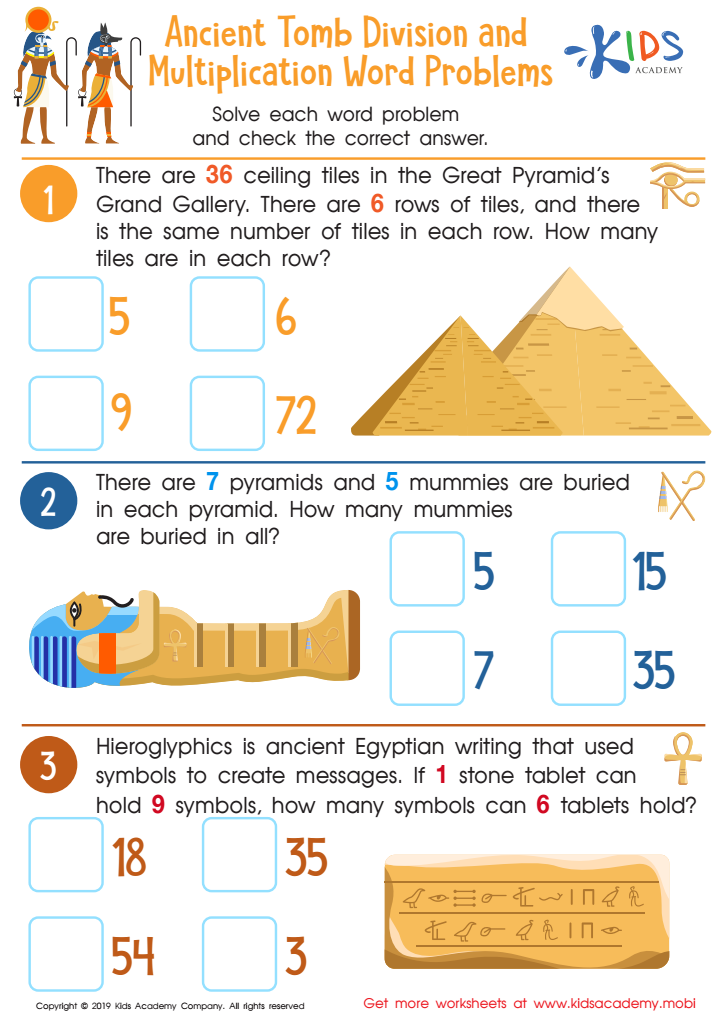
Ancient Tomb Division and Multiplication Word Problems Worksheet
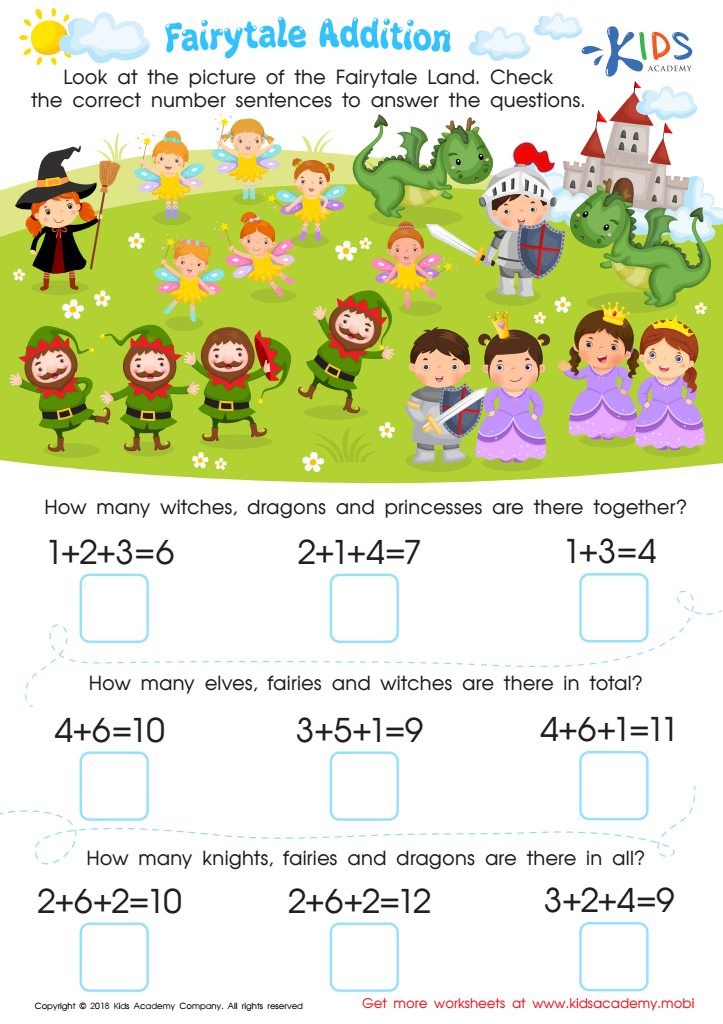
Fairytale Addition Worksheet
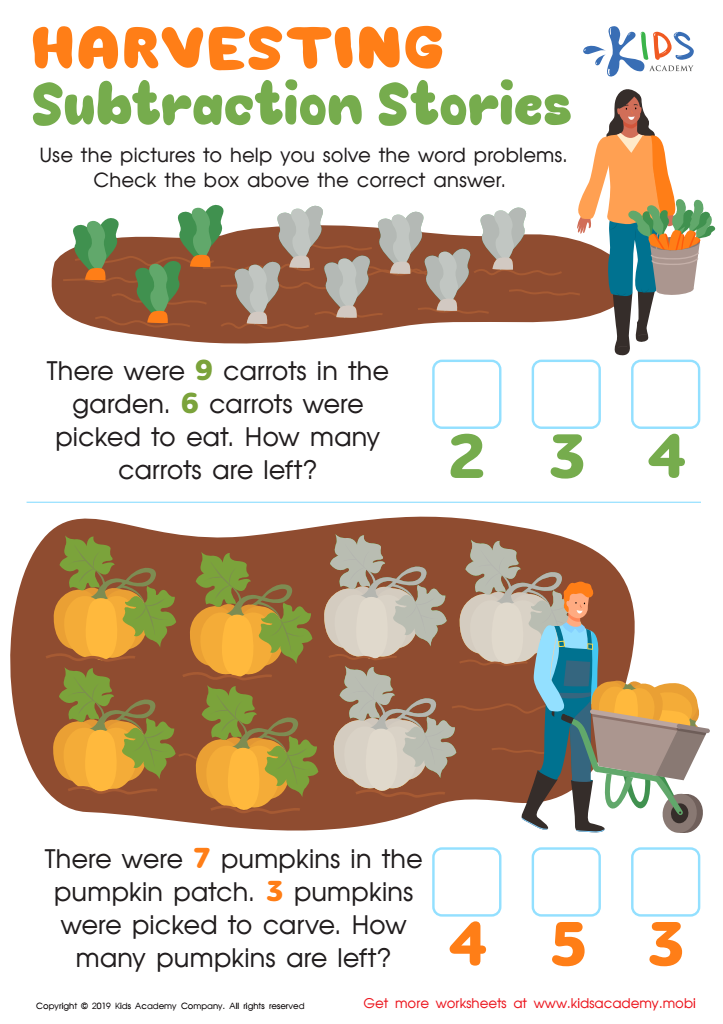
Harvesting Subtraction Stories Worksheet
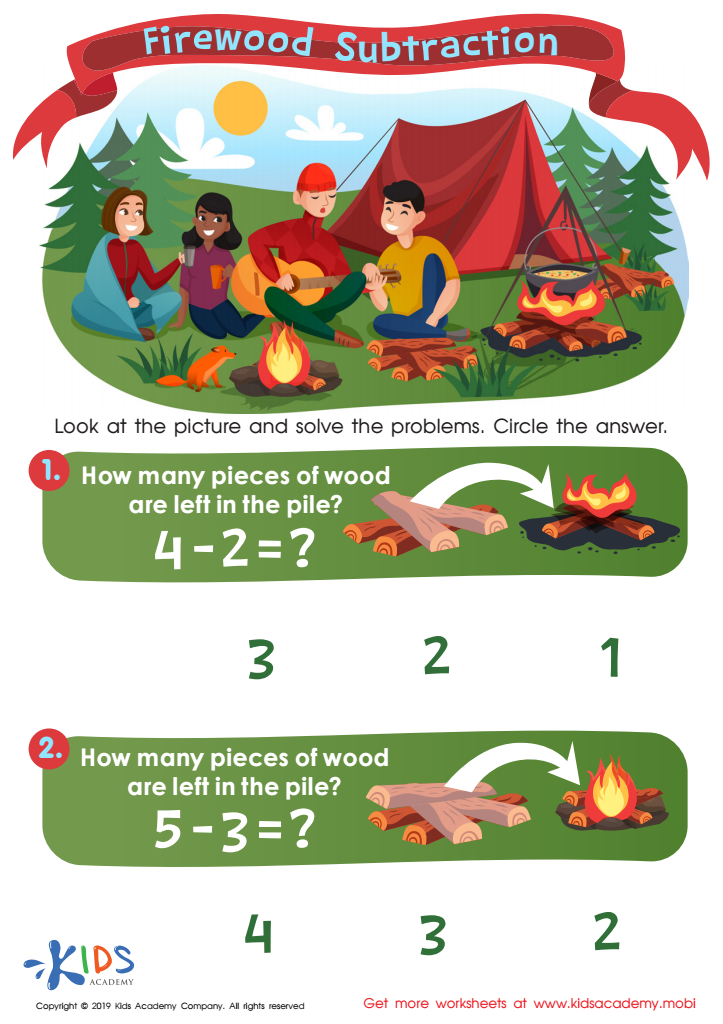
Firewood Subtraction Worksheet
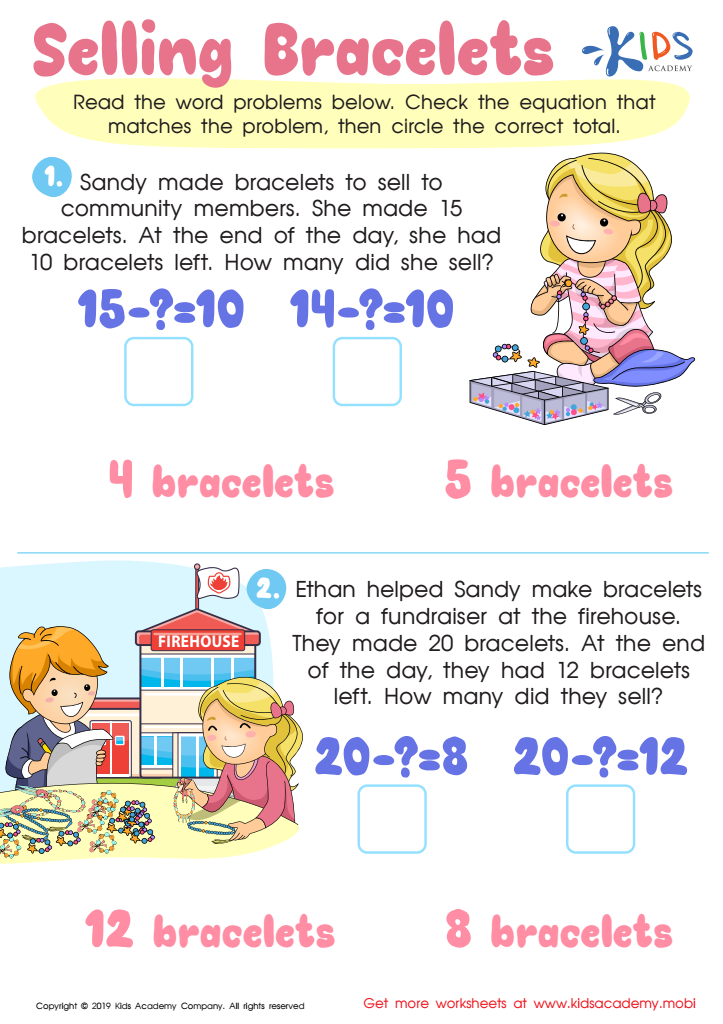
Selling the Bracelets Worksheet








Problem-solving skills are crucial for young children as they help build the foundation for critical thinking and reasoning, both of which are vital for their future academic and life success. When parents or teachers introduce easy word problems to children aged 3-5, they provide opportunities to develop these skills in an engaging and age-appropriate way.
Word problems encourage children to think logically and creatively as they navigate through different scenarios, identify the problem, and work towards solving it. This process also helps in developing cognitive abilities, such as memory and attention span, by requiring kids to remember the elements of the problem and stay focused until they find a solution.
Moreover, problem-solving with easy word problems supports the development of basic math skills. Recognizing numbers, understanding simple addition or subtraction, and grasping the concepts of more or less, enhance their numeracy, which is essential for their later school years.
Integrating these activities also promotes language development. As children are exposed to new vocabulary and sentence structures within word problems, they improve their comprehension and communication skills.
Essentially, fostering problem-solving skills through easy word problems helps children become more independent thinkers, better learners, and ultimately more capable individuals in all aspects of life. Sharing these activities at home or in the classroom builds a supportive learning environment that encourages active participation and resilience in facing challenges.








