Easy International Chess Day Worksheets for Ages 3-6
6 filtered results
-
From - To
Celebrate International Chess Day with our engaging worksheets designed for young learners aged 3-6! Our easy and fun activities foster early cognitive skills while introducing basic chess concepts. Your child can explore vibrant coloring pages, matching games, and simple puzzles, building foundational knowledge in a playful way. Each worksheet is crafted to make learning chess accessible and entertaining, promoting critical thinking and problem-solving skills from an early age. Perfect for parents and educators, these resources offer a unique opportunity to combine fun and education, sparking an early interest in this timeless game. Download now and let the chess adventures begin!
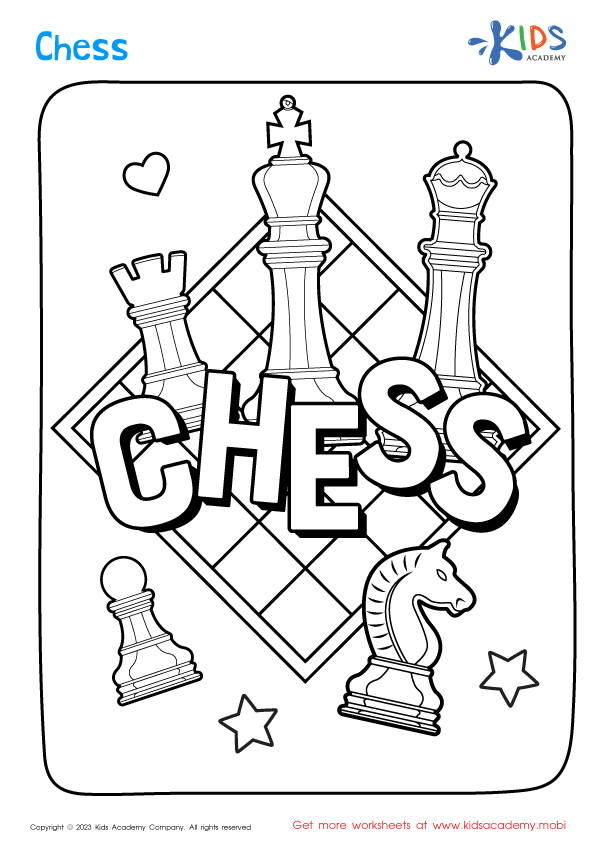
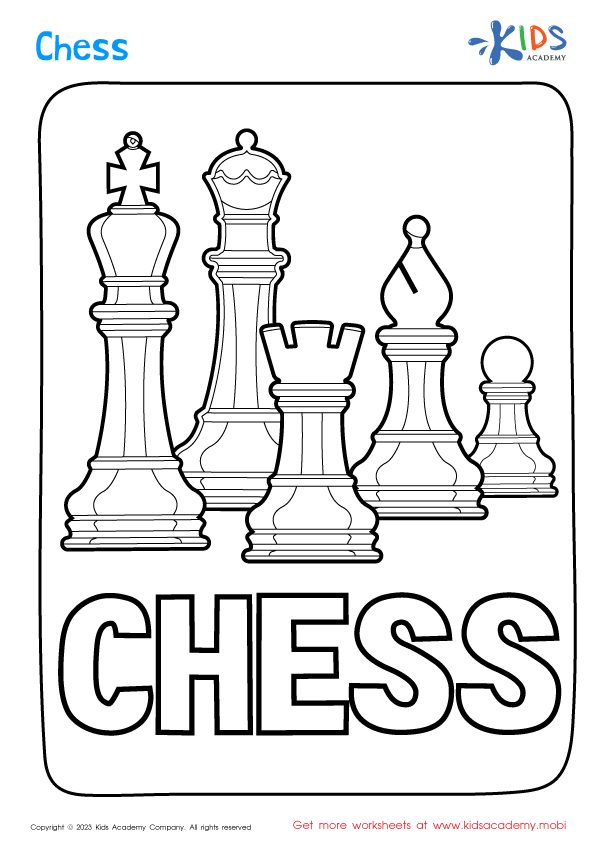
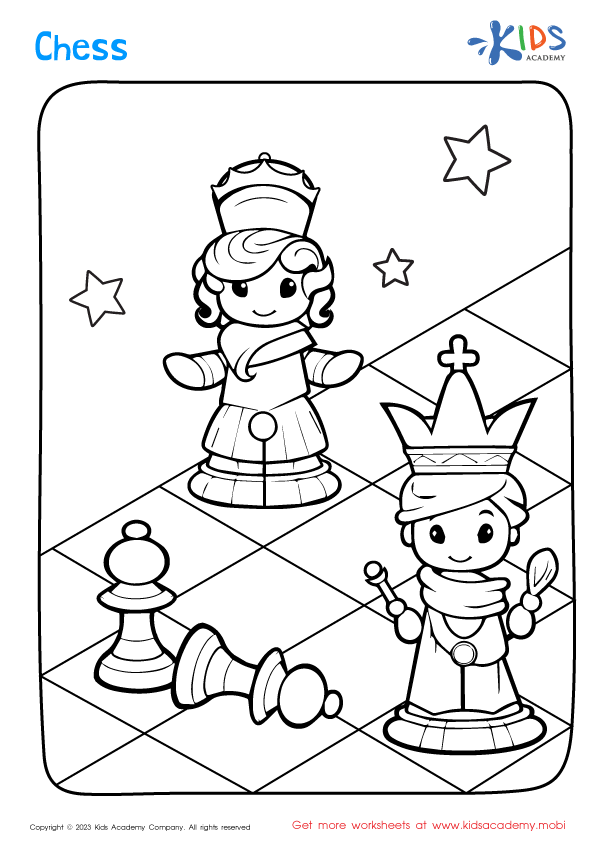
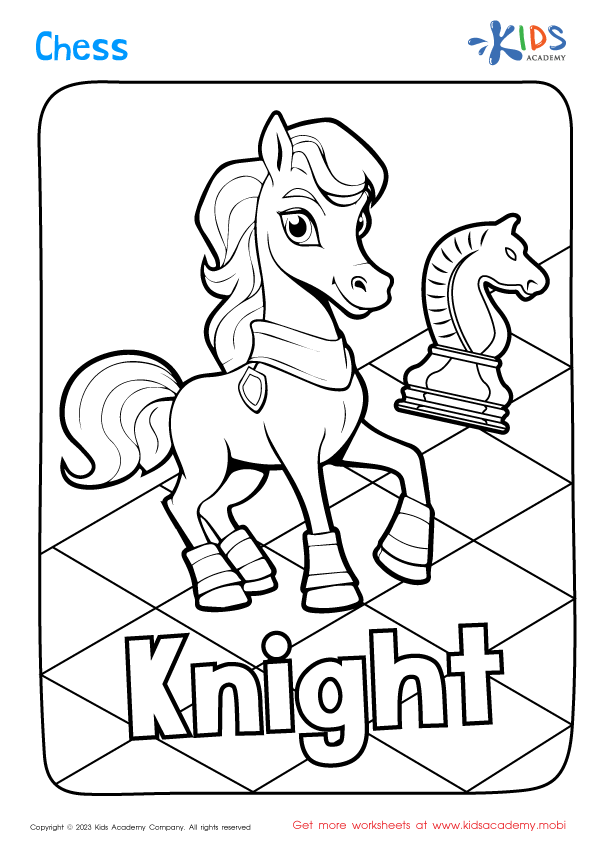
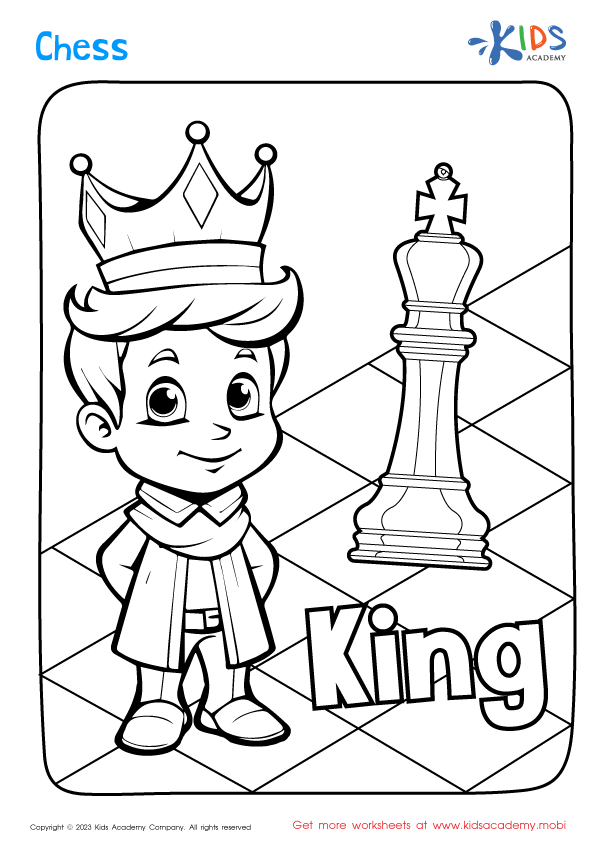
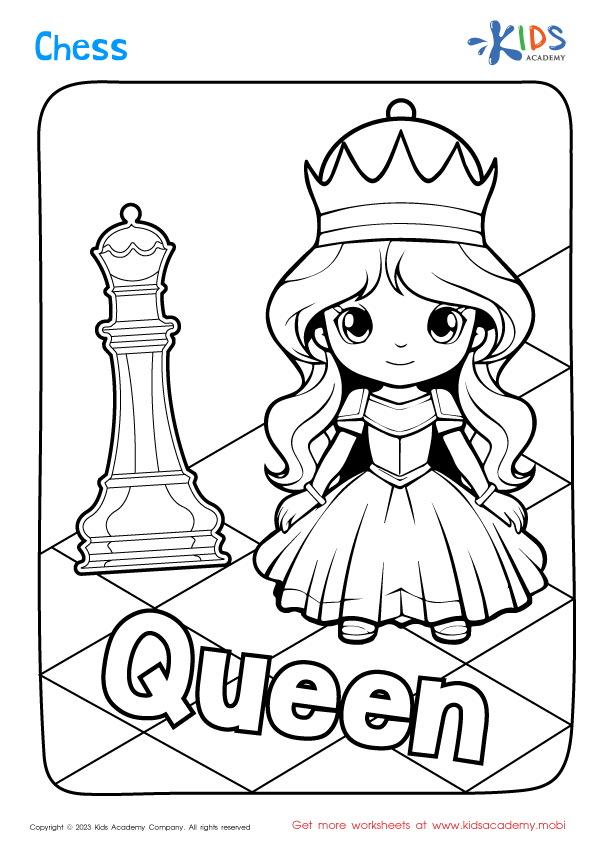


Easy International Chess Day for ages 3-6 introduces young children to the game of chess in an accessible and engaging way, offering numerous developmental benefits. At this formative age, engaging in chess can significantly enhance cognitive abilities such as problem-solving, critical thinking, and mental discipline. By learning chess, children develop the ability to focus for extended periods, which can aid in attention span growth and subsequently apply to academic settings.
Additionally, chess provides a structured environment where kids learn the importance of rules, fair play, and sportsmanship, fostering social-emotional skills. Team activities involved in such a day can help nurture cooperation, patience, and resilience, teaching kids to gracefully handle both victories and losses.
Moreover, introducing chess early on ignites a sense of curiosity and creativity, encouraging youngsters to explore diverse strategies and outcomes. It helps in nurturing mathematical and analytical skills in an enjoyable manner, laying a foundation for future academic success.
Teachers and parents should champion Easy International Chess Day specifically because it combines education and fun seamlessly, provides valuable life lessons, and contributes to an all-rounded child development approach. The day makes chess approachable, demystifying it and ensuring that foundational skills are built through play and communal learning.