Enhance your child's cognitive development with our "Logical Reasoning Easy Worksheets for Ages 3-6." Tailored to young learners, these engaging worksheets from Kids Academy promote critical thinking and problem-solving abilities through fun, age-appropriate activities. Designed by educational experts, each worksheet aims to build foundational skills in logic, pattern recognition, and sequence ordering. Puzzles, matching games, and mazes are just a few examples of our diverse exercises, ensuring a delightful learning experience. Perfect for preschoolers and kindergartners, these printables not only entertain but also pave the way for future academic success. Unlock your child's potential today!

Check out this FREE "Logical Reasoning" Trial Lesson for age 3-6!

Arrange up to 5 Objects

Favorites
With answer key
Interactive
  • 3-6
  • Logical Reasoning
  • Easy
Beware of the King! Worksheet

Beware of the King! Worksheet

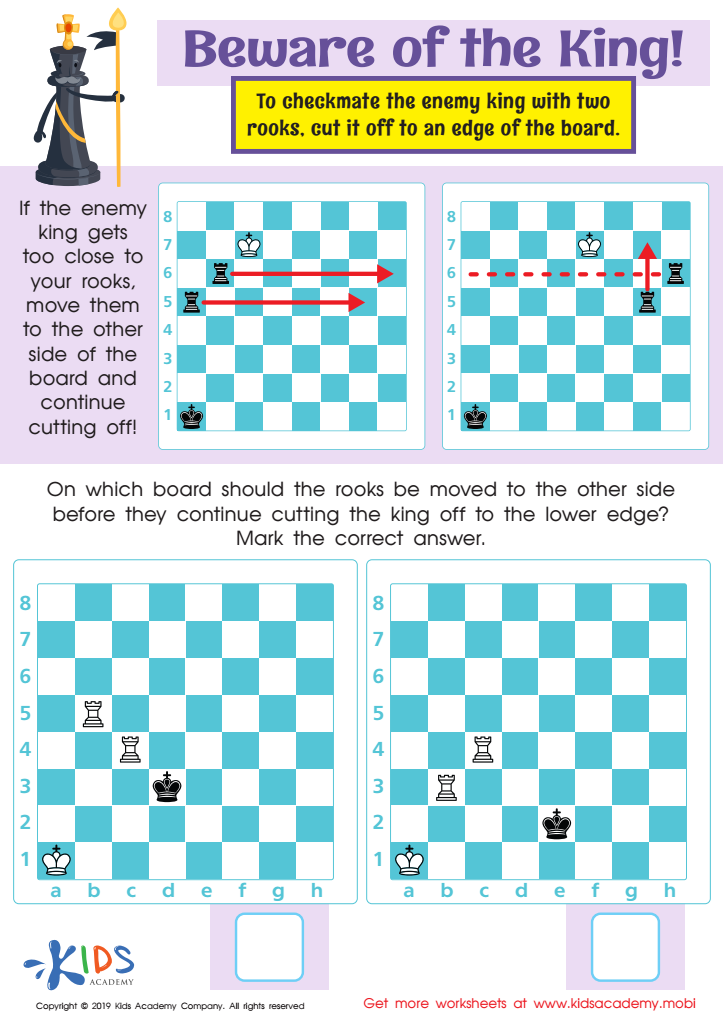
Teach your child to play chess and gift them valuable skills like critical thinking, logic, and reasoning! This free PDF worksheet will teach them the Two Rook Mate strategy to checkmate an enemy king with two rooks. They'll learn how to keep the king away and move the rooks for checkmate. Have screen-free fun together!
Beware of the King! Worksheet
Worksheet
Arranging Clothes Worksheet

Arranging Clothes Worksheet

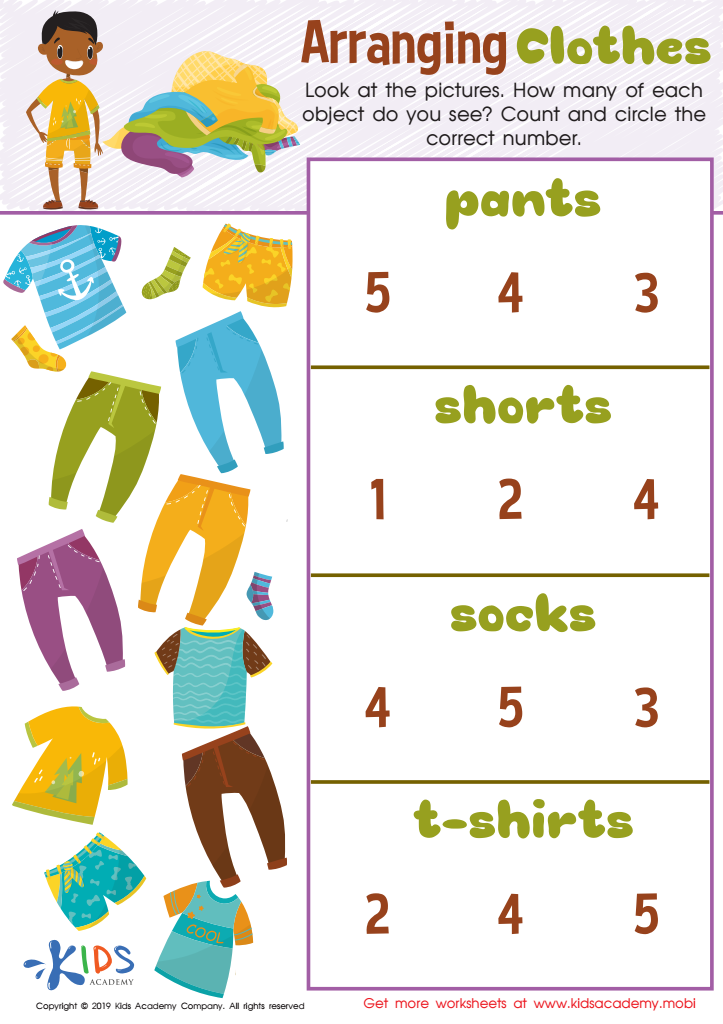
This worksheet uses familiar items, brightly colored to attract your kids. Ask them to name each item, then count them and circle the right number.
Arranging Clothes Worksheet
Worksheet
Questions at the Park Worksheet

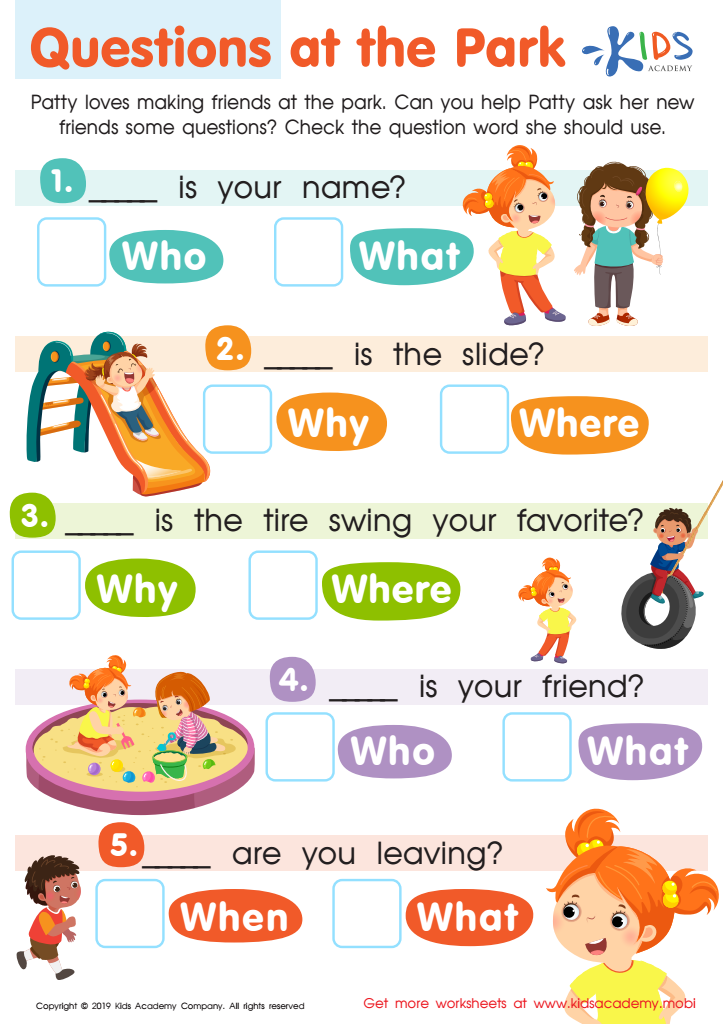
Questions at the Park Worksheet

Parks are great for fun! Kids can play, run and be as loud as they want! Ask them what their favorite activities are. If they love making friends, like Patty in this worksheet, help them practice their question words to get to know their new pals better.
Questions at the Park Worksheet
Worksheet
Summer and Winter Worksheet

Summer and Winter Worksheet

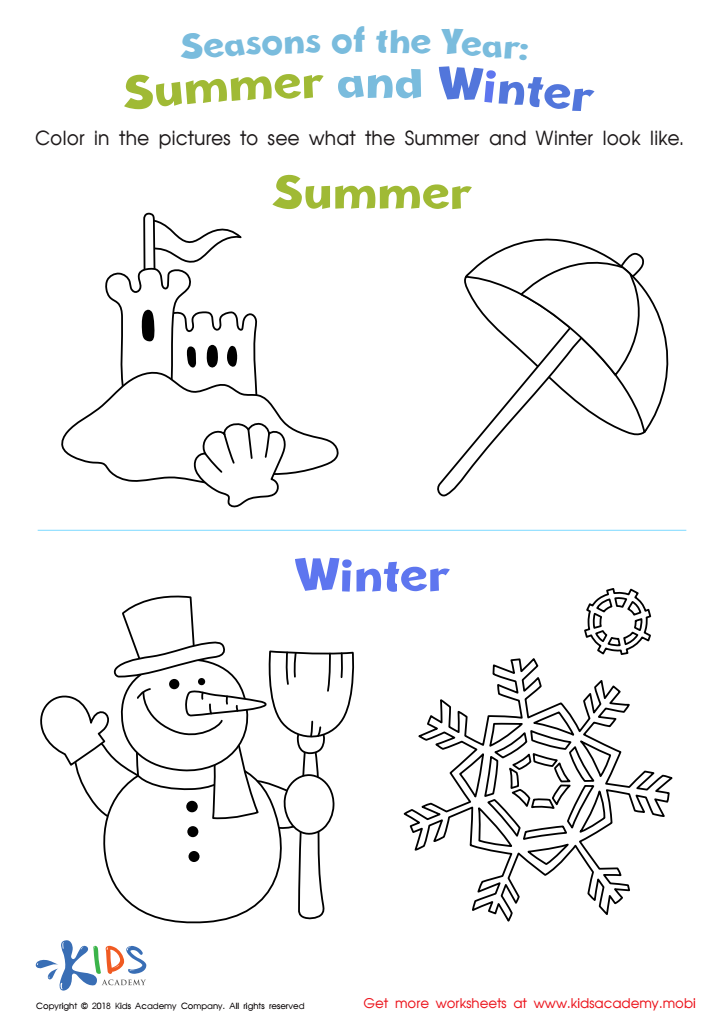
Ask your child what they associate with winter and summer. What do they look forward to in winter? What colors do they see most? What do they love doing in summer? Help them color in the pictures of winter and summer in the worksheet, choosing the colors they think best represent each season.
Download (PDF)
Assign to My Students
Summer and Winter Worksheet
Worksheet
Pond Trouble Worksheet

Pond Trouble Worksheet

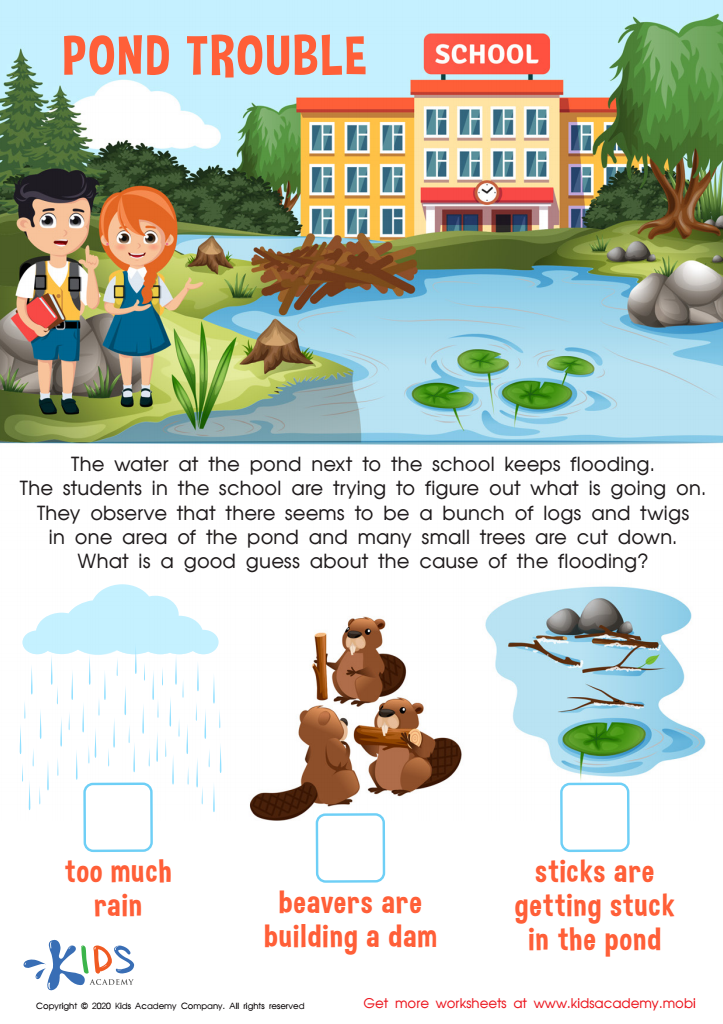
This fun worksheet will get your child's brain buzzing! They must help the characters solve the mystery of a flooding pond by reading the explanation and carefully considering each answer choice. Encourage them to think deeply about the possible cause before picking the most likely one.
Pond Trouble Worksheet
Worksheet
Fairness: Sequencing Worksheet

Fairness: Sequencing Worksheet

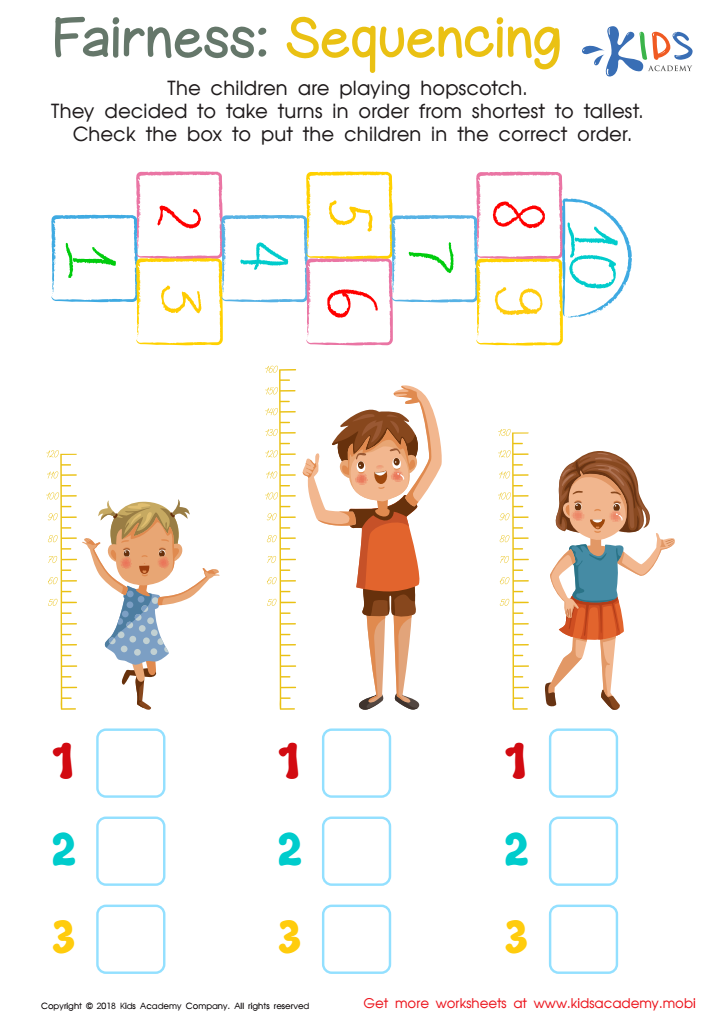
Kids likely already know how to play hopscotch. Ask them to show you the shortest, tallest and middle child in the worksheet. Then, help them order them from shortest to tallest by checking the boxes.
Fairness: Sequencing Worksheet
Worksheet
What Does Not Match? Worksheet


What Does Not Match? Worksheet

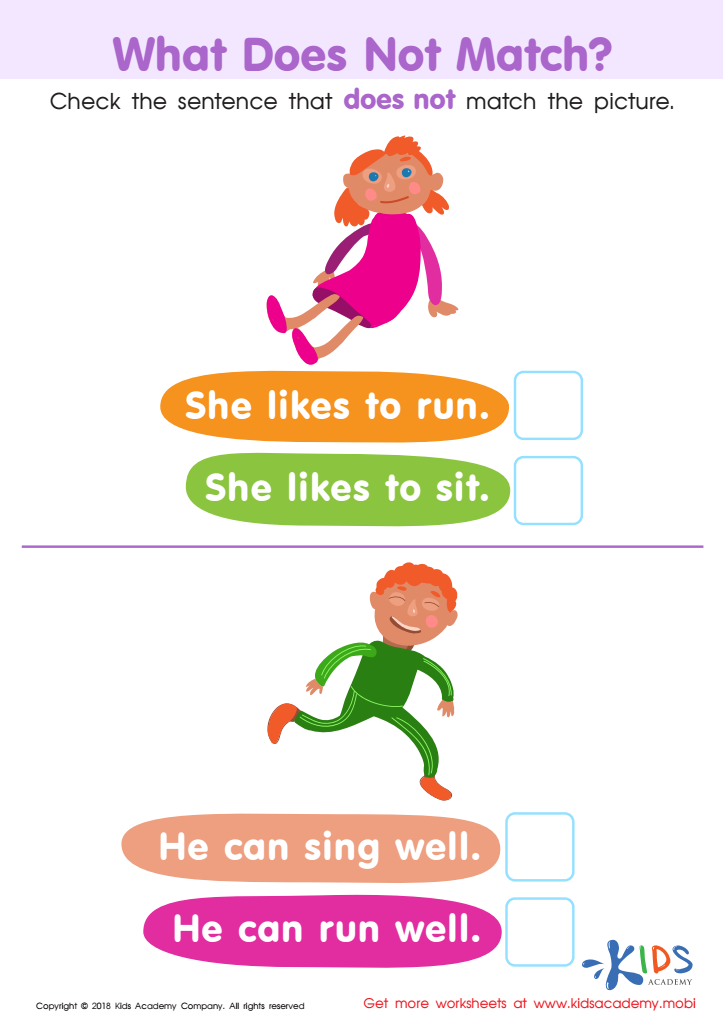
Emerging readers need to practice using visual cues and repetitive text. This colorful PDF provides them with an opportunity to look at pictures, use discrimination and discern which phrase does not match. It also enables them to gain familiarity with high-frequency words to aid decoding longer sentences.
What Does Not Match? Worksheet
Worksheet


Parents and teachers should care about introducing logical reasoning to children ages 3-6 because it forms the basis for critical thinking and problem-solving skills essential for their future academic success and daily life. Logical reasoning helps young children develop cognitive abilities, such as the capacity to analyze situations, identify patterns, and draw conclusions. These skills are fundamental not only in math and science but also in understanding stories, following instructions, and engaging in social interactions.

At this age, children's brains are incredibly adaptable and receptive to learning new concepts. By engaging in play-based and interactive activities that promote logical reasoning, like matching games, sorting tasks, and simple puzzles, adults can foster a child’s curiosity and enhance their ability to process information methodically.

Moreover, early exposure to logical reasoning encourages perseverance and a growth mindset. When children encounter challenges, they learn to approach problems systematically rather than feeling frustrated or defeated. This resilience benefits them academically and helps improve their self-esteem and motivation.

In a world where logical and critical thinking is increasingly valued, giving children a strong foundation in logical reasoning from a young age prepares them not just academically but socially and emotionally, setting the stage for lifelong learning and success.